
As election nears, voters need to look beyond the ads
There are several things we need to remember this campaign season.
First, negative campaigning works, unfortunately. Using half-truths, innuendo, truncated statistics, twisted and distorted facts, and often, down-right lies, are a tactic that has been used by politicians for more than 100 years. There’s nothing new about it.
Highly compensated campaign consultants tell us negative ads win elections. It’s easy to believe the worst about a public figure and media is quick to cover a “steamy” story line. Using Photoshopped pictures, provocative language or highly edited videos, negative ads attempt to tarnish reputations and make a candidate appear unfit for public office.
Second, negative campaigning is used by candidates who are losing! If a poll indicates a candidate is behind, has many unfavorables because of changing policy positions, or lacks leadership, he/she calls in the consultant and the nasty ads begin. Cast doubts about your opponent, accuse him/her of misconduct, mail postcards with false information, repeat negative sound bites, and the voters will wonder what’s true. A favorite strategy: Save the worst attack until two days before the election to make it impossible for a candidate to set the record straight!
Third, it’s difficult to win a libel/slander lawsuit if you’re a politician. Public officials are treated differently. State supreme courts, looking to the U.S. Supreme Court for precedence, have “taken the position that the free expression of thoughts and opinions, charges, accusations, criminations and recriminations regarding men in public life and political matters are so valuable and so essential to the preservation or improvement of our Government that they must be permitted and constitutionally protected unless they are made with actual malice,” the Kansas Supreme Court wrote.
Politicians are fair game! Actors who sue tabloids sometimes win, but politicians who sue for damages are rarely successful. The courts have called negative campaigning “deplorable,” but have made it very difficult to eliminate.
Fourth, the responsibility of fact checking falls to us, the voters. Sure, it takes time to contact the candidate, attend forums and debates, to research a voting record, or read position statements. But if we only listen to negative ads and sound bites, we will not get the whole story. Find a nonpartisan organization for information, like the Kansas Legislative Research Department; or ask your candidate for a report from a reliable nonpartisan organization that serves both Democrats and Republicans. FactCheck.com may be another good resource to check the “Pinocchio” factor!
In less than a week, we will go to the polls to cast ballots for men and women who will represent our views on the economy, job creation, school funding, rising poverty rates, homeland security, immigration reform and healthcare. I hope you won’t let misleading videos or postcards be your only source of information.
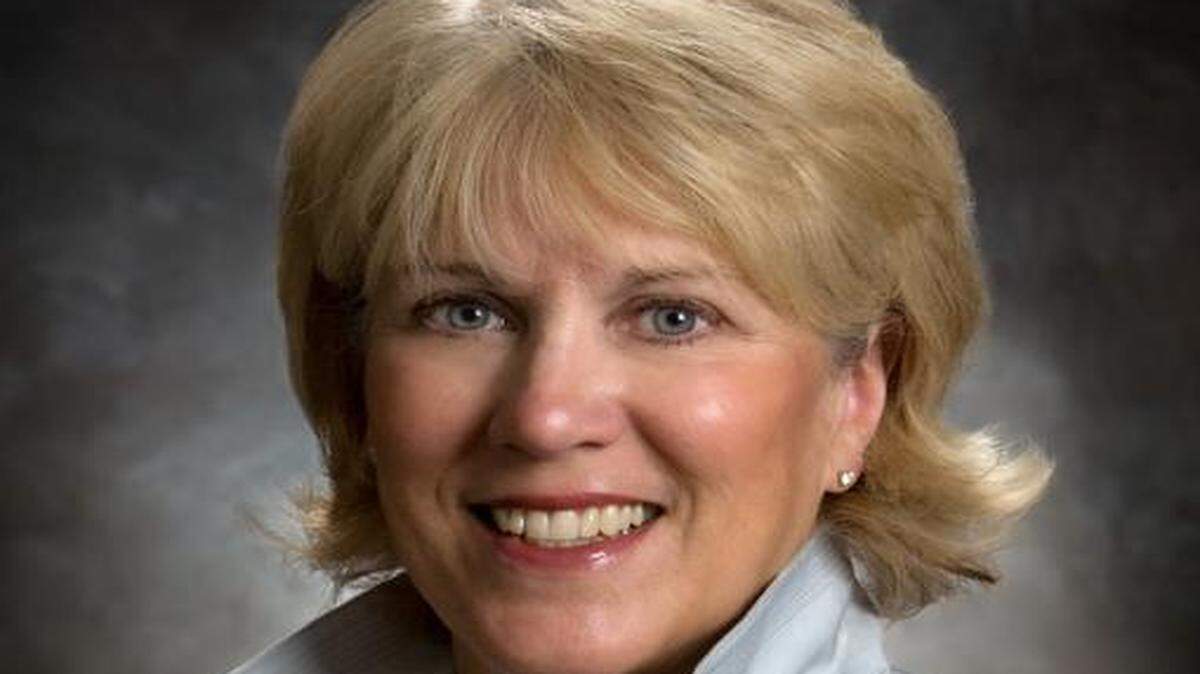
Terrie Huntington of Fairway is a retired Kansas senator and past chairman of Senate Ethics and Elections.
To submit an As I See It piece, send 700 words to Grace Hobson at ghobson@kcstar.com.