
Sens. Moran and Marshall: Lead the way to better, more humane testing without animals
We all have a stake in a well-functioning U.S. Food and Drug Administration, one that exercises prudent oversight of cosmetics and dietary supplements, brings more useful drugs and stronger price competition to the market, modernizes the regulation of diagnostic tests and procedures and smooths the way for next-generation medical products of value to humankind. The Senate Health, Education, Labor and Pensions Committee — one of the best-led and most reliably bipartisan in the chamber — sought to achieve these and other good results on behalf of the American people by passing the Food and Drug Administration Safety and Landmark Advancements Act, or FDASLA.
Kansas’ Sens. Jerry Moran and Roger Marshall, both serving members of the Committee, were involved in critical deliberations over this must-pass, five-year reauthorization of the FDA’s user fee programs for prescription drugs, medical devices and other products.
Given that the Senate FDA user fee bill includes a section on cosmetics regulation, providing for expanded agency oversight, it would have been appropriate for the committee to include language prohibiting animal testing for cosmetics. It isn’t controversial, because things have reached the point where the Personal Care Products Council, the industry’s trade association, has become the biggest supporter of the federal Humane Cosmetics Act, S. 3357, to prohibit domestic animal tests for cosmetics and the importation of new animal-tested products from elsewhere.
That’s right. The regulated industry wants the clarity and direction that a prohibition on animal tests would provide, because the hundreds of PCPC member companies understand that the non-animal methods now available can meet the safety data needed when it comes to cosmetics.
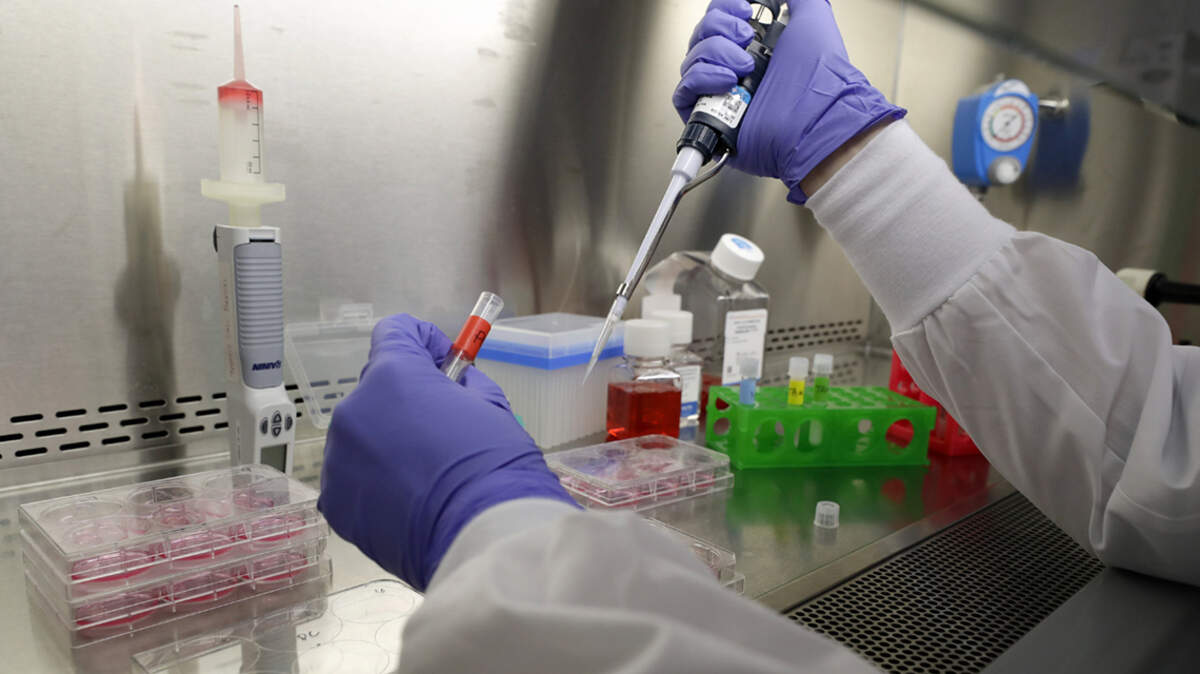
More and more, cosmetics companies are creating high-quality products with the thousands of available ingredients that already have a validated history of safe use. With respect to new ingredients, non-animal techniques are developing at a rapid pace, and these methods often provide better scientific information. Because they are rooted in human biology, they are simply more accurate in predicting human safety. These methods are often less expensive and can be completed more quickly than traditional animal tests.
In some respects, this has become a matter of our remaining competitive with other markets. More than 40 countries and eight states have passed laws to end or limit animal testing for cosmetics, acknowledging demands for regulatory clarity, consumer interest in animal welfare, and the superiority of non-animal methods. And right now, the governors of Louisiana and New York have bills on their desks to do the same.
Unfortunately, not only did the Senate HELP Committee not act on the Humane Cosmetics Act, they’ve included language that could preempt states’ rights to legislate their own laws to manufacture or sell humane cosmetics. We urge Sens. Moran and Marshall to push for inclusion of the Humane Cosmetics Act in the FDASLA before the Senate floor action or strike the problematic preemption language from the bill.
Obviously, there is a moral dimension to the question. Knowing that millions of Americans are ready to support an end to animal tests for cosmetics that are increasingly considered unnecessary and inhumane, there is no real impediment to the swift adoption of public policy so well correlated to public sentiment. We hope that Sens. Moran and Marshall will recognize the importance of this concern to many of their constituents and encourage their colleagues to take this step. It could spare animals from further suffering and put us on a path to faster, better and kinder methods for testing cosmetics products.
This story was originally published June 22, 2022 at 5:00 AM with the headline "Sens. Moran and Marshall: Lead the way to better, more humane testing without animals."