
I hope Gene Suellentrop doesn’t feel shame. There’s a more productive emotion
In her column, April 14 column, “What a shame; emotion seems to be missing in too many people,” Sherry Kuehl laments the absence of shame in our culture today. She describes shame as that sick-to-the-stomach feeling after “something you had done or said while seriously wishing you could turn back the hands of time and get a do-over to correct your egregious act.” Though she admits that the feeling is no fun, she argues that lobbing a “shame bomb” at others is an effective way to shake our moral compasses back to true north.
People, put down your detonators. Shaming others and feeling shame do not reorient us and motivate us to make amends for past actions. They actually keep us from doing exactly that, as they leave us simply feeling unworthy of others’ attention and love.
Arguably the world’s leading expert on shame is Dr. Brene Brown. Her research, along with others in the field, have revealed to us the dangers of shame. It strongly correlates to addiction, bullying, anorexia, bulimia and self-harm. In women, shame often manifests as body-negativity, and in men, as unwarranted aggression. Researchers have also shown that the brain responds the same to social rejection as it does to intense physical pain.
Shame is an overwhelming feeling that in your very core you are hopelessly broken beyond repair. That feeling is so overwhelming that any feeling of contrition is lost in its enormity. If there is such a thing as a “shame bomb,” it is not a smart bomb that hits a precise target, but a dumb bomb whose blast does unnecessary damage.
I think what Kuehl really wants, and often describes in her piece, is guilt, which is not the same thing as shame. Brown says that while shame is the feeling that “I am bad,” guilt is the feeling that “I did something bad.” Instead of making generalizations about our very being and worth like shame does, guilt instead focuses on specific behaviors and actions. Without shame overwhelming us mentally and emotionally, guilt allows us to see what we’ve said or done, feel the guilt of it, then set about asking forgiveness and making amends.
I have been a pastor for seven years, and I’ve heard the confessions of many — about things over which they were ashamed, and things about which they feel guilt. Those who feel shame often do so not because of the depravity of what they’ve done, but because of the depravity of what was done to them or the severity of others’ reaction when they’ve found out. Even if the shamed have done or said something they want to make right, they can’t get to repentance and making amends because shame paralyzes. Those with a guilty conscience, on the other hand, are compelled to own their mistakes and make amends. We call that repentance in the church, and the ability to make it is a gift and goal from God.
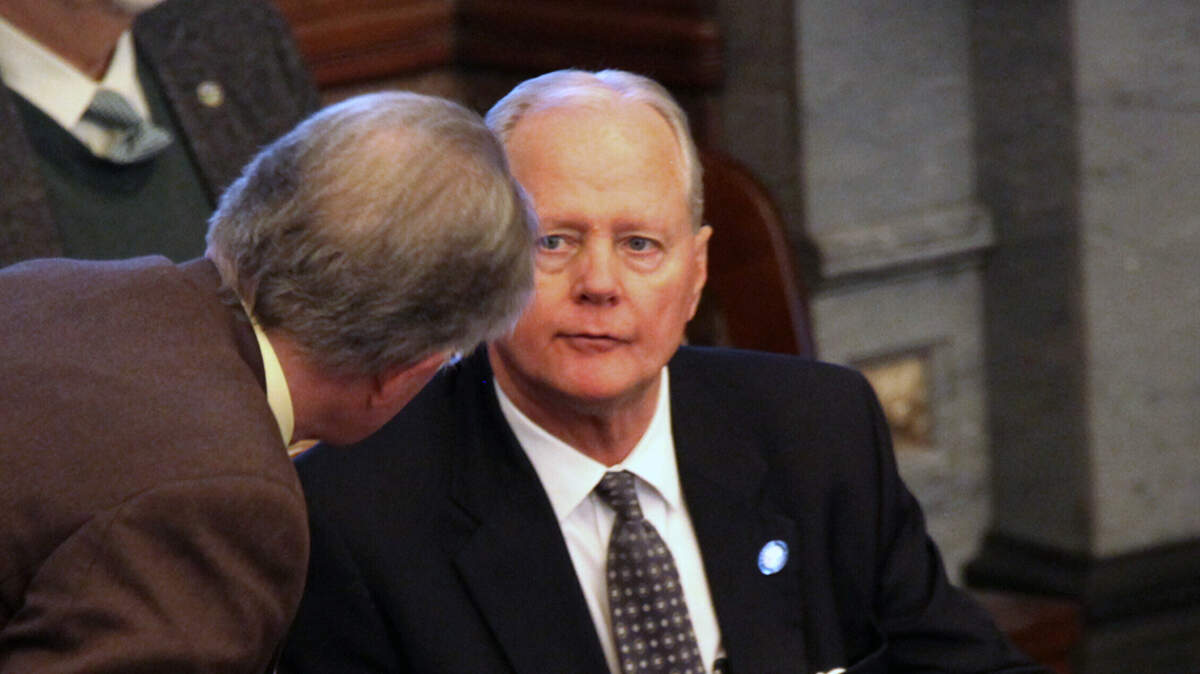
So, using her example of Kansas Sen. Gene Suellentrop, I hope he doesn’t feel shame after he was arrested for drunkenly leading police on a chase down the interstate. I’m as disappointed as anyone that a leader in our state would make those reckless (but thankfully wreck-less) decisions. Drunk driving is a different kind of a dumb bomb whose blast does unnecessary damage to others. But, I don’t want him to feel shame. I don’t want him to get stuck there. But, I do hope a guilty conscience moves him to make amends and use better discretion moving forward.
Kuehl asks if society can function without shame. If research and experience tell me anything, It’s that society can not only function, but will do so better not paralyzed by shame, but allowing guilt — over things said and unsaid, things done and undone — to help steer us true north.
Rev. Dr. Brandon Frick of Olathe is an ordained Minister of Word and Sacrament in the Presbyterian Church (USA).
This story was originally published April 28, 2021 at 5:00 AM with the headline "I hope Gene Suellentrop doesn’t feel shame. There’s a more productive emotion."