
Rural Kansans aren’t the only ‘real Americans,’ and we all share the same problems
“I definitely do not want to see rural Wisconsin become as empty as rural Iowa.”
- Travis Tranel, Wisconsin Dairy Farmer
The condition of many communities in rural America today is perilous. Drive off Interstate Highway 70 and check out the Main Street of most any small town in Kansas or Missouri. Many of the buildings still standing are probably shuttered. The word “desolate” comes to mind.
A cursory look at any political map of America in 2020 is all it takes to see that the heartland is solid red. “Heartland” refers to geography, but the problem for Democrats is demographic, not geographic. Virtually all of rural America is a deep shade of red — not only the Midwest, but also the Deep South and the Rust Belt. Why?
In “What’s the Matter with Kansas?,” Thomas Frank argues it all comes down to authenticity. If you live in Kansas, Colorado’s Western Slope, or South Dakota (where I grew up) you are a “real American” — and if not, your patriotism is questionable. Your birth certificate, too.
Country folk often share a suspicion of outsiders. Members of the local tribe all know each other, went to school together, go to the same church. Everybody is white.
The myth of the real American grows out of this homogeneity. It’s an idea that comes easily and naturally to people who feel marginalized, who want to believe they are better than people who are moving up — or out.
The problems of rural America are real, but not identical to the problems of big cities. In the city, for example, poverty is often associated with race, crime and homelessness. In the country, it often takes the form of relative deprivation — poor nutrition, substandard housing, dwindling school enrollments.
Reducing crime rate is not a high priority in many Midwestern small towns. Neither is police brutality or gun control. Guns are used for hunting, not committing crimes. In red states, abortion is a moral and religious question, not a social problem.
Even the Affordable Care Act (“Obamacare”) looks different through the prism of political geography. If you live in the country or a small town, lawmakers in Washington are blind or oblivious. For you, the problem is not only the cost of medical care but also access to doctors and dentists, hospitals and clinics.
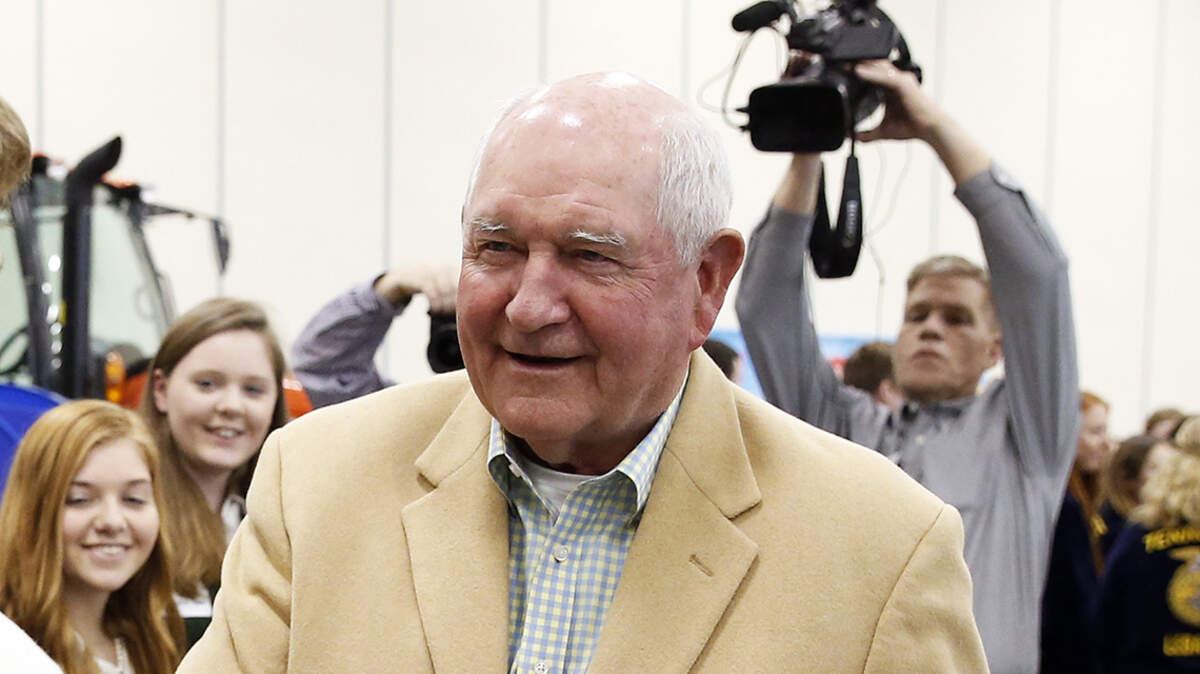
The grievances of rural America, however real, are not the fault of Democrats, gays or Blacks. Republicans in Washington are not fighting for small farmers. Here, for example, is Secretary of Agriculture Sonny Perdue at a town hall in Wisconsin in October 2019:
“In America, the big get bigger, and the small will go out,” Perdue said. “I don’t think in America for any small business we have a guaranteed income or guaranteed profitability.”
Wisconsin dairy farmer Jerry Volenec, who was in the audience that day, found Perdue’s comments “unnerving”: Perdue “said it to our faces. They’re not trying to hide it anymore. They’re telling us flat out: You’re not important.”
If you live in rural America, your problems are real, but they are not more or less real than the problems of other struggling Americans. We are all Americans.
Unless or until we can get to a point where we all recognize we care about many of the same things, America will remain a deeply divided society with a dysfunctional government. And one day soon, we may wake up and realize it’s too late to save this embattled republic. And we will all be the losers.
Thomas Magstadt is the author of “Understanding Politics” and “An Empire If You Can Keep It,” among other published works. He divides his time between Westwood Hills and Ridgway, Colorado.
This story was originally published January 6, 2021 at 5:00 AM with the headline "Rural Kansans aren’t the only ‘real Americans,’ and we all share the same problems."