
Monarch butterflies are a Kansas summer essential. Protect them without hurting farmers
By the end of this year, the U.S. Fish and Wildlife Service must decide whether to protect monarch butterflies under the Endangered Species Act. There’s a great deal of misunderstanding about what protecting them would mean — and wouldn’t mean — for farmers and for people who love handling the butterflies.
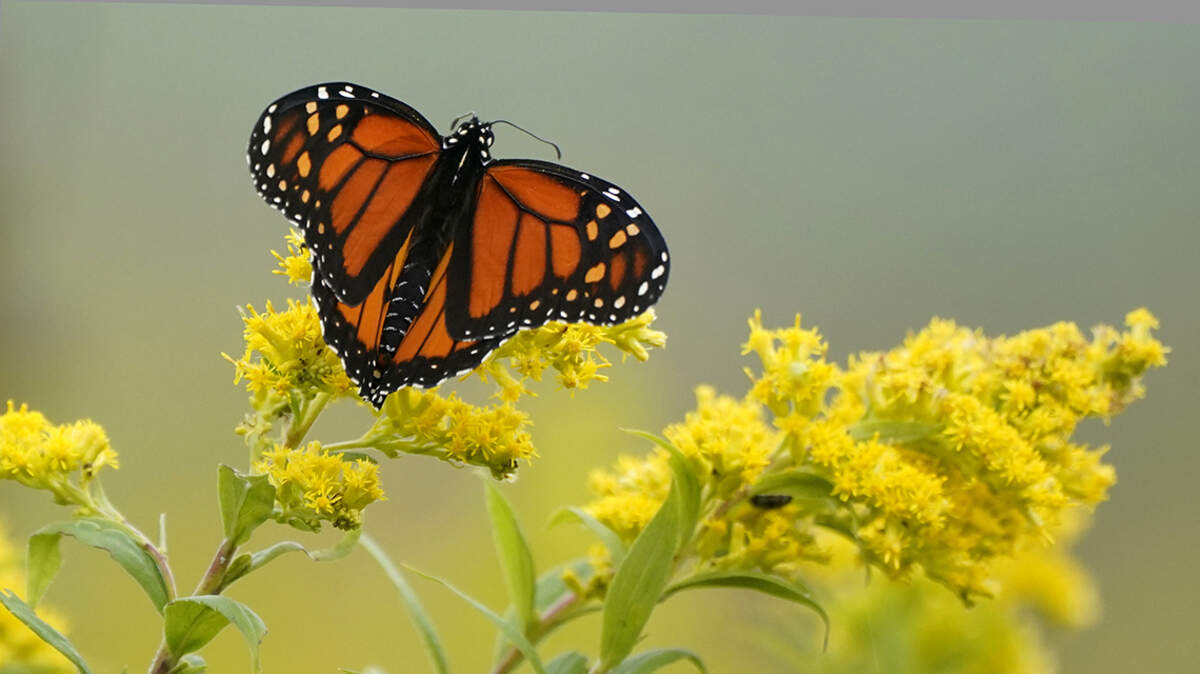
Monarchs are familiar orange and black butterflies found throughout the United States in summer. Their large size, graceful flight and multigenerational migration, one of the longest of any insect, have made them among the most recognized and revered of butterflies.
As a lead biologist on the 2014 petition seeking protection for these iconic but gravely imperiled butterflies, I know that monarchs are in dire trouble, and the clock is ticking on our ability to intervene at a large enough scale to ensure the future of their migrations
The eastern population, including butterflies and their offspring from Kansas, overwinters in the mountains of Mexico. This is the largest monarch population in the world, but has declined by 85%. The smaller population west of the Rockies, which overwinters on the coast of California, has declined by 99%. Both populations are below their quasi-extinction thresholds, meaning their recovery already faces nearly insurmountable odds.
Too often, people underestimate the flexibility of protection provided by the Endangered Species Act and overestimate what some claim is the heavy hand of the law. As a result, it’s been widely conjectured that listing monarchs would cause the Fish and Wildlife Service to penalize farmers. But this view is unrealistic and overblown.
For example, in Florida, the service actually permitted developers to build a shopping center on the habitat of a highly endangered butterfly found only in a tiny area of pine rockland habitat. Although dismaying to conservationists, this is far from the expected action critics of the Endangered Species Act spread alarm about. In truth, the service simply doesn’t have capacity — or interest — in enforcing the act this way.
When we petitioned for protection for monarchs, we asked for a “threatened” listing specifically so that the Fish and Wildlife Service could write a special rule to allow people to continue to handle the butterflies and their caterpillars. The service could easily list monarchs in a way that would allow individuals to continue to rear and tag them. The monarchs could get the protection they need, and people could still interact personally with them.
In the six years since the petition to protect the monarch was filed, there has been a monumental push to plant milkweed, and that’s needed, for sure. But we also have to address the other major threats that undermine the monarch’s future. Listing would bring a recovery plan and ongoing funding, which is sorely needed because the money pouring in to keep them off the list will likely dry up if a denial is issued this winter.
The threats to monarchs aren’t going away. In addition to the loss of milkweed, their caterpillars’ sole food, the butterflies face ubiquitous pesticide use and climate instability that make their already arduous migration even more perilous. If we don’t curtail greenhouse gas emissions, the forests where they overwinter will become climatically unsuitable in coming decades.
It’s hard to imagine a summer without monarchs. They were once a common visitor to yards and parks across the U.S. where generations of people have enjoyed witnessing first-hand their metamorphosis.
Monarchs unite us, beloved across age groups, cultures and political boundaries. We owe it to the butterflies and to future generations of Canadians, Mexicans and Americans to do everything we can to save their migrations.
And without question, protection under the Endangered Species Act is the most comprehensive way to ensure their long-term recovery.
Tierra Curry is a senior scientist with the Center for Biological Diversity, where she leads a campaign to reverse the global extinction crisis.
This story was originally published December 3, 2020 at 4:01 PM with the headline "Monarch butterflies are a Kansas summer essential. Protect them without hurting farmers."