
Emily Parnell: In vaccine wars, we’re all scientists, except we aren’t
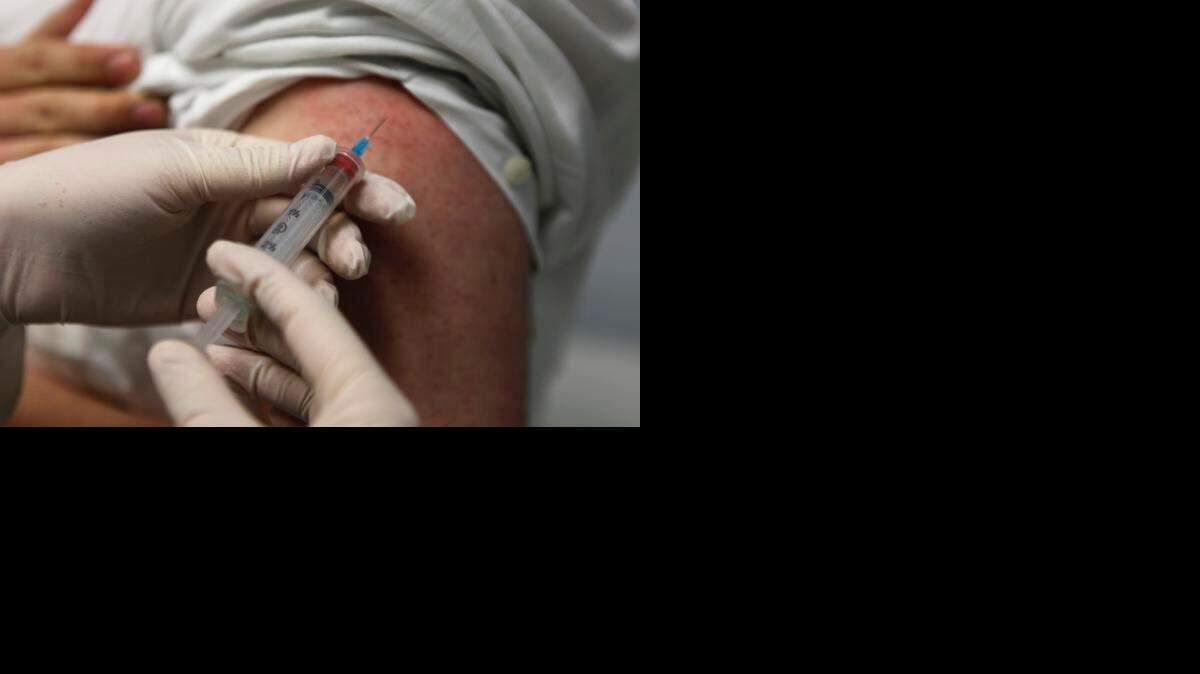
It seems we’re all scientists these days.
With access to information, conversation, experts, articles, publications, discussion forums and more, we can understand the world in ways that once would have been impractical. It would have required hours upon hours in libraries — and we still would have fallen short. In a matter of seconds, now, we can pull data and then develop our own treatment plans, our own diets, specific to whatever theory we choose to subscribe to.
Information is king, and the door to the king is right at our fingertips.
I remember the day my son was scheduled for his first MMR (measles, mumps and rubella) vaccine. My squirmy child ripped up the paper on the table while we waited for the pediatrician.
I held a list of questions, ranging from helping him with his eczema to what foods he could eat to what did the doctor have to say about the reports linking immunizations to autism. And why on earth did we need to vaccinate against diseases such as chickenpox — something I weathered just fine as a child.
Well, the good doctor, with whom I had a pretty great relationship, took me to school. There was fire in those eyes while he smacked his clipboard, visibly frustrated as he cursed the now discredited research that had led to the anti-vaccination movement.
“You, of all people, should be concerned that your child not get chickenpox. Do you know how horrible that can be for a child with skin problems? I just had someone lose a digit.” Dang, he was mad. Not at me — but to be answering the question.
All the theories that vaccinating children was just was a way for drug companies and pediatricians to milk the system for more money in their pockets, ignoring the possibility that they’re dangerous for our children, suddenly seemed ludicrous. More than that, it was insulting to those whose hands care for my children. Those who have dedicated their lives to making sure children grow up healthy were suddenly being accused of something quite heinous — endangering our children for profit.
My good friend has an autistic child. She, too, remembers the day her child was vaccinated. Yet her child came home different. Changed. She was a normally developing child, and the next day, she was not. My friend is one of the many parents who swear it was the vaccination that did this.
“It probably didn’t cause it — I think the autism was already there — but I do think it was a trigger.”
BUT, my friend was quick — very quick — to point out that she didn’t hesitate to vaccinate her second child. “I can deal with autism. I can’t deal with dead,” she said.
Out of the current debate over the relatively high percentage of unvaccinated children that has allowed a resurgence of measles to sweep across the country — I see many heated arguments. We’re all moms who want our children to be safe. But out of this, I’ve seen many articles pointing out that once someone’s mind is made up on a subject, it’s very hard — or quite possibly impossible — to get them to change their mind. Even cold, hard facts won’t change their viewpoint.
I have to wonder, might I have continued to be mistrustful of my pediatrician had his emotions not shown, resulting in my epiphany that doctors and pharmaceuticals are what makes modern medicine so amazing? In a world that mandates that erectile dysfunction drugs be accompanied by fast-talking warnings about possible death, how could any legitimate research supported by an enormous movement become an enormous cover-up? How could virtually every research scientist be duped? Why would they all sell out?
I’m a darned good Google scientist, but as such, I have to know my limitations: namely, that I’m not a scientist.
At some point, we have to place our trust with others. And when we do, lives might just be saved.
Overland Park mom and freelancer Emily Parnell writes weekly.
This story was originally published February 5, 2015 at 1:42 PM.