
County continues to struggle with controversy over the recycling of yard waste
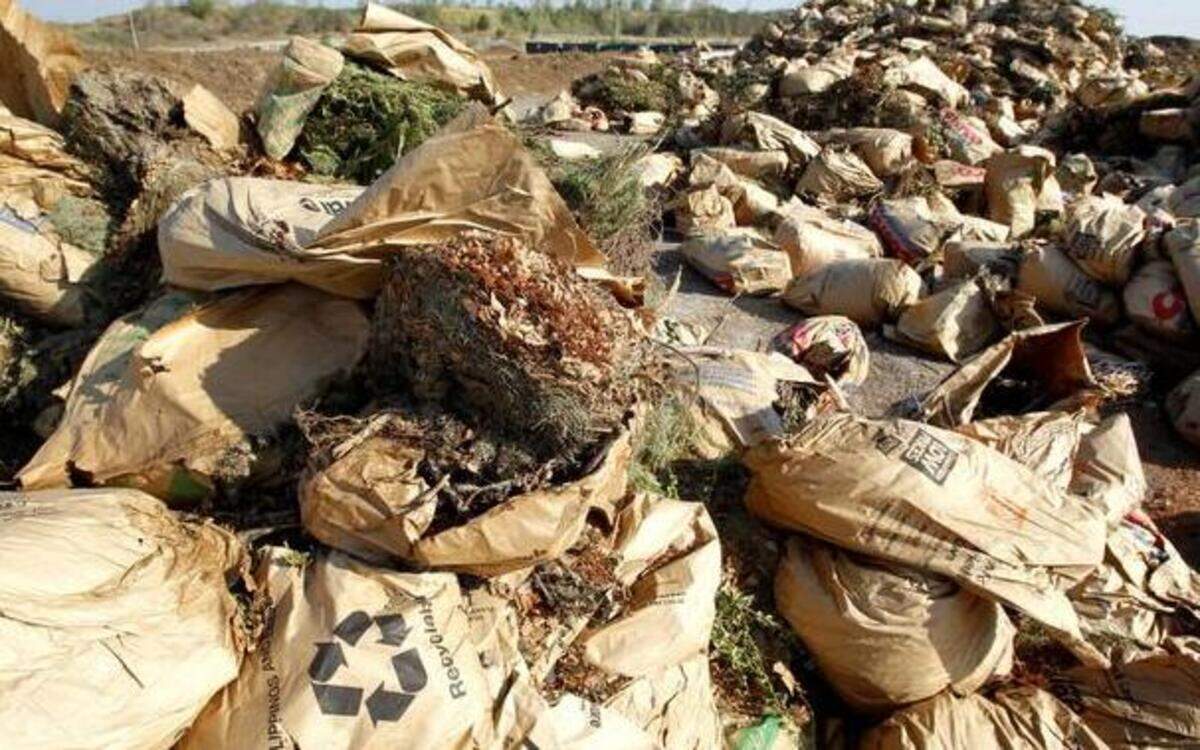
Yard waste recycling rules at the Deffenbaugh landfill appear to be headed for more trouble with the state, even after changes the Johnson County Commission made recently to comply with a state law.
The commission, on a 4-3 vote, earlier this month approved changes to its solid waste code to give the county more flexibility in enforcing its own yard waste rules.
State regulators, who have been watching the high-profile issue closely, are not amused.
“We don’t believe they did what they needed to do in response to the law,” said Bill Bider, director of the state Bureau of Waste Management. As a result, the bureau is exploring options on what steps it can take, he said.
The county enacted restrictions on grass clippings, twigs and leaves in 2012 with the intention of saving space at the landfill. But the rules have been controversial with critics who say the program is too expensive and ineffective.
The Kansas Legislature recently got into the act, passing a law that bars counties from enforcing restrictions on private landfills.
A plan like Johnson County’s, requiring yard waste to be bagged and composted in a separate area of the landfill, might have an impact on other counties that also use the landfill, for example.
The commission’s changes were designed to make the county compliant with the relatively new law. They allow the county more flexibility in how to deal with violations of the yard waste separation rules.
The changes leave the county’s options open about how hard to enforce violations. If the offending yard waste came from another jurisdiction, for example, the county would have the option of not citing a violation.
But the new language still gives the county too much discretion over enforcement, Bider said. He warned county officials in an email that they should put stronger language in the official code that sets forth the specifics on the yard waste.
The code changes elicited a lot of questions during a recent commission hearing. Commissioner Jason Osterhaus wondered whether the flexibility effectively takes the teeth out of yard waste enforcement and gives the landfill operator “carte blanche.”
James Joerke, deputy director of the county department of health and environment, disagreed, saying the code still requires the composting of yard waste. However, if the county health department finds a violation, “the new language provides the director with flexibility to work with Deffenbaugh to correct the violation and work toward compliance with the code rather than taking immediate enforcement action,” he said.
Others who spoke against the rules at the public hearing said Johnson County residents will pay the costs of the recycling program while others using the landfill do not have the same burden.
Gary Lander of Overland Park said the recycling adds wear and tear to city streets from extra trips made by recycling trucks and makes it hard for other haulers to get into the business because of the cost of buying specialized trucks.
“Any way you slice and dice it everything we did has gotten us higher fees for less service,” he said.
Some supporters of the yard waste rules also had trouble with the changes. Chris Evans Hands, vice chair of the county solid waste management committee, said the committee came up with the idea to ban yard waste years ago and wrote the waste management plan with the advice of experts in several fields.
“At that time, the Kansas Department of Health and Environment lauded our efforts as forward thinking,” she said in prepared statement that was also signed by committee chair Ruth Hopkins.
“We believe that this is a giant step backwards. The state of Kansas is forcing a change that we believe is NOT in the best interest of Johnson County,” she wrote.
The restrictions were written as a way to save space in the landfill to keep it operational, she said. “We do NOT believe that lessening the yard waste restrictions will accomplish the goal that we have been asked to attain.”
The controversy is the latest chapter in a long-running disagreement with the state. About a year ago the Kansas Department of Health and Environment disapproved the county’s solid waste management plan.
Changes were made and the department eventually approved it. Today, Bider gives the management plan faint praise, calling it “OK.”
But the solid waste management plan is different from the code. The plan is more like a detailed mission statement, whereas the code is more like a law book.
The code is the subject of the latest discussion. And that puts the state in an odd position, Bider said. State regulators regularly review management plans, but no such process exists for the codes. So the state regulators will have to figure out what action to take next.
County commissioners were split on the issue. Commissioners Michael Ashcraft, John Toplikar and Jason Osterhaus all voted against the changes.
Yard waste composting was enacted under the “faulty premise” that landfill space would run out soon, Ashcraft said. “I think this does benefit the special interest at the expense of Johnson Countians,” he said.
Commissioner Jim Allen defended the rules, saying they were enacted based on the best information at the time. The recycling program has been successful overall, he said.
Commissioner Steve Klika said he has a lot of questions about the program’s long-range effects. But it was endorsed by the cities whose residents wanted it, and to “promote some forward thinking,” he said. “I’m not ready right not to throw in the bucket.”
This story was originally published December 30, 2014 at 2:02 PM with the headline "County continues to struggle with controversy over the recycling of yard waste."