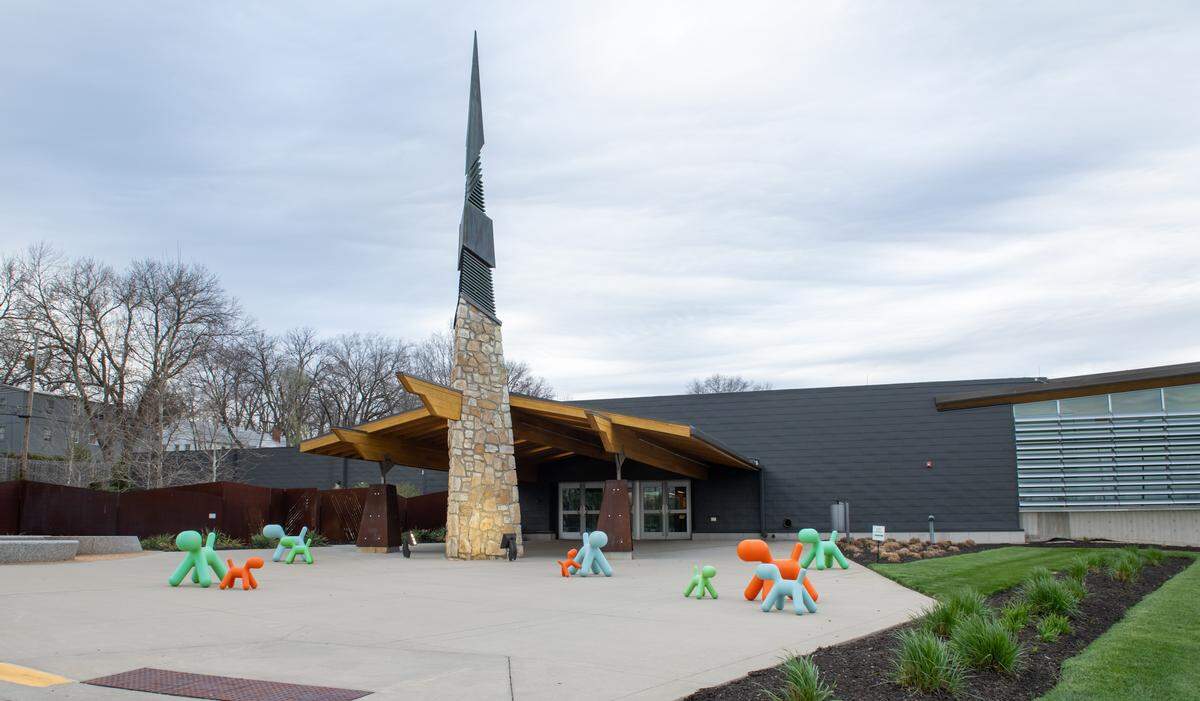
How an exhibit on redlining changed the way Johnson County Museum shares stories
A popular temporary exhibit at the Johnson County Museum had so much interest that it changed the gallery as an institution, according to Mary McMurray, the museum’s director.
It changed how the museum’s exhibits exist beyond its time on its walls, promoting access year-round to stories that were once present for only a few months.
Now the small museum in suburban Kansas is receiving national recognition for its efforts to expand access to “Redlined: Cities, Suburbs and Segregation,” — an exhibit that focused on the policies that caused the systematic disinvestment of some neighborhoods by the federal government and private lenders largely on the basis of race.
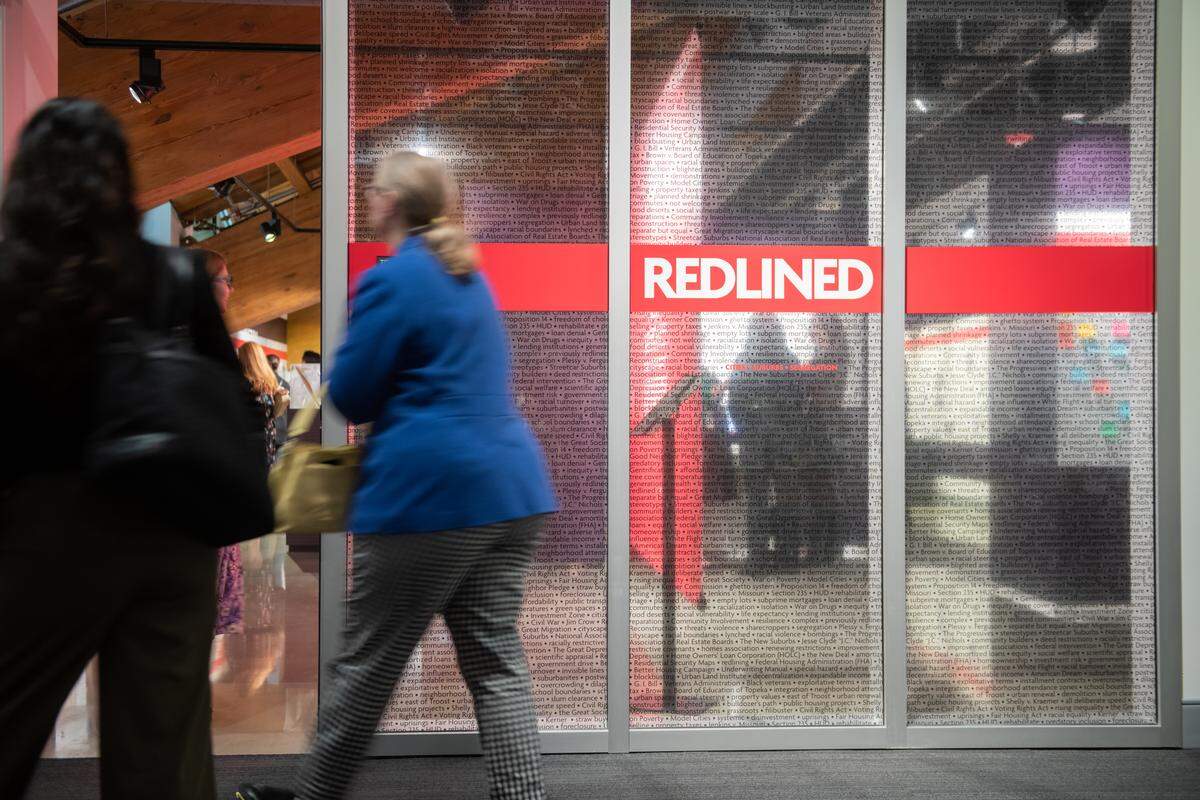
“Redlined” quickly became one of the most popular exhibits at the Johnson County Museum, with more than 40,000 visitors, and more than 100 tours coming to learn about the area’s history of redlining when it opened in 2022.
Thanks to demand for continued access, the museum created a book and webpage for the temporary exhibit — a practice that’s since been extended to other temporary exhibitions at the museum.
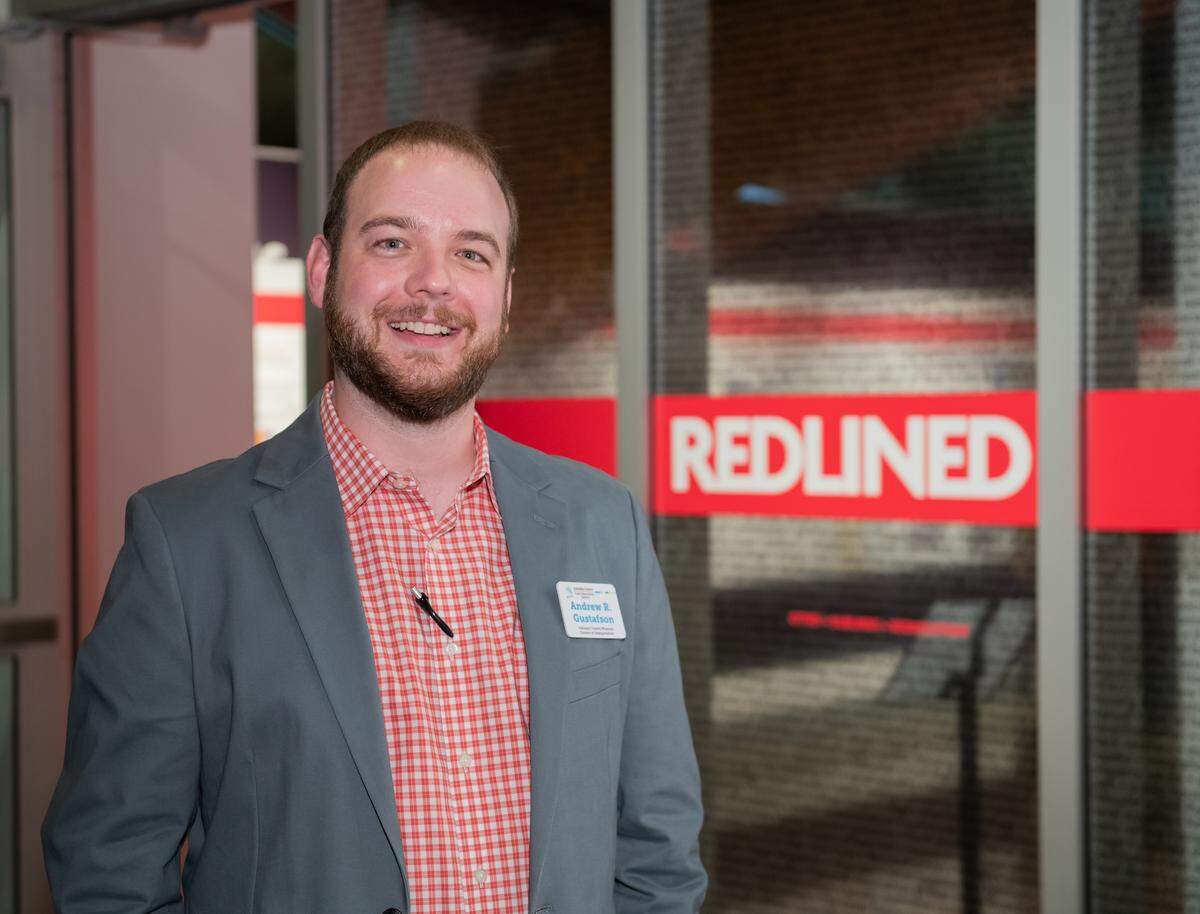
“It changed the way we think about exhibits and that content, and the work that goes into sharing that content — that it can live in other ways for folks to be able to access,” said Andrew Gustafson, the museum’s curator of interpretation.
In May, the American Alliance of Museums — an organization that represents more than 30,000 museums in the U.S. — recognized the Johnson County Museum for its work to expand access to Redlined a 2026 Museum Impact Award, one of the highest national honors that recognizes museums that drive meaningful change in their communities.
“For the first time we were recognized for our continued commitment to telling this important history that is so intertwined with the development of not only our suburb but all suburbs, and that ties right back to our big overall mission: To help people learn from the past to make the future they want,” McMurray said.
‘History of policy’
Redlined took 18 months of research to put together — an unusual amount of time for a special exhibit, but necessary, McMurray said.
“It’s a hard history, and it’s a history of policy. … It’s paper, restrictions and deeds and the development of an industry. How do you make that into an exhibit?” McMurray said.
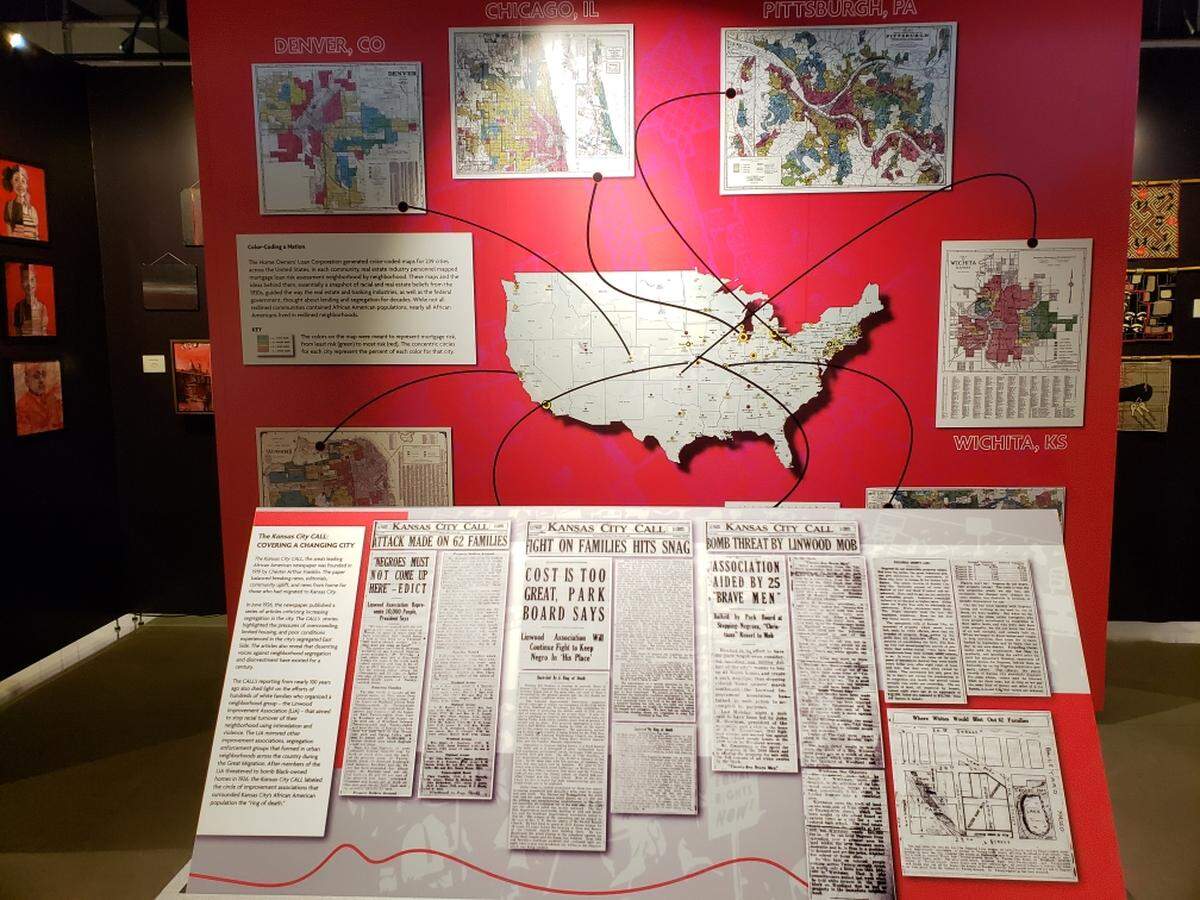
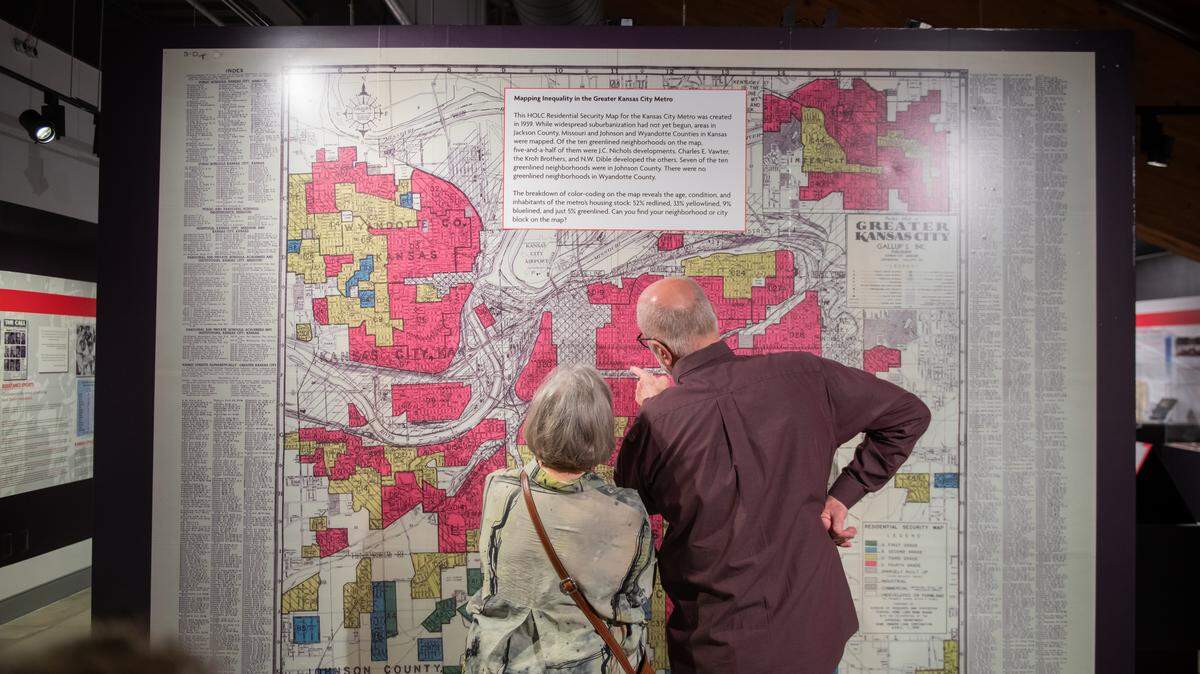
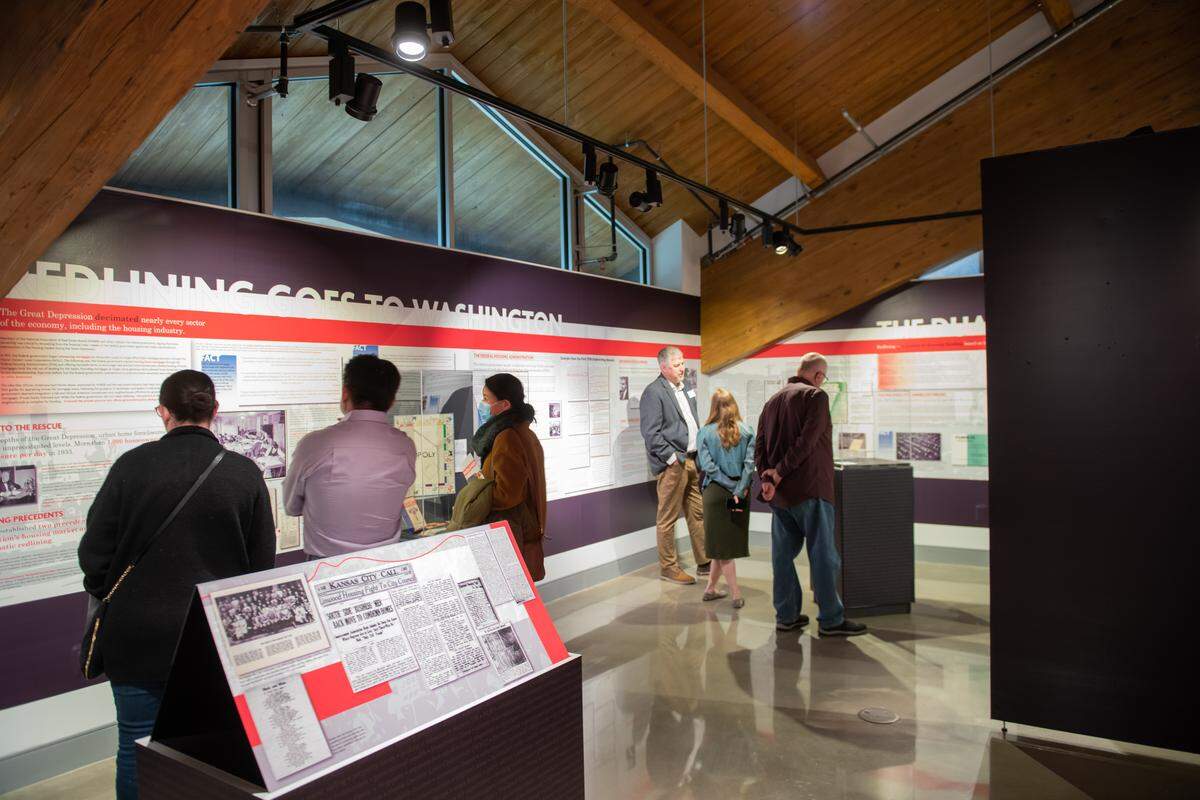
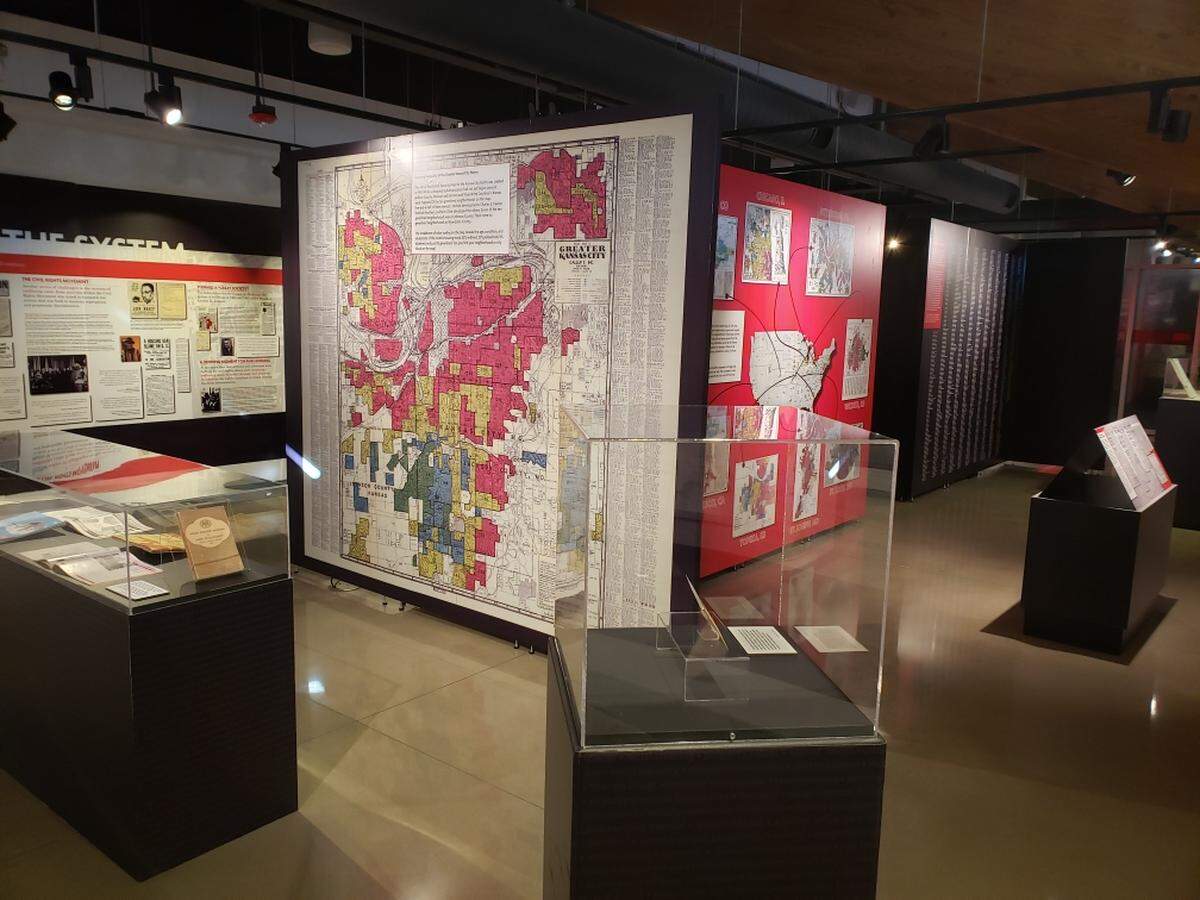
Eventually, more than 22,000 words covered the museum’s walls, and curators used a large red font to separate out some words to break the information into chapters. National maps highlighted which cities in the U.S. used redlining policies and viewers could look for their zip codes to see if their neighborhood had any policies in place that racially restricted people from living there.
“It’s a story that is so connected to the development of Johnson County post World War II … as well as the suburbs all across the nation,” McMurray said.
The exhibit highlighted racially restrictive covenants, which didn’t allow communities of color to buy, own, use or rent properties often in suburban neighborhoods, including some in Johnson County.
The policies affected how much investment went into neighborhoods, with impacts that can still be seen today. In historically redlined neighborhoods, residents tend to have shorter life expectancies by about 18 years, less tree coverage in communities, and lack of access to health care, food or transportation.
Despite the exhibit’s success, McMurray said there are still many stories to share about redlining.
“Even with 22,000 words in the exhibit, it was a bigger story than one institution could tell, and we knew that immediately,” McMurray said. “We knew that we were only telling the policy of a history, we weren’t telling the history of the people and the impact of it.”
“We still have a long way to go and we’re still working with our community, we’re still listening and we want to hear more about how we can do better. But I think it helped us serve more of our community by telling this important history.”