Lenexa approves plan for 50 affordable homes despite hours of testimony, lawsuit
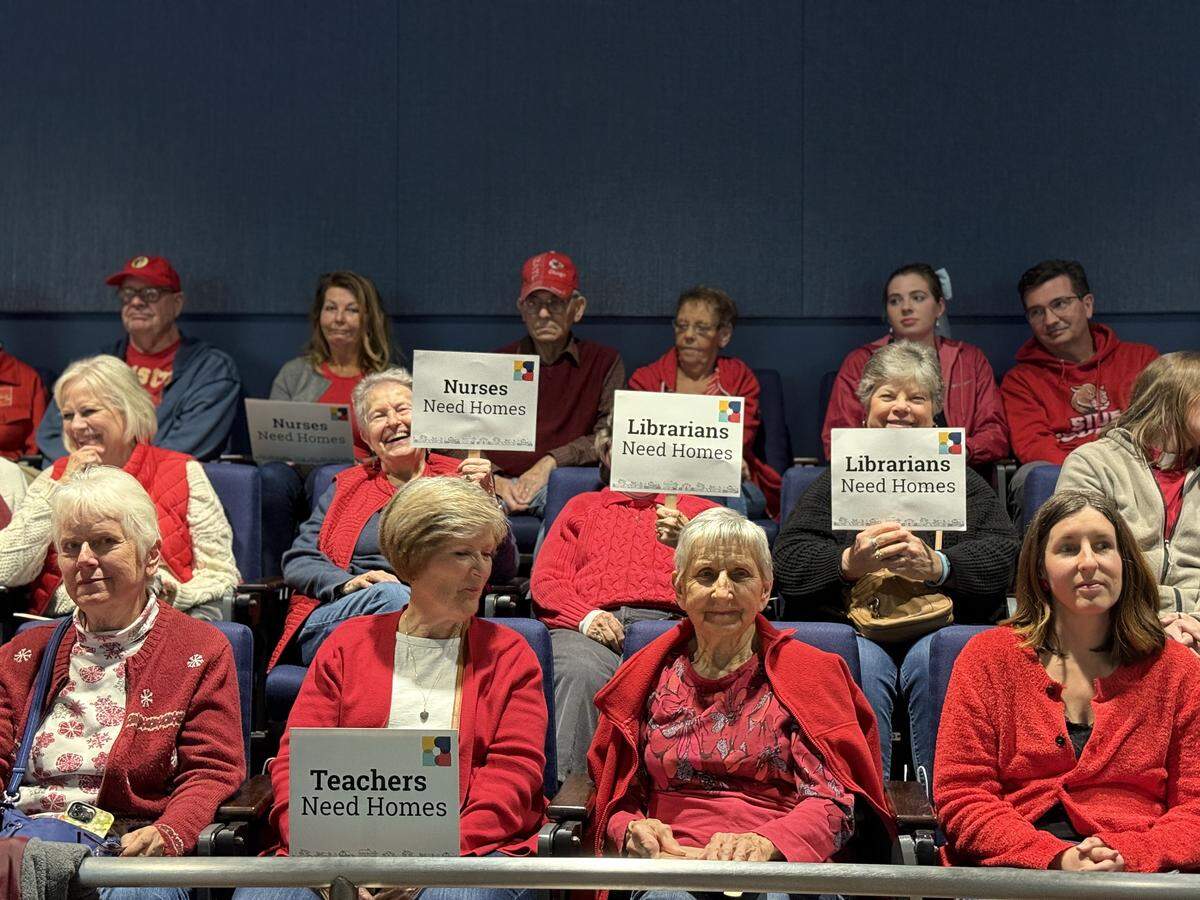
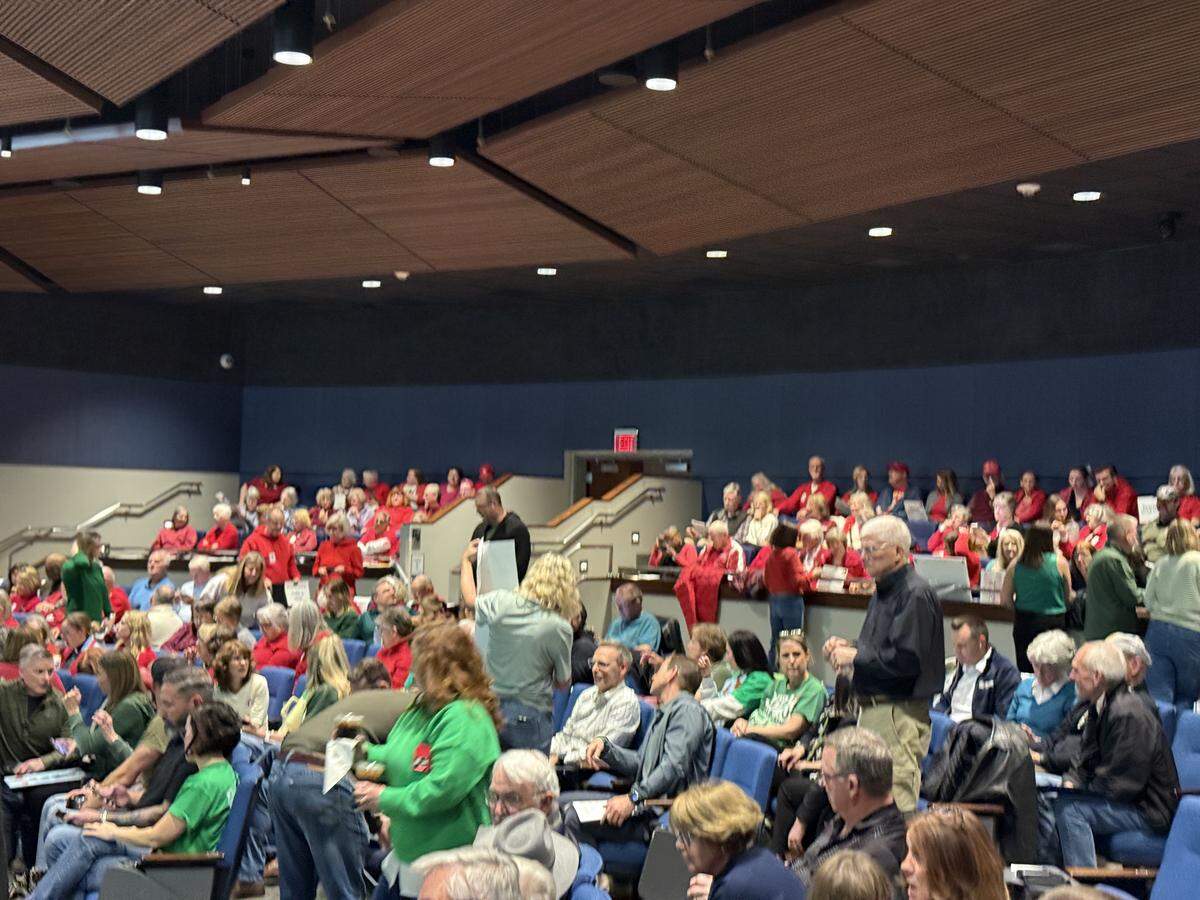
Clusters of residents wearing red and green shirts filled the Lenexa City Council chambers to capacity on Tuesday night — with those in green advocating to preserve a beloved sprawling natural area and those in red supporting Habitat for Humanity Kansas City’s affordable housing project on the docket for council approval.
After the council’s vote, the residents wearing red left happier than those in green.
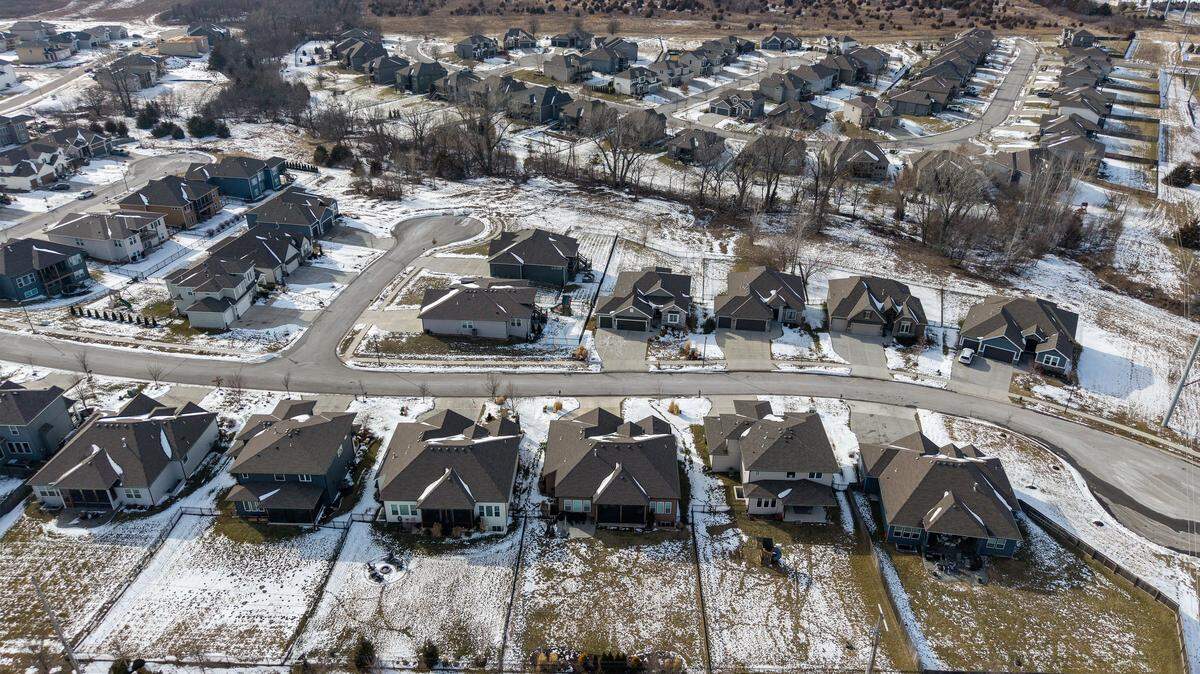
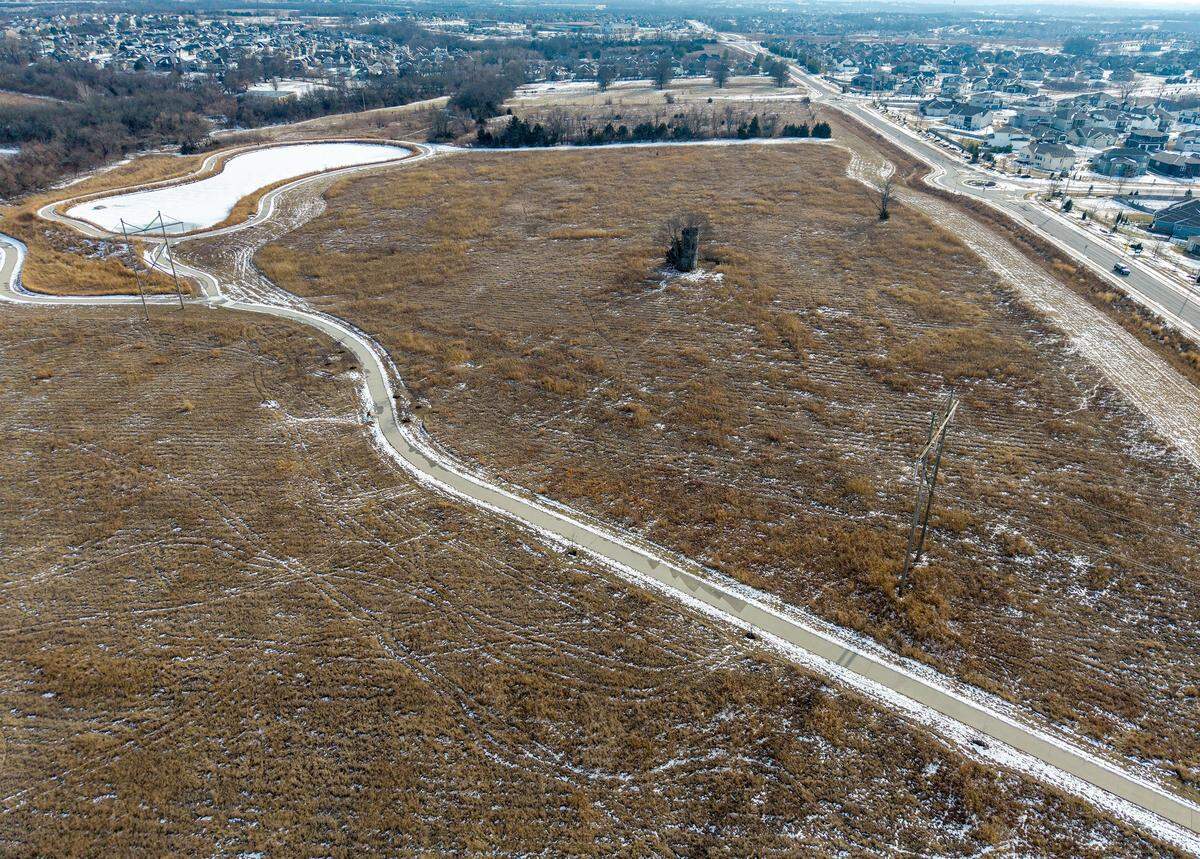
Habitat for Humanity’s proposal requests to build 50 affordable, single-family homes on 17 acres of land off Clare Road near 86th Terrace in western Lenexa. The project uses a community land trust model to preserve the homes’ affordability, similar to a recent project in Olathe.
Before Habitat for Humanity’s proposal came forward, the city-owned, 127-acre property sat untouched for years. Over the course of decades, the city built wetlands as part of a stormwater management facility and trails for a future park, but the city always eyed development in the area, Community Development Director Scott McCullough said.
The project drove folks on both sides en masse to the City Council meeting on Tuesday night, with 99 people speaking for nearly three hours about their concerns or excitement around the project — nearly doubling the number of speakers during a lengthy Planning Commission hearing earlier this month.
A little after 2 a.m., the Lenexa City Council voted 6-2 — with Ward 2 Councilmembers Bill Nicks and Mark Charlton dissenting — to pass the necessary rezoning and development plans to build the housing project.
“We are deeply grateful to the Lenexa City Council for voting to approve the rezoning and purchase agreement for Habitat for Humanity of Kansas City’s Clear Creek Development,” said Melissa Jones, Habitat for Humanity KC’s vice president of development.
“Their leadership reflects a strong commitment to ensuring Lenexa remains a community where families can live, work, and build their futures.”
Support and opposition
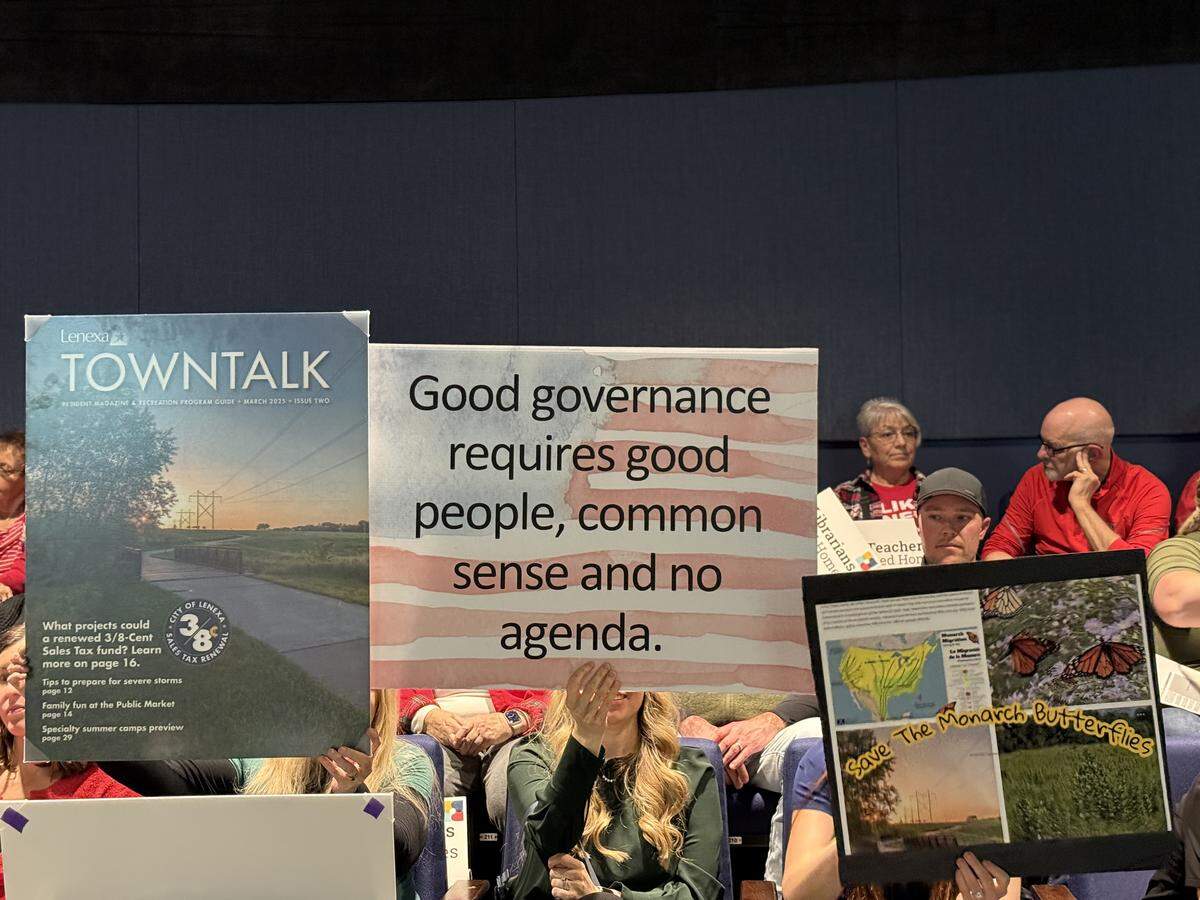
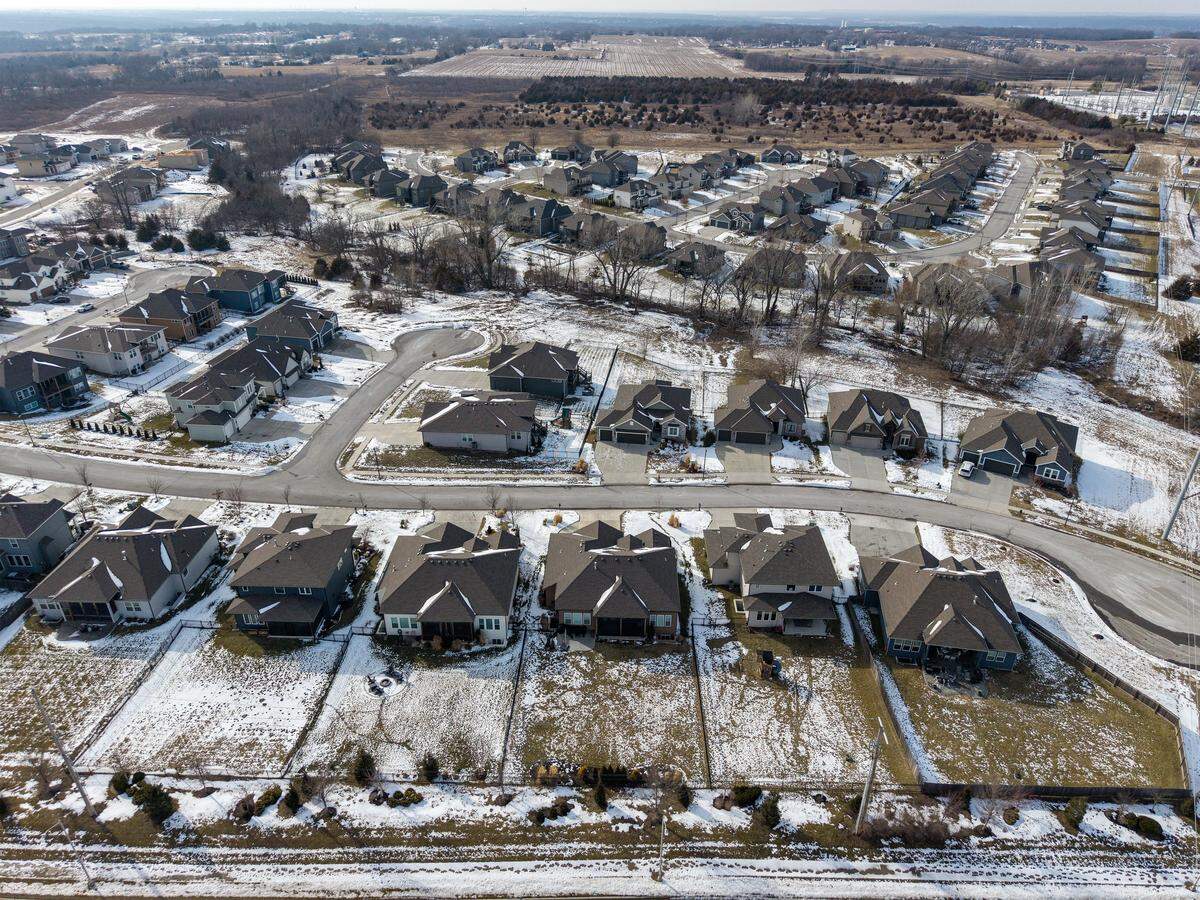
Neighbors in opposition to the project claimed that the proposal would decrease their home values, expressed concerns about the loss of outdoor space and challenged the premise that Lenexa should create affordable housing options for families in city limits.
“I don’t want any houses in this green space. I don’t care if they’re low income houses or million-dollar homes …We love the space the way it is: nature-focused,” resident Darchelle Vajen said during public comment.
“I support affordable housing, but I think this project is horribly placed for many reasons, but the main reason is you are taking away something that already has a purpose.”
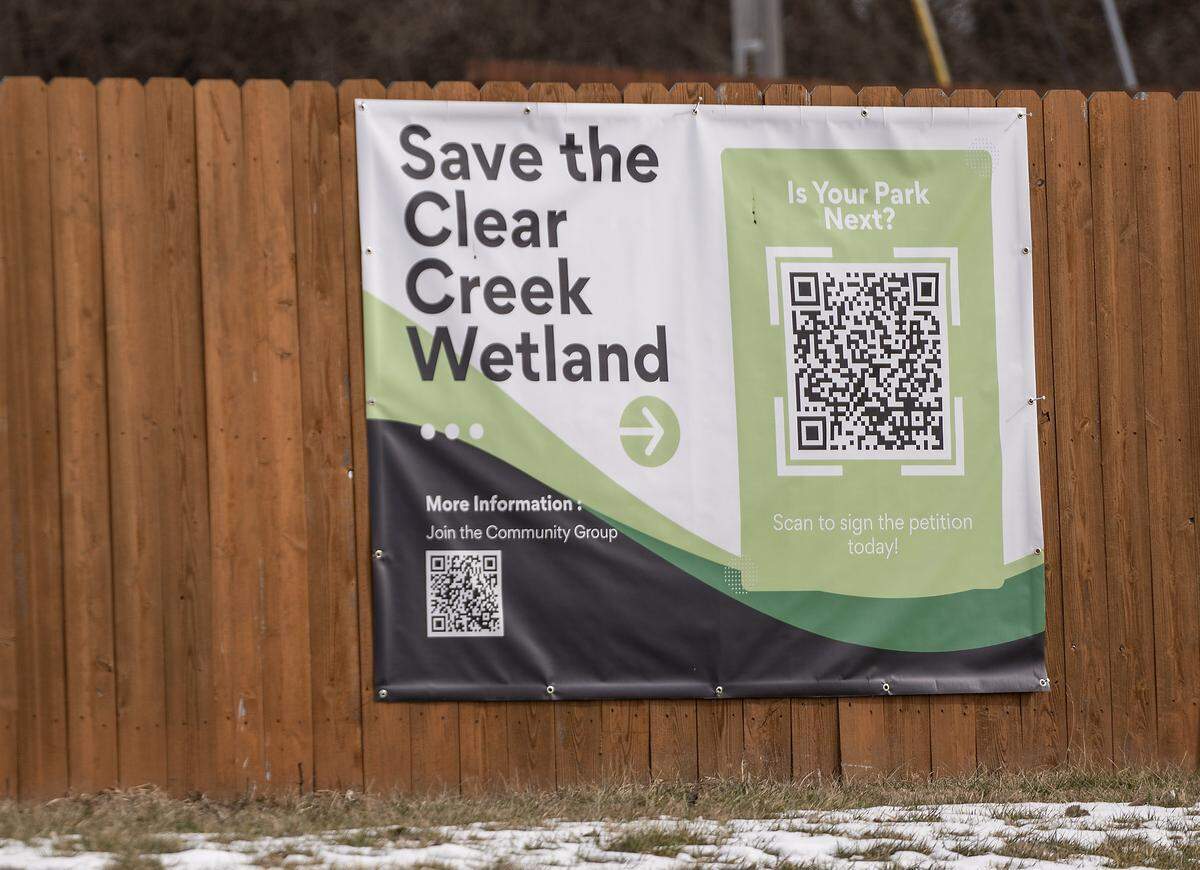
Councilmembers Nicks and Charlton said they opposed the project because the homes wouldn’t fit the character of the site’s surrounding neighborhoods and advocated that the council should listen to the 1,900 neighbors who signed a petition in opposition, calling for the city to preserve the open land for greenspace.
“The Lenexans are for Habitat for Humanity, but we as a council need to also be for our citizens that currently live in Lenexa,” Charlton said. “So I adamantly feel that we as a City Council need to reassess things, we need to stop this thing all at once and really evaluate what we’re going to do as a City Council.”
Council members who supported the proposal said that the project could be a tool for residents to be able to access homeownership at a time when Johnson County’s affordable housing supply is dwindling.
“Our choice tonight is to be leaders and to decide whether we’re going to solve housing problems or not because delaying further doesn’t solve any attainable housing problems, it only continues this conversation and it conveys to the world that we aren’t sure, still, about how we’re going to handle that problem,” Mayor Julie Sayers said.
“I will be the first one out there with a hammer to build Habitat for Humanity homes.”
The proposal
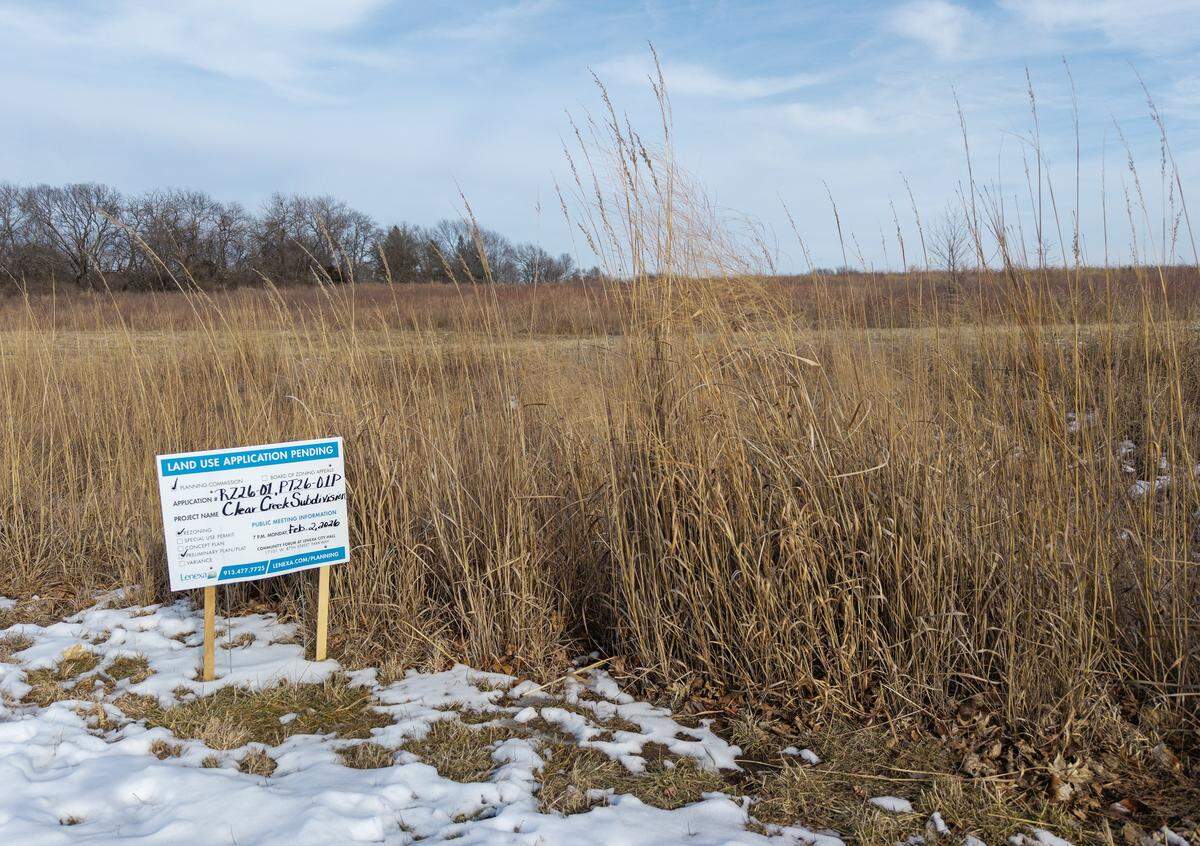
Known as the Clear Creek subdivision, Habitat for Humanity proposes to build 50, 1,300 square-foot to 2,000 square-foot homes with five distinct floor plans that will all feature two-car garages, covered front porches, rear patios and decks. The neighborhood will feature pickleball courts, basketball courts, a playground and connections to the existing trail system.
Habitat for Humanity Kansas City CEO Lindsay Hicks said she anticipates the homes’ appraised values will range between $245,000 to $280,000.
Homes will remain affordable because they will be built on a community land trust — in which Habitat for Humanity owns the land and issues a 99-year ground lease with the homebuyer.
The nonprofit also acts as the lender — offering a 30-year mortgage loan with 0% interest, and monthly payments are no more than 30% of an individual’s monthly income.
Since its presentation to the Planning Commission earlier this month, Habitat for Humanity has been averaging seven to nine inquiries per day “on how to become a homeowner at this particular development,” Hicks said.
Before entering a home, individuals work with a U.S. Department of Housing and Urban Development counselor in order for Habitat to learn about income levels and if they’re able to maintain mortgage payments. The project is aimed at families making between 50-80% of the area median income.
For a family of four in Johnson County, median incomes range between $55,700 and $89,100 per year, according to HUD.
Additionally, qualifying homeowners must have access to transportation from the proposed neighborhood, one year of good rental history, two years of verifiable income, less than $1,000 in non-medical collections, two years since completion of a bankruptcy or foreclosure and zero unpaid judgements.
They also need to pass a criminal background check and sex offender check, and they have to be a U.S. citizen or permanent resident.
When homeowners are ready to move, they get 100% of their equity, but Habitat caps the market appreciation they gain at 25% — which is what allows the nonprofit to sell the home for an affordable price in the future.
‘A handout’
But many residents pushed back on the claims that this project was necessary for Lenexa.
“I’m a mother of two children, a single mom at one point. I raised those two kids, I took double-shifts, I bought a home on my own,” Lenexa resident Julie Spatz said during public comment.
“I can do this, others can without a handout. This is a handout. I don’t get it, I was able to do this. You are not going to help these people, they are not going to get any equity to further move on or up … It’s not going to help at all.”
City Councilmember Charlton called the claims around an affordable housing shortage “a misnomer.”
“I’ve got a son — and I think he’s going to be proposing to his girlfriend in the not-so-distant future — and they’re concerned about where they’re going to buy a house,” he said. “But not once did they say … they were looking in Lenexa. They were realistic and they’ve been looking elsewhere.”
Home values across Johnson County have steadily increased over the years — with Lenexa seeing a 53% increase between 2019 and 2024. The average sale price in Lenexa in 2024 sat at $556,713, according to Johnson County appraisal data. In 2018, it was $349,913.
Oftentimes, homes that are considered attainable for first time buyers or residents looking to downsize sit at $300,000 or less.
But residents, like Travis Keller, recognized the housing market has changed since a lot of Lenexa homeowners bought their homes, and supported housing options at lower costs within the city limits.
Keller, a primary care doctor at Advent Health off Prairie Star Parkway, said that the health care facility is struggling with nursing retention due to nurses not having access to nearby affordable homes. Habitat for Humanity’s project could give nurses closer options to work and help Advent Health keep people on staff for longer periods of time.
Fellow Lenexa resident and PhD student Gentry Griese said that she and her partner have had a hard time trying to find a home they can afford in Lenexa.
“We have worked hard to be responsible with our finances,” she said. “Because we are early on in our careers, we are not qualified for a loan to buy a home in Johnson County … in reality many hard-working, young professionals simply do not have the range of affordable housing options.”
While the City Council’s green light gave Habitat for Humanity final approval to move forward, residents opposed to the project filed a lawsuit in Johnson County District Court.