De Soto approves tax incentives for major expansion of animal health company
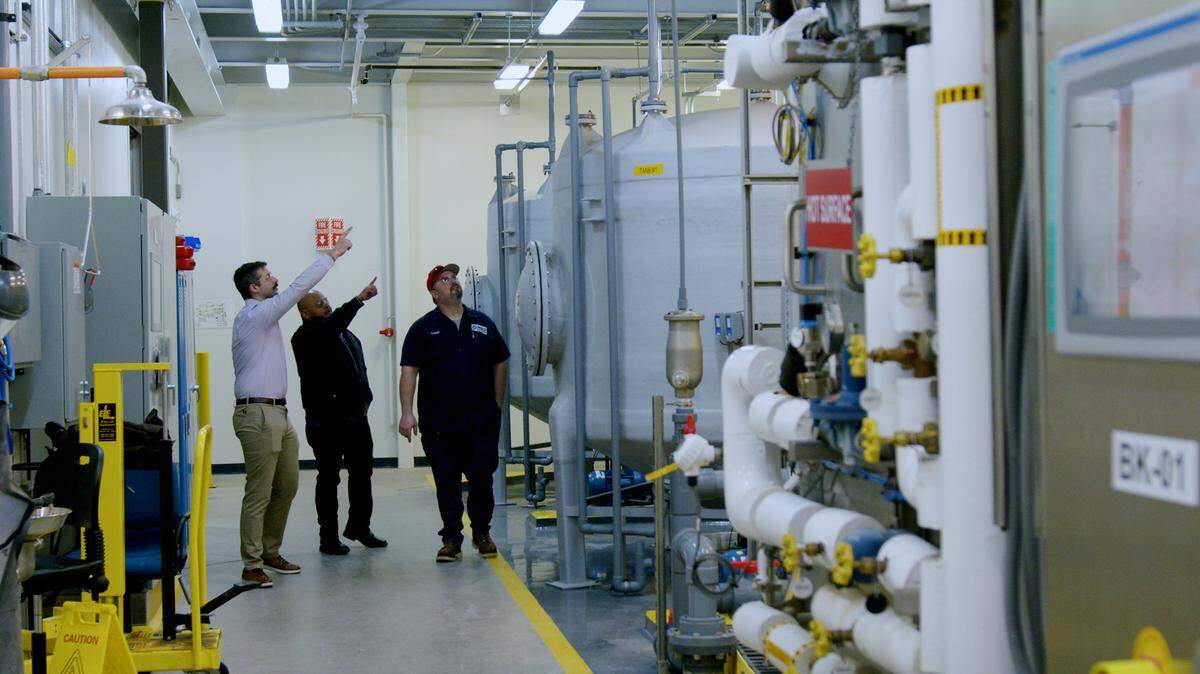
As part of an effort to grow its footprint in western Johnson County, the De Soto City Council unanimously passed tax incentives for Merck Animal Health to expand its manufacturing facility.
Earlier this summer, the veterinary science company and Gov. Laura Kelly announced an $895 million expansion property at the company’s current manufacturing facility on West 91st Street in De Soto. It was the second largest private investment in Kansas history and it pledged to create more than 200 full-time jobs once operational.
Also known as Intervet, the company first came to De Soto in 2001 at its 150-acre site. At the time, the operations were supported by a $40 million Industrial Revenue Bond, the beginning of Merck’s relationship with the city, according to the staff report.
With its expansion on the line, Merck requested the city to issue future bonds not to exceed $985 million and an 85% property tax abatement — meaning that the company would be exempt from paying 85% of its total property taxes on the land where the expanded facilities will be located, according to the city staff report.
Additionally, Merck will receive a sales tax exemption on materials and a 30% reduction for any building permit fees needed for the expansion.
The bonds will help Merck complete four phases to ultimately build the 240,000-square-foot development on its campus, Merck Managing Member Jeff White said in a letter to the city.
The expansion’s first phase is for a 40,000 square-foot commercial facility and its contents, which will be paid for with $52.3 million in bonds, which will be issued before the end of the year, according to the staff report.
“Consistent with Merck’s application, we assumed that individual phases within the project would each receive 10-year property tax abatements at an 85% abatement of eligible levies,” White said.
There will not be a public hearing for future tax abatements, City Attorney Patrick Reavey said. Instead, as the different phases come around, the city will pass an ordinance and “new pilot agreement.”
Merck currently employs about 300 people and produces more than 400 products that are distributed to 35 companies. About $860 million will go into the site’s existing 200,000-square-foot manufacturing facility to expand filling and freeze dryer capacity for large molecule vaccines and biologic products for the company. The remaining $35 million will be allocated to enhance its research capabilities.
Merck anticipates the project will take approximately six years to complete, resulting in the final abatement estimated to expire after the 2040 tax year. Commercial manufacturing is expected to begin in 2030.