
Problems in your fall vegetable garden can make it a pollinator paradise
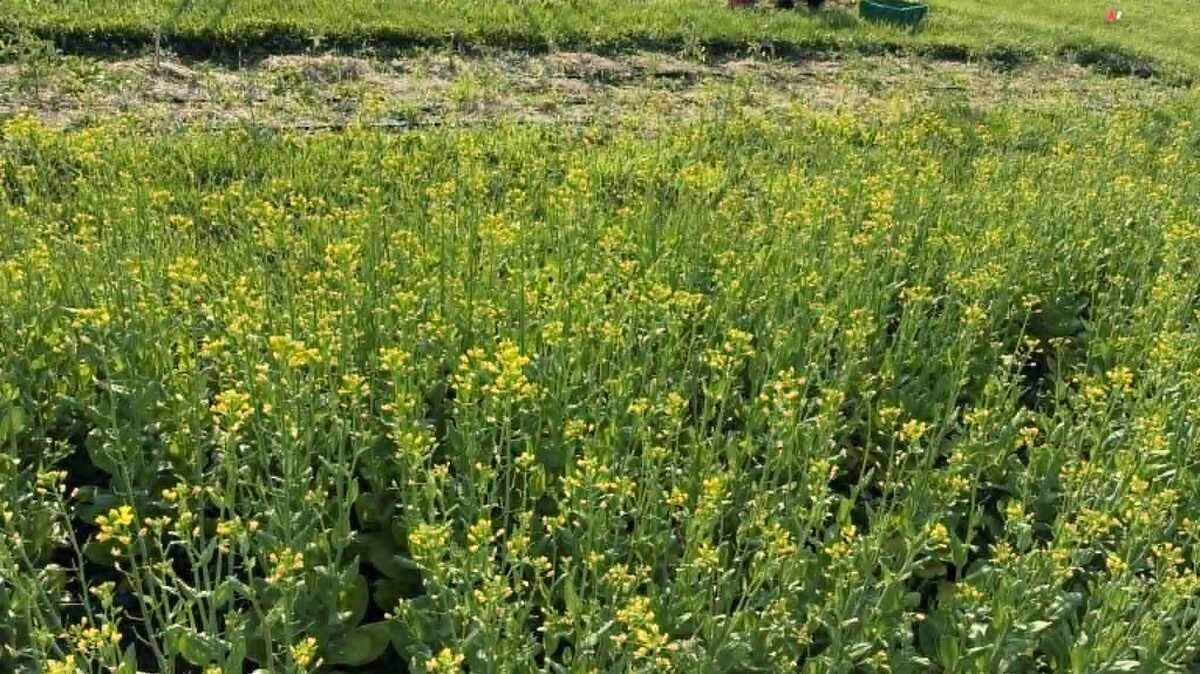
Often, when one considers what is growing in their fall vegetable garden, their first thought isn’t about pollinator support.
With a full production season behind them, gardeners are much more likely to be focused on squeezing one last harvest out of their garden spaces, making every minute of the growing season count.
But what if they could do both? Many crops commonly grown in the limited timeframe of fall gardens also tend to bolt if the environment is right. While a nuisance for gardeners, in this nuisance lies opportunity.
Common fall crops that benefit pollinators
From kale, bok choy, and collards, to broccoli and Brussels sprouts, to radish and turnips, these crops are valuable fall food sources that produce well into the end of the growing season in the KC area.
As avid gardeners know, however, fall weather is unpredictable, with dramatic temperature shifts that can often lead to unforeseen results, including slowed growth, wilting, and, in some cases, bolting.
Understanding bolting in cool-season vegetables
Bolting in cool-season vegetables is caused by an influx of heat, which triggers a stress hormone that tells the plants, “Flower now! Reproduce before you’re dead!”
While this is a bane to many gardeners (bolting often renders plants bitter, woody, and inedible), in this strife also lies opportunity for those gardeners aiming toward environmental stewardship.
Bolted crops are fall food source for pollinators
While bolted crops are no longer ideal for eating, pollinators preparing for winter will look for every food source they can get, padding their carbohydrate stores for the long haul in the bitter cold. This, in turn, means that you don’t necessarily need to pull or discard those bolted plants.
Instead, you can leave the flowers in place when other blooms are generally sparse, sustaining local pollinators while drawing them in toward your garden for next season.
Balancing soil health and pollinator support
Of course, there’s a balance in this practice as well.
Fall is also the time to be testing soil, a service provided through your local Extension office, and then incorporating any heavy-duty soil amendments (such as raw or aged manure) into a garden’s soil profile, allowing ample time over the winter for the nutrients to integrate, pathogens to die off, and the nutrient levels to mellow to a plant-usable state.
Luckily, this practice can still be done in the window that succeeds late fall die-off and precedes a heavy freeze.
Protecting pollinator habitat through garden cleanup choices
The tricky part is protecting those pollinators that are drawn in, as many nest in the ground.
Ideally, gardeners will provide other nearby nesting areas outside their vegetable gardens. While it is generally recommended to clear vegetable gardens at the end of a season for soil preparation and to reduce pest and disease retention, ornamental beds are prime candidates to leave in place until the next growing season.
Doing so, gardeners will provide prime habitat for resting pollinators, while keeping the intention of their production gardens in check.
So, remember, as you wrap up this gardening season, even the challenges and setbacks in gardening can serve a useful purpose. Watching your plants bolt may still be upsetting, but you’ve provided an excellent bonus food source for your pollinators.
Want to discover more about pollinators and the plants they depend on? Join us for the Hasta Luego Monarch event on Saturday, Sept. 27, from 9 a.m. to 1 p.m. at the Olathe Pollinator Prairie at 320 South Blake St., Olathe. Celebrate the monarch migration, explore pollinator-friendly gardens, learn about water quality, rain barrels, and more. Connect with resources to help you support these vital species in your own backyard.
Anthony Reardon is a horticulture agent with Kansas State University Extension, Johnson County. Have more questions? Contact the Johnson County Extension gardening hotline at 913-715-7050 or email garden.help@jocogov.org.