You now have more options to use educational savings accounts: What to know

The massive federal budget bill that recently passed Congress has blessed 529 plans. Many clients contribute to their children’s and grandkids’ 529 accounts. Young adults can open and save in their own 529.
But these are no longer just for college. They’re no longer just for young people. Want to pay a broad array of educational expenses, trade and professional licenses, continuing education classes with tax-advantaged dollars? Open a 529 account for yourself.
Here are the two biggest benefits:
You contribute after-tax money. The funds grow and are not subject to tax; withdrawals are tax-free if they’re used for qualified expenses.
You can get a state tax deduction. Over 67% of states at least give you a state tax deduction for contributing to your state’s 529 plan. The Saving for College website 1 explains each state’s benefits.
Withdrawn funds from a 529 are tax-free if used for qualified expenses, which is a broad list now. What are those? Not just college. You can take up to $20,000/year out for K-12 expenses such as:
- Tuition to public, private, religious schools
- Expenses for curriculum materials, textbooks, online education materials
- Tutoring (tutor can’t be related to the student, must meet some qualifications)
- Fees for standardized tests (like ACT, SAT), AP exams, college admission exams
- Dual enrollment fees for postsecondary programs (college courses taken in high school)
- Educational therapy for disabled students (speech therapy and more)
Withdrawn funds are tax-free if you use them to pay expenses at college or at vocational schools or in registered apprenticeship programs:
- Tuition and fees, including for standardized tests
- Books and supplies (also tools, equipment for vocational schools and apprenticeships)
- Computers, software and internet access
- Room and board (even if the student stays at home); not allowed for apprenticeships
- Special needs equipment and services
- Student loans up to $10,000 (lifetime) per borrower.
Better yet, qualified expenses now apply for most post-graduate programs, most professional schools (master’s, medical, law, business, cosmetology) and trade certification programs (where you intend to get a credential or an eligible occupational license):
- Tuition, fees, books, other required expenses
- Fees for exams to obtain the credential (certifications for trades – plumbing, cosmetology, etc.)
- Fees to maintain the credential (continuing education requirements)
As a CPA I paid a fee to sit for the exam. I could have paid that from a 529 account. CPAs are required to study and earn 40 hours of continuing education each year. I could pay for those classes with “tax-free earnings” in a 529, if I chose to set up a new 529 account for myself. Conferences are not cheap! As a CERTIFIED FINANCIAL PLANNER, I’m required to have 15 hours of continuing education annually – that can now be paid from a 529 I could setup.
529s can also be tapped to fund the beneficiary’s Roth IRA account. Up to $35,000 of those Roth contributions can come from a 529 account. That helps in a young adult’s early years when they’re earning a paycheck, but money is scarce. There are certain requirements.
How can you use this? If you are facing a career where you’ll sit for an exam to get your credential, apply for a license to get that credential and have ongoing continuing education requirements, consider a 529 for yourself. You can be owner, custodian and beneficiary.
If a family member has a 529 account with unused funds, position it; you can rollover the balance to a family member (that could be you). And the circle is wide! An eligible family member includes a 529 belonging to a: spouse, child, stepchild, foster child, father/mother, son/daughter-in-law, father/mother-in-law, aunts and uncles and their spouses, nieces and nephews and their spouses, even first cousins and their spouses.
Want a deeper dive? Here’s an excellent podcast from a favorite of mine, the Massachusetts chapter of the Financial Planning Association. They recently interviewed Saving For College’s Chris Stack.
With this added flexibility, 529 accounts are a smart move for far more than just college. You can avoid paying taxes on the dollars you’re using for many education-related costs during your lifetime, whether it’s for you, your spouse or your family.
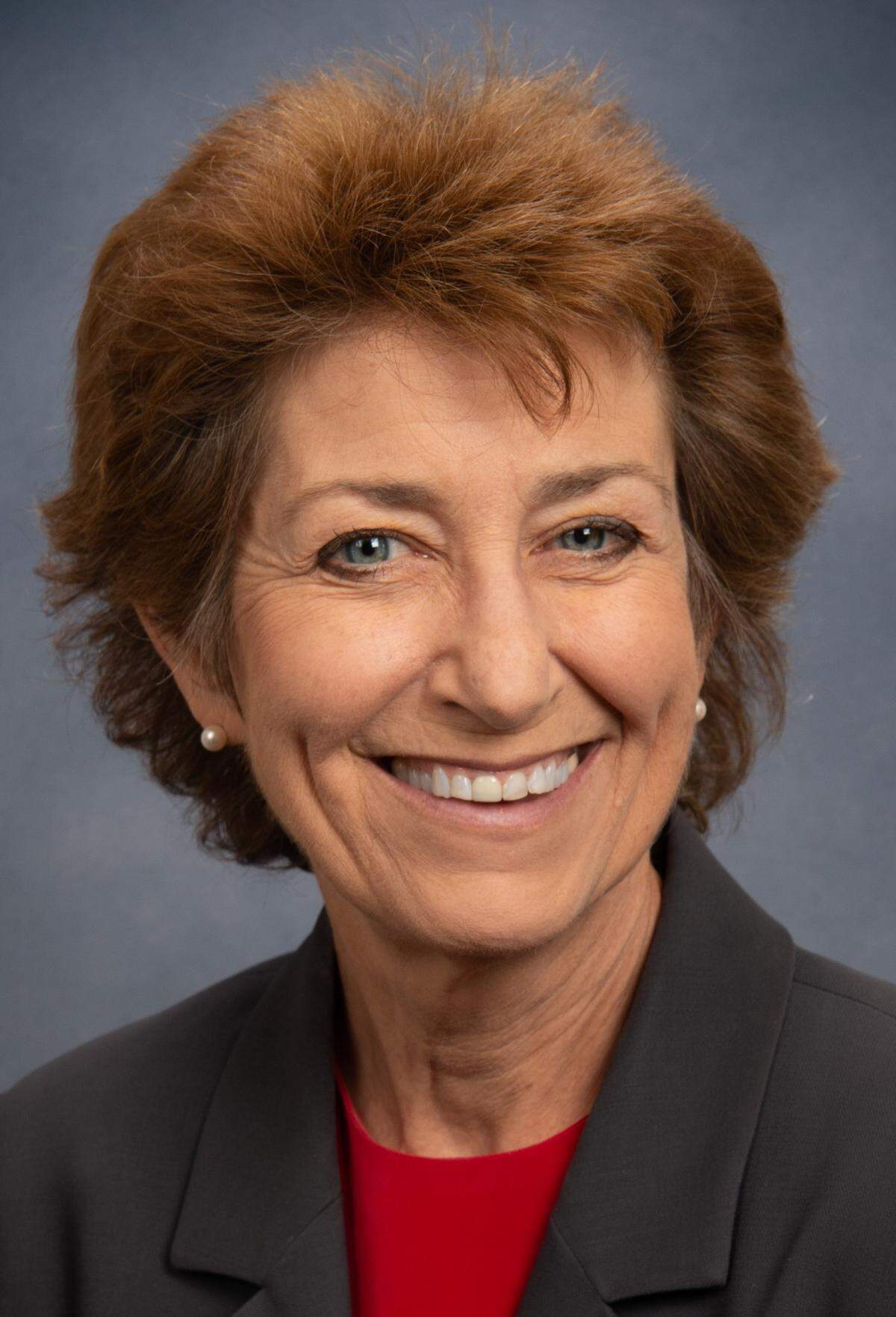
Sandi Weaver, CPA, CFP, CFA provides financial planning and investment management through Weaver Financial in Mission. She is a member of the Missouri Society of CPAs and the Financial Planning Association of Greater Kansas City. She holds the Chartered Financial Analyst designation, the benchmark of professionals in the investment field.
Do you have financial topics or questions you’d like answered by a CFP® professional? If so, submit your question or topic to KCFPA@gmail.com and your topic/question may be featured in a future article!