
Student loan forgiveness dreams dashed? Before you panic, consider these programs
The Supreme Court dealt a blow to many federal student loan borrowers by striking down the Biden administration’s plan to forgive much of their debt. The rejected plan would have forgiven up to $20,000 for eligible borrowers, although many would have only seen $10,000 remitted.
Unfortunately, many borrowers received an email confirming forgiveness approval from the Department of Education before the program was paused. These borrowers planned on forgiveness but must now revise their budgets to pay based on the entire balance.
Various media outlets have written dozens of articles on whether this opinion from the Court was right or wrong (largely influenced by political alignment). But the stark fact is the opinion is now published, and the decision has been finalized. Biden’s student loan forgiveness plan is no more, even if he does (and will likely) try to grant student loan relief through other measures. The obvious question for many federal student loan borrowers is: What is the path forward?
As a college and student loan planner who works with many advisors and their clients, I offer three suggestions to federal student loan borrowers:
The first suggestion is to revisit your monthly budget. For more than three years (since March 2020), qualified federal student loan borrowers have not been required to make any payments on their loans, which were set temporarily at 0% interest.
With the Supreme Court’s opinion now disseminated, student loan payments are set to restart in October, with interest accruing starting Sept. 1. Although loan servicers will undoubtedly send notices to borrowers before payments resume, adding a new line in the budget can be a financial shock after so many years.
Plan to chart October’s budget now and ensure it can handle the transition. You might need to shift financial obligations to be ready for the restart later this year.
The second suggestion is to take a hard look at your repayment options. Most federal student loan borrowers are in the default, standard repayment plan. This plan sets payments based on paying off the loan in 10 years. However, this is typically only the best financial decision if the eventual goal is to pay off the loans, assuming you can even afford the payments. If you cannot afford payments, or the goal is to obtain forgiveness through a program like the Public Service Loan Forgiveness Program, an Income-Driven Repayment Plan is likely the better option.
Although the current IDR plans are quite robust, the Biden Administration recently released details on a new plan called Saving on a Valuable Education (SAVE). The new plan is a sweetheart deal. Although the details of any IDR plan are complex (one of the many reasons clients search for a student loan planner), the core components are more beneficial than the plans on the books. Perks include higher income protections, lower levels of discretionary income allocated to loan payments, no monthly interest charge beyond the calculated payment, and shorter forgiveness timelines. You might have to take action to enroll in this plan. If you’re in Revised Pay as You Earn (REPAYE) you will be moved to SAVE automatically.
The final suggestion is to learn more about current federal initiatives to help student loan borrowers. Although most of the spotlight was on the larger federal student loan forgiveness program, many other initiatives exist to help borrowers gain a reprieve. Several of these programs have deadlines and require action on the borrower’s part to enroll.
These include Public Service Loan Forgiveness for nonprofit, government and military borrowers; profession-specific and geographically contained loan forgiveness programs (i.e., for teachers or those living in rural counties); borrower’s defense to loan repayment (focused on discharging the debt of students who enrolled in predatory schools or engaged in fraudulent practices); and the Income-Driven Repayment Plan payment recount adjustment. Although Biden lost this round of the battle, he has generally been winning the fight against student loans with some of these other initiatives.
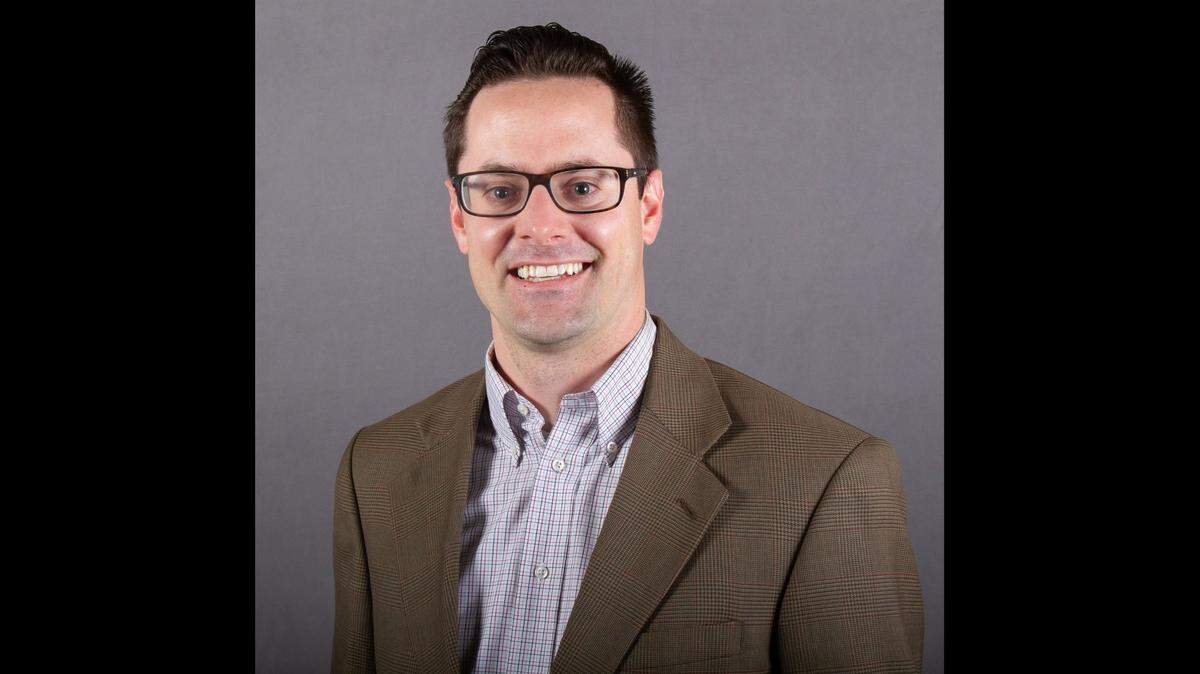
Jason Anderson is a CERTIFIED FINANCIAL PLANNER professional and member of Financial Planning Association of Greater Kansas City. He is the owner of Gradmetrics, a college and student loan planning firm, and is a Certified Public Accountant (CPA) in the State of Kansas.
This story was originally published July 12, 2023 at 5:00 AM.