
Looking for employee-owned companies? Many are nestled in the Kansas City metro area
Take a look at the list of the largest employee-owned (ESOP) companies and you will see an oversized representation in the Kansas City metro. By employee count, our home city has four out of the top 25.
Two companies, Burns & McDonnell and Black & Veatch, are in the top 10. The top 50 has even more recognizable names. These companies, and the ownership structure that they have adopted, have created massive amounts of wealth in our community.
My firm, Keen Wealth Advisors, was proud to participate in the National Center for Employee Ownership (NCEO) 2023 Annual Employee Ownership Conference, which was held here in Kansas City in May. We spoke with leaders in the field from all over the U.S. and spoke about our employee wellness programs for these companies. It was amazing to see the excitement and momentum right here in our hometown.
ESOP stands for Employee Stock Ownership Plan, and at a high level it is precisely what it sounds like. This program allows employees of a company to have a literal ownership stake in the enterprise through shares of stock within their retirement accounts. Over the years, we have worked with many current and former participants in these plans and can attest to their wealth-building power. Long-term employees of these firms often have substantially more retirement assets than their peers.
ESOPs can take different forms and come into being in different ways. Broadly speaking, when the original owners or shareholders of an organization are looking to sell, an ESOP is a great option to consider. A trust is set up with the benefit of the employees in mind, and in most cases a loan is used to purchase the shares. As the loan is paid down over time using company profits, shares are released to employees.
In Kansas City, many of the larger ESOPs are in the architecture, engineering and construction space. However, these companies exist in nearly every major sector across the country. For those who enjoy escaping the winter cold to Florida, you have almost certainly patronized the largest ESOP company in the country by employee count: Publix supermarkets.
Why do so many employees choose to work and build wealth at these companies?
Money isn’t everything, but companies that offer ESOPs do have substantially lower rates of turnover (10.8% versus 27.1% non-ESOPs from National Center for Employee Ownership data). We believe it comes down to having skin in the game. When you own something, you take better care of it. If you know that higher expenses will impact your retirement account, you might think differently about a business trip and you might stay a little later to help get a project to completion.
Another reason many ESOPs have such strong financial performance over time is tax related. There is strong governmental support for this ownership structure, and in the case of 100% employee-owned companies taxed as an S corporation, no federal taxes are due on U.S. based profits.
As you might expect, employee ownership has powerful advocates in our community. Greg Graves, the former president, CEO and chairman of Burns & McDonnell, wrote in his book “Create Amazing” about how the company became a 100% employee-owned firm. He also detailed how this ownership mentality has the potential to drive massive economic growth in the decades to come and address many of the challenges around wealth equality in our country.
Graves spells out how this is not a partisan issue:
“Nearly everyone values Employee Stock Ownership Plans (ESOPs) since they offer a means for wealth creation through hard work, ultimately bolstering America’s competitive advantage. Simultaneously, ESOPs are celebrated as an innovative solution to reducing wealth inequality, especially for working-class American families who are most in need.”
My work intersects with these companies primarily through the individual participants in these plans, many of whom have decades of experience. As they near retirement, the unique characteristics of ESOPs lead to a need for careful tax and retirement distribution planning.
In many cases, the success of these firms leads to much larger balances than employees could have imagined, and a multitude of financial planning strategies should be assessed to maximize what retirees can access from accounts after taxes. We encourage ESOP participants to engage with fiduciary financial advisors, as well as qualified tax professionals, when making these decisions.
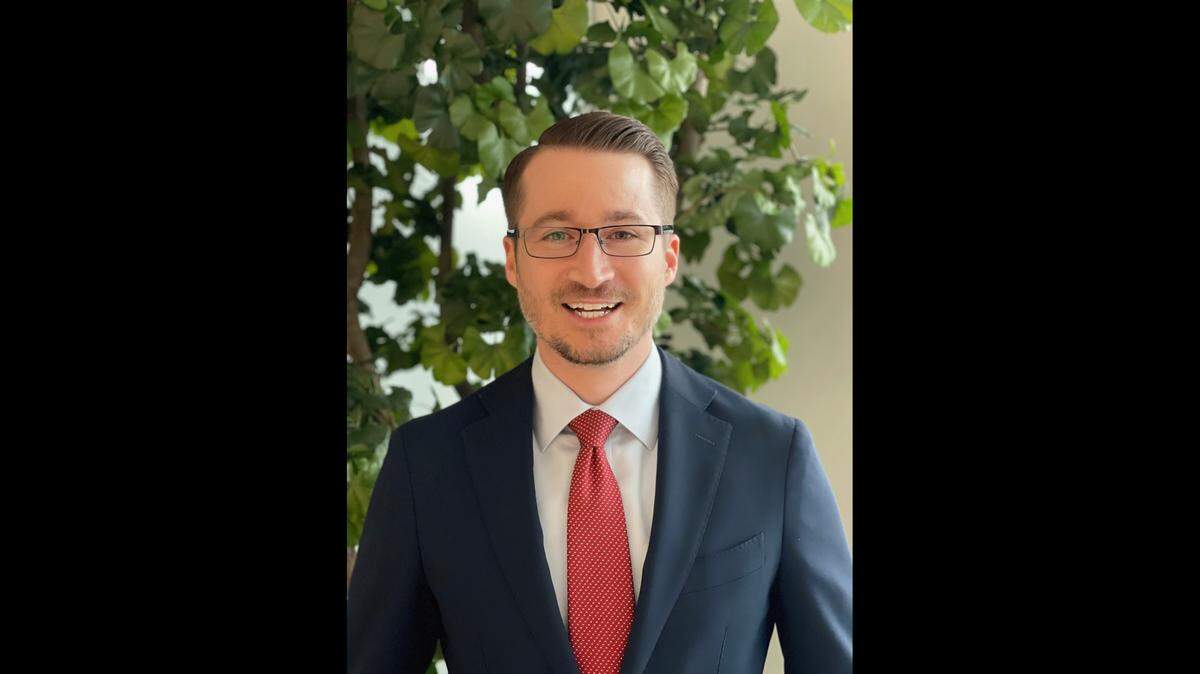
Jesse Bunse, CRPC, is a Certified Financial Planner professional and a member of Financial Planning Association of Greater Kansas City. He is a partner and senior financial planner with Keen Wealth Advisors, an SEC registered investment advisor in Overland Park.