
Trees in Overland Park are in danger due to this pest. Here’s how the city is coping
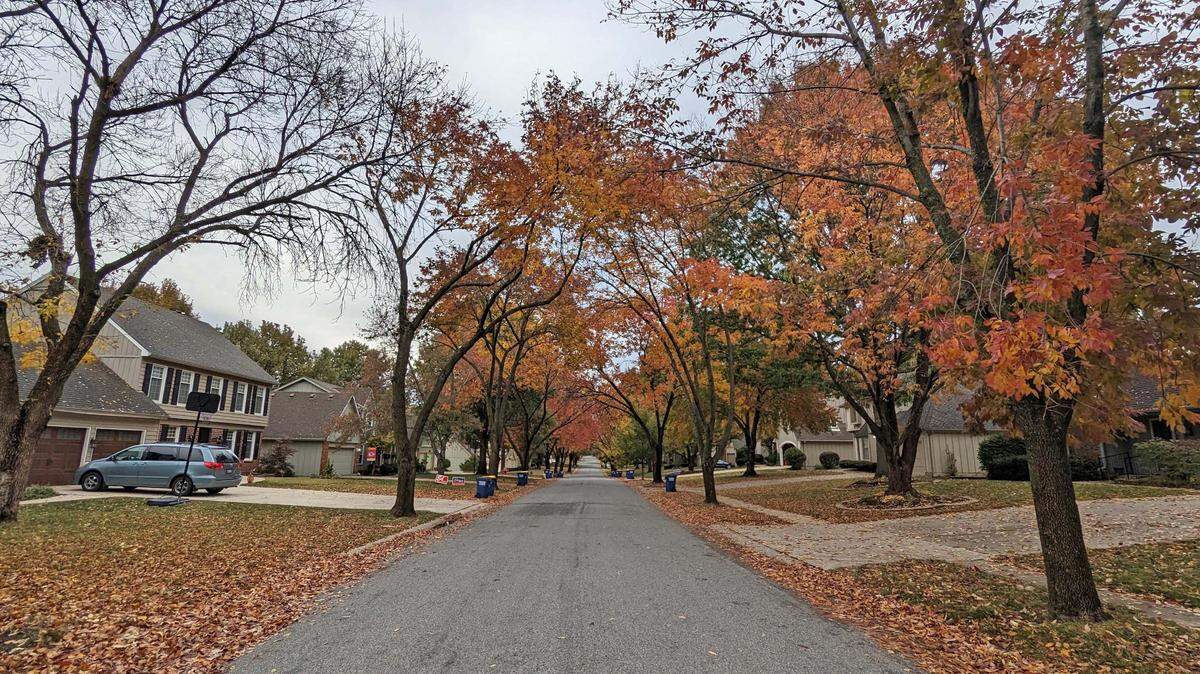
It would seem the emerald ash borer is enjoying Johnson County, and the city of Overland Park is taking action to eradicate it in a new way. Later this year, the city will begin an ash tree clear-cutting program in some neighborhoods.
Currently, the city estimates between 8,000 and 11,000 ash trees still stand in Overland Park. Until now, the procedure has been to remove trees as they become too damaged to safely stand, which means about 500 per year are taken out.
That plan isn’t cutting it anymore, according to city forester Bailey Patterson.
“(We’re) just physically incapable of keeping up with the pace that they’re declining,” Patterson said.
The normal annual budget for removing these damaged trees has been about $250,000. This new program would increase those funds to $2 million over two years.
Right now, the city hasn’t announced which neighborhoods will be part of the program. The idea is that by doing things on a large scale all at once, they can deal with the problem more quickly.
Homeowners will not have to pay for the street tree removal or re-planting.
A plan is in place to replant ashes with others, but it’s likely residents won’t get a say in what kind of tree their street gets.
“At the moment, we’re not planning to have that feedback potential, simply because trying to manage 3,000 different homeowners’ preferences is not feasible,” Patterson said.
Meg Ralph, communications and media relations manager for the city, said homeowners who are concerned about this can get involved with the program by attending Council committee meetings or contacting their city councilperson. Residents can request an inspection and ask questions about specific trees through OPCares, the city’s online customer service tool.
However, the trees would come from the city’s approved street tree list to implement diversity and resilient species.
The emerald ash borer kills trees off by obstructing their nutrient supply.
“It effectively strangles tree. The tree dies from the top down, because it simply can’t get any nutrients to the top of the tree,” Patterson said. “As the tree starts to die, those branches become very brittle, because there’s no moisture in that wood at all. They snap in ice storms and wind storms without warning.”
The tree death comes in thirds, going from the top to the trunk over the course of about three years.
Some homeowners have been chemically treating their ash trees to protect them from the emerald ash borer.
“With the program, we’re starting with neighborhoods that are already highly negatively impacted, so those trees are not being treated,” Patterson said. “If more of the trees in the neighborhood are healthy, they’re not going to be part of this program in the next two years.”
Some treated trees could get caught up in the clear-cutting program, however, if enough trees around them are dying. Patterson said that the discussion on treated trees is still open.
She’s seen the pattern of decline the borer has caused in Michigan and Illinois, and notes that the destruction here is getting to “where trees die at an exponential rate.”
The ash street trees in Overland Park range in height from 40 to 60 feet. Potential replacements like elm or linden could replace that canopy quickly. Oak and ginkgo trees are also on the list but grow much more slowly.
“We’re aware of how bad the problem is and how widespread it is,” Patterson said. “We’re doing our best to pick up the pace of removals. We are going to plant back one tree for every tree that’s removed. We’re trying to be very conscious about losing all of that canopy and all those benefits and trying to restore that for the future.”
Part of the problem with previous removal programs is that the forestry department at the city is understaffed. Patterson said they’ve had several job openings lingering, and are not getting applicants to fill them. She expects many question so come up.
“I would ask for patience from people. It’s a long process.”
As more information is available, you can find it at opkansas.org/AshTrees.
This story was originally published January 18, 2023 at 5:30 AM with the headline "Trees in Overland Park are in danger due to this pest. Here’s how the city is coping."