
Reuben Howell, KU hospital dispatcher with memorably smooth voice, dies at 62

Editor’s note: This feature is part of a weekly focus from The Star meant to highlight and remember the lives of Black Kansas Citians who have died.
Reuben Howell’s voice was unmistakable, low and smooth like molasses, the type of commanding rumble one might assume belonged to a radio host or sports commentator.
Turns out, it lent itself well to dispatching, family and friends said. At the University of Kansas Health System, where Howell’s calm and clear words could be heard over radios and telephones for more than three decades, he gained many nicknames including “Smooth Operator.”
That one stuck decades ago when the Army veteran first became a switchboard operator for the hospital and co-workers took note of his distinctive manner of speaking, his wife, Mazine Howell, said. His job was to take incoming calls, putting patients or emergency responders in immediate contact with the people who could help them. He retired after 28 years but, sometime in 2018, realized he couldn’t keep away.
For the past four years, Howell was a dispatcher with hospital transportation, taking on the daily onslaught of requests to move patients through the hospital system. He trained newcomers, too, like Janay Tye, 34, who eventually worked right by his side. They had their chaotic but crucial process down pat — one of them took the call, the other radioed out the message.
Howell would tell Tye, whenever their phones were lighting up and showed no signs of stopping, to try to relax, she said. He sometimes cracked jokes to ease her anxiety.
He picked up another nickname, coined by his younger colleagues who looked up to him: Uncle Reuben.
“Reuben was everybody’s uncle,” Tye said over the phone this week. “He would give you the fatherly advice, even if you didn’t want to hear it.”
Howell, remembered around the KU hospital as much for his booming voice as the way he brightened the days of others with a passing smile or a quick chat, died June 7 after checking into an emergency room and then suddenly collapsing, family said. He was 62.
His cause of death has yet to be determined, Mazine said. He had previous health issues including a stroke in 2016 that led to blindness in his left eye and a heart attack decades ago. News of his untimely passing sent shockwaves across the hospital system, leaving speechless colleagues with little choice but to find a way to move forward, and to mourn together.
A life led by hard work, love
Born August 6, 1959, in Kansas City, Kansas, Howell grew up as one of 11 siblings, and was expected to help provide by the time he was a teenager. He worked at Bethany Hospital while also getting his education at Wyandotte High School and playing basketball.
This was also where he met Mazine Howell, who was a “KC girl,” similar to a cheerleader. She would sell popcorn and candy at basketball games and other events to raise money for the school. One day, Reuben asked some of the KC girls where he could find a certain girl he had seen on the third floor; they said her locker was on the first floor.
He bought some candy from her, even though it was his friend who had wanted it, not him.
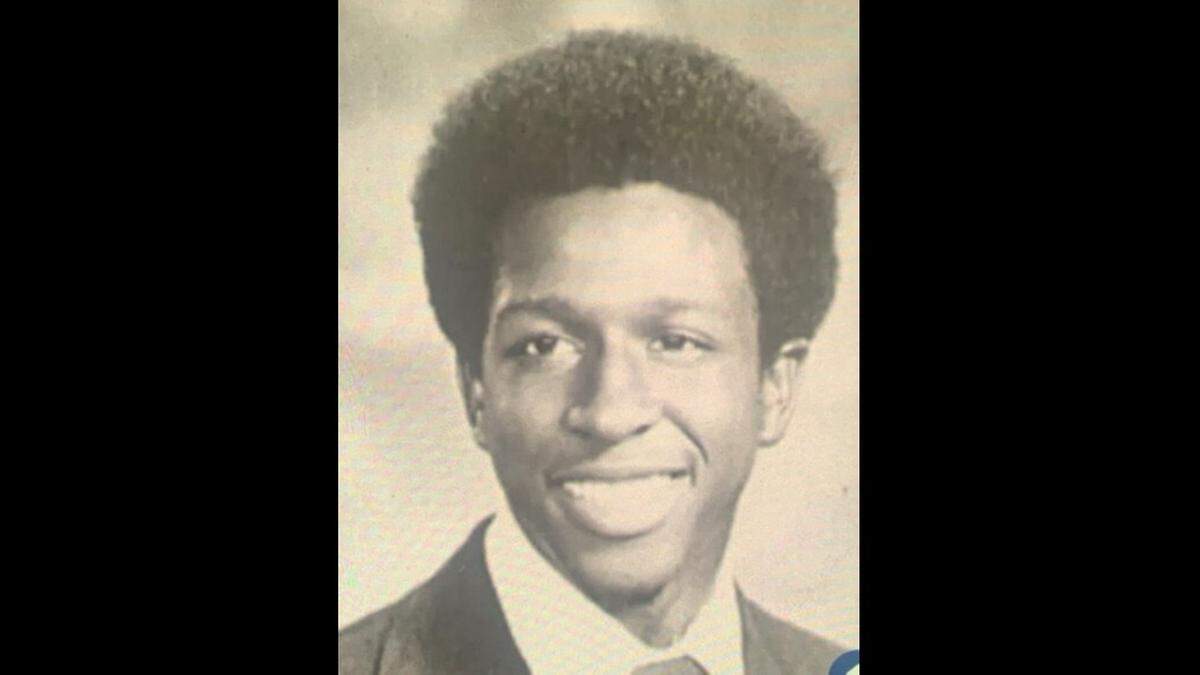
There was another time when his friends were daring each other to go up to girls, and he confidently told them he was going to walk up to Mazine. He plopped down in a seat in between her and her friends and coolly struck up a conversation. He asked her for her phone number.
“I gave it to him,” Mazine said. “We’ve been talking ever since.”
He called her home so often and so late into the night that both of their mothers got upset, thinking they were on the phone far too much. Reuben and Mazine liked to help each other through whatever they were facing, which was especially true when they got to the end of high school and pondered what they would do with their lives.
They knew they wanted to get married, but felt they would need stable work first, Mazine said. She mentioned the military was a solid option, with guaranteed money and benefits, and she could always come join him on his base once he’s settled in.
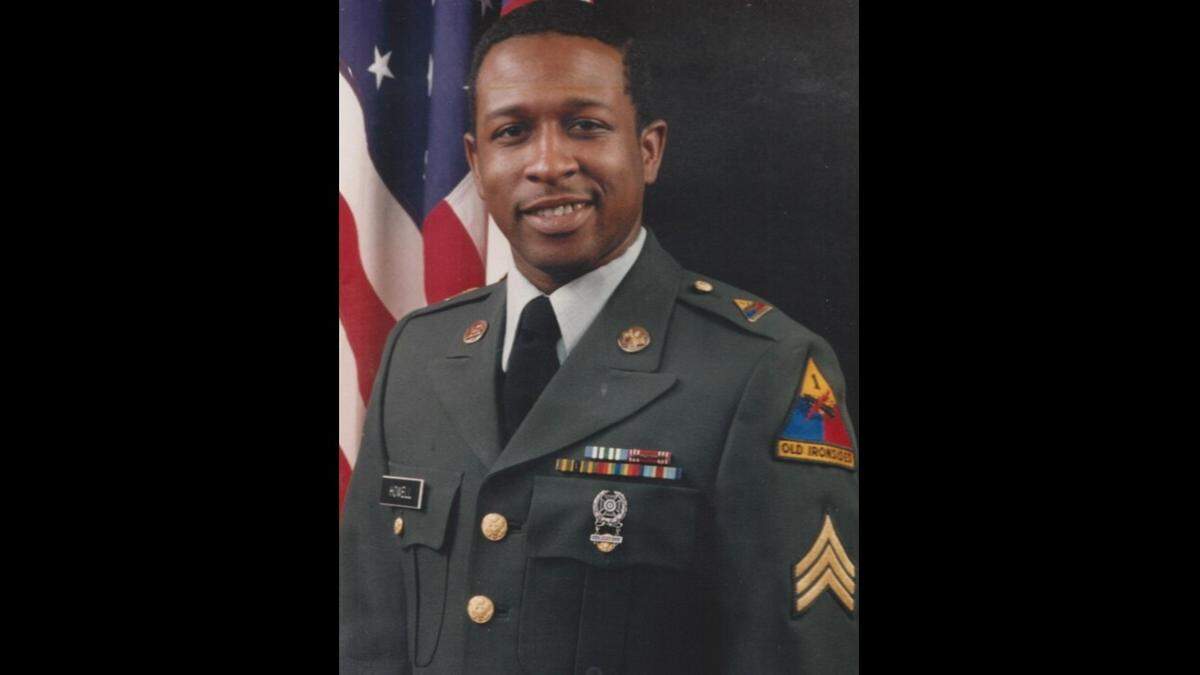
He enlisted in the Army and it took him around the country and around the world, to places like Germany. He sent letters back to Mazine with money in them, so she could save up to come visit him.
But as time went on, life got in the way. They broke up.
“But we still continued to talk over the years just being best friends,” Mazine said. “He would keep me involved in how his life was going, if he was OK, just his life situations.”
Howell spent around 11 years in the Army, during which time he got into a relationship with a woman who was also in the service, Mazine said. They had a daughter in 1984 and a son in 1990, though they later separated and decided to co-parent their children.
He was granted an honorable discharge from the Army so he could take on a much bigger role as a father, rearing kids who have grown into now adults still living in Kansas.
In 1995, Mazine, wanting to support her lifelong friend, helped Howell apply for a job at the University of Kansas hospital where she worked in the cafeteria. He had learned to operate switchboards and single-channel radios in the Army, and she thought he would be a natural fit. He was immediately hired, she said, “because of his voice.”
People liked to hear him on the other end of the line when they called the hospital. They would specifically try to get him on the line.
“They loved the way he talked,” Mazine said. “All the employees and some of the doctors and all the people that called in wanted to speak with him.”
He and his high school sweetheart stayed close as they led their own lives, writing each other letters back and forth. She eventually became a receptionist in a radiologist’s office; he would come to her office to eat lunch with her.
Howell would sometimes say things like, “I don’t know how this is gonna happen, but one of these years, we’re gonna be back together,” Mazine said.
They got back together in 2010 and on August 6, 2020 were finally married, following through on the vow they made to each other when they fell in love as teens.
“We just became best of friends and soulmates,” she said. “Wherever he was at, I was at. Nobody seen Reuben without seeing me.”
‘If you hear him laugh, you laugh’
Often when Mazine would walk through the front door of their home after a long day, Howell would bolt to the steps of their home and shout, in his best Ricky Ricardo voice, “Is that you, Lucy?”
He continued the bit at work, scrawling messages onto whiteboards like, “I love you, Lucy.” Once, he called what he thought was Mazine’s extension and asked, “How you doing, Lucy?” It was her co-worker’s extension.
“She said, ‘Uh, Reuben?’” Mazine said, laughing. “He said, ‘May I speak to Mazine?’”
He was a practical joker by nature, in the vein of Eddie Murphy, but never mean-spirited, she said. She remembers he wanted to help out no matter the situation, whether it was promising his neighbor he would keep an eye out for his dog that regularly got away, or treating his co-workers to lunch.
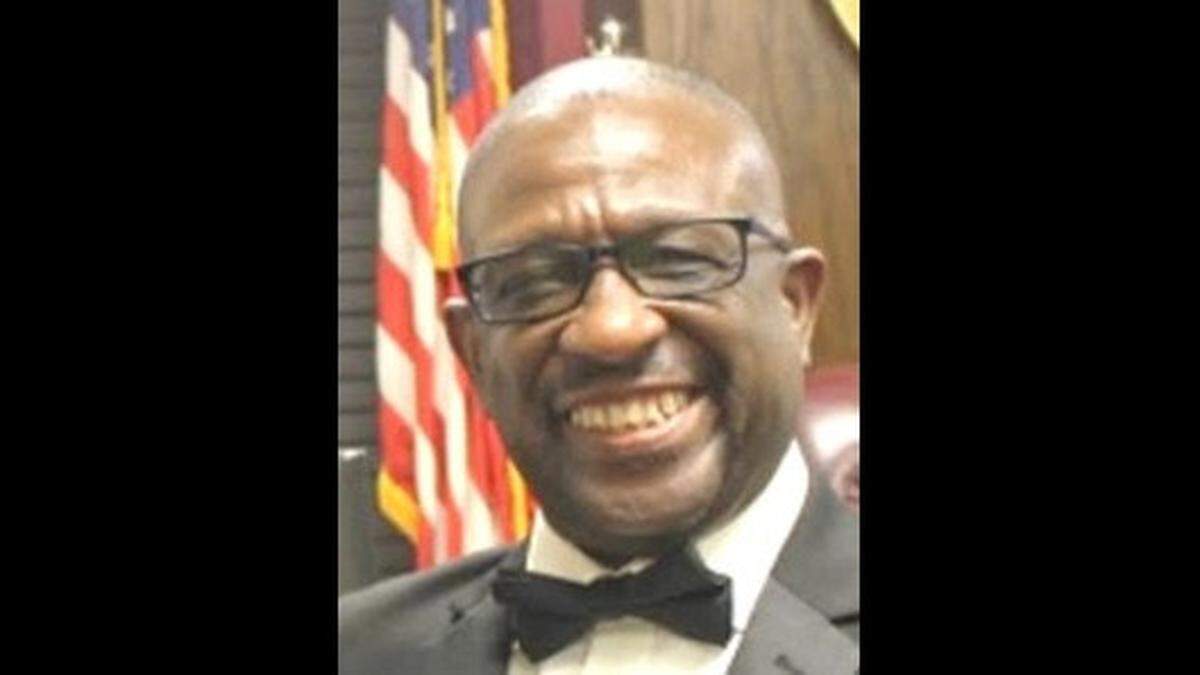
He often gave some of his food to one of his co-workers who was an inexperienced cook, and on one occasion even invited her to come to his house so she could have a proper meal.
The doorbell rang, to Mazine’s surprise. That was when Howell told her he almost forgot but he had given his co-worker their address so she could show her how to cook. They sent her home with a care package of food.
“She called me auntie cause she called him uncle,” Mazine said.
Tye said she especially wants to make sure people know, though Reuben was an excellent dispatcher, he was always late to his desk. She would razz him about it every day — he would clock in on time, around 1 p.m., but spend his first few minutes throwing away trash and straightening up their shared workspace. He usually stopped to have a couple conversations.
When Tye would tell him he was late, he quickly responded with a smile he wasn’t, keeping their long-running feud going.
She could never stay mad at him for too long.
“He had a contagious laugh,” Tye said. “If you hear him laugh, you laugh.”