
Leonard Rucker, honored WWII vet part of the ‘Black Panthers’ battalion, dies at 97
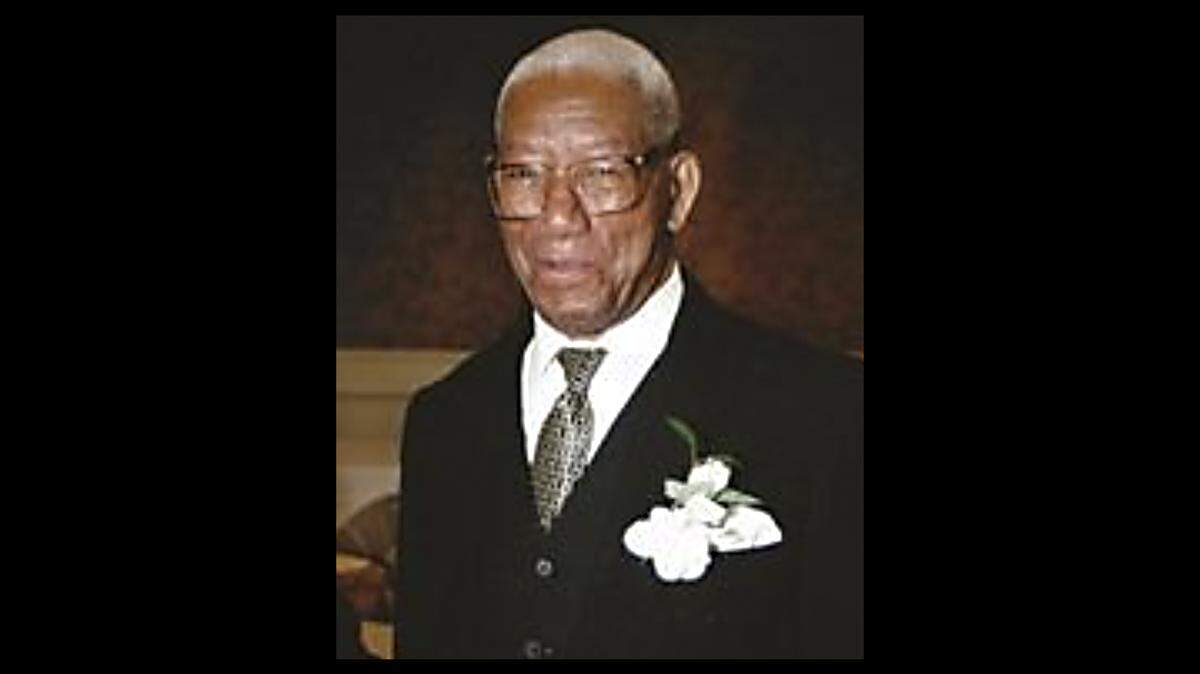
Editor’s note: This feature is part of a new weekly focus from The Star meant to highlight and remember the lives of Black Kansas Citians who have died.
It was a little over two years into World War II — a number of military units were in dire straits, surrounded by German soldiers — before General George S. Patton personally approached Leonard Rucker’s tank battalion in 1944, asking them to join the fight, save the pinned-down soldiers and help win the war.
Rucker had been waiting for the opportunity.
Up to that point, the majority of Black troops were not allowed to fight alongside white soldiers. They were largely relegated to support jobs within the U.S. military, which deployed racist policies mirroring segregation home.
But Rucker, and the other men of the 761st Tank Battalion, were ready to — as would become their motto — come out fighting.
“They told him, ‘Yes, we’ll go in and do what we can to get them out,’” said Ronald Rucker, his son. “And they did.”
Rucker, a decorated career-military veteran who fought with the U.S. Army during WWII and the Korean Conflict, died Feb. 19 of natural causes in Kansas City’s Research Medical Center. He was 97.
Born the second of nine children in 1923, Rucker grew up in the rural town of Knob Noster, Missouri, about 70 miles southeast of Kansas City. He enlisted in the U.S. Army at 19 years old not only to answer the call of service, his family said, but because in his view it was a path toward racial equality.
The entire U.S. Army was still largely segregated by race when Rucker joined. He spent an unusually long two years training alongside his brothers-in-arms before finally landing on the shores of France in October of 1944. Nicknamed the “Black Panthers,” his battalion is credited as the first Black armored unit to fight for the U.S.
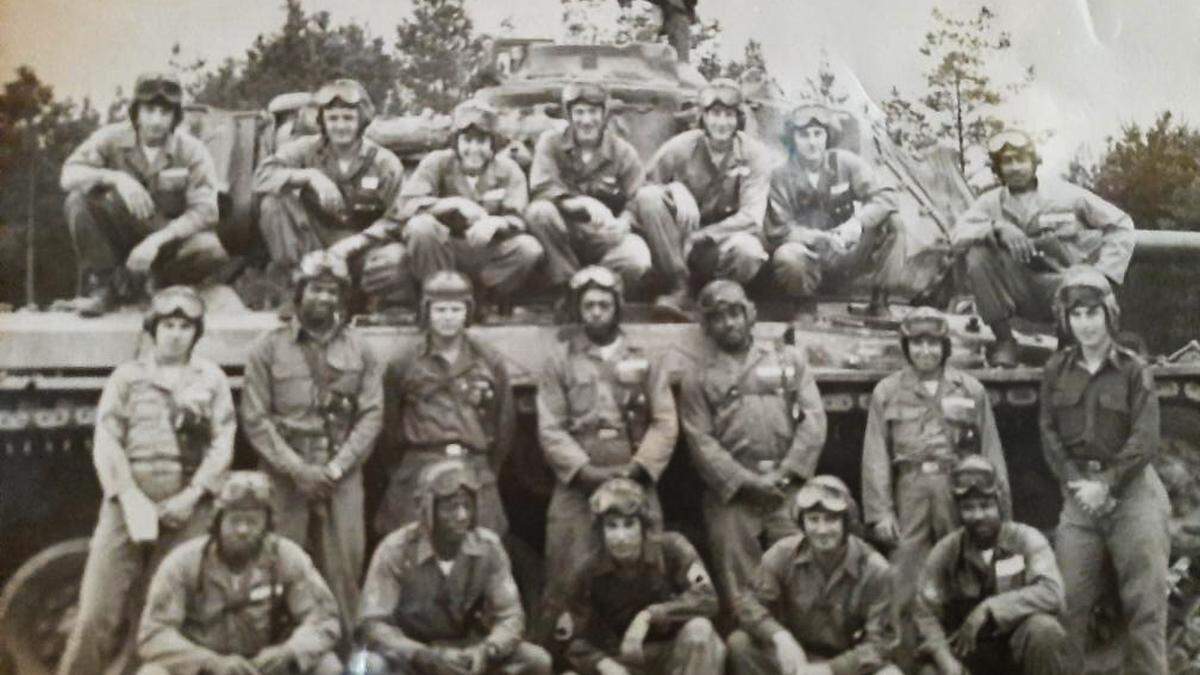
By the end of WWII, the 761st had engaged in battle for 183 consecutive days, liberating several towns in France and Belgium. The unit suffered a casualty rate of nearly 50%, with 36 killed in action and 260 wounded. Still they helped win significant victories, including the Battle of the Bulge, a major turning point in the war.
Despite the battalion’s storied achievements, it took 33 years before they received any recognition from the U.S. government.
In 1978, the unit received a Presidential Unit Citation signed by President Jimmy Carter. One of the battalion members killed in action, Ruben Rivers, was belatedly awarded a Medal of Honor in 1997. And in 2005, a memorial to the group was installed in Fort Hood, Texas, near one of the unit’s training sites.
Among his awards, Rucker received a total of five Bronze Stars for bravery during his 21 years with the Army, his family said. He survived those conflicts without being wounded, though his experience left scars elsewhere.
“The memory of some of those were very, very painful and dear to him. And because of that he never shared a lot of the details,” said Arthur Rucker, another of his sons.
Not long after returning home from WWII, Rucker began a life with Mary Alice Washington, whom he met when the two attended elementary school. They married Feb. 6, 1948 and raised seven children during their 73 years together.
As a family man, Rucker continued to answer the call of duty. He was deployed overseas during the Korean Conflict in the early 1950s, where he was involved in several historic military engagements, his family said, including the Battle of Chosin Reservoir, Battle of Heartbreak Ridge and Battle of Pork Chop Hill.
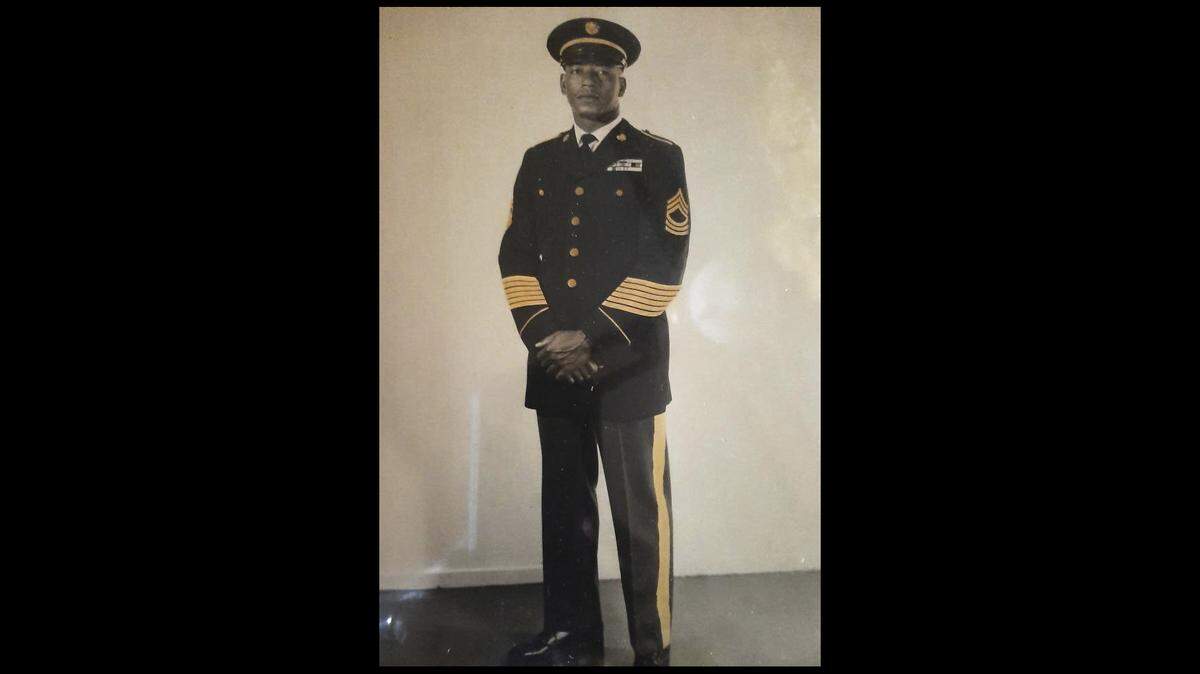
After retiring from the Army as a master sergeant in 1963, Rucker worked for General Motors in its Fairfax manufacturing plant — a career that spanned roughly 24 years. He put in work on the assembly line, setting vinyl rooftops and later on the sheet-metal stamping line. A member of the United Auto Workers Union Local 31, Rucker retired in April of 1988.
For a time, Rucker worked construction by day and in the factory by night, leaving little time to do much else besides sleep, shower and eat between shifts, his family said.
A jack-of-all-trades, Rucker applied the skills he acquired during his military service and his careers at home to later build two family homes – one for his parents in Warrensburg, Missouri, and the second for his wife and children in South Kansas City. He built them both single-handedly, his family said.
“He dug out the basement,” Arthur Rucker said. “I know people that say he dug it out with a shovel and a wheelbarrow.”
Rucker would lend a hand to anyone in need while he was physically able. His family recalled times when he would fix cars, mow his church’s lawn or shovel the snow outside of his barber shop just because it needed doing. He was the type of person to stop and help a stranger with a flat tire on the side of the road, they said.
Well into old age, Rucker kept in touch with other servicemen from the 761st Tank Battalion. He participated in a number of annual reunions organized by an association dedicated to honoring and preserving the group’s history. And he maintained strong friendships with a majority of them, though many have died in recent years, his son Ronald Rucker said.
When the unit citation recognizing them for “extraordinary gallantry” was awarded in 1978, Rucker traveled to the ceremony in Fort Myer, Virginia. He was among roughly 150 surviving members of the battalion to attend, news reports of the day estimated.
For those soldiers, it was a belated honor welcomed warmly. Rucker kept a laminated copy of the citation in his home along with other memorabilia, reminding him of his days in the armed forces.
He witnessed firsthand the desegregation of the military, ordered in 1948 by President Harry Truman, who cited the terrible treatment of Black soldiers returning home from WWII among his reasons for taking that step. On the 50th anniversary of that executive action, Rucker recalled that race was set aside by the soldiers on the battlefield.
White soldiers were always happy to see his tanks coming, he said.
“They very definitely were,’‘ Rucker told The Kansas City Star in 1998. “In combat, foot soldiers are always looking for a tank to save their skins.”
Rucker is survived by his wife, Mary Alice Rucker; his daughter, Gloria Casey; his sons, Leonard Rucker Jr., Joseph Rucker, Arthur Rucker, Ronald Rucker and Roland Rucker; and a host of grandchildren and great-grandchildren.
Other Remembrances
Arletta Gray
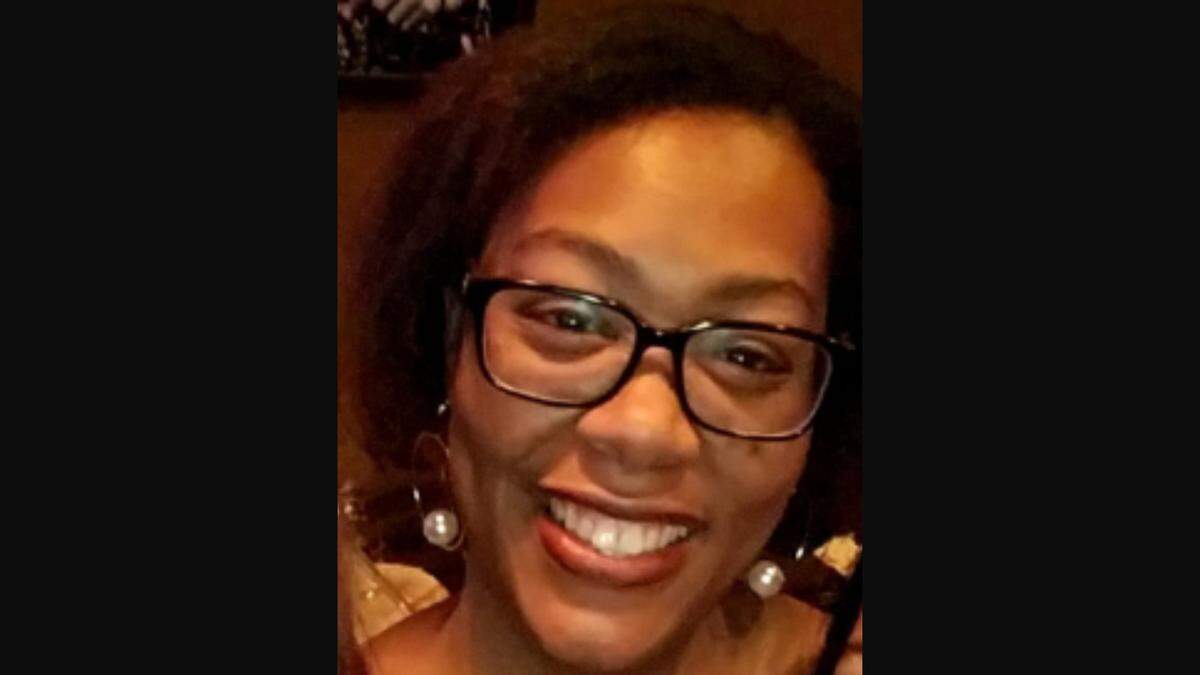
Arletta Gray, remembered as a dedicated mother of three and hardworking public sector employee, died Feb. 17. She was 43.
The youngest of three children, she was born Arletta White in Topeka, Kansas in 1977, though she grew up in Kansas City, Kansas. She graduated from Sumner Academy in 1995, later attending Clark Atlanta University, one of 10 historically Black colleges and universities in Georgia. She went on to earn her master’s degree in public administration from The University of Missouri in Kansas City.
Gray’s career was in the public sector, working with the Internal Revenue Service and the Social Security Administration. She is remembered for being heavily involved in her sorority, Delta Sigma Theta, and acting as a strong advocate for marginalized people.
A mother of three, Gray is also remembered for her dedication to her children. Her passion and love for them was ineffable, family and friends remembered. And she was known to possess extraordinary baking skills, especially the “blackout cake” she made for each of her kids’ birthdays.
Gray is survived by her husband, Nathaniel Gray; her son, Christopher Gray; and two daughters, Aliyah Gray and Madyson Gray.
Janie McDonald
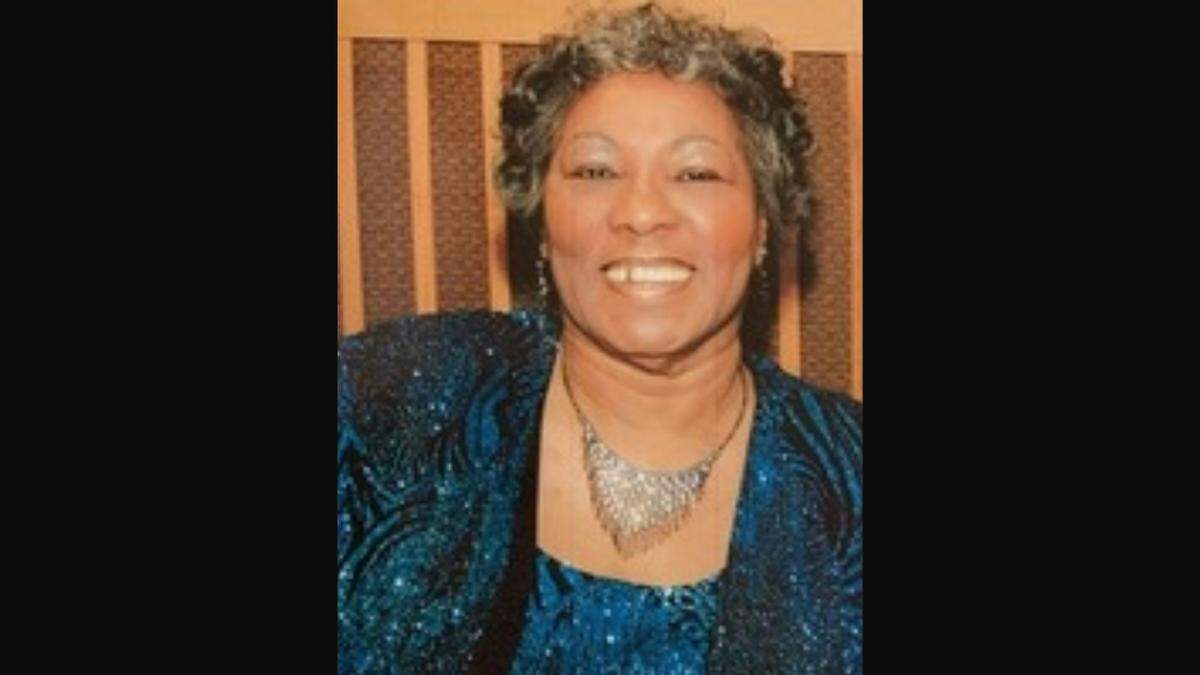
Janie McDonald, a retired diet aide remembered by family friends as dedicated to helping those in need, died Feb. 13. She was 86.
McDonald was born Janie Lamb in 1935 in Clinton, North Carolina, the youngest of seven children. She spent her early years there. After moving to Fayetteville she met Eddie J. McDonald, the man who would become her husband and the father of her three children. They married in 1954.
In her professional life, McDonald worked as a diet aide with Providence Hospital and Bethany Hospital. She retired in 1980.
At home she was remembered for her strong dedication to and involvement with her spiritual home, Metropolitan Baptist Church. Her commitments to that congregation included membership in the choir, on the usher board and as a treasurer. She was also remembered for following her hobbies, including hair-styling and cooking.
McDonald is survived by her husband, Eddie McDonald Sr.; one daughter, Rosie McDonald; two sons, Eddie McDonald Jr. and Earl McDonald Sr.; six grandchildren; and seven great-grandchildren.
Edward Wright
Edward Wright, an automobile enthusiast whose personal passion led to a long and successful entrepreneurship, died Feb. 18 in his home. He was 80.
Born on Christmas Day in 1940 in Sumner, Mississippi, Wright came to Kansas City in his younger years at the request of his parents to escape the cruelties of the segregated Deep South. Wright attended Central High School, where he was a star athlete on the track and field team. It was also where he met Winona Bolden, the woman he married and raised three children with.
In his professional life, Wright worked as a porter and in transportation with area car companies and dealerships. He also drove a truck for a bakery.
Wright eventually founded his own business, Wright and Son Auto Sale and Repair. He retired after 35 years.
Family and friends remembered Wright as a captivating storyteller, a people person and a dedicated worker. He was also known for his sense of humor and creativity.
Wright is survived by his wife, Winona Wright; three children, Sherry Talbert, Edward Wright and Charlan Green; eight grandchildren; and 22 great-grandchildren.
This story was originally published March 7, 2021 at 5:00 AM.