
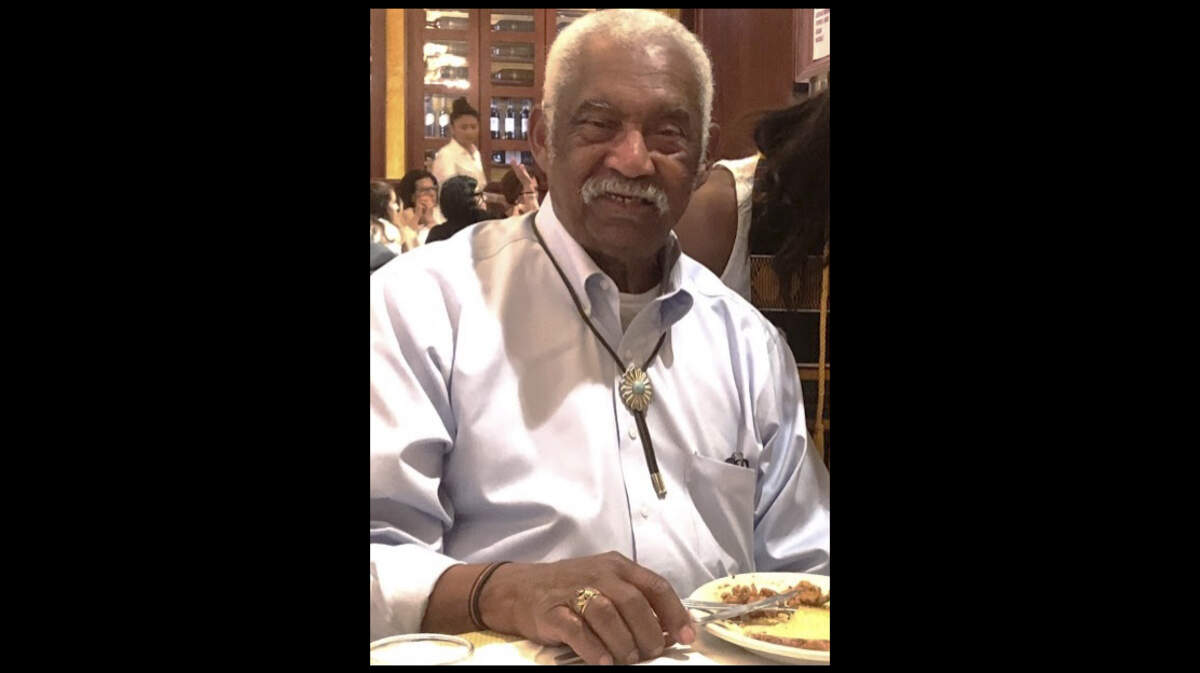
Bennie White, detective who helped put away infamous Kansas City Butcher, dies at 81
Editor’s note: This feature is part of a new weekly focus from The Star meant to highlight and remember the lives of Black Kansas Citians who have died.
For most of 1988, Kansas City Police Detective Bennie White helped piece together the mystery surrounding the torture and murder of six young men at the hands of Bob Berdella, the infamous Kansas City Butcher.
Nicknamed the Berdella squad, 11 of the city’s finest detectives of that day, including White, were tasked with finding justice for the bereaved by sending the serial killer to prison for life. The mammoth case spanned roughly nine months, with more than 500 interviews conducted during that time. It remains one of the most extensive operations in the history of the Kansas City Police Department.
White, a veteran detective who was honored for his work on that case among many others, died on Feb. 4 in his home after suffering from lung damage caused by the coronavirus, his family said. He was 81.
“He was very pleasant to work around, and he was very good at his job,” said Jennifer Cullen, an investigative typist for KCPD at the time of the Berdella investigation. She said he was extremely good at getting a confession or information from anyone he interviewed.
Born in 1939 in Minden, Louisiana, White spent his early years in the country, sleeping on a hay mattress. He would later remark to his children that he was astounded he finished high school because he spent each spring working the fields, picking fruit and vegetables. Sometimes he did not receive the pay he was entitled to, recalling one time a white woman paid him in old newspapers for painting her fence. As a Black kid in the Deep South, he had no recourse.
In 1958, White moved to Kansas City, Kansas, with his brother, seeking better opportunities. He quickly met Beverly Teague, the woman who would become his wife and the mother of their two children, one day after choir practice while he was living in a house next door to her church. They married in 1960.
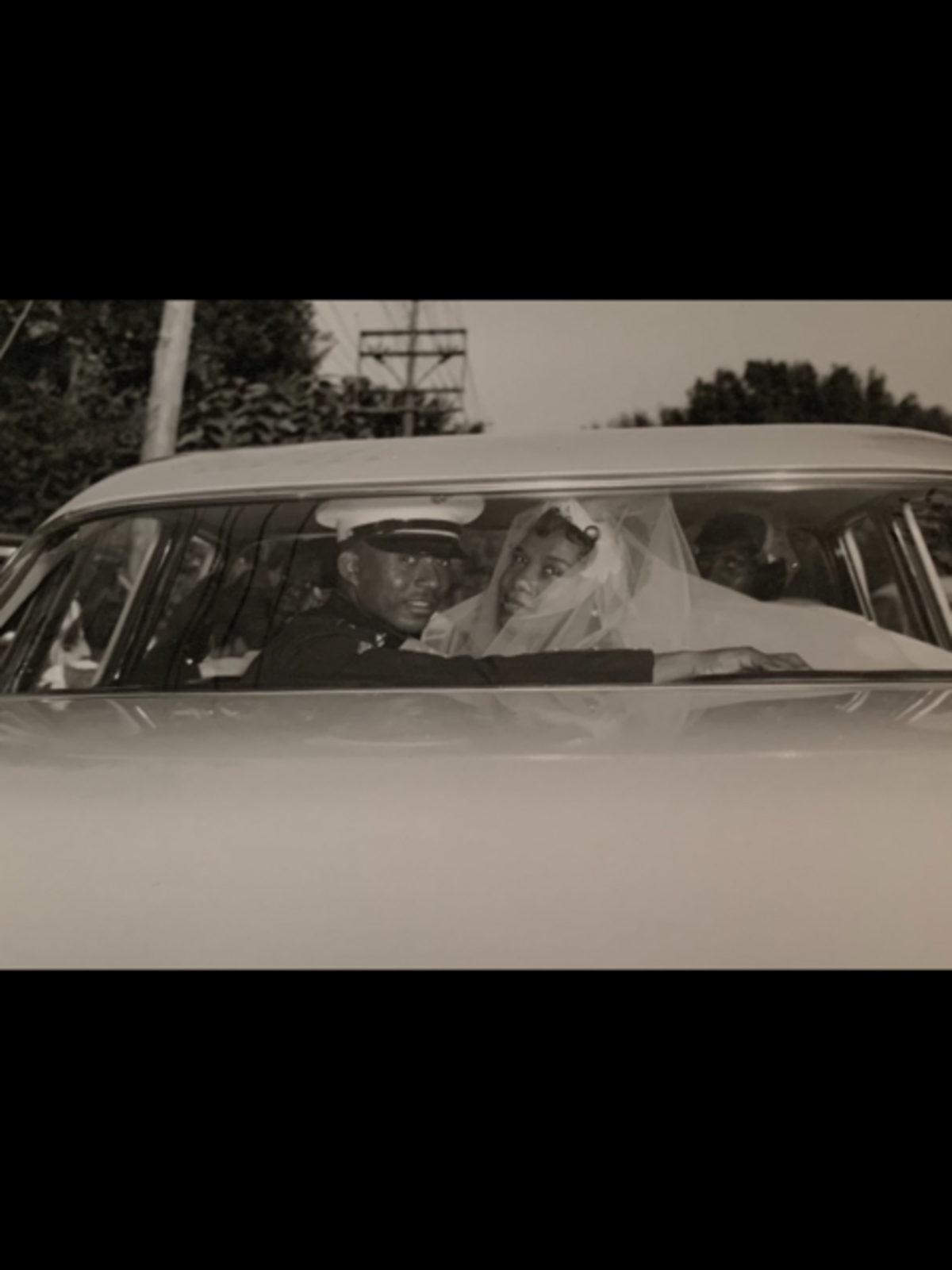
A year before they married, White joined the Marine Corps, where he spent four years. After living in Virginia, where White was stationed, the family moved to Missouri, settling down in Kansas City. White worked for a time in a tire shop, a steel company and with the Rock Island Railroad.
At 32 years old, White joined KCPD after being recruited through a program aimed toward expanding the number of Black officers among its ranks. He started as a patrolman, earned the title of police officer in 1974 and made detective less than five years later in 1979.
White worked with several units within the department, including homicide, sex crimes and the career criminal squad. He received several accolades for his service, including on one of the most notable cases of his career, the grisly Kansas City Butcher murders.
Despite the nature of his job, colleagues, friends and family remembered White as outgoing and quick with a joke, often imparting the sort of wisdom that comes with age and experience.
Among his former co-workers was Darryl Forté, now the Jackson County Sheriff, who sat next to White at work for a short while when they were both KCPD detectives. Forté said White was one of the many fellow Black officers who offered encouragement and advice as he followed his own law enforcement career.
“We were joking back and forth all the time,” Forté said. “And one day I said, ‘At least I don’t have a potbelly and gray hair’ and he said, ‘If you keep getting up enough Monday mornings, you will have a potbelly and gray hair just like me.’”
“And when I look in the mirror now, I think about him,” Forté said.
As a father, White’s law and order role extended to the home, where he was remembered as the disciplinarian who provided tough love and high expectations for his children. But he was warm, too, and spent his free time supporting his family in all of their life endeavors, cheering from the sidelines during many football games. And his kids knew better than to catch a speeding ticket — or, worse, lie to a detective.
“He said, ‘No matter what, I can always get the truth out of somebody, even when they don’t want to tell me the truth,’” said his daughter, Bridgette White-Cook.
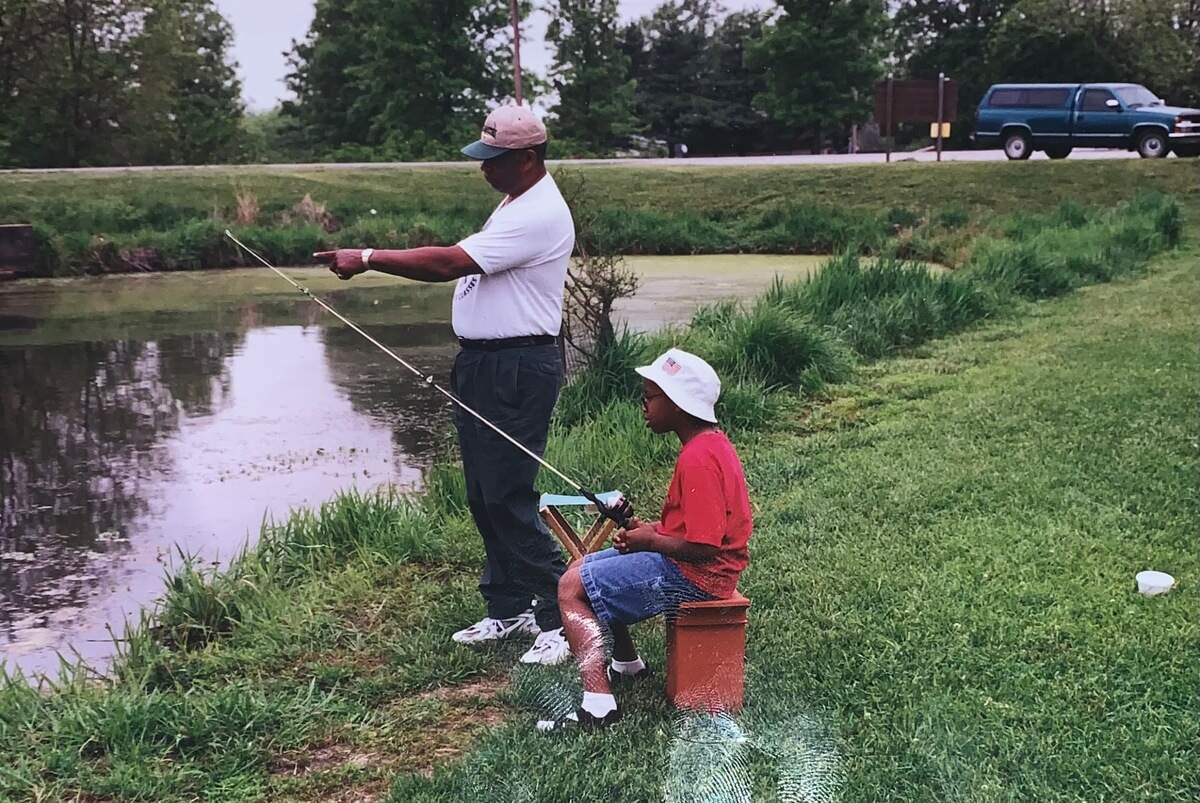
White was not one to bring his work home with him often. But there were times when being a detective took its toll.
His wife recalled one morning at 2 a.m. when White called her from the hospital to say he had identified the body of a neighbor boy who had suddenly died of a heart condition at only 12 years old. The boy was nearly their own son’s age, she said, and White had performed a life-saving medical technique on the boy just months before after receiving a frantic call from his mother.
Friction between the law enforcement and Black communities troubled White — especially in recent years. The death of George Floyd last year, as well as other high-profile killings of Black people in police custody, spurred conversations among the family about White’s experience as a Black policeman. And White ultimately wanted police to build a better reputation for themselves.
Being a policeman also did not shield White or his own family from racial profiling by police. Beverly White, his wife of 60 years, recalled one instance when Bennie White and their son were pulled over for “driving while Black” in Kansas City. White, who was still on the force at the time, made sure to give the officer a piece of his mind.
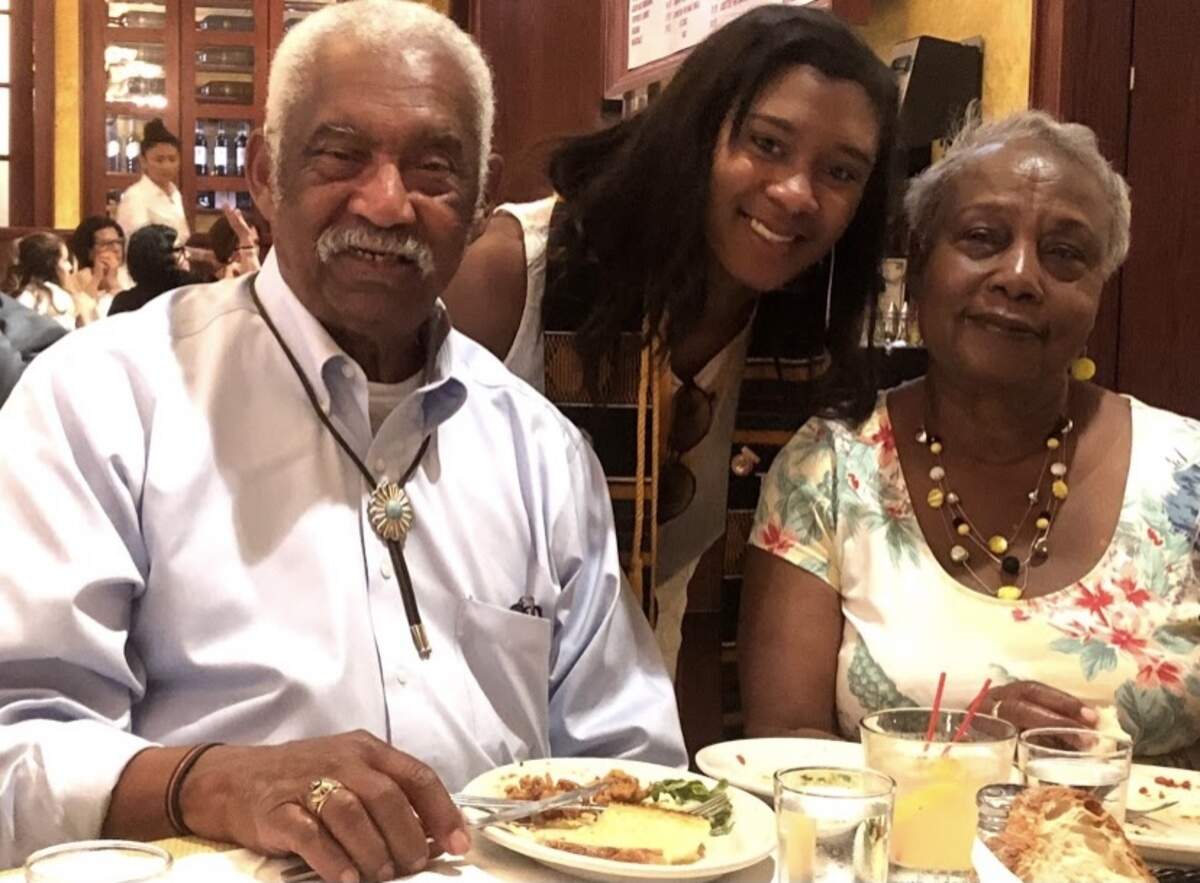
In retirement, White continued to act as a public servant. He would frequently drive neighbors and friends to medical appointments and do what he could to help those he came across in need. And in his free time, White loved to travel, taking family trips to faraway places like Germany, France, Italy, Holland and Switzerland. Sundays after church, where White sang in the choir, his home was frequently the place for Kansas City barbecue. His grandchildren still remember the smell vividly.
White’s family said he was proud of his role as a policeman as he sought to make his community a safer and better place, even if he didn’t or couldn’t discuss his work at length. One day while driving with his granddaughter, Ruth Anne White, down Charlotte Street near 43rd, he pointed out the site where the Kansas City Butcher’s home once stood. It was torn down in 1993.
Her grandfather didn’t say much about it, she recalled. Just that he’d worked on the case.
White is survived by his wife, Beverly White; his children Benny White and Bridgette White-Cook; and six grandchildren.
Other Remembrances
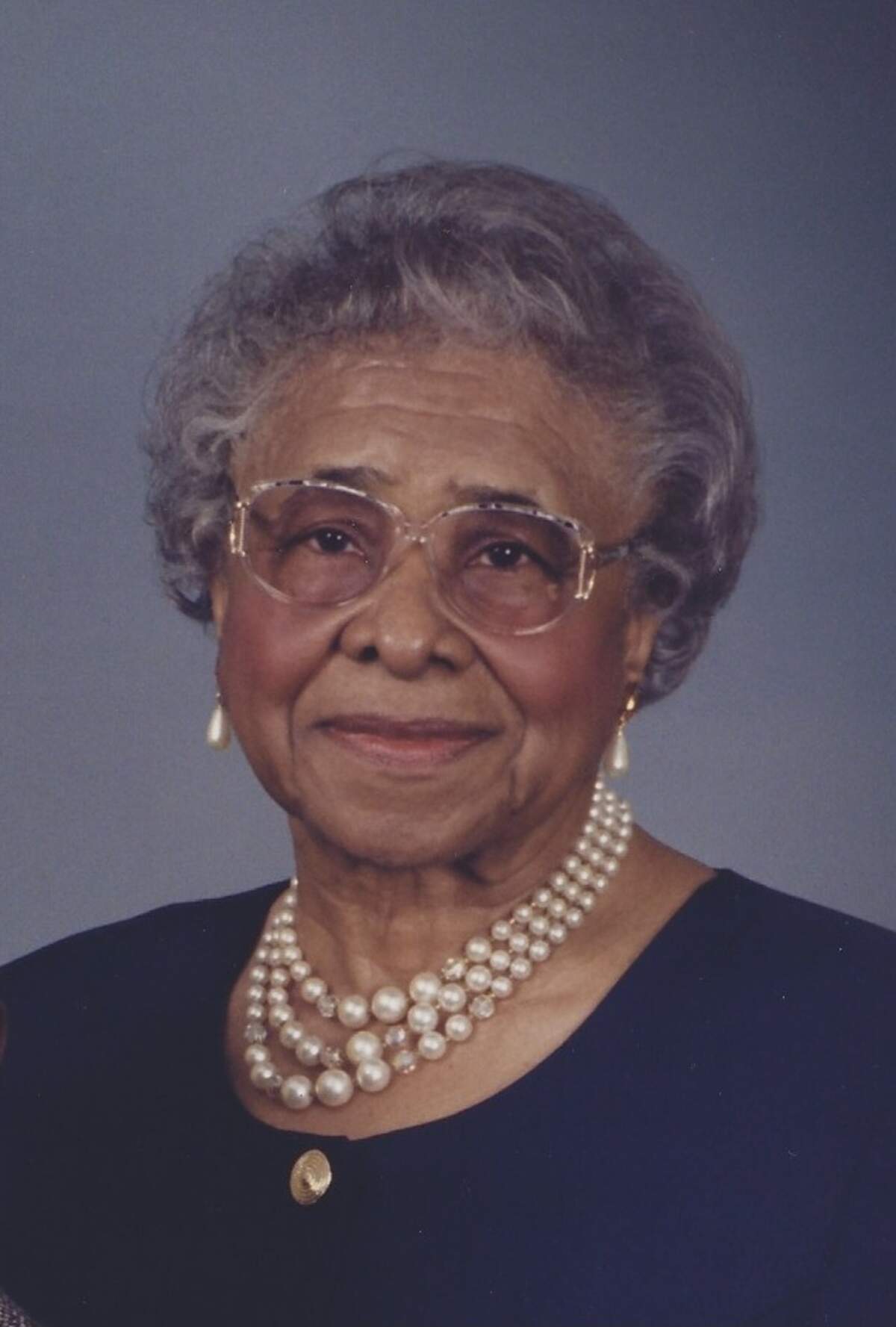
Ocie Robinson
Ocie Robinson, remembered as a phenomenal cook, loving mother and caretaker, died on Feb. 13. She was 102.
Born Ocie Logan on the Fourth of July in 1918 in Alma, Arkansas, Robinson moved with her family to Kansas City, Missouri, as a child and attended area public schools. She graduated from Lincoln College Preparatory Academy in 1936.
Two years later, she married her first husband, A.J. Norwood, and moved to Lee’s Summit, where Robinson spent decades working in area households. She later married her second husband, Eddie Robinson, with whom she would share 60 years, and helped manage the family hauling business.
She was preceded in death by Eddie Robinson in December of last year.
Robinson is survived by her children, Frances Jean Henderson and Linda James; three grandchildren; nine great-grandchildren; and 11 great-great grandchildren. A private service is to be held on Feb. 24.
Betty Pennington
Betty Pennington, remembered as the family matriarch and a loving, kind and hospitable woman, died on Feb. 9. She was 79.
Pennington was born Betty Wilson in June of 1941 in Inverness, Mississippi. Raised on a plantation, her family earned a humble living as sharecroppers, picking cotton in the fields of the Deep South.
In the late 1950s, Pennington moved to Kansas City, Kansas, to join her mother and siblings, where she would spend the rest of her life. In her younger years, she worked as a nurse aid in a Kansas City, Missouri, nursing home. In 1976, she married her husband Lonnell Pennington, taking on the role of a homemaker.
Pennington is survived by her children, Mamie Trezvant, Deborah Williams and John Wilson; 11 grandchildren; and her great-grandchildren.
Bernard Batie
Bernard Batie, a retired manufacturing worker remembered for helping area kids, died on Feb. 14. He was 73.
Born in Kansas City, Kansas, in 1947, Batie grew up and was educated in the area’s public schools, later graduating from Sumner High School. He worked for more than 30 years in the Colgate-Palmolive plant, which manufactured bar soap until it shuttered in 2006. Batie retired in 2002 as a base plant control operator.
In church, Batie served as a deacon, taught Sunday school and found other ways to serve his spiritual home. He was also a supporter of local youth sports, coaching children in little league T-ball, basketball and football.
Batie is survived by his wife, Jacqueline Batie; children, Tanika Lloyd, Bernard L. Batie, Jerard Batie and Cheleitha DePriest; and three grandchildren.