
Online world attracts, comforts and frightens teens
It feels safer, teens say, exploring new relationships online.
They like Facebook and Snapchat and texting because they can “speak” to that girl, or that boy, or that potential set of new friends without everyone watching.
You can be “more social,” said 14-year-old Argentine Middle School eighth-grader Arleth Ramos, “and it’s not socially awkward.”
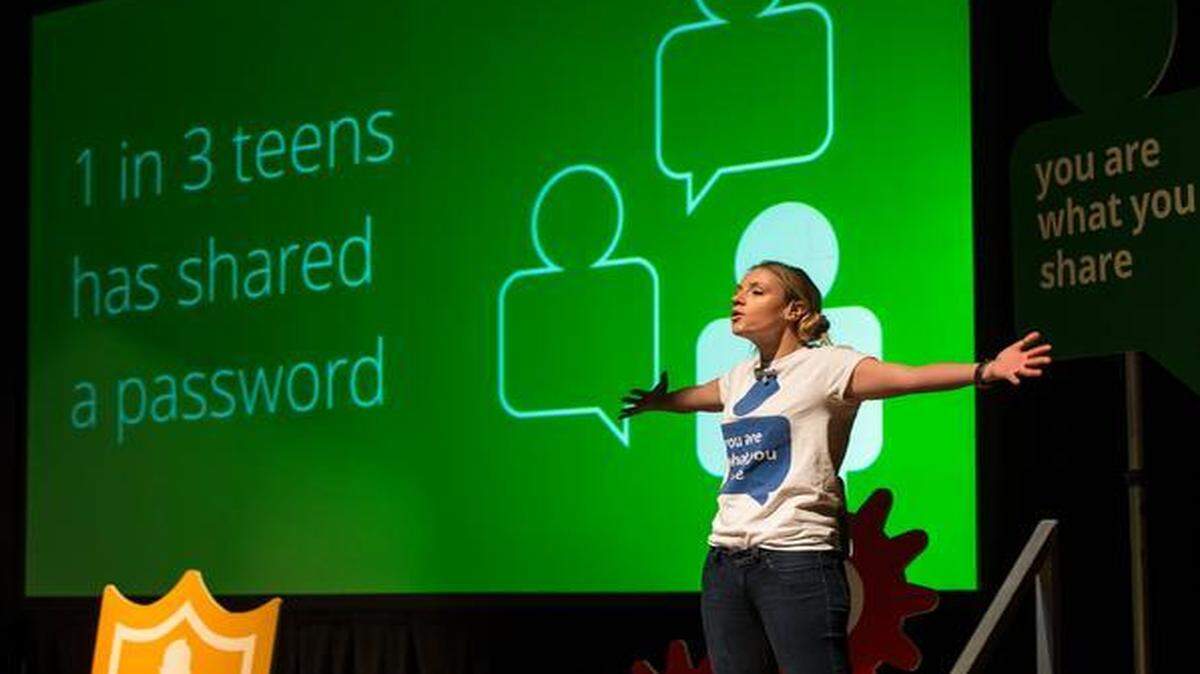
She and her classmates had just taken in a 45-minute Google stage show at Argentine on Tuesday that spent a lot of time reminding the students of the potential dangers and abuses waiting at every wrong click.
“You’re trying to meet more people,” said Brandon Lara.
You get to wander into online conversations from “behind the screen,” Emily Walters said, and it’s comforting.
But it is scary just the same, she said, because “you don’t know the (other) person behind the screen.”
When asked who among them was regularly online in social networking, nearly all of the eighth-graders in the Kansas City, Kan., school held up the green side of the red-and-green paddles that Google gave them to make crowd answers.
Increasingly, children of all ethnicities and economic backgrounds are creating online personae. And, the students learned, they are increasingly at risk of being bullied, of embarrassing themselves in lasting ways, of having their digital secrets captured and shared, and of being scammed.
They intuited the right answer — true or false — when statements flashed on the screen above the school stage.
▪ Three billion people are connected by the Internet.
▪ One in three teens has shared passwords with others.
▪ 25 percent of cellphone users fail to use the auto-lock protection.
▪ 50 percent of cellphone users under the age of 25 have seen their phones lost or stolen.
Nearly all of the students answered correctly with the green side of their paddles.
All true.
“We’re dealing with things we never had to deal with before,” said Argentine Middle School Principal Jereme Brueggemann.
The Kansas City, Kan., School District was the first district in the area 71/2 years ago to issue laptop computers to all of its high school students. Most districts now have either followed suit or are working in that direction. All are rolling more computer laptops and tablets down through elementary grades.
Phones that used to be banned in schools are being incorporated into the work in classrooms.
Educators play multiple roles now, watching over their children’s online work, teaching them of hazards that change and grow constantly.
They want to be role models, Brueggemann said, “trying ourselves to be online in a positive way.”
The teens said they know they always have the choice “to do the right thing,” Emily said.
They can guard against being “bad-influenced,” Brandon said, and stay out of the conversations where derogatory names are spread and people are embarrassed.
The students do strengthen new friendships, they said. They help each other with homework. They think before they post. They protect themselves.
“I feel like this can work,” Emily said. But “give us advice,” she added. “We’re still growing and we’re still learning.”
To reach Joe Robertson, call 816-234-4789 or send email to jrobertson@kcstar.com.