
King events in Kansas City to focus on push for economic justice
The Rev. Martin Luther King Jr.’s message of racial, political and economic equality will resonate in auditoriums and banquet halls across the Kansas City area during the annual observances of the slain civil rights leader’s birthday.
The series of events marks the 46th year the area has celebrated the legacy of the civil rights leader, who was assassinated April 4, 1968. In 1994, Congress designated the Martin Luther King Jr. federal holiday as a national day of service.
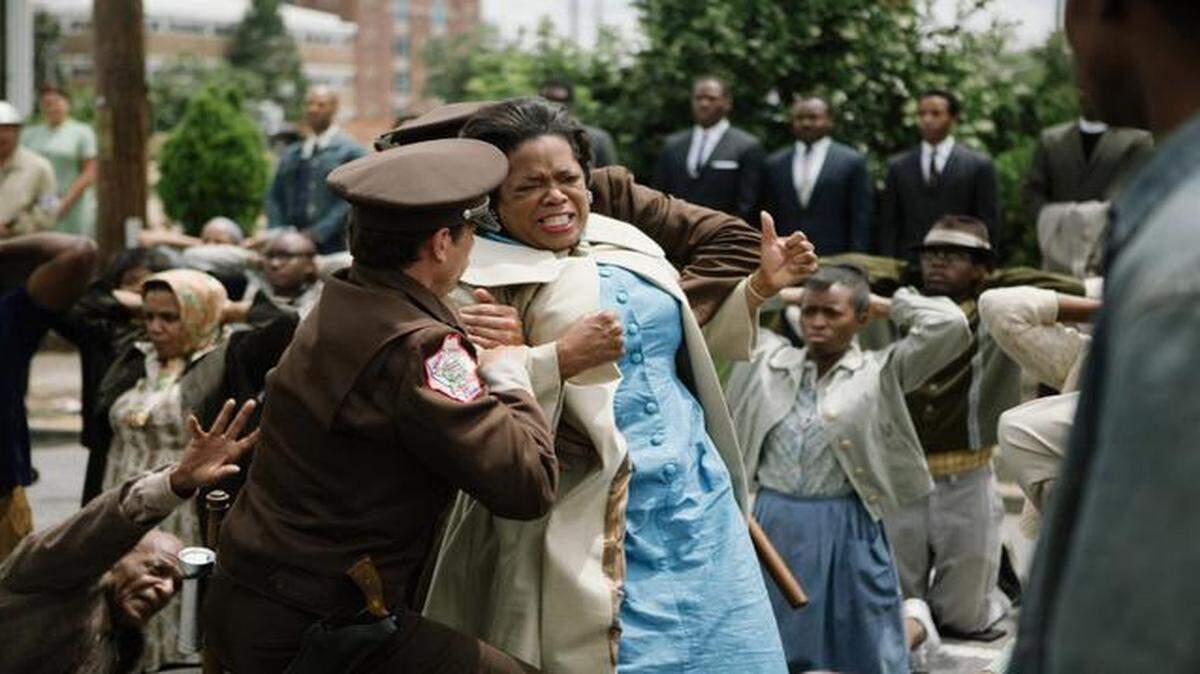
The Southern Christian Leadership Conference of Greater Kansas City sponsors the area’s largest observance, which began Thursday with an advance screening of the historical drama “Selma” and concludes Jan. 19 with a citywide celebration.
Organizers have noted that this year’s celebration occurs against a backdrop of protests that ignited across the United States after separate grand juries did not indict white police officers in the deaths of two unarmed black people. Those deaths — in Ferguson, Mo., and Staten Island, N.Y. — spurred massive protests and looting, and police responded in some cases with armored vehicles and tear gas.
“Every new year, every milestone we reach is a brand new opportunity for consideration and contemplation, for action and aspiration,” said U.S. Rep. Emanuel Cleaver, who will give the keynote address during the mass celebration Jan. 19 at the Metropolitan Missionary Baptist Church. “The events of last year and the protests that followed have shown us anew how distant a dream it is that we still fight for.
“As we reflect on where we have been and where we are going, we recommit ourselves to the cause of justice, of freedom, and equality for all citizens.”
The theme of this year’s SCLC celebration, “Investing in Our Community for Economic Justice,” represents a continuation of the civil rights agenda that seeks to bridge the economic and social divide.
“We are about bringing economic justice to the masses,” said the Rev. Sam Mann, chairman of the local SCLC board. “... That requires a very detailed and very serious conversation about capitalism and its willingness to let so few have so much while so many have so little.”
Organizers also seek to relaunch the Poor People’s Campaign, an effort that King and other civil rights leaders started in early 1968 to draw attention to the plight of the poor and the need for jobs and better housing, among other concerns, Mann said.
Events throughout the observance embrace the economic justice theme. A community luncheon scheduled for Tuesday features activist and author Maggie Anderson, who encourages patronizing African-American businesses.
Other events include a youth leadership workshop, a scholarship prayer breakfast and the annual Black Achievers awards dinner.
“A lot of the events are celebratory of Dr. King,” Mann said, “but at the same time we are celebrating, we have to be very clear of what his dream was and where he was headed” with his call for economic justice.
To reach Glenn E. Rice, call 816-234-4341 or send email to grice@kcstar.com.
Key anniversaries
▪ 2015 will mark the 60th anniversary of Rosa Parks’ arrest for civil disobedience when she refused to give up her seat on a Montgomery, Ala., bus to a white passenger. The Dec. 1, 1955, arrest led to a 381-day bus boycott and ignited the modern civil rights movement.
▪ Fifty years ago, King led thousands of marchers across the Edmund Pettus Bridge in Selma, Ala., on March 21, 1965, weeks after state troopers attacked a smaller group of protesters with clubs and tear gas during what later was called “Bloody Sunday.”
▪ On Aug. 6, 1965, President Lyndon B. Johnson signed the Voting Rights Act into law. The act outlawed discriminatory voting requirements such as literacy tests that were used by white Southerners to deprive blacks of their right to vote.
▪ Riots erupted Aug. 11, 1965, in the Watts section in Los Angeles after allegations of police brutality and mistreatment. Six days of rioting left 34 dead and more than 1,000 injured. More than 3,400 people were arrested, and property damage totaled $40 million.
This story was originally published January 11, 2015 at 10:00 AM.