
Some KC hospitals have treated cyclosporiasis illness at center of CDC probe
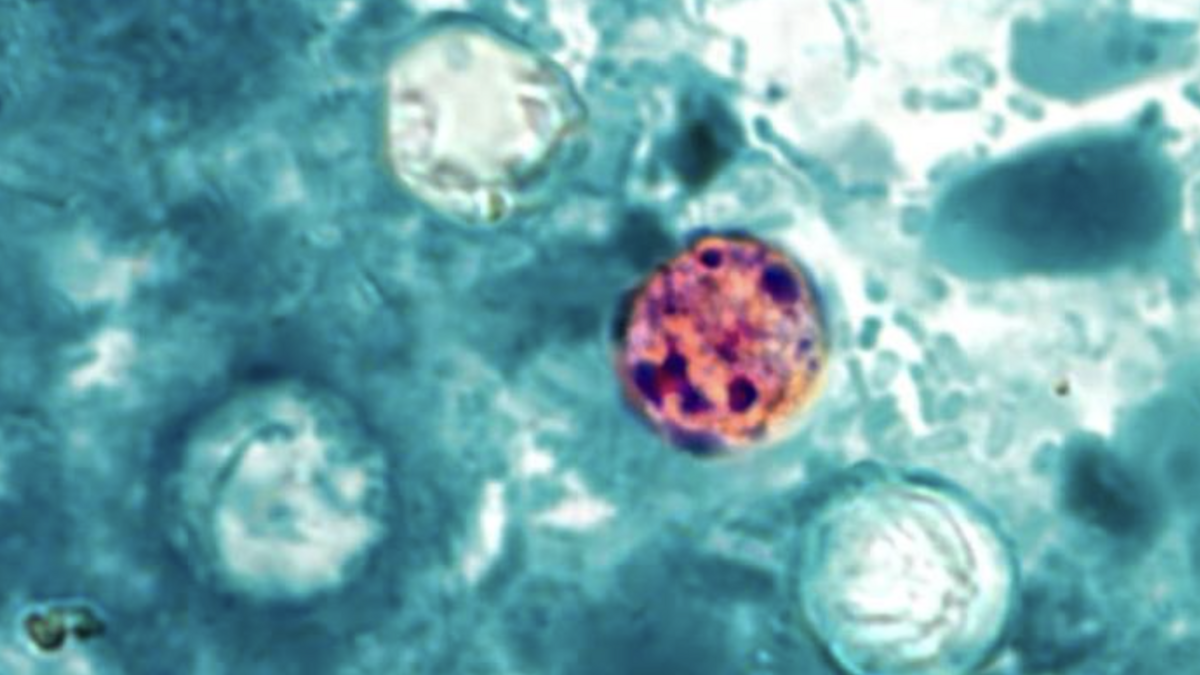
At least two Kansas City hospitals have treated cases of the foodborne intestinal illness cyclosporiasis making the rounds in several states across the country.
The gastrointestinal illness causes flu-like symptoms including watery diarrhea, which has earned it the unsavory headline of an “explosive diarrhea” outbreak.
Cyclosporiasis, caused by the parasite cyclospora, is rarely spread person to person. Outbreaks are usually linked to contaminated fresh produce. Bagged salad mixes and kits, raspberries, fresh basil, green onions and snow peas have all been linked to previous outbreaks, health officials say.
Federal health officials investigating the current source have not identified a specific food. The illness has been detected in 34 states as of Wednesday, including Kansas and Missouri. Between the two states, 99 cases have been reported to health departments this year.
In Kansas City, University Health has treated about 20 cases of cyclosporiasis since Saturday, a hospital spokeswoman said Wednesday.
At Saint Luke’s, “lab results show about 13 cases in the last two-and-a-half weeks where we would usually have less than (a) handful in a standard year,” said a hospital spokesman.
Children’s Mercy has seen “less than a handful of cases,” a hospital spokeswoman said. The illness can affect children as well as adults.
The University of Kansas Health System had no cases to report as of Wednesday.
Cyclosporiasis cases normally increase in the United States during warmer months — May through August is considered the season, says the Centers for Disease Control and Prevention, which is nevertheless concerned about the size of the current outbreak.
“Actually, it’s not terribly novel. It’s something that, every year we have some cases in (the) United States. So this is not like, ‘oh, this is brand new.’” Dr. Sayo Weihs, an infectious diseases pharmacist at University Health, said in a social media Q&A.
“We just have so much more, the bigger caseload than we should see in the annual number. Patients are all over the United States at this time.”
Children’s Mercy has posted information on what cyclosporiasis looks like in children on its website.
“It’ll start out with more like flu-like symptoms,” Weihs said of the illness in adults. “And then it will have mostly abdominal pain, nausea, diarrhea, diarrhea being the big one. It tends to be watery diarrhea ...”
Since no single source for the illness has been identified yet, she said, “it’s a little bit hard to say, oh, don’t eat this product at this time.”
The good news? There are several treatments for it once a person is tested for it, said Weihs, referencing prescription antibiotics commonly used to treat it after a stool test.
Symptoms have been known to last a month or longer without treatment.
If it’s taking someone with symptoms 72 hours to feel better, “then it is probably time to start getting tested, especially with the cyclospora,” she said.
.jpg)