Costco answers frustrated public on midtown store change. ‘Alternative is, it’s closed’
AI-generated summary reviewed by our newsroom.
- Work could begin this fall with a goal to reopen in spring 2027.
- Pharmacy, clothing and the food court would be removed under the proposal.
- Nearly the entire City Council wrote a letter; the plan remains under city review.
If midtown Kansas City’s Costco warehouse doesn’t change its business model, it could close instead.
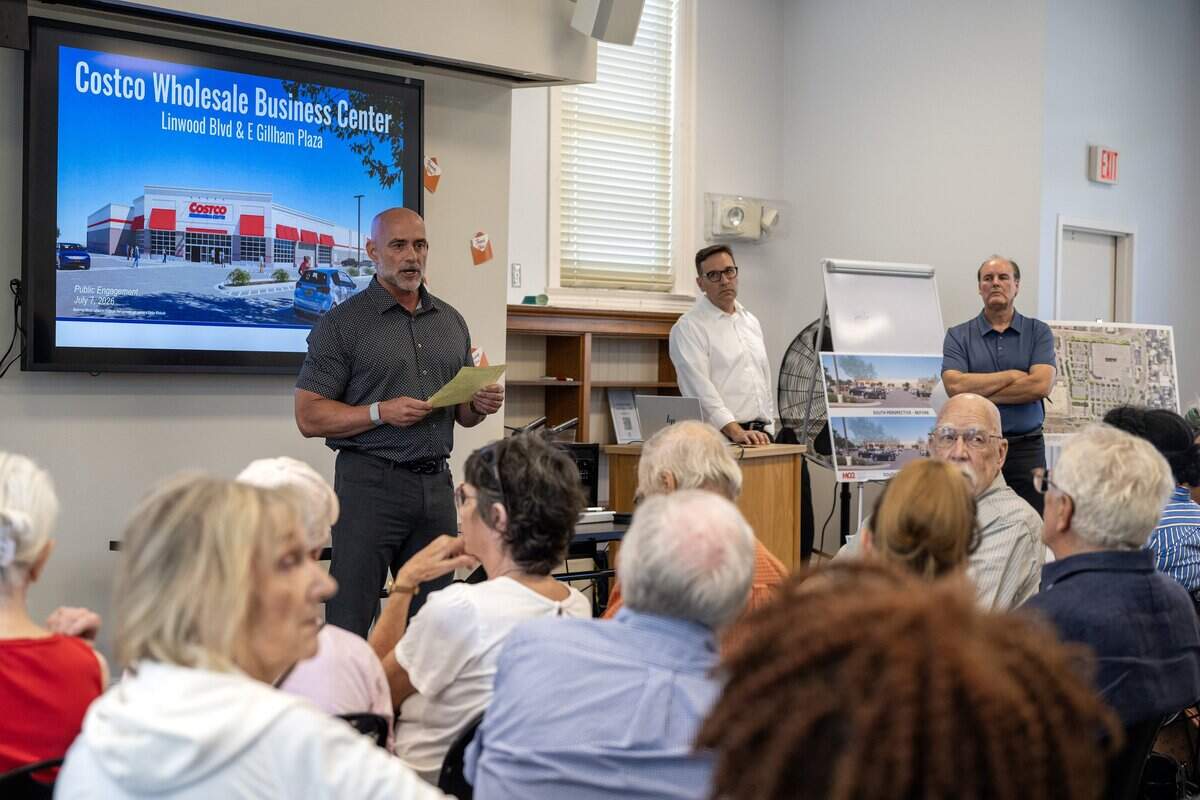
That was one alternative floated at a Tuesday neighborhood meeting about Costco’s plans to convert its current store into what’s known as a “business center,” or a store geared toward providing products, equipment and services to small businesses for resale.
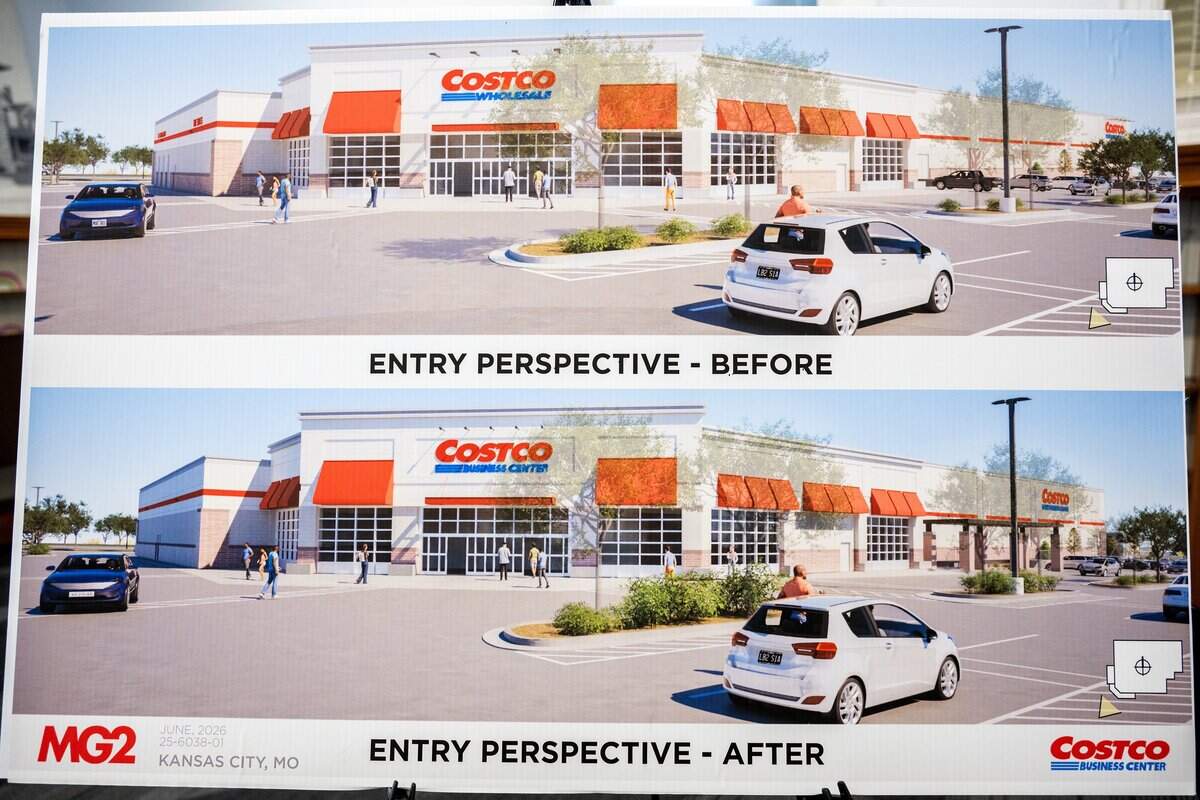
It would remain open to all Costco members and a long list of items would remain available for purchase, from bathroom tissue to fresh and frozen produce, alongside the gas station, according to documents filed with the city.
But other products and services would go away, including clothing, the food court and the pharmacy.
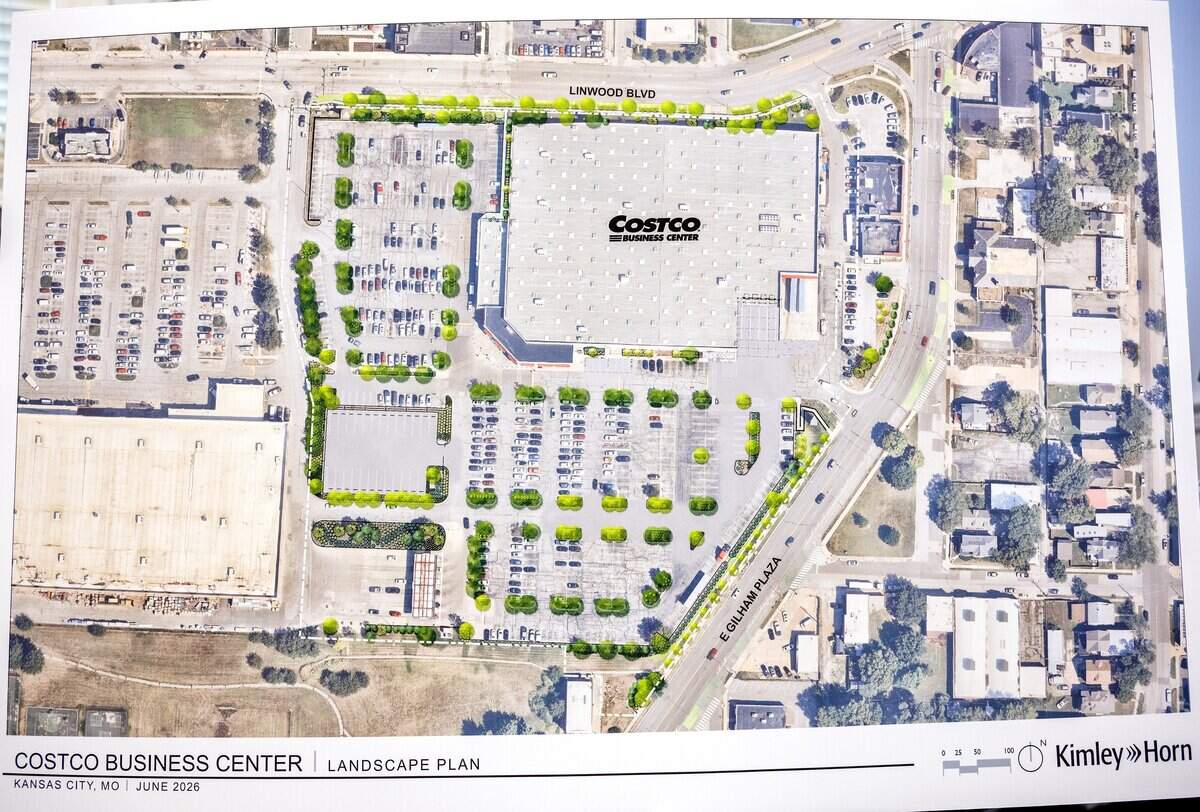
Costco has filed proposed zoning and site plan changes with the city related to the planned store conversion, including adding shipping docks and an outdoor storage area for delivery trucks.
Work to convert the store could begin in the fall of this year with the goal of re-opening the site as a business center in spring 2027.
The proposal has drawn wide concern from city officials and many urban core residents about how the switch could affect access to services customers rely on.
Costco business center conversion
Other existing Costco warehouses include those in Lenexa, Overland Park, Independence and the Northland, each more than ten miles from the midtown store. A new Costco is expected to open in Lee’s Summit this August.
The neighborhood meeting was a required part of the proposed zoning changes. Geared toward nearby neighborhoods and property owners, the meetings are open to the public and meant for those applying for changes to provide information, answer questions and hear concerns, according to city code.
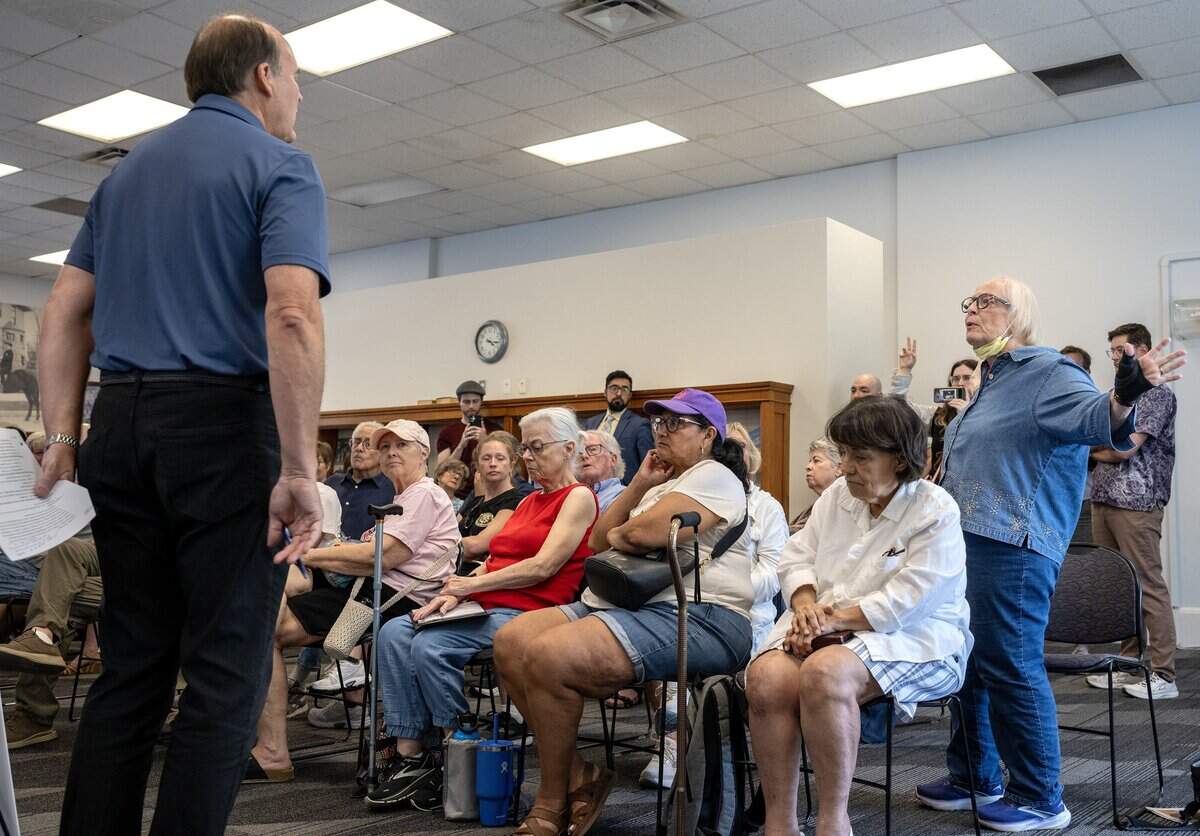
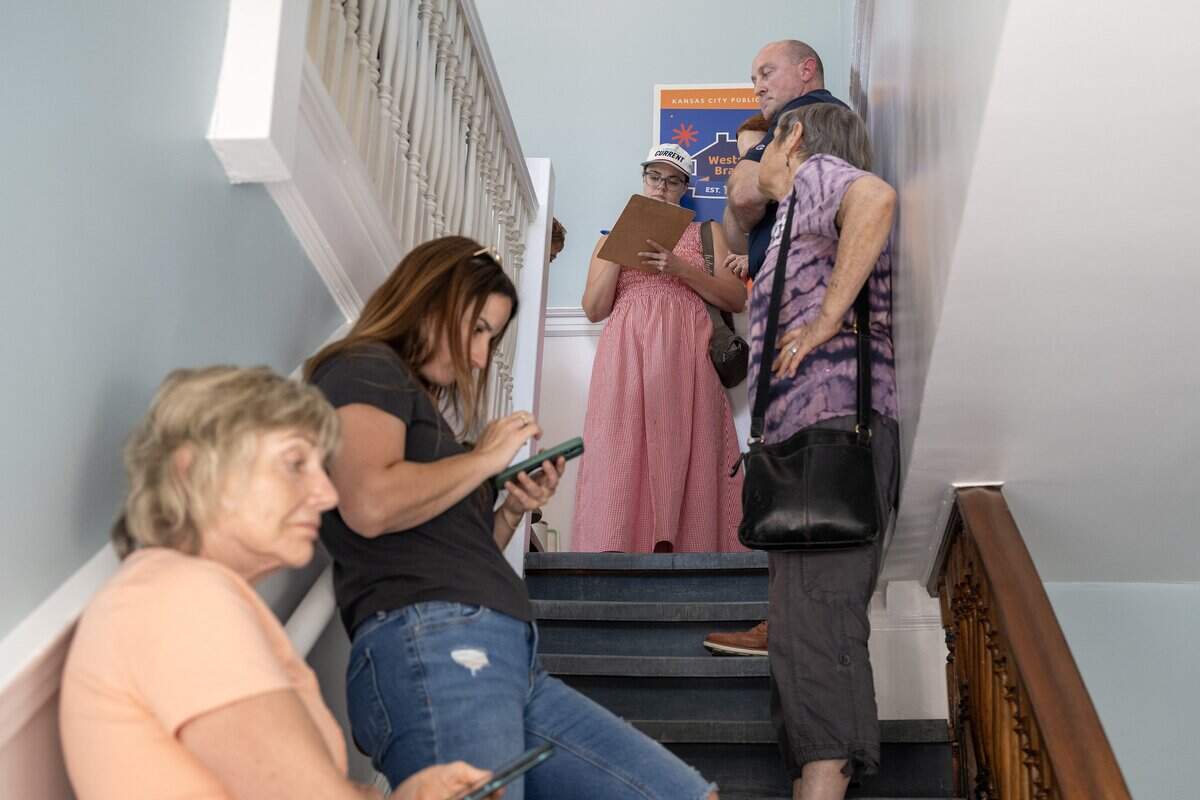
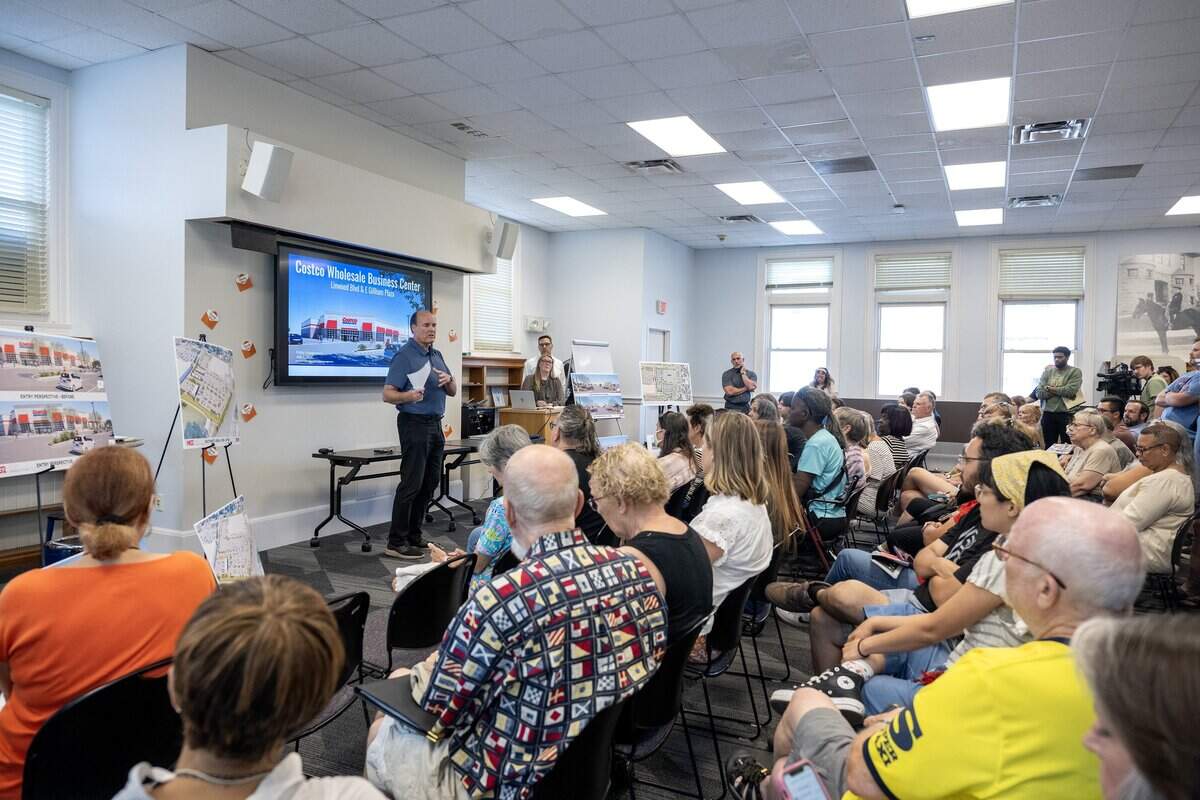
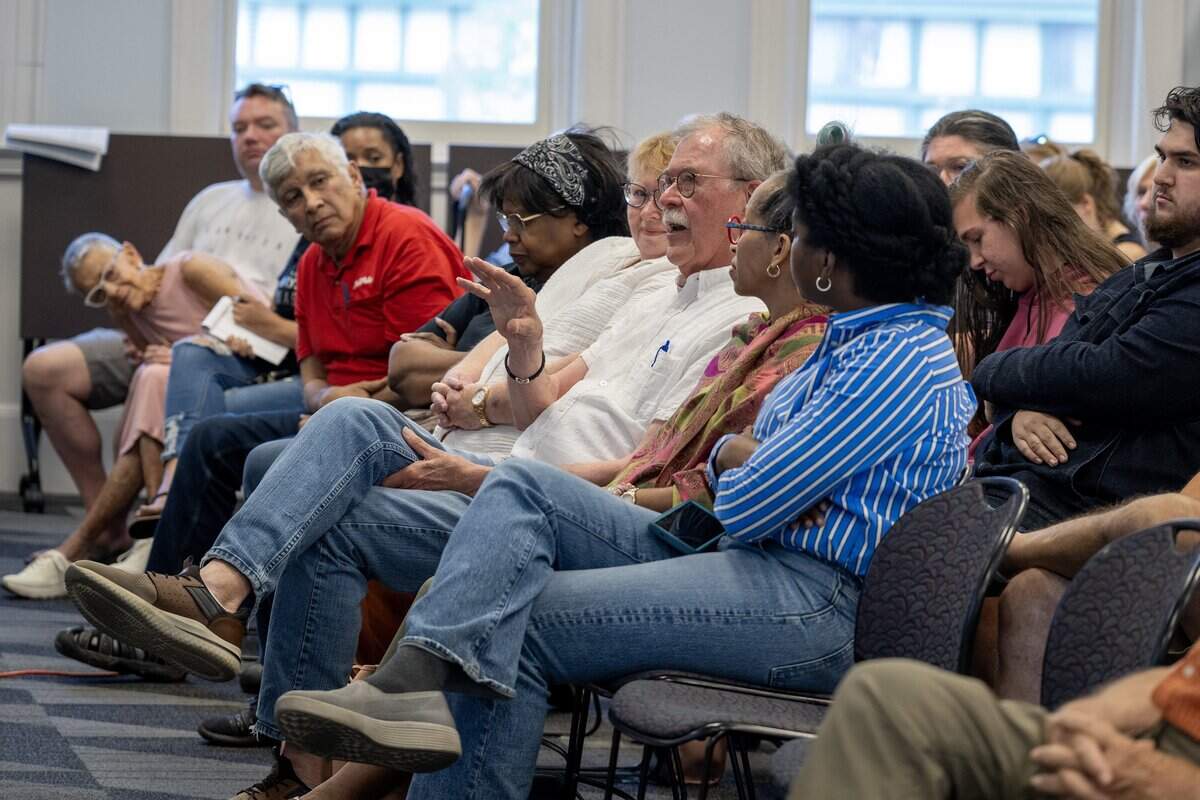
Dozens of residents showed up to the meeting, held at the library’s Westport branch, and had to be brought into the conference room in waves.
Steve Cross, real estate development director on the project for Costco, told the first wave that there are a lot of misconceptions out there about what a business center will entail.
While some things will be missing, he said, there will be a lot remaining that will fill in the needs of the community.
Grocery shopping, for example?
“You’ll still be able to do that here,” Cross said, adding that people may be pleasantly surprised about what a business center offers, even though it’s called a business center.
Company officials said there will actually be an expanded selection of grocery items, such as beverages that come in both the variety pack and packs of individual items.
“You might think, well, ‘I’m going to buy 50-pound bags of onions,’ and yes, you can buy a 50-pound bag of onions, but you can also buy the regular-sized onions that you get at the Costco today,” he said. “So, not everything is super sized.”
He also said the business center will have less traffic than the current warehouse.
The gas station will remain open, including through construction.
The store would be open from 7 a.m. to 6 p.m. daily, compared to the current store hours which run as late as 8:30 p.m. during the week.
Officials acknowledged that current offerings like the pharmacy for prescriptions, clothing, optical, the bakery, the deli, liquor and the food court would be going away.
“I’m not going to sugarcoat that,” Cross said.
Among the products that would still be available at a business center, a letter to city officials from a Costco representative said, include: bathroom tissue, paper towels, tissue, diapers, kitchen supplies, storage supplies, appliances, laundry detergent and cleaning supplies.
It would also sell pet food and pet supplies, snacks and chips, pre-packaged bakery products, fresh and frozen produce, dairy products, packaged meats, eggs, frozen meals, candy, canned vegetables and fruit, sauces, juices and other beverages.
Health and beauty items like toothpaste and vitamins would also be sold. Prescriptions would be transferred to another Costco location or delivered to homes via Instacart.
Why a business center in Kansas City?
But one major question lingered among residents who attended the meeting: why the midtown store?
Costco is expanding its business center model, with 26 such locations in the United States already and one in the St. Louis area, and they fill a void for business memberships, according to the presentation.
Company officials expect to be able to serve businesses in Kansas City and compete with Restaurant Depot, which has a location in the West Bottoms.
But Cross said the midtown conversion is a high-level corporate decision and he wasn’t able to discuss the details.
“There’s a high decision, but what this ends up with is you end up with a business center, because the alternative is, it’s closed,” Cross said.
Nearly the entire City Council penned a letter asking Costco to consider the proposal’s impact, noting concerns about how the changes could impact nearby residents who shop and work at the store. The plan remains under review by city staff.
Crispin Rea, City Council member for the Fourth District at-Large, told The Star on Tuesday that there’s a lot of concern about why the decision is being made in the first place and a lot of anxiety about amenities like the pharmacy not being available.
He noted one resident who asked why there couldn’t be a hybrid option.
“There’s plenty of space in the location, and I think what makes most sense to me is something that tries to retain as much of those amenities as possible,” Rea said. “I don’t know what about a business center inherently disqualifies the location from hosting a bakery and some of these other things.”
As the zoning change moves through City Hall to City Council meetings, he said he will have a lot of very pointed questions.
The midtown Costco opened in 2001 under a plan that dates back to the 1990s, and sought to transform a blighted area with new suburban-style retail development that would benefit local residents.
That manifested as Costco and Home Depot.
The plan called for redirecting increased tax revenues from new development into both helping cover development costs and supporting housing rehabs in the midtown area.
The midtown tax redirection plan has since expired, and the city received millions in surplus revenue, according to city documents.