
Incentives for hotel project have KC Council members asking questions. ‘There’s a lot’
AI-generated summary reviewed by our newsroom.
- The TIF could redirect up to $109 million from various taxes over 23 or 30 years.
- Council members asked for clearer breakdowns and limits like ending earnings-tax.
- Port KC weighed $26.9M in tax breaks against $24.3M in payments over 25 years.
Tax plans for the redevelopment of the Scarritt Building in downtown Kansas City have sparked a lively debate among city officials about how they should approach using financial incentives for development projects going forward.
This month, the City Plan Commission and the Board of Zoning Adjustment signed off on a special use permit to allow for a 169-room hotel in the Scarritt Building, which was built in 1907.
BR Companies and UMusic Hotel have proposed to redevelop the Scarritt Building and Arcade, 818 Grand Blvd., into a hotel while adding a new 24-story tower with more than 300 housing units, retail space and a new music venue that developers say could attract new artists to Kansas City.
The new tower was first announced in fall 2024. The hotel in the Scarritt, one of the city’s earliest skyscrapers, emerged last summer under the UMusic brand. There could be a restaurant on the ground floor.
The project would revitalize a vacant building on a blighted corner of downtown that has seen issued with vandalism and break-ins.
The two-phase construction could run through 2030.
Tax incentives for Scarritt development spark city debate
The City Council approved a tax increment financing plan for the project in December. Known as TIF, such plans redirect some or all new tax revenue — generated by the development — back into supporting its costs for a temporary period of time.
For the Grand project, that could be up to $109 million in taxes redirected from various sources at certain percentages — such as food and beverage taxes, earnings taxes on employees and public safety sales tax — for 23 or 30 years, alongside a possible special 1% sales tax.
Council members asked detailed questions at the time about what the project’s return on investment would be for the city.
“The level of incentive has me concerned,” council member Johnathan Duncan of the Sixth District said then.
Developer representatives said the site generates little tax revenue now, while the development would mean more tax revenue over time while addressing a blighted area with new activity and bringing other benefits to the city like music education programs for students.
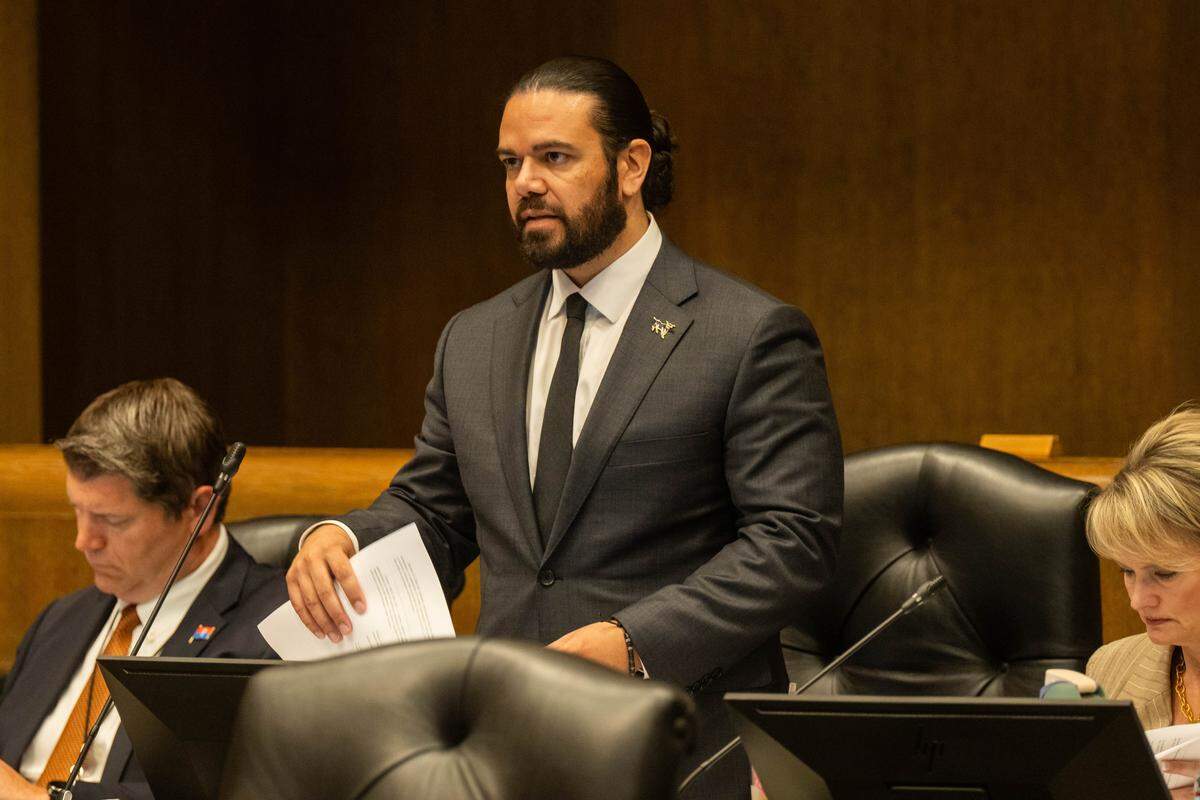
Earlier this month, the council’s finance committee discussed a set of edits to the TIF agreement containing a line item breakdown of the redirected tax revenues that appeared to catch some officials off guard.
“There’s a lot here that for whatever reason wasn’t fully discussed,” Mayor Quinton Lucas said at the June 9 hearing, suggesting a need for more clarity ahead of time.
Of note, the plan could redirect all new tax revenue from certain categories like earnings tax in years 24 through 30.
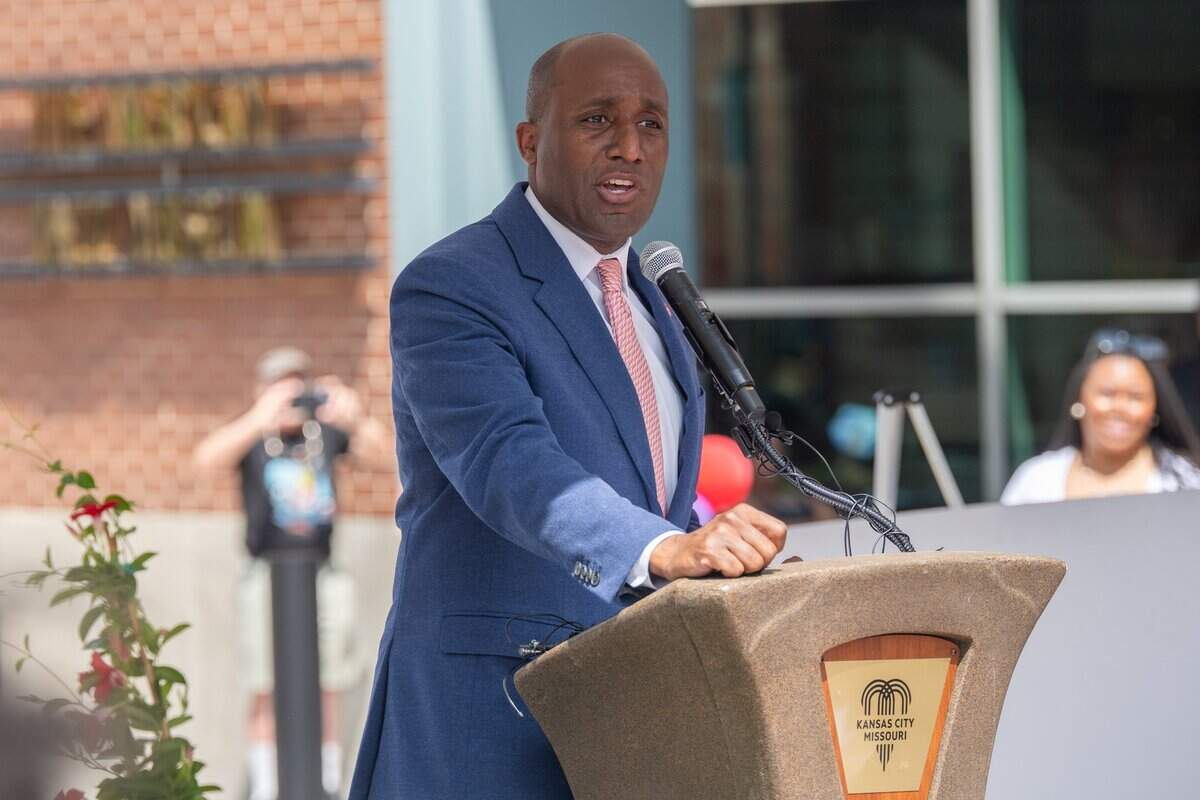
Lucas said the question is less the quality of the project, as most projects that come before the council look good, and more how good or bad the deal is.
“We get ourselves into a tough legislative space if we see it as either/or,” he said.
He asked how tough city negotiations are.
“Over the last decade it seems as if we’ve moved to a model that just says, no, you need everything. And then the developers actually say, I need more,” he said. “That to me is the issue.”
Lucas wondered, for example, if the city could set a policy that says earnings tax would not be redirected after 23 years.

Questions about city incentives
Council members also called for analyzing trends about the levels of city assistance for private development projects and where they are going.
They called for more clarity about what the city stands to gain from projects as they’re approved and more data about new development that has been spurred from projects the city supports, including in a downtown filled with TIFs.
And they consider whether the city should offer more scrutiny of what developers request and set more policy direction about what incentives and economic development should look like — across the city.
Council member Kevin O’Neill of the First District at-Large said there’s a “process problem” as projects work their way through both the city and Port KC.
“We don’t see both of those silos,” he said. “One’s here and one’s over there, and all we see is the one we’re in front of.”
Council member Crispin Rea emphasized the city should think long-term, noting the TIF plan for the Union Hill neighborhood that dates back to the 90s. That plan supported new housing and business in what was a blighted area.

When it ended in 2024, there was actually surplus money that the city used to fund streetscape and pedestrian improvements along 31st Street, alongside a transformed neighborhood. TIF plans that closed out in recent times have typically had surplus money left over that the city can then use for other needs.
The full council would take a final vote on the 800 Grand TIF amendment at a future meeting.
Port Authority of Kansas City
The developers have also sought incentives to help support the project through the Port Authority of Kansas City.
Port KC has considered a plan that would include $26.9 million in property tax breaks over 25 years, while the project would generate $24.3 million in payments to taxing bodies during that time, much higher than currently paid on the site as is.
The Port KC Board of Commissioners was scheduled to give a final vote on the proposal on Monday, but the item was delayed. It could come back next month; Port KC President and CEO Jon Stephens said the item was held at the developer’s request.
He said the project is still moving while the developers work through some other “contractual items” with the deal but that it will be back before Port KC shortly.