New cashless fare causes ‘chaos’ for some KC bus riders. Neighbors are stepping in
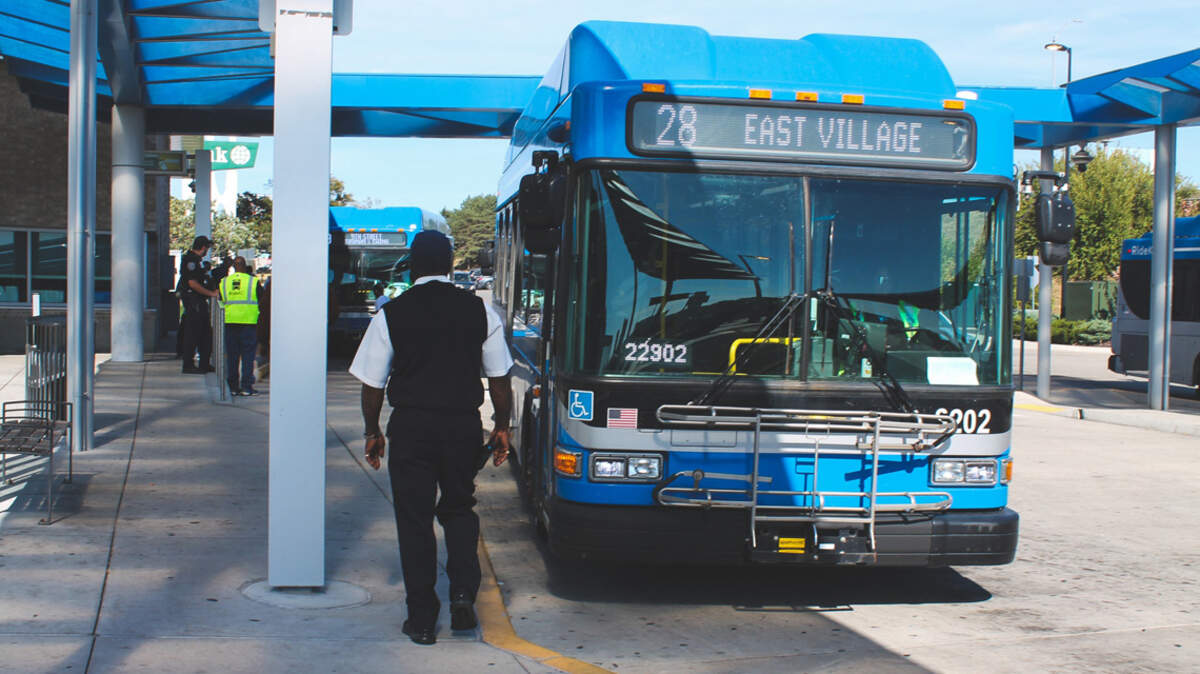
The Kansas City Area Transportation Authority’s reintroduction of bus fares last week came with another change that some city residents were not prepared for — cashless fare.
On June 1, Kansas City bus riders were expected to begin paying fares for the first time since 2019. The change back to charging for bus rides also included a requirement for riders to pay for the fares either by the tap function on modern credit cards, using a smartphone app or pre-purchased passes.
Alana Henry, executive director for the Ivanhoe Neighborhood Council, told The Star that the switch to cashless fare came as a shock to many of her organization’s clients, some of whom she said do not have access to credit cards or smartphones.
Henry sees the change as an unfair burden to senior riders who are not as technologically literate and low-income residents who don’t have bank accounts to link to the phone app or a credit card.
Henry voiced that frustration to a KCATA official who dropped off 200 one-time-use bus passes for the organization last week — several days after the change back to charging for rides. She said KCATA and the city dropped the ball on educating the public about the change to cashless before it launched.
“I don’t believe KCATA and the City of Kansas City were intentional enough about preparing folks so that we didn’t have such chaos that we’re having,” Henry said. “It’s completely inexcusable,” she added, suggesting KCATA should have partnered with nonprofit organizations in the city to increase outreach and to provide training and education.
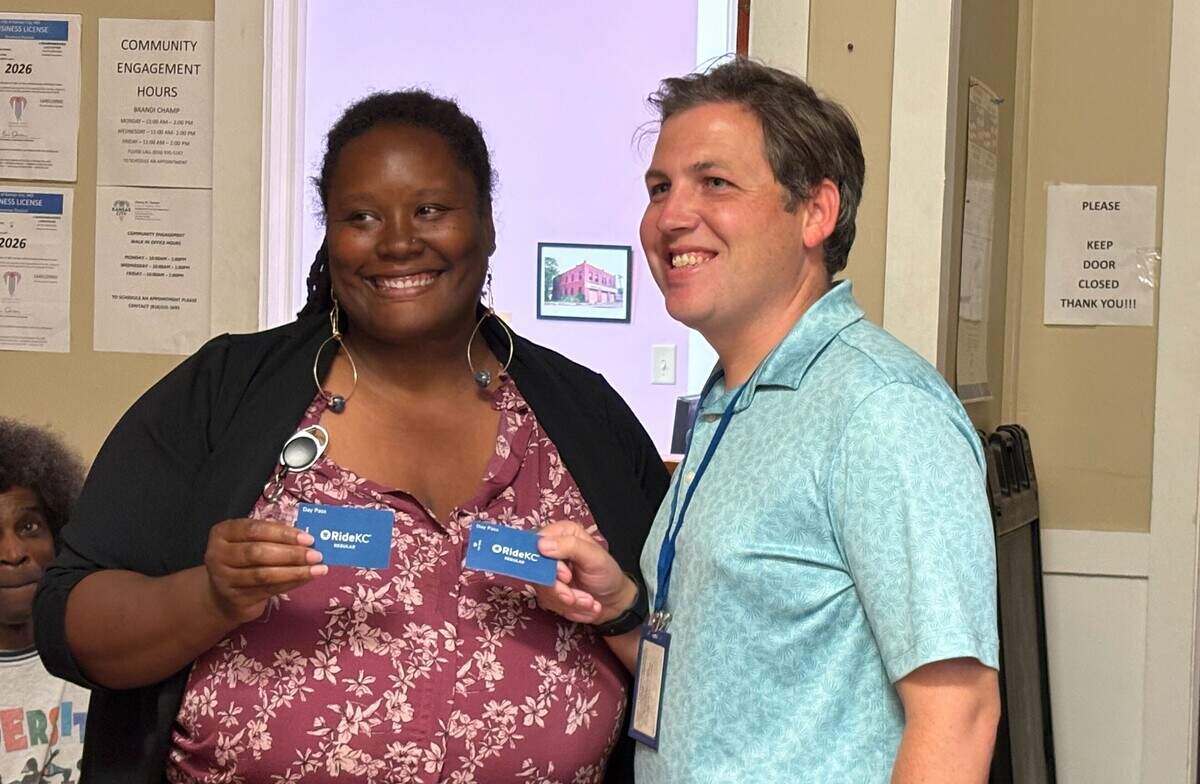
RideKC and KCATA did hold public information sessions in the lead up to the change. But Cindy Baker, a spokesperson for KCATA, said in an email to The Star that the organization understands that switching to cashless fare can be difficult.
“Despite our best efforts to communicate through a variety of ways, we regret that some riders were not aware of this change,” Baker said.
In response to confusion over the reintroduction of bus fares, KCATA also enacted a grace period until June 15. Chuck Ferguson, interim CEO for KCATA, said in a news release that the extension provides “adequate time” to access the app or acquire a pre-paid pass.
Cashless pay
The Ivanhoe Neighborhood Council is a nonprofit neighborhood improvement organization serving residents who live within 31st to 47th Street and from The Paseo to Prospect Avenue.
Part of the organization’s mission is providing food for those in need. Henry said many residents take the bus to get to the organization’s building on 37th Street and Woodland Avenue, especially on Tuesdays and Thursdays when its food pantry is open.
That alone can be a daunting task, but adding a barrier like cashless fare makes it even harder, Henry said.
“Many folks are limited in either not having banking, not having a smartphone, or not having a smartphone and a current cellular plan to even facilitate a transaction,” Henry said.
KCATA suggests that the change aligns with how most transportation systems in the U.S. operate. Baker also pointed to a national study that showed 91% of U.S. residents own smartphones.
“It is common practice in the United States and beyond to operate cashless systems on board public transit,” Baker said in an email. “It is safer and costs less than handling cash.”
However, Federal Reserve data shows nearly a quarter of low-income Americans do not have a bank account.
Baker said riders may also buy pre-programmed bus passes at the East Village Transit Center, 700 E. 12th St. KCATA plans to add more locations to pay for passes with cash later on.
Meanwhile, the Ivanhoe Neighborhood Council offered information sessions about the RideKCGO app alongside to help educate its community. A Kansas City Public Library staff member offered quick lessons at a table set up next to the pantry’s display of fresh fruits and vegetables last week.
Carol Murphy and Carolyne Cook attended one of the sessions to learn about the app. They said they wanted to understand how to use it so they could teach the residents who attend the food drives at their respective churches further south in the city.
Murphy, who works for St. Francis Xavier Catholic Church’s food pantry, said the reinstatement of fares and requiring cashless forms of payment would be difficult for some.
“This is going to cause some chaos,” Murphy said.
Cook, who attends St. Therese Little Flower Catholic Church, also noted that the change will likely be hard on people experiencing homelessness.
She said many of them may have smartphones, but they may not have bank accounts to link to the phone app to pay for the fares.
“They ride the bus a lot,” Cook said. “That’s (what) my heart right now is worried about.”
Tighter budgets
The confusion of cashless fare made riding the bus harder for some residents who are already struggling with the reintroduction of paying to ride the bus. Henry said some residents are upset about the fares coming when other costs for things like food, housing and medical care are rising.
“We’re feeling the pinch,” Henry said. “It’s just one more cost increase that makes it harder for people to make ends meet.”
But KCATA has said the fares are necessary to keep the buses moving. Last year, the organization voted to reinstate fares to help balance the agency’s budget while maintaining most bus lines.
That came after months of contract negotiations between the KCATA and the City of Kansas City, with KCATA threatening to cut nearly half of its routes as costs rose without the city or other neighboring jurisdictions contributing more funding.
The newly reinstated fares charge $2 per ride, or $4 for a day pass, $20 for a weekly pass and $62.50 for a monthly pass.
Some riders who qualify for assistance can pay a reduced fare, including adults over 65, people who qualify for low-income support like food assistance and people with disabilities. KCATA asks riders to apply for free or reduced fares through United Way.
The KCATA estimates that charging bus fares for approximately six months this year will bring the agency $5.2 million, before expenses. Operating expenses are budgeted to cost $95 million in 2026.
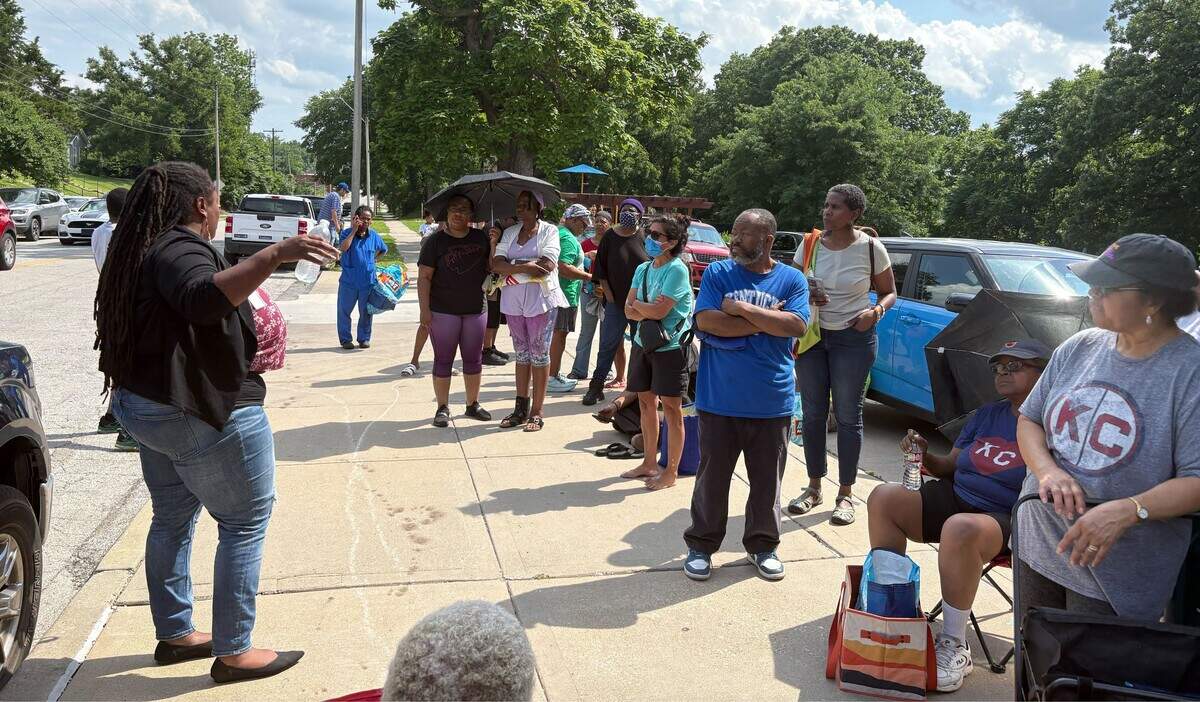
In the meantime, residents like Richard Northcutt may be left out.
Northcutt, who lives near 26th Street and Troost Avenue, said he relies on the bus, but he has not been able to use it with the new fare system and rising costs elsewhere. He doesn’t think he’ll be able to afford to pay to keep riding the bus, which he takes to work.
Without access to the bus, Northcutt said he’ll have to ask for a friend to give him a ride or walk to get around, including to his manual labor job putting down asphalt. He said he could end up walking 10 miles a day.
He said he hopes KCATA lowers the fares for passes so people like him can get to work.
“It’s hard these days,” Northcutt said. “You got bills, you’ve got groceries super high. It’s just hard.”