Buyer to save historic KC mansion brothers sought to demolish. What’s next?
AI-generated summary reviewed by our newsroom.
- The Kansas City Art Institute has purchased the historic George B. Richards House.
- The institute will provide short-term stabilization, site clean-up, and artifact storage.
- An advisory committee will consider future uses including residences, events, or archives.
A three-year controversy and saga came to an end Wednesday with the announcement by The Kansas City Art Institute that it has purchased the historic mansion at 4526 Warwick Blvd. that its owners, since 2023, had sought to demolish.
“The Kansas City Art Institute is proud to announce that it has acquired the historic George B. Richards House,” the school wrote Wednesday afternoon of the 113-year-old home.
“A direct neighbor to the campus, the addition of this distinguished property represents an important evolution for KCAI, strengthening its connection with its Southmoreland neighborhood.”
Historic mansion in Southmoreland neighborhood
A future use for the home has not been determined.
An advisory committee is being formed to consider possible uses. Among some options: artists’ residences, a multi-use event space for lectures and exhibits, an experiential learning locale for events and historic archive management.
“KCAI is dedicated to repurposing the property into a cultural hub that honors its past while stimulating the future of the arts in Kansas City,” the institute said.
A purchase price was not disclosed. County records have yet to record it. County records had valued the home at about $1.3 million.
Funds from Kemper Foundation and Vawter family
Funds for the acquisition, the school said, were provided by the William T. Kemper Foundation, Commerce Bank, Trustee, with additional funds provided by the Vawter family, which had owned the home for the last 65 of its 113 years.
Brothers Matt and Steve Vawter inherited their boyhood home following the death of their mother, Susie Vawter, in 2020.
Since 2023, the brothers have aimed to sell the home and property, originally asking about $2.5 million, and arguing that the nearly one-acre lot, located near surrounding apartment buildings and complexes, was worth more for future high-rise development without the house on it.
Three-year controversy
The Southmoreland Neighborhood Association, along with historic preservationists, fought the proposed demolition and — in an unprecedented move, against the wishes of its private owners — got the property listed on the Kansas City Register of Historic Places.
The historic designation effectively saved the building from demolition, but only for three years, at which point the brothers were no longer bound by any restrictions on razing the home to the ground. The three-year period was set to expire in November.
The art institute said Wednesday that it “will immediately provide short-term stabilization,” of the home, “site clean-up, and professional storage for any historic artifacts at the site.”
They anticipated that site clean-up would take about three weeks and would include “restoration of a well-maintained appearance and removal of any hazards in anticipation of this acquisition.”
Architects commissioned for plans
Michael Vergason Landscape Architects have been commissioned to prepare plans for landscape renewal and an evaluation for how the site might connect to the larger campus.
The institute has engaged in a past historic restoration and adaptive reuse.
In 2003, it acquired the 1908 Georgian Revival mansion just to the south at 4538 Warwick Blvd, a home designed by architect Adriance Van Brunt, and transformed it into the Jannes Library.
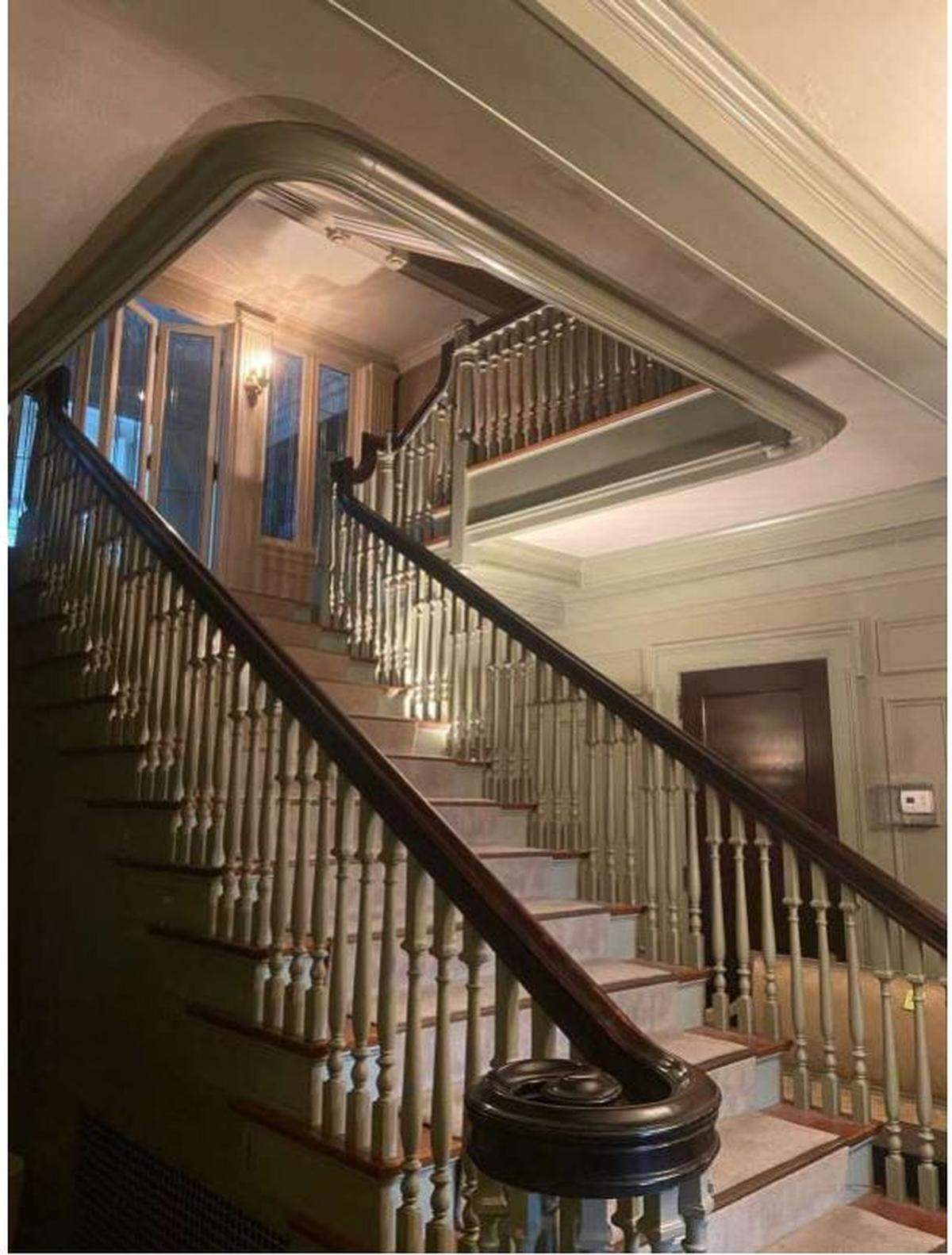
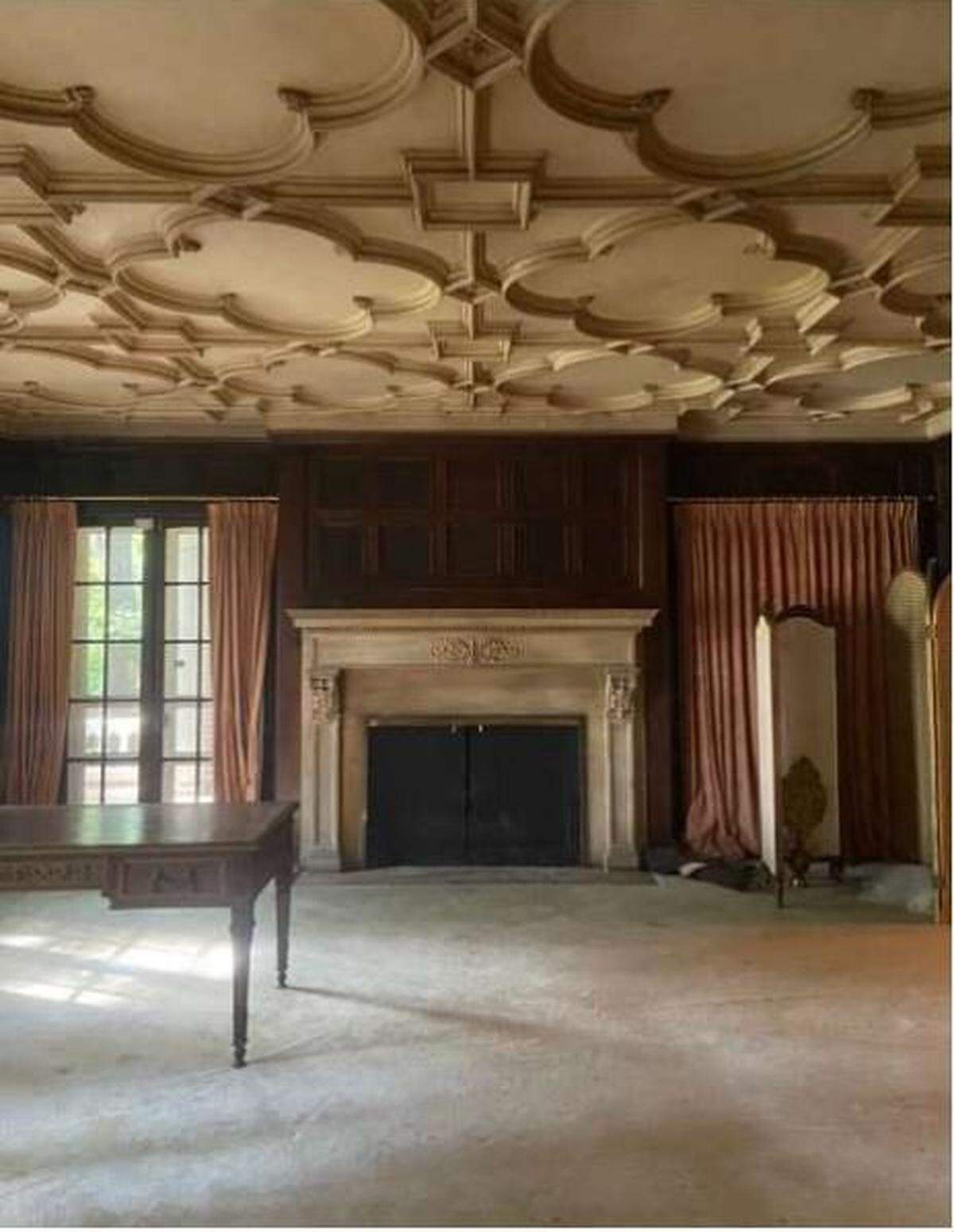
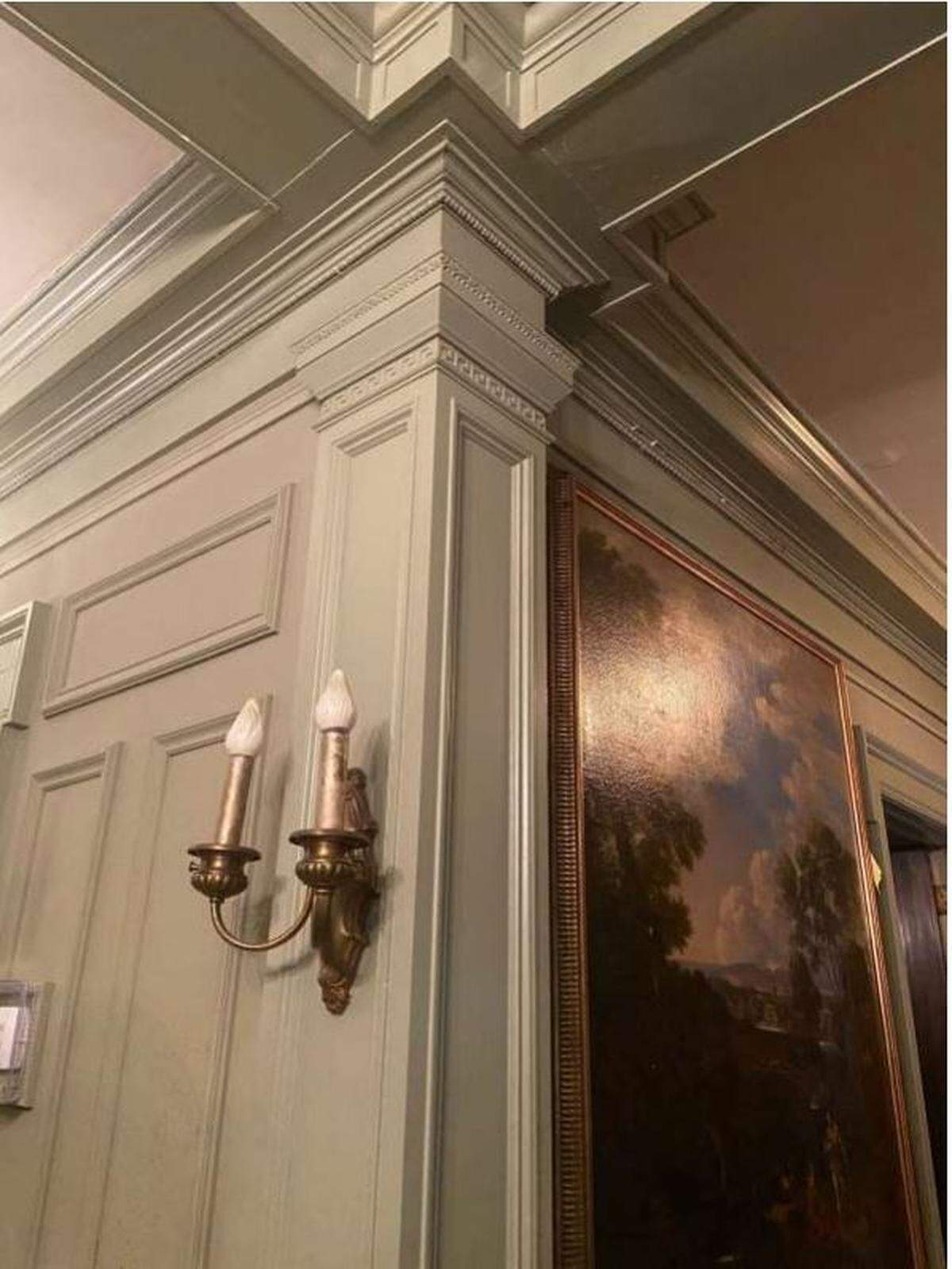
Built in 1913 for George B. Richards, the wealthy owner of the Richards & Conover Hardware Co., the 7,400-square-foot home, made of red brick, features Corinthian white pillars, ornamental plaster ceilings and a sweeping formal staircase.
Despite the home’s elegant appearance — having five bedrooms, multiple carved fireplaces, a music room and portico surrounded by a white balustrade — the Vawter brothers argued that the home had long been in decay, with bad plumbing, electricity and structural problems.
The cost of restoration or repair, they said, was too high to attract a residential buyer.
This story was originally published June 3, 2026 at 2:32 PM.