KC Zoo opens new exhibit for world’s tallest mammals. Here’s how to see them up close
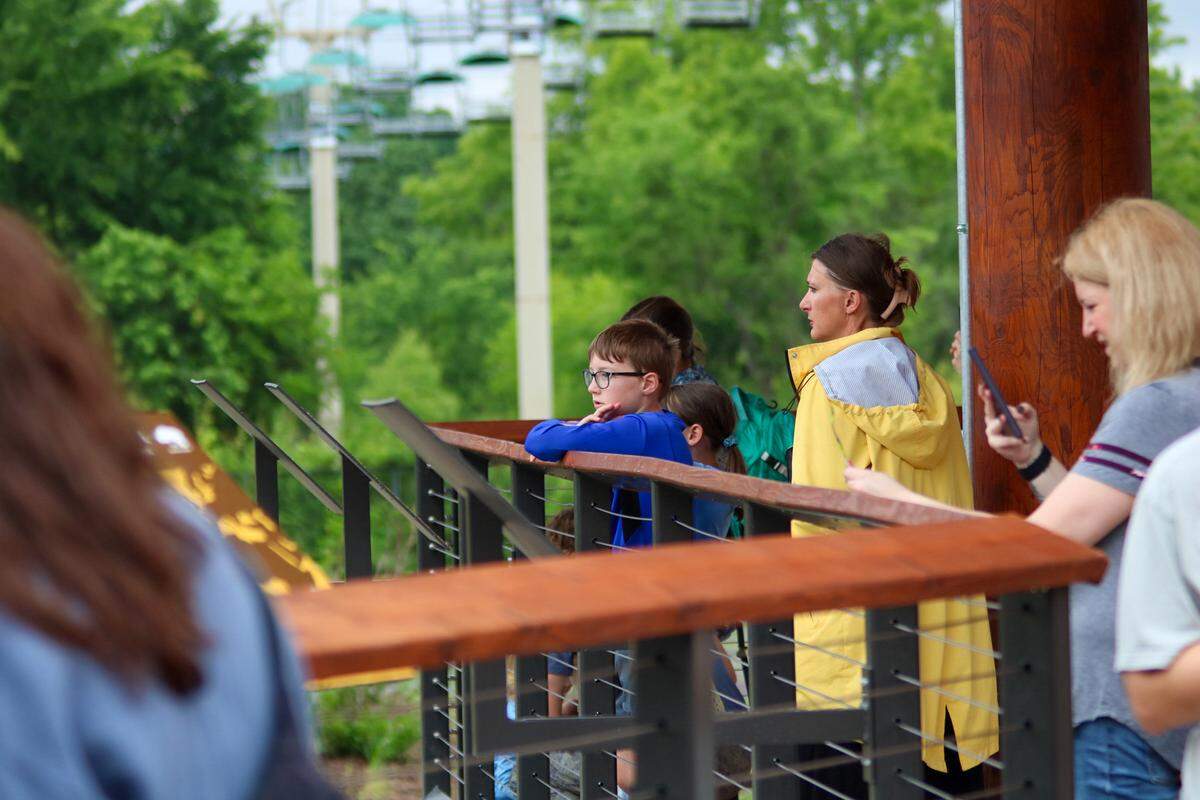
Looking out over the railing at the new Giraffe Crossing exhibit at the Kansas City Zoo and Aquarium Friday was 10-year-old Will Shipman.
He was in just the right spot to see his all-time favorite animals explore their new home.
“Giraffes are our favorite,” Will’s mom Melissa Shipman said.
“And flamingos,” his little sister shouted.
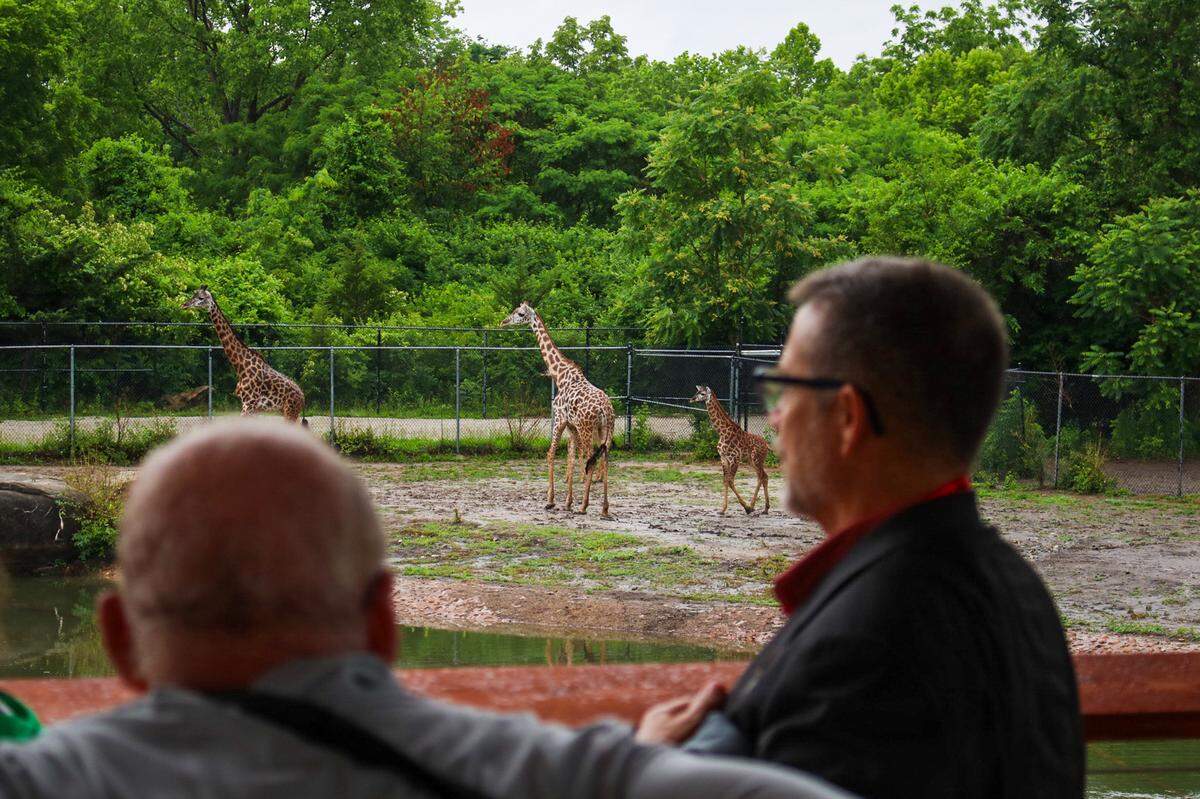
As Will gazed at the tallest land mammals on Earth, two calves galloped playfully across the exhibit, chasing one another.
The family watched the giants from a newly-constructed outlook spot in the KC Zoo’s Africa area. KC Zoo staff and leadership gathered with donors, designers, builders and zoo members to celebrate the $22 million investment Friday.
New giraffe exhibit at KC Zoo and Aquarium
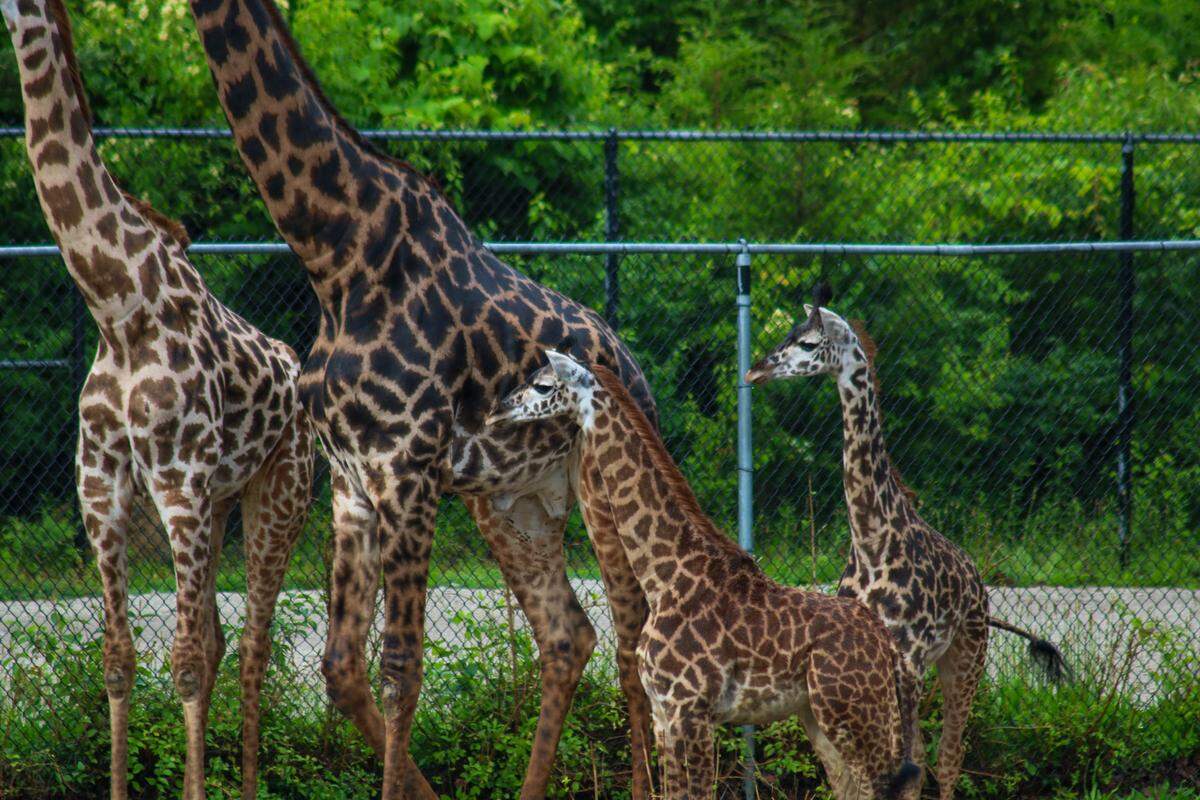
There are eight giraffes at the KC Zoo — three adult females, three young calves and one adult male, plus one additional adult female that’s scheduled to be transferred to another zoo soon.
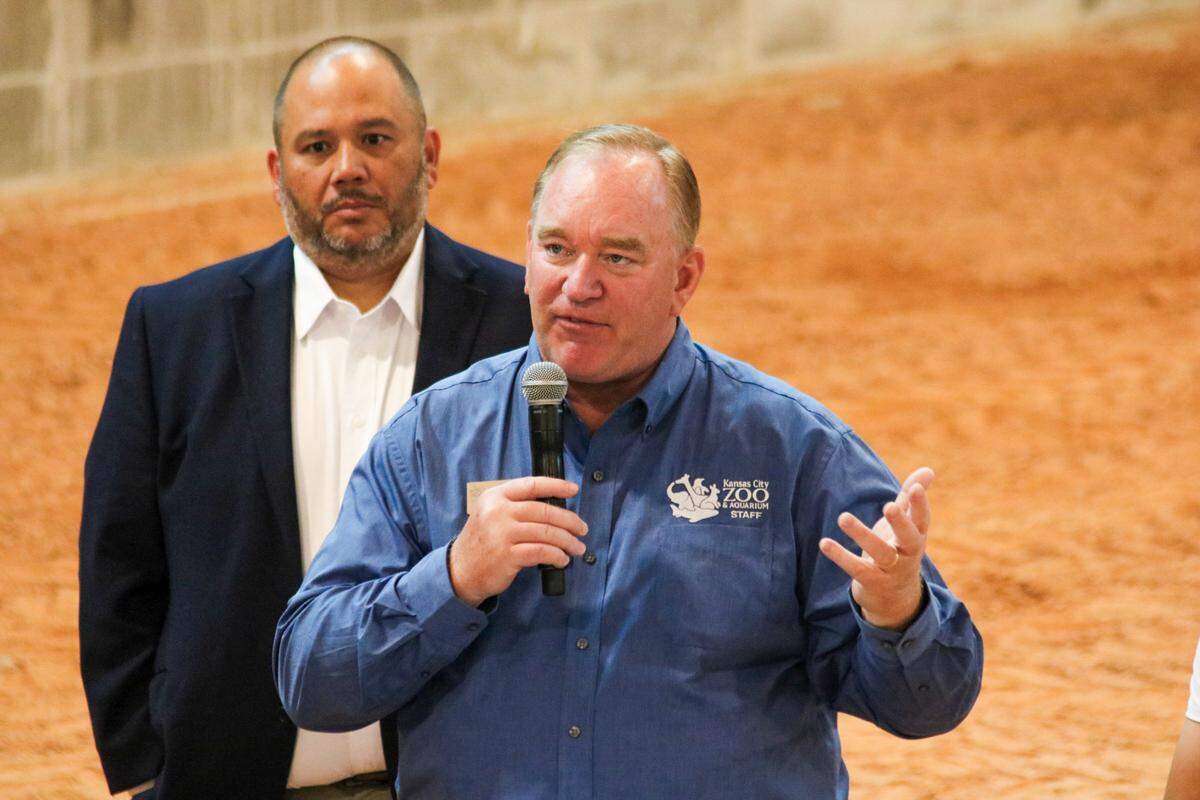
The improved exhibit came after years of feedback from visitors frustrated they could not see giraffes year-round, said Sean Putney, the zoo’s CEO and executive director.
Before, the giraffe barn was a quarter-mile from the giraffe exhibit, requiring a trek for the animals to get indoors. When it’s colder out, they prefer to be inside. That limited how often guests could see and interact with them.
Now, a new barn with massive stalls and space for them to roam indoors sits right next to their outdoor space.
“If it’s a good project, then it’s better for the animals, better for our staff and better for our guests,” Putney said. “If we can ensure that’s the case every time we do something, then it’s a win. We think that’s the case with this project.”
Giraffe Crossing features
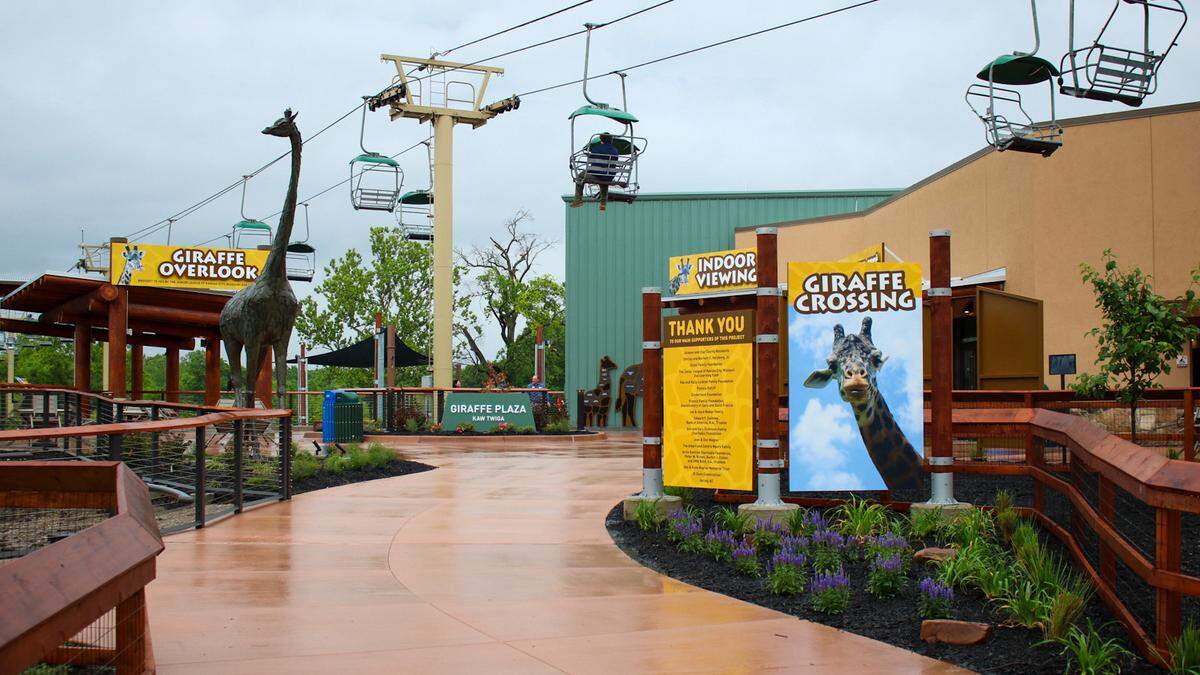
The new exhibit features elevated feeders that staff can load with hay and hoist around 16-feet high, a more natural feeding height for giraffes.
It includes three outdoor yards instead of just one, allowing for more flexible management of the animals. There are more shaded structures and an overlook area.
New enrichment features and varied yard layouts are meant to encourage more natural giraffe behavior, Putney said.
Inside yards are between 3,000 to 5,000 square feet and can be combined or kept separate.
The indoor facilities allow zoo staff to better keep animals separate if they need. For instance, when a mother giraffe is preparing to give birth, or when they are training giraffes for certain activities, Putney said.
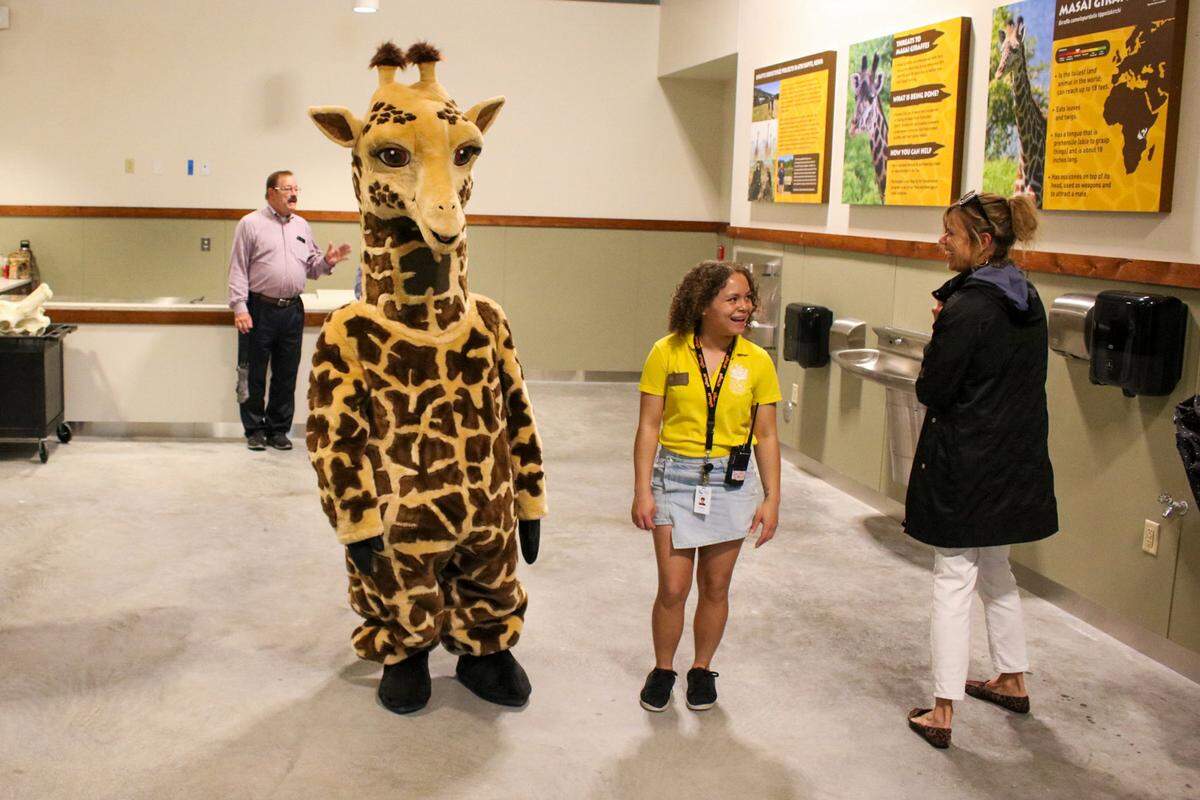
An education space in the complex also gives staff a home base for talking about giraffe conservation and the zoo’s work helping animals in Africa through partner organizations.
Donors fund half of project
Giraffe Crossing is part of the zoo’s broader 10-year capital plan and ongoing transformations supported by the Zoological District tax and private donors.
The Kansas City Zoological District tax is a 1/8-cent regional sales tax approved by voters in 2011, which helps fund the KC Zoo. It applies to all retail sales in Jackson and Clay Counties.
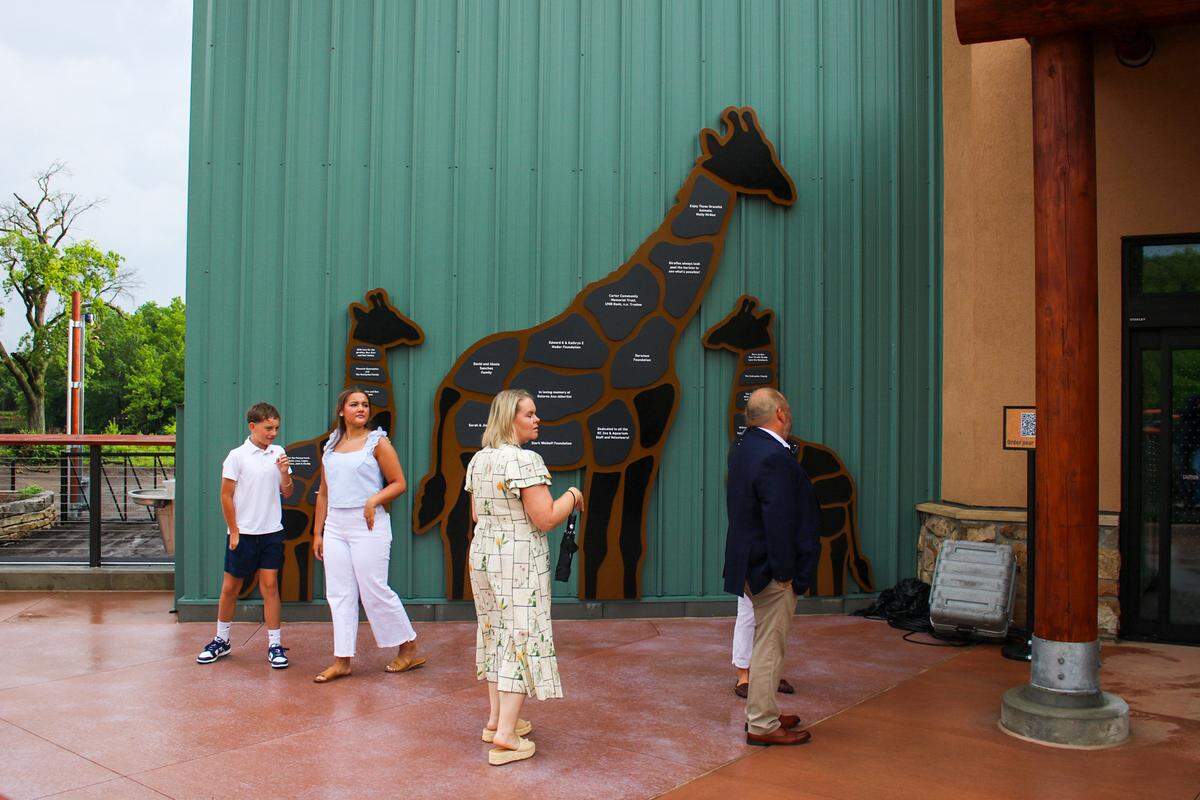
A mix of family foundations, corporations and individual donors funded half of the project’s cost. More than $125,000 was raised from small donors who purchased plaques at the giraffe area.
Leaders framed the fundraising effort as example of how the tax district and private philanthropy together have allowed the zoo to become “world‑class.”
Future projects at KC Zoo
More improvements are in store for the zoo in years to come, Putney said.
It will refurbish its education building starting in June, which will double the number of classrooms available and adding small animal habitats. It will redo a swan exhibit nearby and add bald eagle and bobcat areas.
A new bear exhibit is on the list for the future, followed by improvements to the flamingo area and an overhaul of the Tiger Trail exhibit.
In the Africa section, the zoo eyes a revamp of the hippo and crocodile habitats and at least one additional exhibit.
Altogether, the projects are meant to build on previous additions like the aquarium and the giraffe complex. They will update aging infrastructure and aim to improve guest experiences, Putney said.
“We’ve got a lot of acres here, we have 200 acres, and so the nice thing about Kansas City is how much space we have,” Putney said.
“You feel like you’re out in the woods, you feel like you’re in nature, and at the same time it gives us the ability to have some bigger exhibits and bigger buildings that are better for the animals,” he said.