KU Hospital monitoring 3 Kansans exposed to deadly hantavirus, state confirms

The three Kansas residents who came into close contact with a person who tested positive for the Andes hantavirus are being monitored at the University of Kansas Health System hospital in Kansas City, Kansas, state health officials say.
None of them have so far tested positive for the respiratory disease that stems from rodents, according to the Kansas Department of Health and Environment.
The three state residents came in contact with an individual who was a guest on the MV Hondius Cruise and later tested positive for the virus. The three Kansans were not aboard the cruise ship but experienced a “high-risk exposure” with the individual.
State health officials previously declined to say where they were being monitored.
Jill Bronaugh, a spokesperson for the KDHE, said in an email to The Star on Thursday that all three of the Kansas residents were transported to the KU hospital for observation and that none of them have tested positive for the virus.
Bronaugh said KDHE will notify the public if there are any confirmed cases in the state.
“There are no confirmed cases of the Andes hantavirus in Kansas, and the risk to the general public from the Andes virus remains extremely low,” Bronaugh said. “Should any of the individuals test positive for the Andes hantavirus, the public will be properly notified, and additional information will be provided.”
Bronaugh did not provide any additional information about the three residents, citing patient privacy concerns.
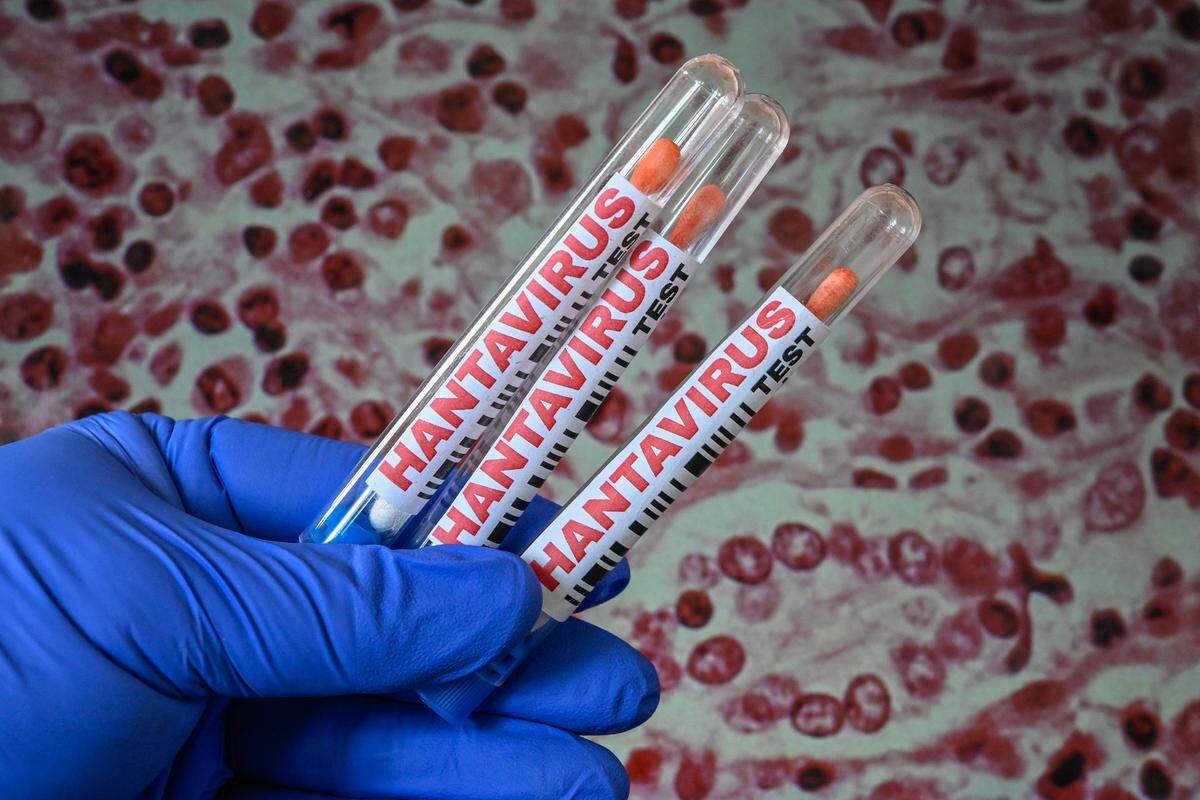
The Andes hantavirus is a disease that can spread through exposure to rodent droppings, urine and saliva, but can sometimes be contracted from prolonged contact with an infected person, according to the KDHE.
The virus can cause a severe respiratory illness called Hantavirus Pulmonary Syndrome that includes early symptoms of fatigue, fever and muscle aches. Several days after developing symptoms, people can experience severe lung illness that can be fatal and includes additional symptoms of coughing, chest tightness, and difficulty breathing.
KDHE says there is no specific treatment available, and care focuses on supporting an infected person through their illness. Typically, only people with symptoms are considered infectious and symptoms can develop between four and 42 days of exposure to the virus.
The outbreak originated from a cruise ship carrying 122 guests and crew through the Atlantic Ocean earlier this month.
The Associated Press reports the ship has so far led to nine confirmed cases and three deaths, including a couple from the Netherlands who were believed to be the first exposed to the virus while visiting South America.
This story was originally published May 14, 2026 at 1:13 PM.