Indian Creek flash flooding hit Kansas City parks harder than Johnson County
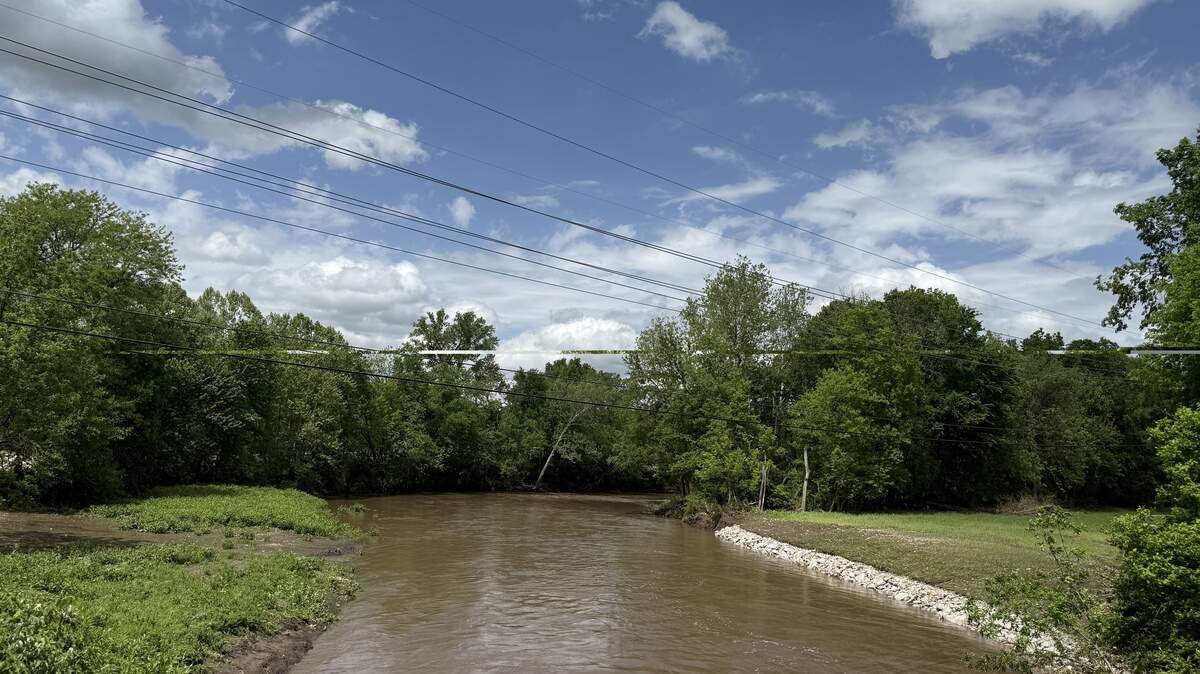
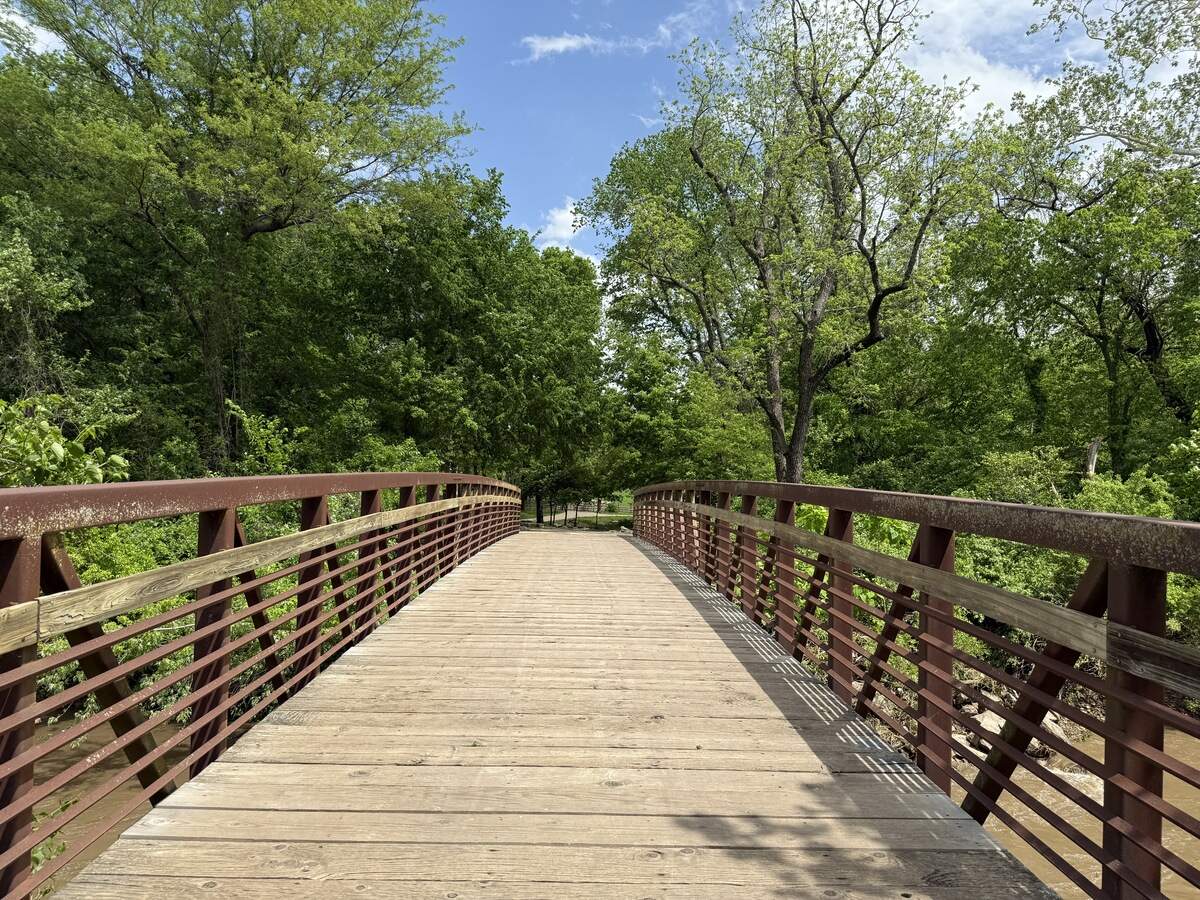
Paved trails along Indian Creek in Leawood City Park were muddy, with small parts pooling with water. Downed trees and debris were scattered beyond the trail’s fenced boundaries. On a bridge, a Star reporter could see the creek’s high, fast moving waters.
Leawood’s Parks and Recreation Department went out on Monday morning after this weekend’s storms to assess damage, clean up any debris and close off sections of the park — including Leawoof Dog Park — due to flash flooding, Leawood spokesperson Beth Breitenstein said in an email.
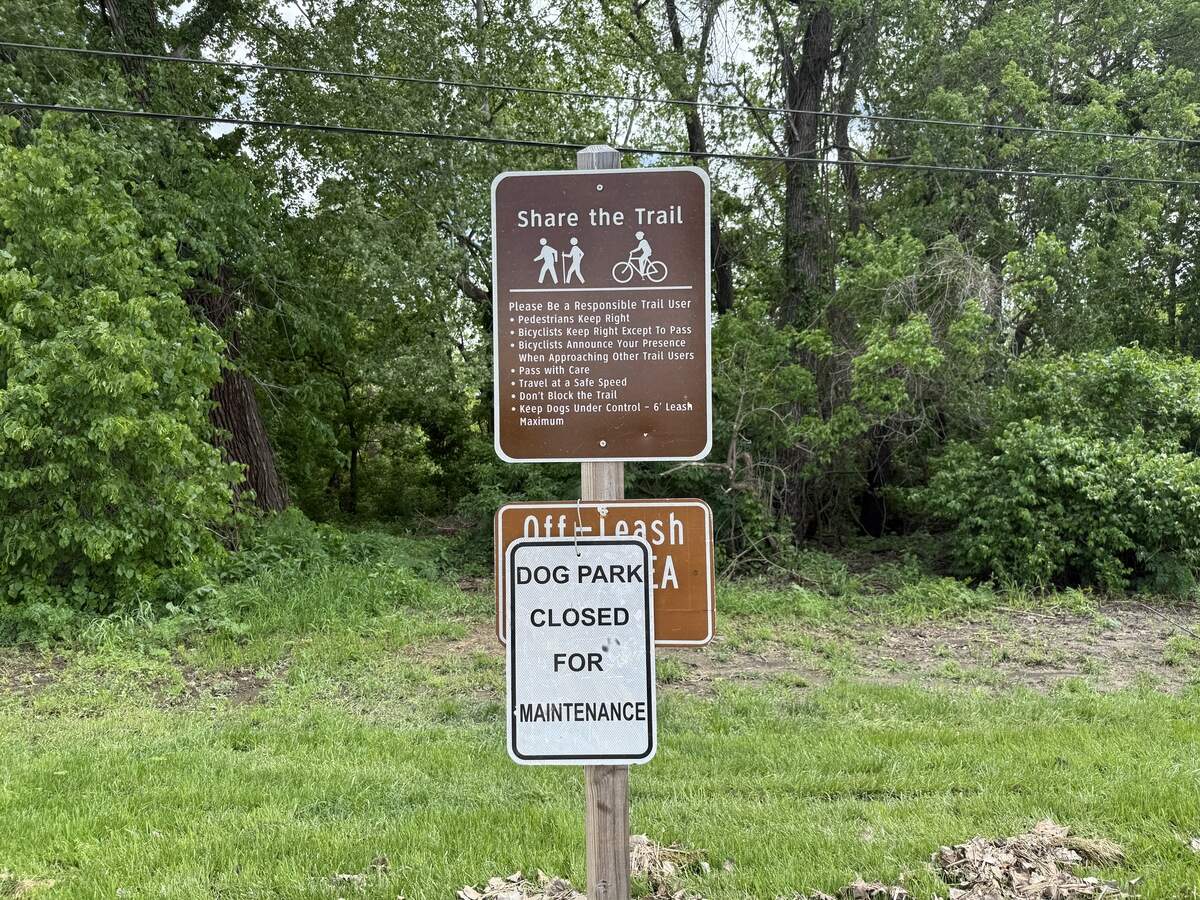
“This is not abnormal activity as we see this in the event of flash flooding like we had overnight,” she said.
Located in a floodplain, Indian Creek — which cuts through Leawood, Overland Park and Kansas City — is no stranger to flooding. Last summer, floodwaters submerged trails and low-lying areas along the Indian Creek corridor. At least one person had to be rescued from a park on the Missouri side as water swept up anything in its path.
While the National Weather Service issued a flood advisory for Johnson and Jackson counties on Monday morning, parts of the creek in Johnson County didn’t see as high of waters as it had in the past.
However, the Missouri side took a harder hit, with the Kansas City Parks and Recreation Department assessing conditions at many parks and continuing cleanup efforts into Tuesday, said Toni Zibert, a Kansas City Parks and Recreation spokesperson.
Indian Creek’s water levels
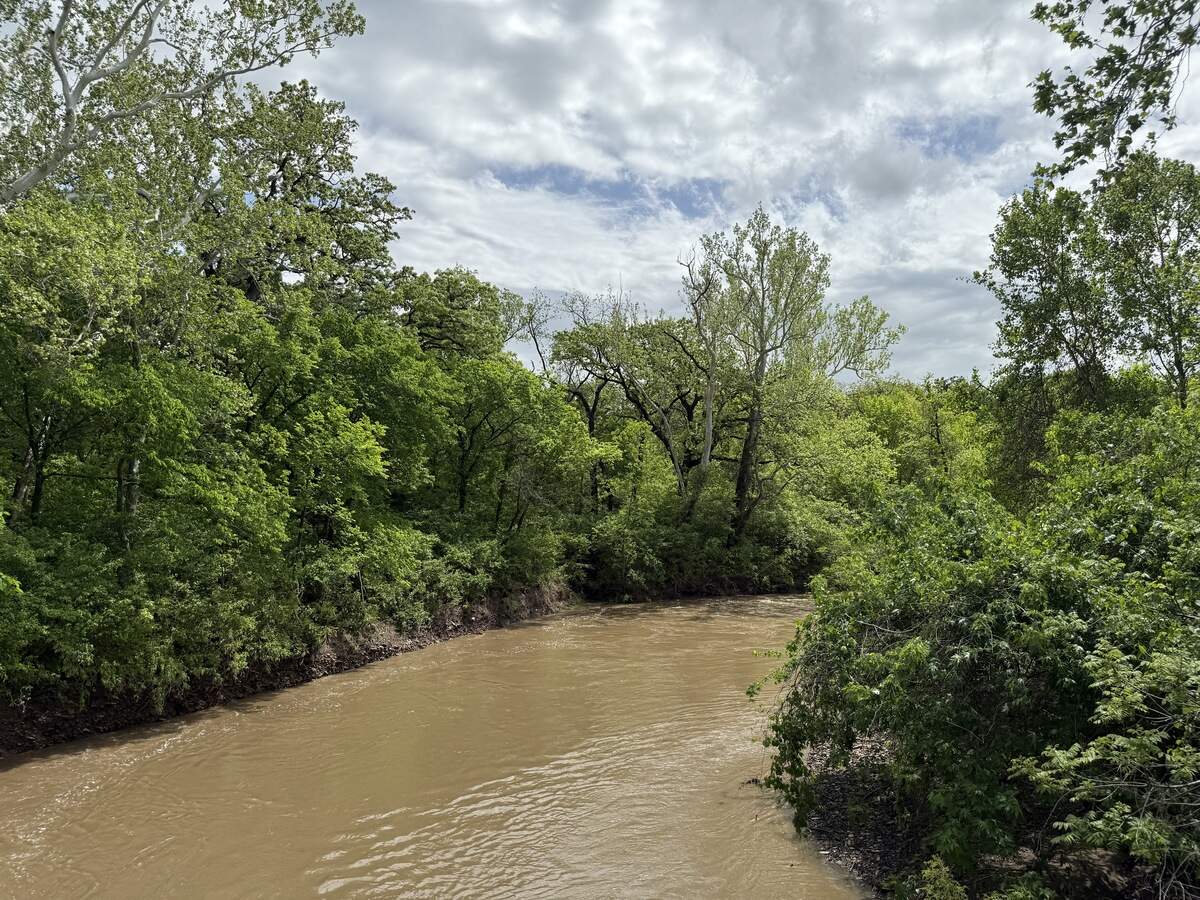
According to Stormwatch — Johnson County’s shared flooding and creek monitoring dashboard — Indian Creek only hit the monitor stage, Overland Park spokesperson Meg Ralph said, meaning that the city was just watching the creek in case it got worse. The dashboard shows the creek hit its peak at 7:32 a.m. at 11.32 feet.
The monitor stage is 11 feet, according to Stormwatch. The creek’s considered flooded at 14 or 15 feet high. Its record high was at 18 feet in August 2017.
“We always have staff on standby after a storm to place barricades at low-lying sections of the street if needed, but it doesn’t sound like any were actually placed today,” Ralph said, adding that the city didn’t receive reports of damage near the creek. “The creek typically recedes quickly.”
As of 2 p.m. on Monday, Indian Creek’s levels in Johnson County receded to a little over 7 feet.
According to the National Oceanic and Atmospheric Administration, Indian Creek at State Line Road hit its peak of 20 feet at 8 a.m., which the federal agency considers to be “minor flooding.”
By 3 p.m., the creek’s waters near State Line Road dipped to 12 feet.
Kansas City’s cleanup
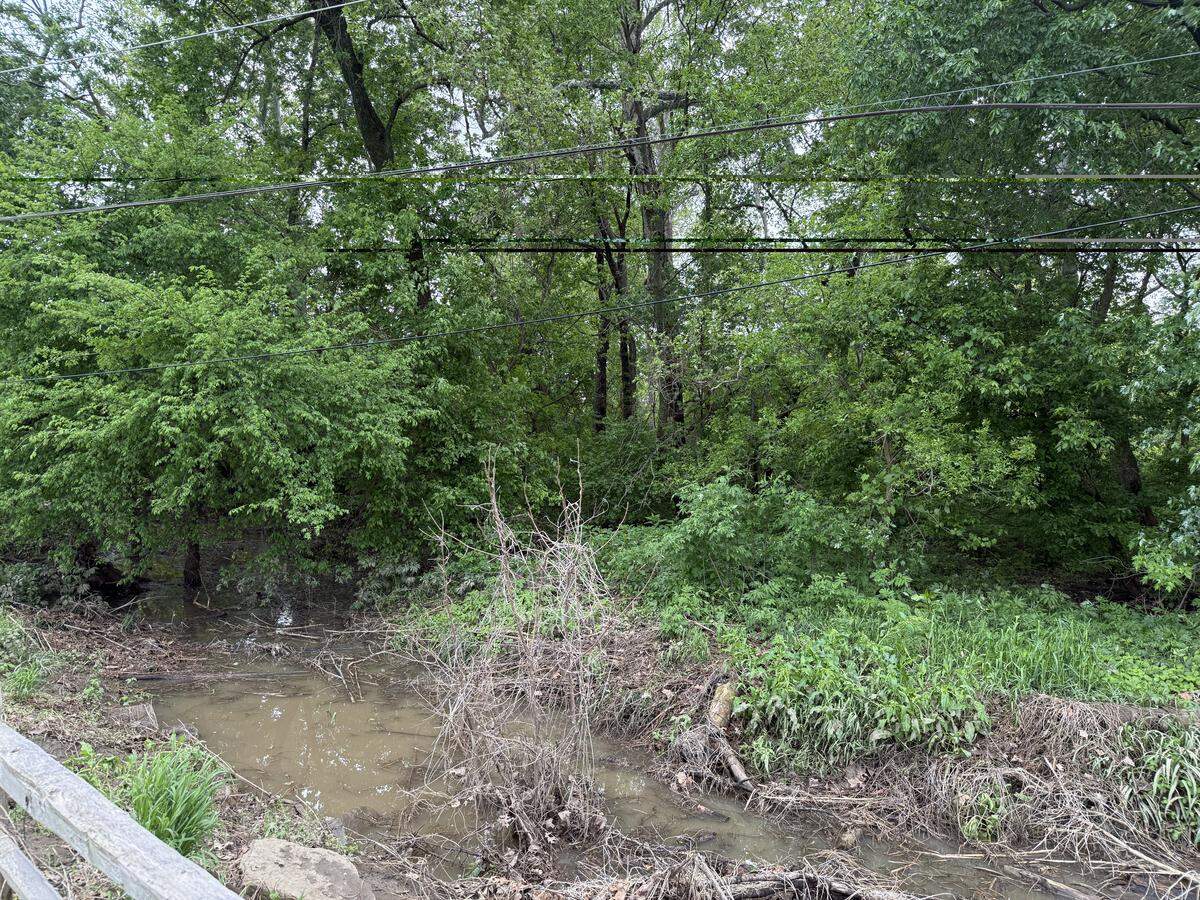
Many large trees and limbs fell down throughout Swope and Minor Parks, Zibert said. On Tuesday, crews will check on Indian Creek Trail and any mud deposits — which can be very slippery for equipment to drive on.
“Cleanups can be as simple as utilizing heavy equipment such as skidsteers to scrape mud from trails, or as complex as logjams under bridges,” she said. “In the past, depending on the severity, Public Works has assisted with excavators to clear debris.”
If crews find trees, brush and other debris washed onto trails — the cleanup could potentially take days to complete. However, conditions still need to be assessed, Zibert said.
Preventative measures
In order to better mitigate future flooding, the Leawood City Council voted to approve an Indian Creek Watershed Master Plan last December, which would help the city identify potential solutions for areas along 103rd Street to College Avenue that are in the floodplain.
According to city documents, the master plan is expected to be completed within 12 months.
In 2024, Overland Park approved a $1 million project to improve its storm sewer systems between Antioch and Switzer Roads near Indian Creek to alleviate flooding. It was part of a multiphased construction project to help get more properties out of federally designated floodplains.
Both Leawood and Overland Park didn’t provide updates to the Master Plan and storm sewer projects before publication.
Zibert, with the Kansas City Parks and Recreation Department, said that she didn’t have more information on future flood mitigation.
The Star’s Dylan Lysen contributed reporting.