Were Kansas tornado warnings late because of Trump’s cuts at weather service?
AI-generated summary reviewed by our newsroom.
- About 13% of balloon launch sites were eliminated in 2025.
- The National Weather Service faced staffing cuts and launch operation changes in 2025.
- Experts say omitting balloon data can amplify errors and affect forecasts for storms.
Forecasters rely on a steady stream of atmospheric data to predict severe weather.
But changes to weather balloon launches last year have raised new questions about whether critical information is being missed, especially during fast-changing storm systems like those that produced tornadoes near Kansas City this week.
The National Weather Service faced staffing cuts and changes to balloon launch operations in 2025 under efforts by President Donald Trump’s administration and Elon Musk’s Department of Government Efficiency. CBS News reported that about 13% of balloon launch sites were eliminated during that time.
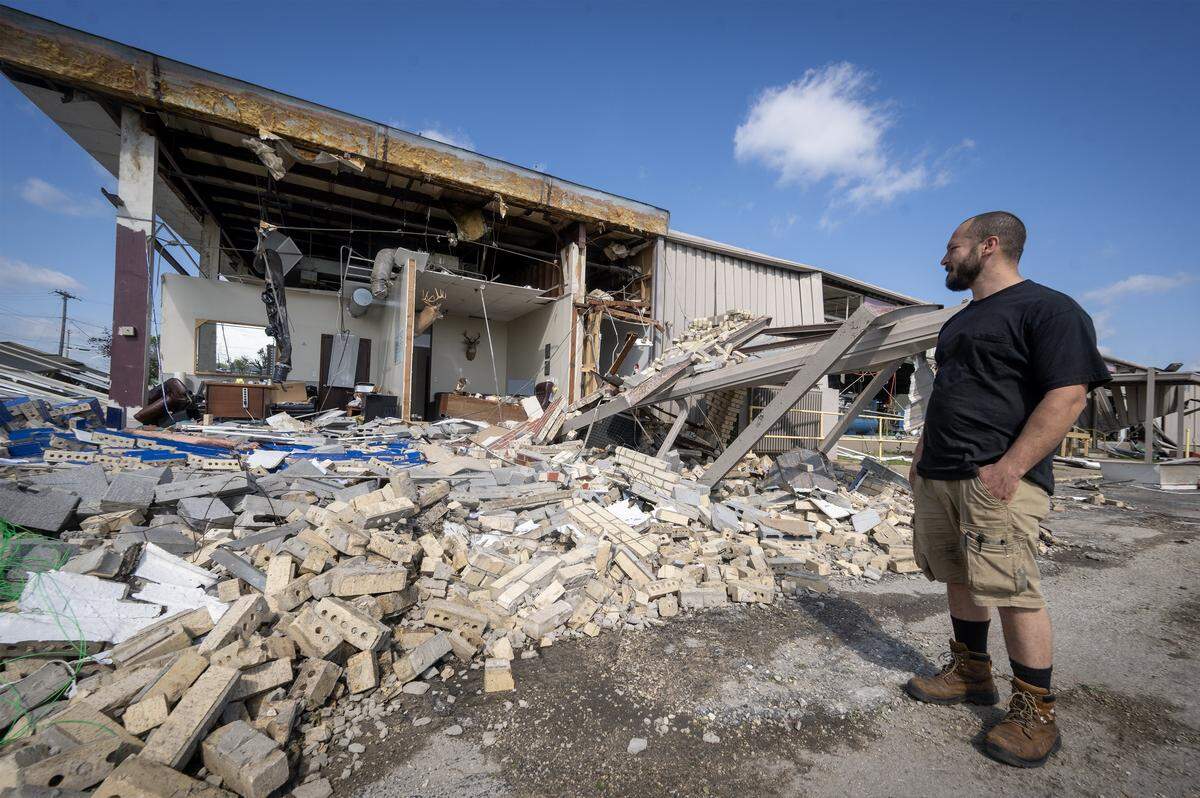
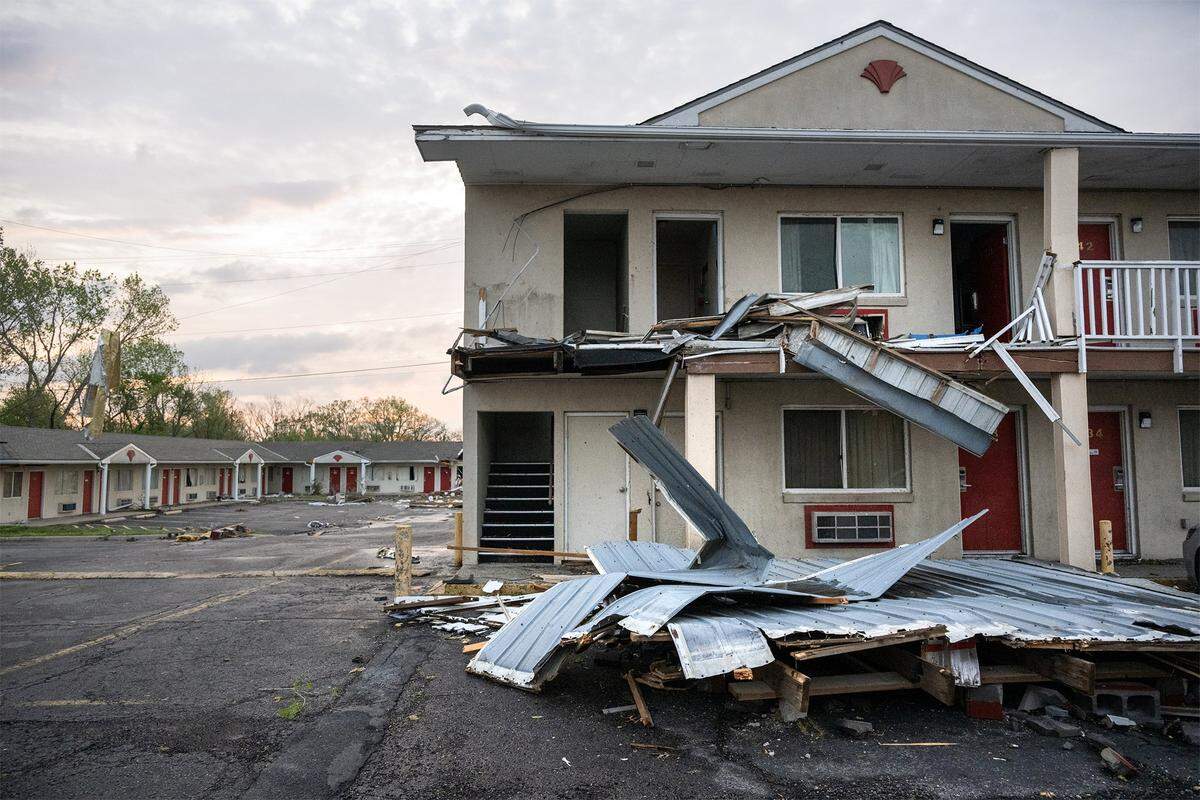
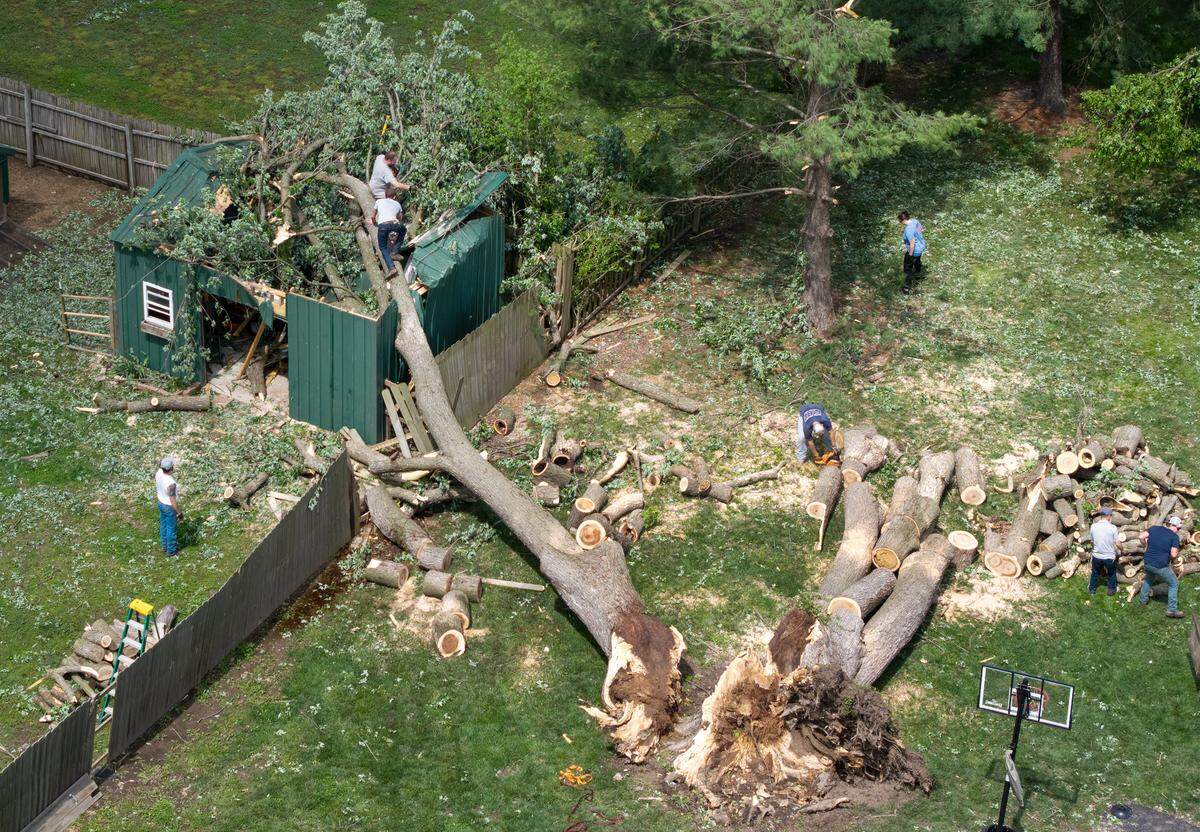
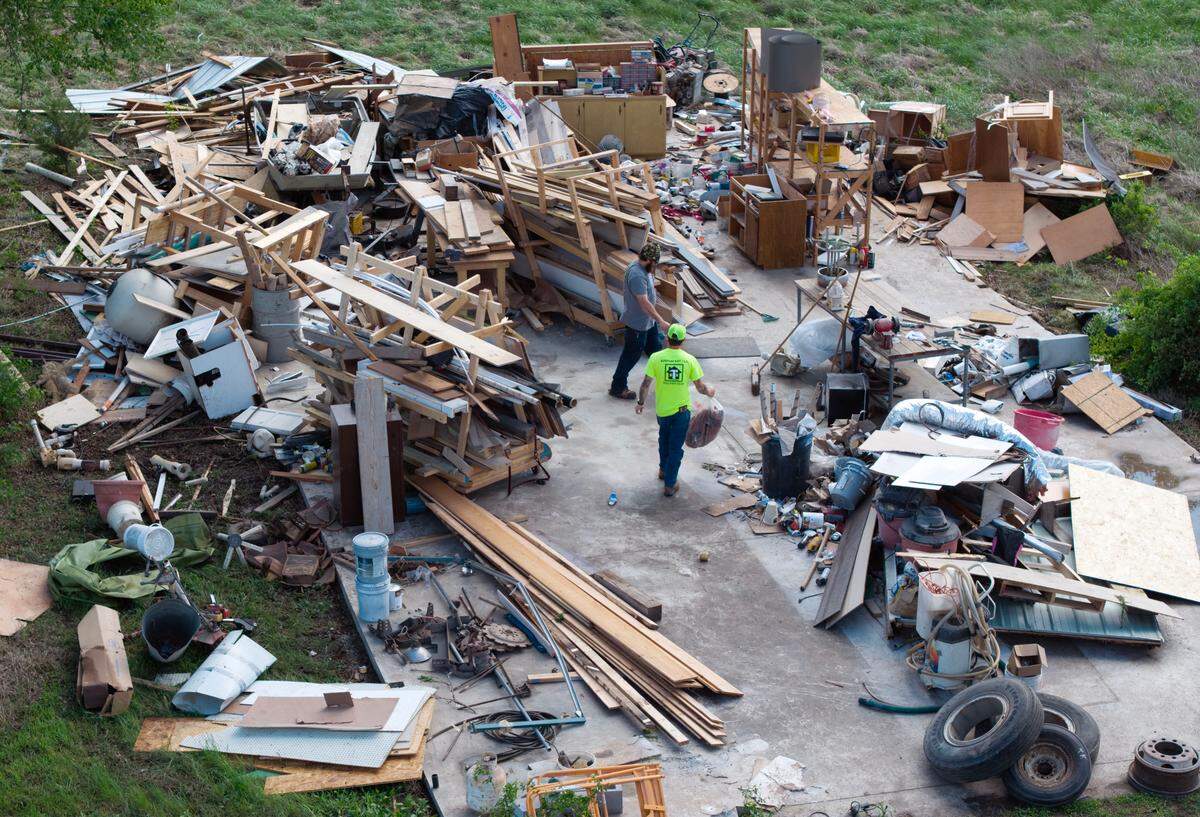
A tornado struck Ottawa, Kansas, about an hour southwest of Kansas City, on Monday evening. The National Weather Service confirmed an EF-2 tornado touched down and tracked just south of the town center for just over seven miles. A second EF-0 tornado briefly touched down even further west of the city. Three injuries were reported.
NBC News reported about the initial Monday forecast, which hadn’t predicted a tornado threat, citing the changes in weather balloon schedules for the agency following changes initiated by the Trump administration.
FOX 4 meteorologist Joe Lauria weighed in on the report through a post on X, formerly Twitter, saying their internal models showed potential for severe weather and that maybe additional launches would’ve helped.
“Briefly...environment there to be had,” Lauria said in the post. “Our internal model showed this potential as well. At 6PM I ratcheted up the threats.”
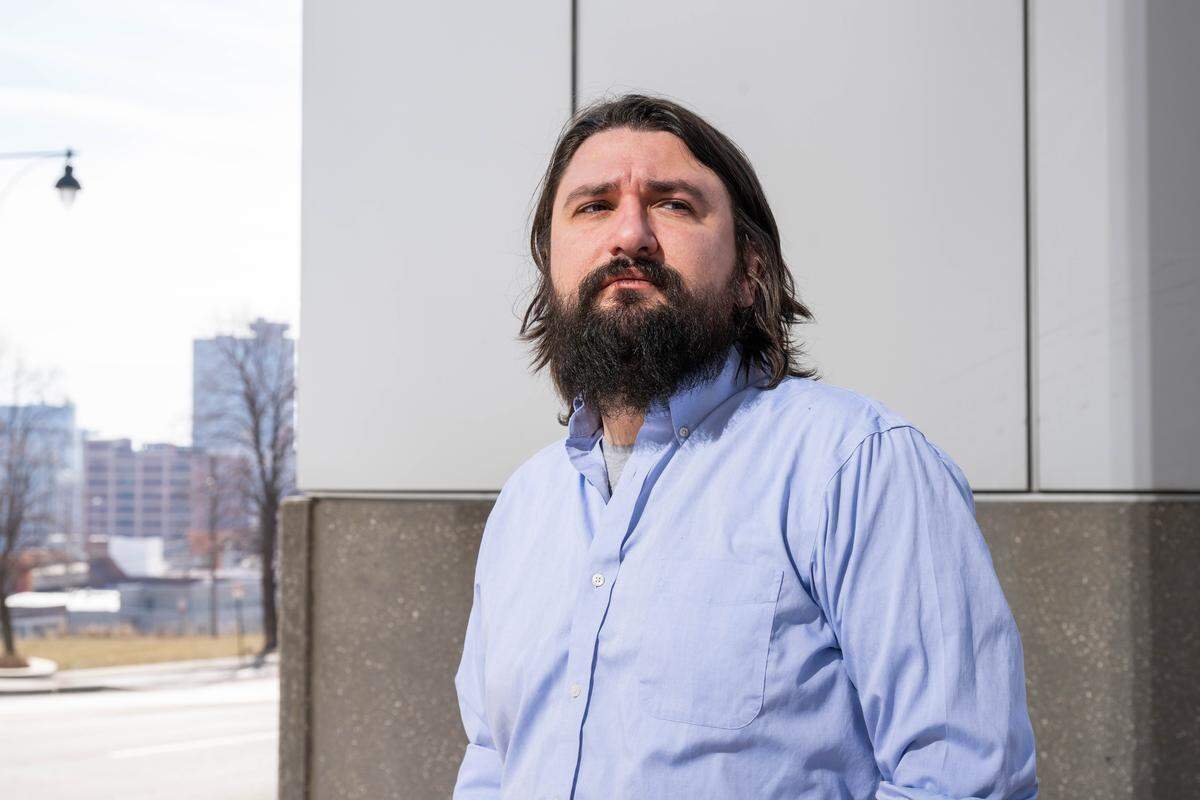
Chris Vagasky, manager of the Wisconsin Environmental Mesonet, said severe weather situations and the changes that can create greater storms can be very subtle.
“We don’t have weather balloons that are being released every 50 miles every hour,” Vagasky said. “So when we don’t launch those balloons, or we don’t launch those balloons when the models are expecting that data, that’s missing potentially an important clue for us to understand what the forecast is going to evolve to do.”
Vagasky said that’s not to say that the forecast on Monday was bad; instead, “it was a low probability, high-impact event, which sometimes requires additional data if you want to hone in on the forecast.”
“And the models that we use, they are very data hungry,” Vagasky said. “They are always looking to have as much information fed into them so that you can get a very accurate picture. You’ve heard of the butterfly effect. And if you make slight changes or you omit data, the errors in those models multiply out and get bigger and bigger over time.”
Vagasky said that those changes started to get better by summer 2025, but the changes in launch times have led to questions about the data received.
“It’s a question of, ‘How is the change in these balloon launches affecting the data or affecting the forecast accuracy?” Vagasky said. “And to be able to know that, there needs to be what are known as data denial experiments.”
Those data denial experiments would have to go back a few years and look at the data from prior years’ forecasts. Then one would take out the data from those forecasts from the weather balloons that aren’t launched today.
“So, for example, you would look at April 17, 2023, the weather models from that morning, and then look at today, where the weather balloons weren’t launched, and take out those data points from 2023 and see how that forecast changes,” Vagasky said.
That would provide a better understanding of what data or context might be missing with the changes in launch times, he said.
As for how that data might impact forecasts, Vagasky said that it’s important to remember that this is the Great Plains in the Spring.
“It’s tornado alley in the springtime,” Vagasky said. “And when there is a chance of thunderstorms, there’s often a chance of severe thunderstorms that goes along with that, and the meteorologists are doing what they can to make sure that forecast is as accurate as it can be.”
This story was originally published April 17, 2026 at 5:48 PM.