Civil rights leaders call for more action in KC: ‘The worst is yet to come’
Recognition of civil rights leaders blended into a clear warning about the current state of American democracy as activists gathered Thursday in Kansas City.
At Starlight Theatre, the Urban League of Greater Kansas City brought together civic leaders, activists and residents for its 68th Annual Difference Maker Awards Luncheon.
Framed by the theme “Democracy Under Siege: Radical Resistance Required,” the program quickly moved beyond celebration. Speakers emphasized urgency, civic engagement, and the responsibility of both institutions and individuals to respond to what many described as a pivotal moment.
The luncheon honored Bridget Williams, executive director of the Heavy Constructors Association of Greater Kansas City, for leadership in civic engagement and featured the Rev. Al Sharpton as both keynote speaker and recipient of the Civil Rights Living Legend Award.
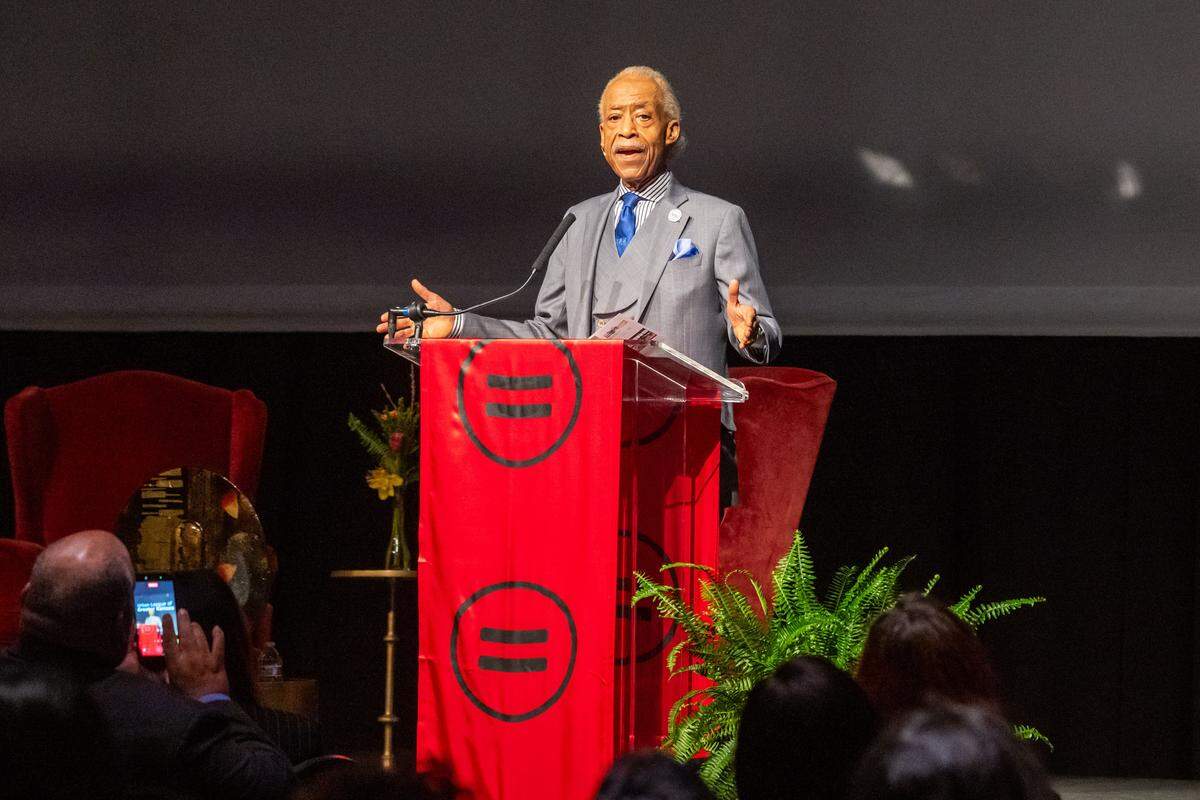
The Urban League also acknowledged the decades of local advocacy work of Gwen Grant, who will retire as president and CEO over the next year.
From the outset, the event’s tone was set with stark language about national issues, including the rollback of civil rights protections and threats to democratic institutions. The message was consistent throughout the afternoon: This was not a moment for passive reflection, but for action.
Williams, recognized for her role in shaping regional infrastructure policy and civic accountability, was described by Kansas City Councilwoman Melissa Robinson as a leader who “transforms civic life” rather than simply participating in it. Robinson highlighted Williams’ work across sectors, from labor and construction to public transit, as well as her role in efforts to hold elected officials accountable.
In her acceptance remarks, Williams pushed back on the idea of individual recognition, emphasizing instead the collective nature of civic work.
“Being a difference maker is not a job you can do alone,” she said. “It’s the long hours, the nights on the telephone, the things people don’t see.”
Her comments grounded the event’s larger themes in everyday labor, reframing impact as sustained effort rather than singular moments.
‘We have to make it right’
That focus on visibility and persistence carried into Sharpton’s remarks, which centered on the role of public pressure in driving change. A national figure in civil rights advocacy for more than four decades, Sharpton framed his work as deliberately public.
“People say I want publicity,” he said. “That’s exactly what I want. Nobody calls me to keep a secret. They call me to keep the issue out there.”
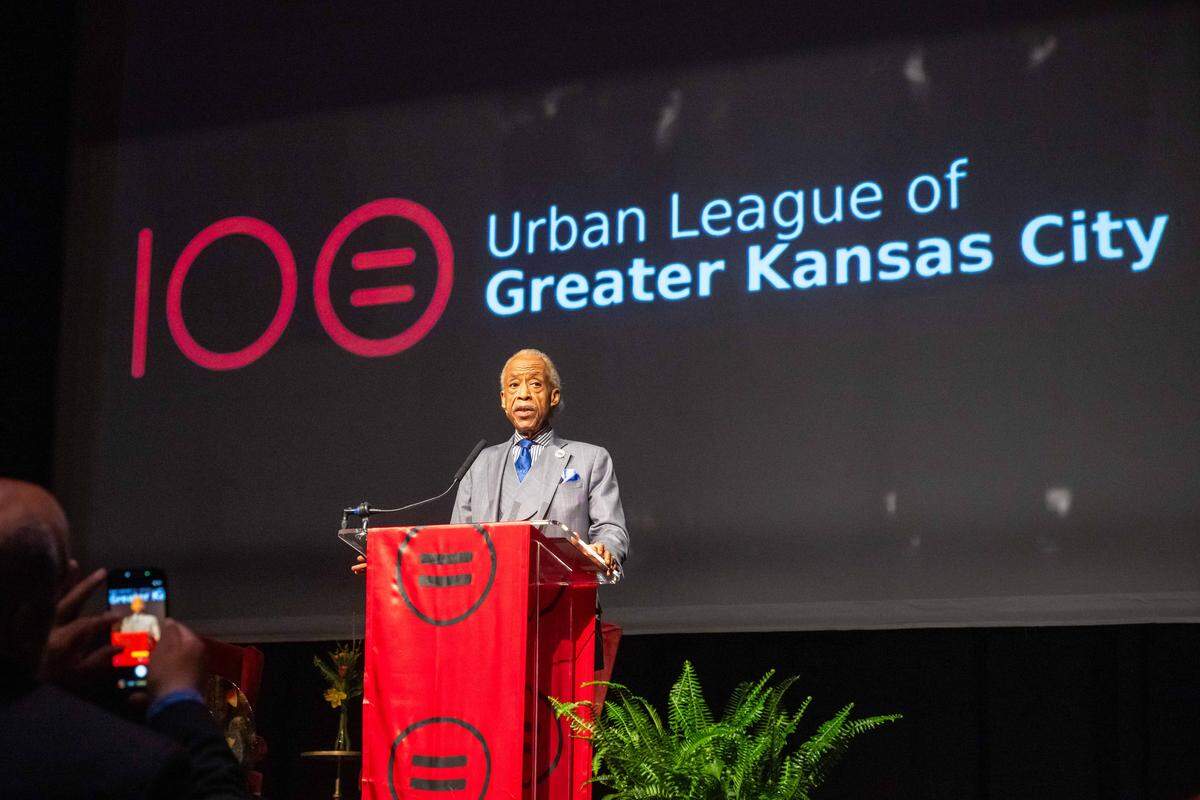
Sharpton described civil rights progress as the result of coordination between those working inside systems and those applying pressure from the outside. Both roles, he said, are necessary to produce lasting change.
He also warned against complacency, particularly as legal and political battles over voting rights continue.
“People fought to get the Voting Rights Act,” Sharpton said. “We have to fight to maintain it.”
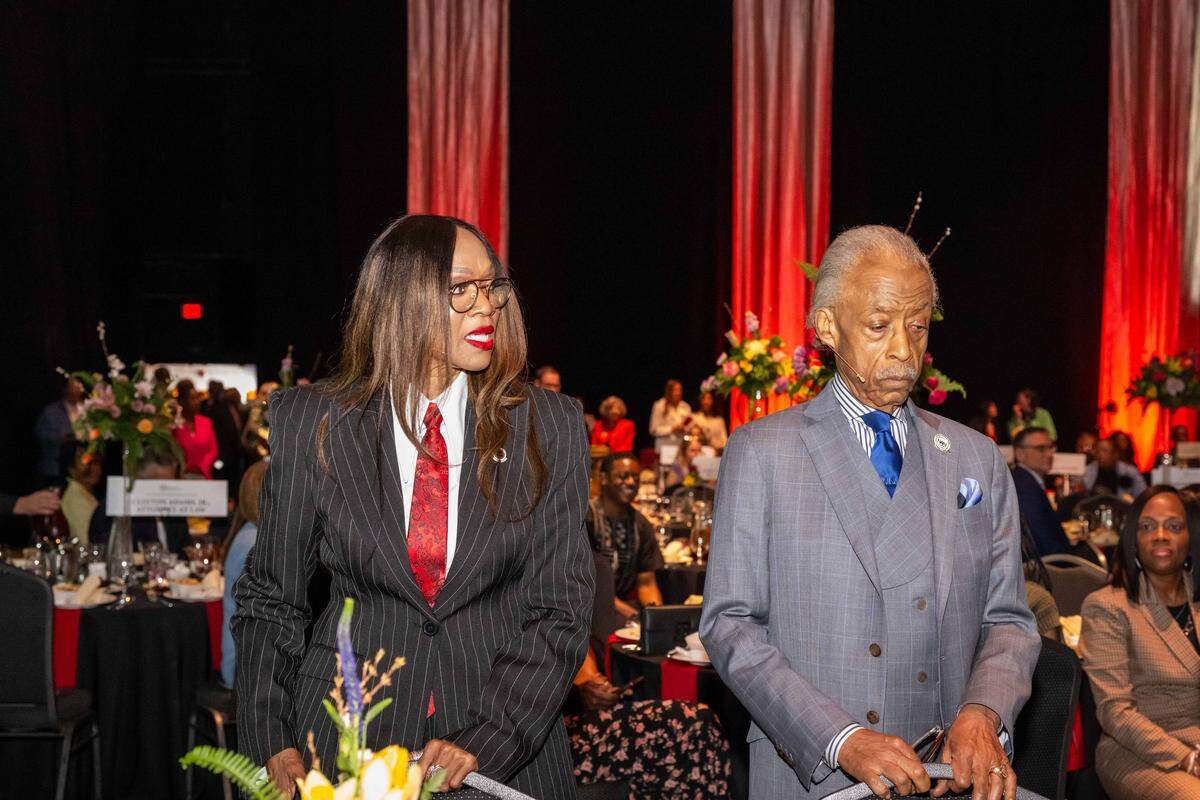
In a wide-ranging conversation with Grant, Sharpton addressed voter engagement, generational divides and what he described as the “normalizing” of political conditions that would have once been considered unacceptable. He argued that many Americans underestimate the stakes of the current moment.
“We have not given a sense of urgency,” he said. “It’s not going to be all right. We have to make it all right.”
Grant echoed that concern, pointing to what she described as a disconnect between the severity of national developments and public perception. She also challenged political leaders, particularly within the Democratic Party, to more aggressively use the power they hold.
“There’s no reason to have power if you’re not going to use it,” Sharpton responded.
The conversation extended beyond national politics to local issues, including economic disparities and community conditions in Kansas City’s urban core. Grant raised concerns about concentrated liquor sales and disinvestment in predominantly Black neighborhoods, calling for policy action and community accountability.
Throughout the discussion, both speakers returned to the importance of education and historical awareness, particularly among younger generations. Sharpton argued that disengagement is often rooted in a lack of understanding about the struggles that secured existing rights.
“You can’t blame young folks for not knowing what we never told them,” he said.
Gwen Grant to retire from Urban League
The luncheon also marked a significant moment for the Urban League itself as it marked Grant’s retirement, with. a planned transition through March 2027. Robinson joined the organization as president and chief operating officer.
Speakers described Grant’s tenure as transformative, citing her leadership during the COVID-19 pandemic and her role in shaping civic responses to racial justice issues. A new honor, the Gwendolyn Grant Medal of Honor in Courage, will be established in her name and awarded at future luncheons.
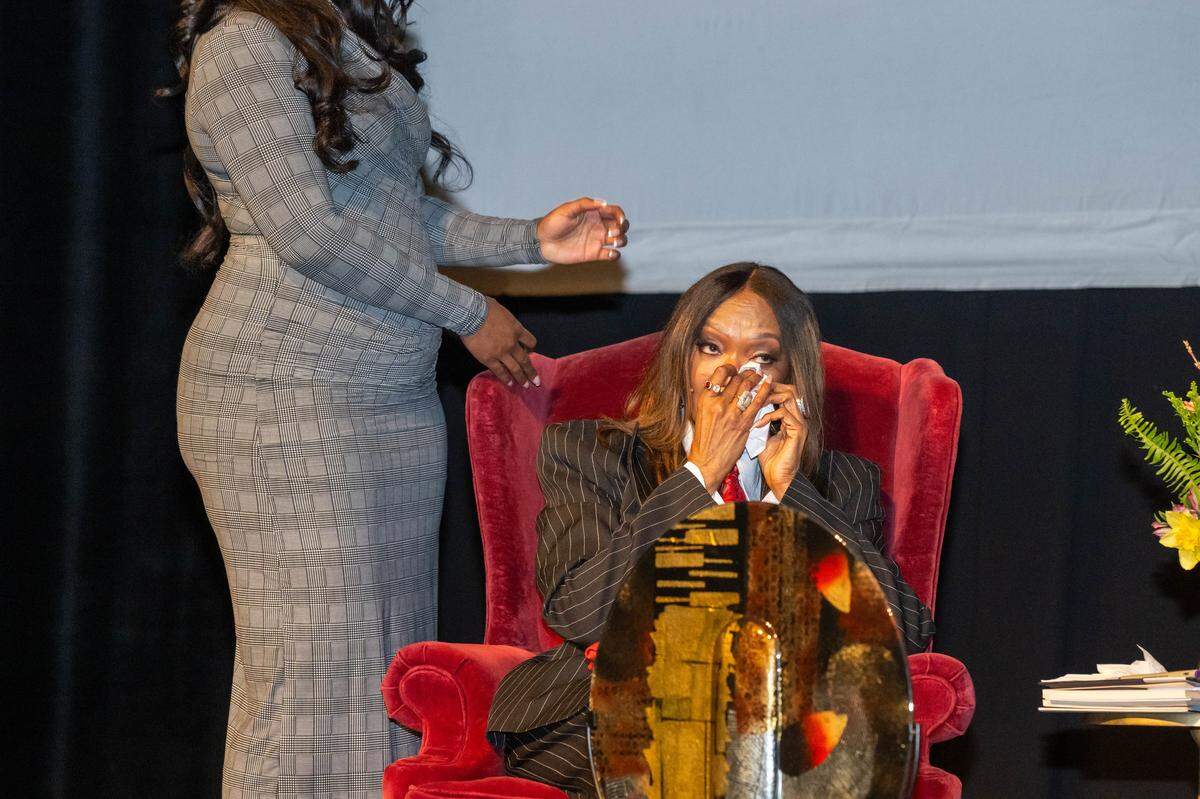
In brief remarks, Sharpton described Grant as a leader whose impact extends beyond Kansas City.
“She’s not retiring,” he said. “She’s shifting.”
As the program concluded, longtime Kansas City civic leader Alvin Brooks reflected on the event and the broader moment it addressed.
“I think with Rev. Al Sharpton as the speaker, it was timely,” Brooks said. “And the size of the audience and the participation indicates what they think about civil and human rights here in Kansas City.”
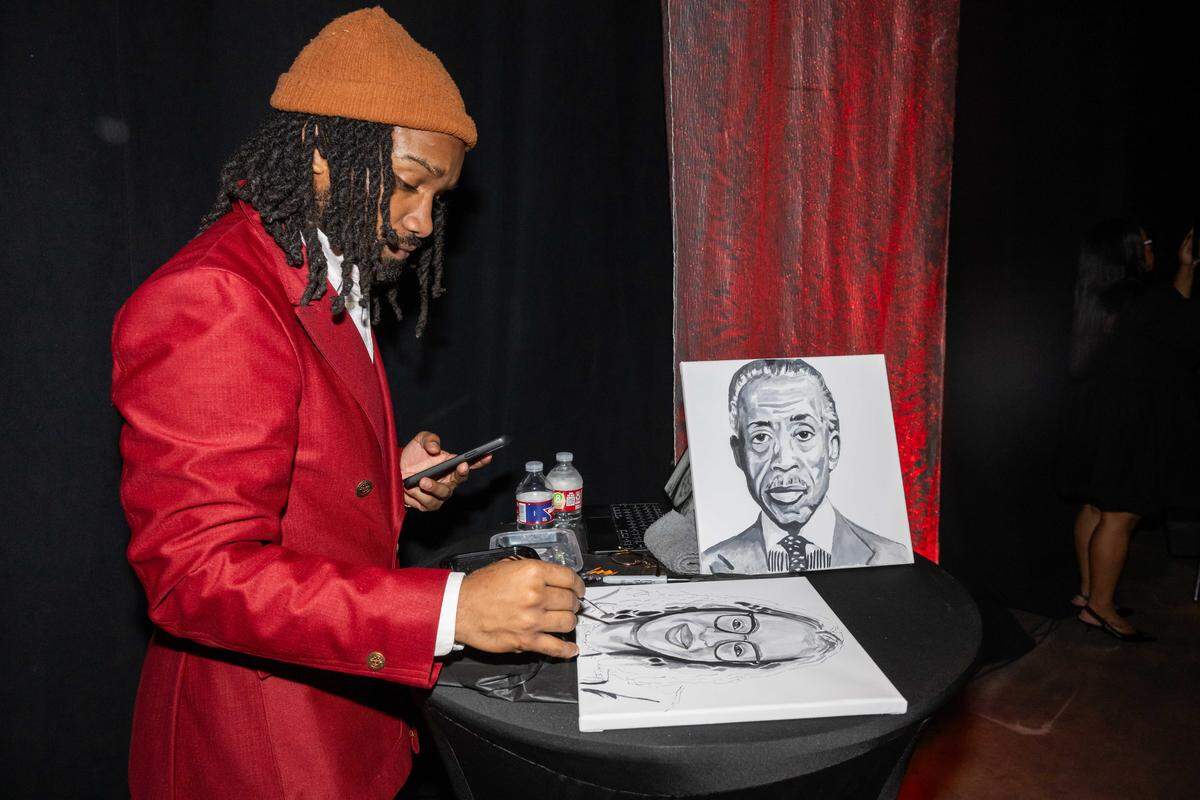
Brooks, who has spent decades in public service, framed the current period as both urgent and uncertain.
“If not now, when?” he said. “We’re at the worst of time and the worst is yet to come.”