Former KU Med patients, others say Kansas bill would silence victims in civil suits
AI-generated summary reviewed by our newsroom.
- Kansas bill would bar lawyers from proposing non-economic damage amounts during trials.
- Supporters say ban would prevent jury “anchoring” and could lower insurance costs.
- Opponents warn “gag rule” may silence victims, reduce awards and prompt appeals.
Former patients and their family members who allege that contaminated devices used in open-heart surgeries at The University of Kansas Hospital caused serious and sometimes fatal infections say a bill in the Kansas Legislature would silence them and others seeking justice through civil lawsuits.
The measure, Senate Bill 413, would prohibit lawyers from suggesting amounts to award as damages for non-economic loss — such as pain, suffering or mental anguish — at any time during a civil action.
Supporters, including the Kansas Association of Insurance Agents, the Kansas Chamber and The University of Kansas Hospital Authority, say it would be a sensible step in curtailing exorbitant non-economic damage awards and would reduce insurance costs for Kansans.
But opponents — among them the Kansas Bar Association and the Kansas Trial Lawyers Association — contend that the bill disproportionately affects the most vulnerable Kansans, including the disabled, victims of elder abuse in nursing homes and children who have survived sexual abuse.
By prohibiting attorneys from suggesting a value for non-economic damages, the measure blocks victims from telling a jury what their claims are worth, trial lawyer Jeff Wilson told members of the Senate Judiciary Committee at a hearing on the proposal last month.
“This bill devastates the vulnerable by gagging the only person in the room able to speak for them,” Wilson said.
The bill also could result in lower damage awards, extend the length of some trials and increase the number of appeals, opponents said.
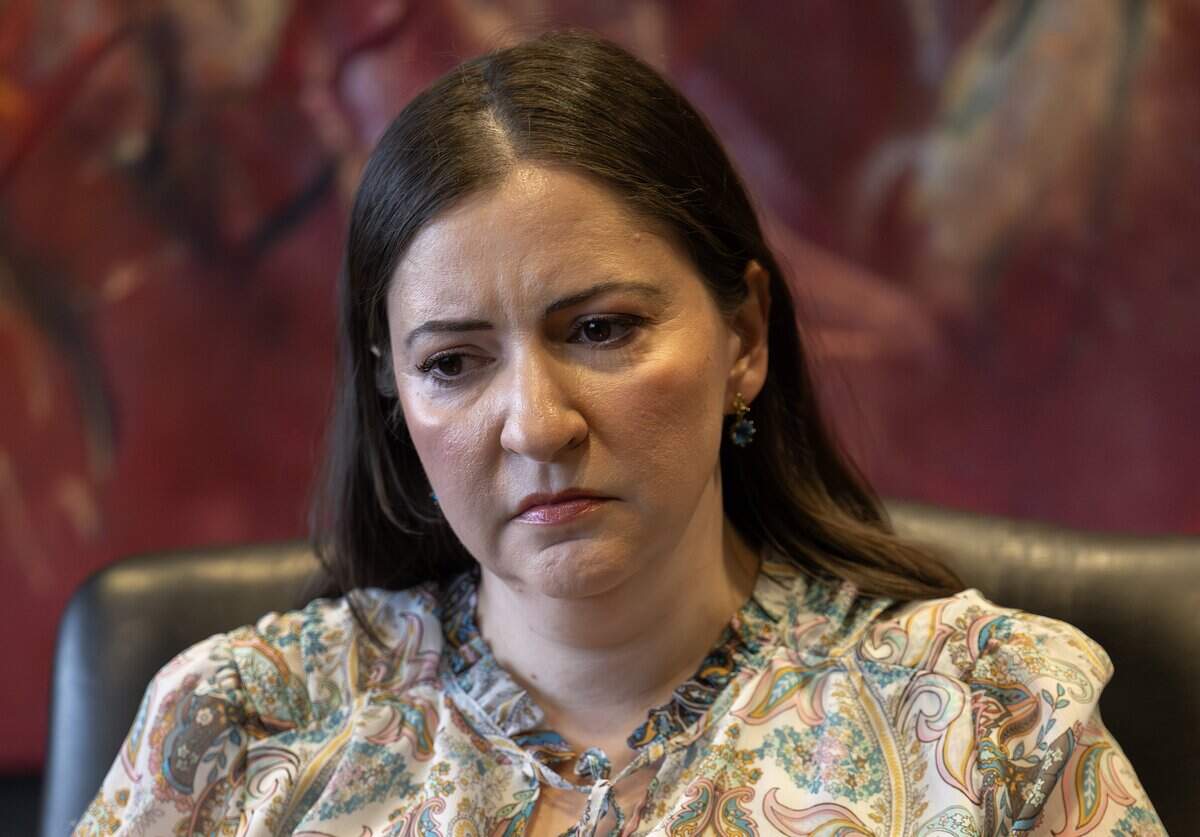
Kristy Schroll, whose father, Darrell Schroll, of Manhattan, died in 2023 from an infection called M. chimaera, is a strong opponent of the measure. The family alleges in a lawsuit that Darrell Schroll contracted the infection from a contaminated heater-cooler device used during his 2019 open-heart surgery at The University of Kansas Hospital.
“Our country is set up that we have a trial by jury, a trial by our peers,” Schroll said. “And it feels like this bill is trying to limit information given to the jury.
“And to me, that almost indicates that they are not trusting their jury to make informed and appropriate decisions. And the timing of everything can’t help but feel suspicious and that it is directed toward a case like mine.”
Senate passes bill, sends it to House
The Senate Judiciary Committee held its hearing on the bill Feb. 5. It passed the committee on Feb. 11, and the full Senate approved it Feb. 18 on a 29-11 vote. A hearing in the House Judiciary Committee was scheduled for Wednesday afternoon but was canceled on Monday and no new date has been announced.
Elizabeth Smoller, general counsel for the Kansas Association of Insurance Agents, testified in favor of the bill at the Senate committee hearing last month. In her written testimony, she called the measure “an important step toward preserving fairness and integrity in Kansas civil trials.”
Unlike economic damages, she said, non-economic damages “are inherently subjective” and not measurable through receipts, records or other evidence that is easy to calculate. Allowing lawyers to suggest a specific dollar figure or range of amounts “can disproportionately impact decision-making,” she said.
“When jurors hear a proposed figure, that number may serve as a reference point rather than a conclusion based on independent judgment and the factual evidence presented during trial,” she said.
Among those testifying in support of the bill was Dan Peters, senior vice president and general counsel for The University of Kansas Health System.
Peters said in his written testimony that the bill addresses the practice of “anchoring,” in which attorneys suggest “extraordinarily high monetary figures during trial — figures that bear no relation to actual damages — with the intent of influencing a jury’s award of non-economic damages.”
“Anchoring serves only to manipulate jurors’ emotions and divert attention from the actual facts of the case,” Peters said, and can result in “nuclear” verdicts.
Schroll said it was disappointing to see that The University of Kansas Health System was supporting the measure.
“When I saw this bill and saw that KU was testifying in support of the bill, I was so sad, because I felt that if this bill is passed, it will be favoring these huge corporations, and it will be silencing victims,” she said.
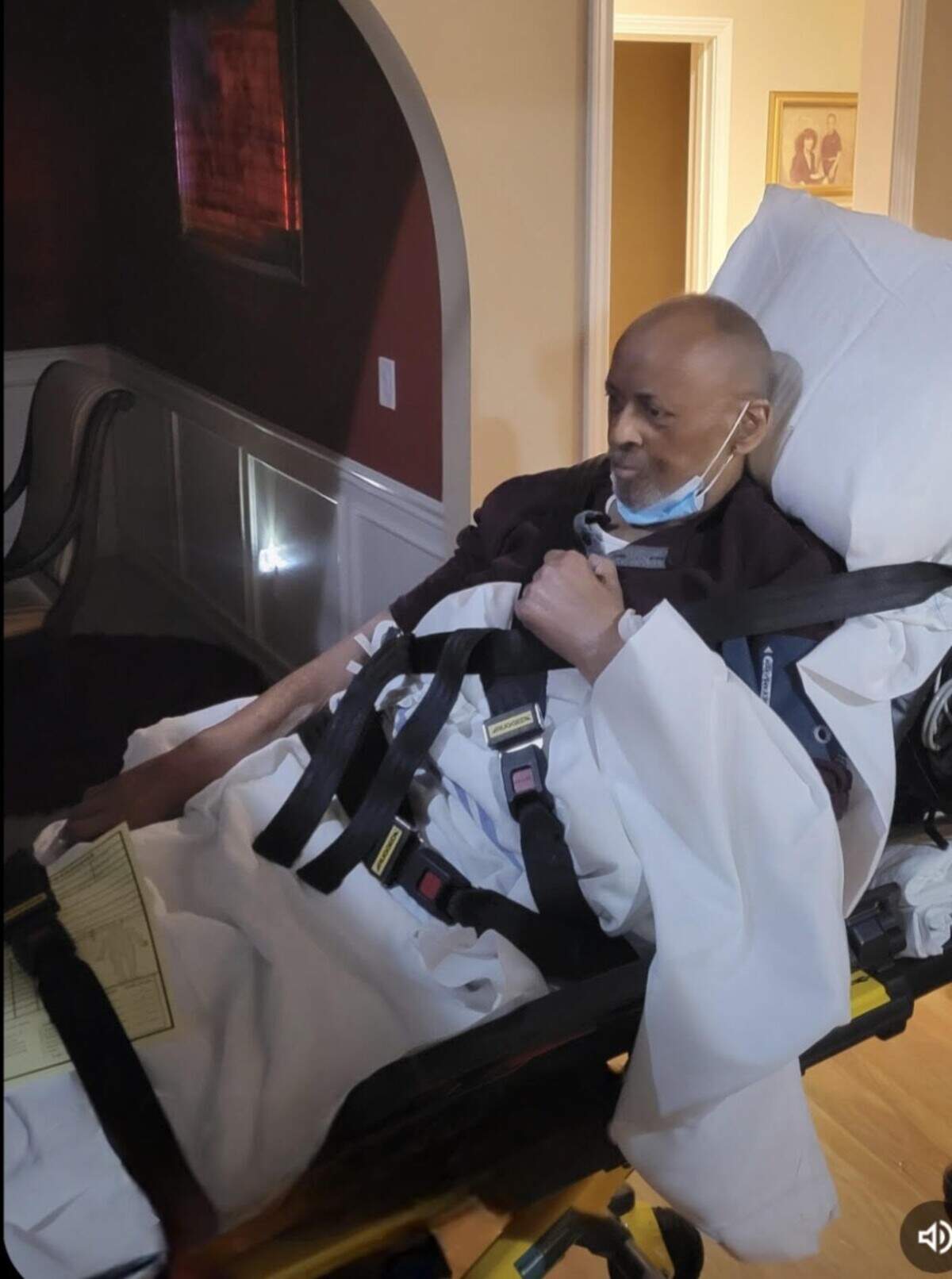
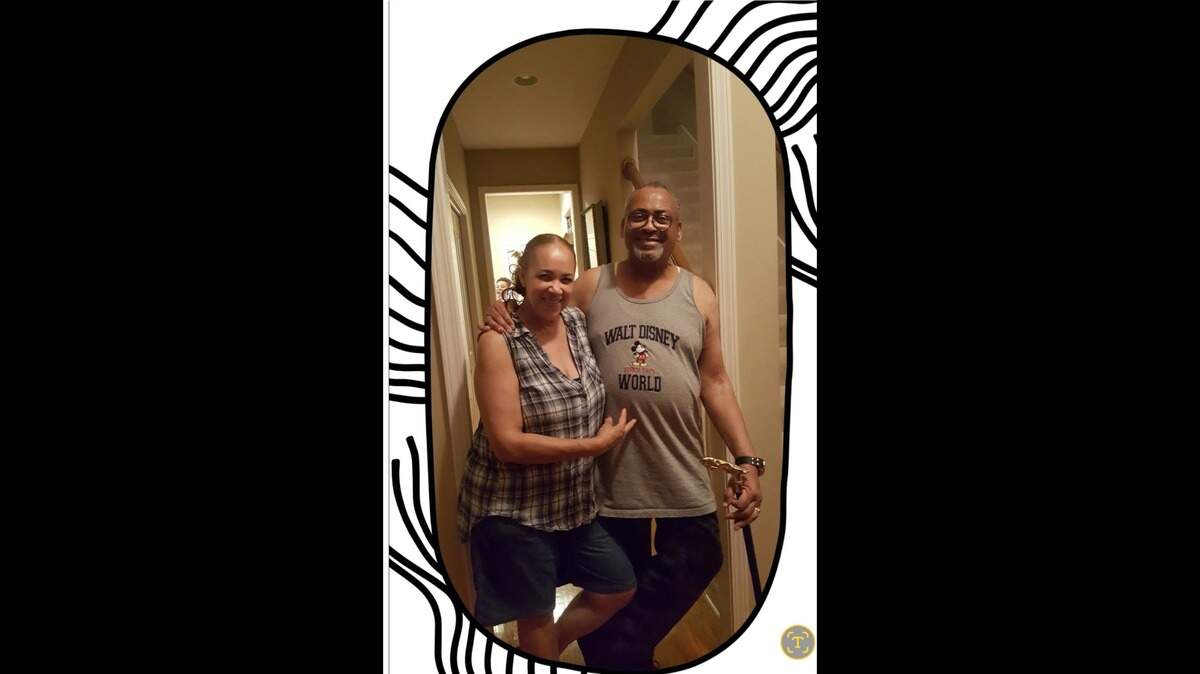
Thelma Wood, who alleges in a lawsuit that her husband, Ron, died in 2022 after contracting M. chimaera infection during his 2019 open-heart surgery at The University of Kansas Hospital, echoed Schroll’s comments.
“We need to be heard,” said Wood, of Olathe. “And to try to silence anybody, it’s not fair. It’s just terrible.”