
Broom boom: Olympics inspire nearly 1,000 people to take KC Curling Club lessons
AI-generated summary reviewed by our newsroom.
- Since the Olympics began, more than 850 people signed up for KC Curling lessons.
- Investor renovated the building for learning, practice and expanded club use.
- Club provides equipment, adaptive aids and honors community rituals like broomstacking.
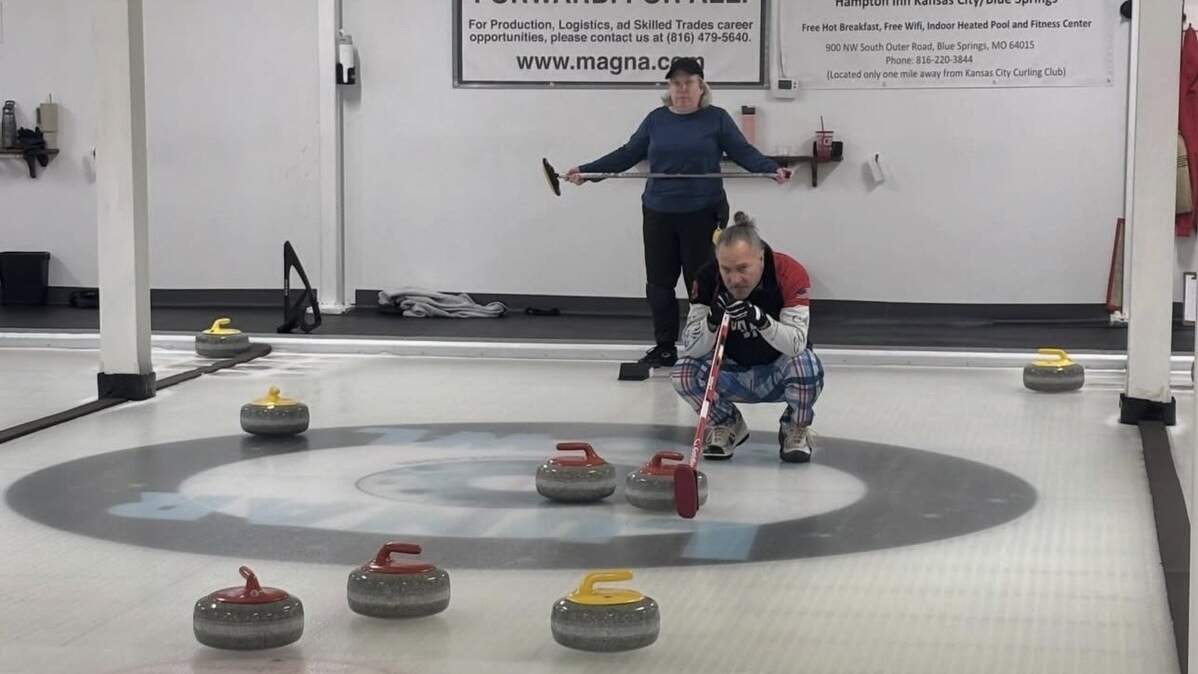
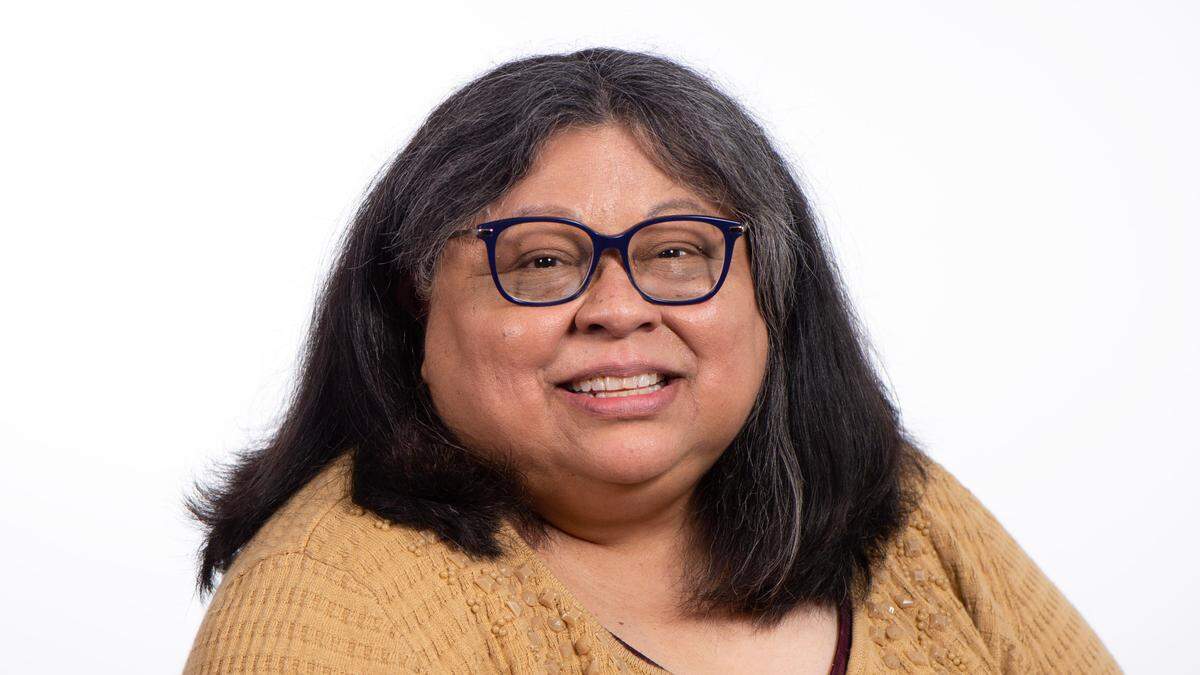
By day, DeeAnn Wlodarski is an award-winning teacher at Grandview Middle School. In her spare time, for the last 10 years, she has served as president of the Kansas City Curling Club.
So she has seen this phenomenon before.
Every four years when the Winter Olympics come around, the club’s phones start ringing, people click on the website, kccurling.com. People want to know more about this odd-looking sport, born in Scotland, played on ice with brooms and heavy stones.
The club is riding that wave and making moves to keep it rolling.
Since the Olympics began earlier this month in Italy, more than 850 people have signed up for a curling lesson from the club. “And I know it’s higher than that because I’ve seen registrations coming in today,” Wlodarski said earlier this week.
Curling clubs across the country are experiencing the same rush, apparently one of the biggest post-Olympic booms in years. Clubs have waiting lists for lessons as they work to shake off the “curling is only popular during Olympic years” perception.
To keep fans engaged, there’s a new professional curling league — the “Rock League” — launching soon with 60 of the world’s best curlers competing on teams.
“Honestly, I would love to see the sport continue to evolve into being more of a mainstream sport and not have it be something that comes around every four years and waiting four years to get the attention of the U.S.,” curling silver medalist Korey Dropkin told NBC during the games.
“We’re wanting to have more events that are on mainstream networks televised with big crowds throughout the U.S. and throughout the world, really.”
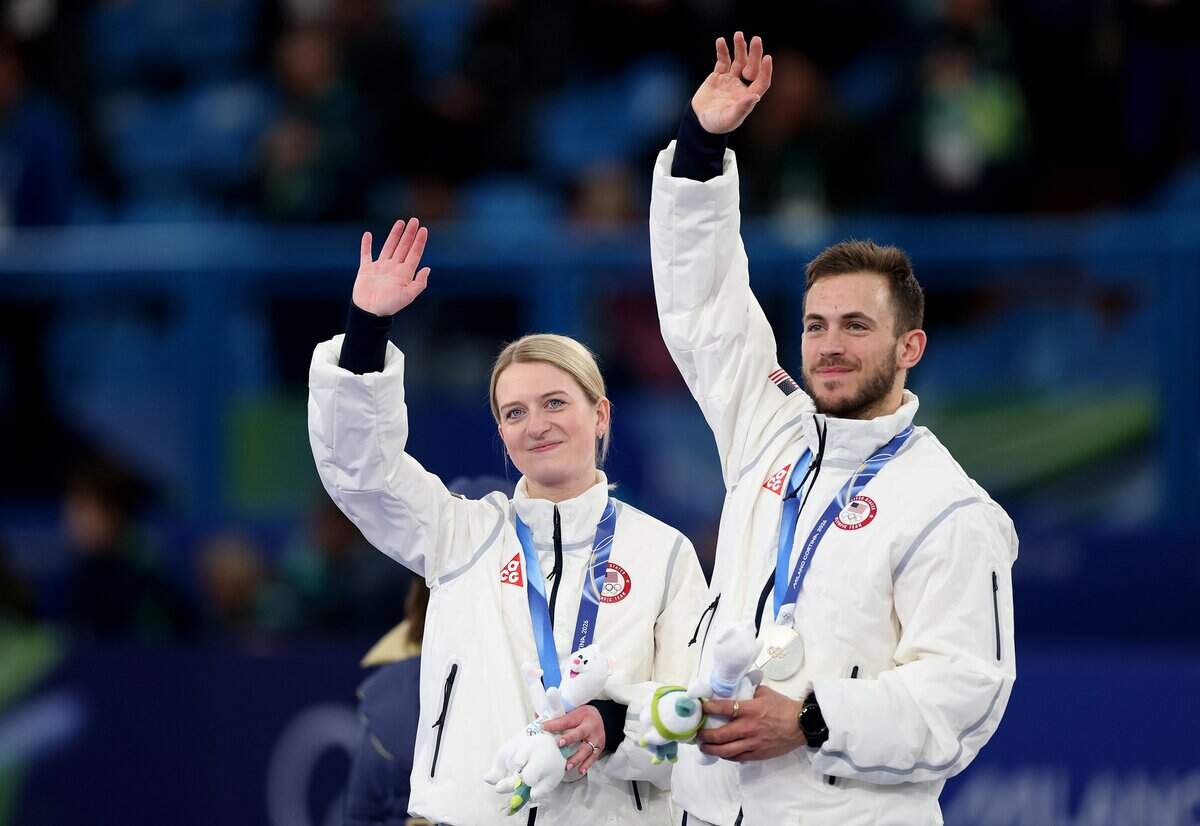
More so than, say, downhill skiing, speed skating and other heart-stopping Olympic sports, curling is something you and your bestie, neighbor and auntie can participate in. Those were full-time pharmacists, realtors and teachers hustling across Olympic ice for Team USA.
“You watch it and you’re like, I don’t really know what is going on here but it kinda looks fun and I think I can do that,” said Wlodarski.
“And people start Googling things and wait a minute, there’s (a club) in Kansas City? I can go do that? Because people don’t know we exist.”
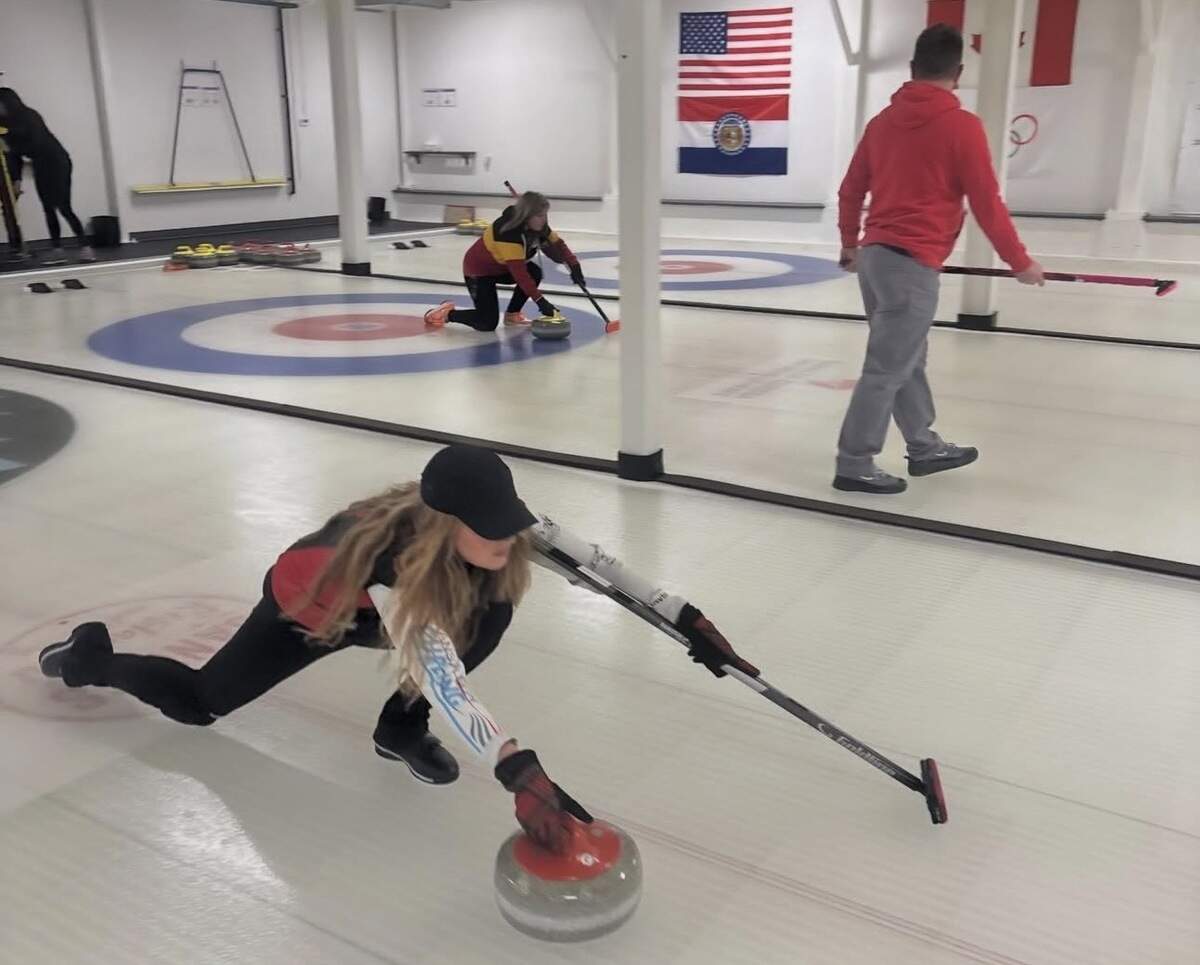
Though there are curling clubs in St. Louis, Omaha and Tulsa, the closest location that has ice dedicated to curling is 380 miles away in Minnesota, she said.
Kansas City’s curling club used to share the busy ice with figure skaters and hockey teams at Line Creek Community Center in the Northland before moving into a former restaurant space at 2525A N.W. South Outer Road in Blue Springs.
Recreational and competitive curling happens there.
“We found a fabulous investor, landlord, and he renovated the whole building ... to fit our needs,” said Wlodarski.
Before the Olympics, the club had 187 members. As of this week, “we’re up to 216,” she said.
So how to sustain the interest?
“Some of the things we’re doing now, we’re offering an instructional league, so somebody who’s not quite ready to just jump into a full league, they can take a smaller session, just four weeks instead,” Wlodarski said.
“Part of it will be learning and practicing skills, not just league games. It gives people a way to just kind of jump in, slower.
“We’re doing that. We also offer a discount when you sign up for your first full league.”
Full membership in the club costs $100, but that cost currently would be prorated to $60 since the season, which runs from October to May, is nearing the end.
Still, said Wlodarski, that’s plenty of time to learn a sport played by grade-schoolers and retirees alike. The club’s youngest member is 9, the oldest is 79. You don’t need any special equipment, either, like curling shoes or one of those brooms players use to sweep the ice.
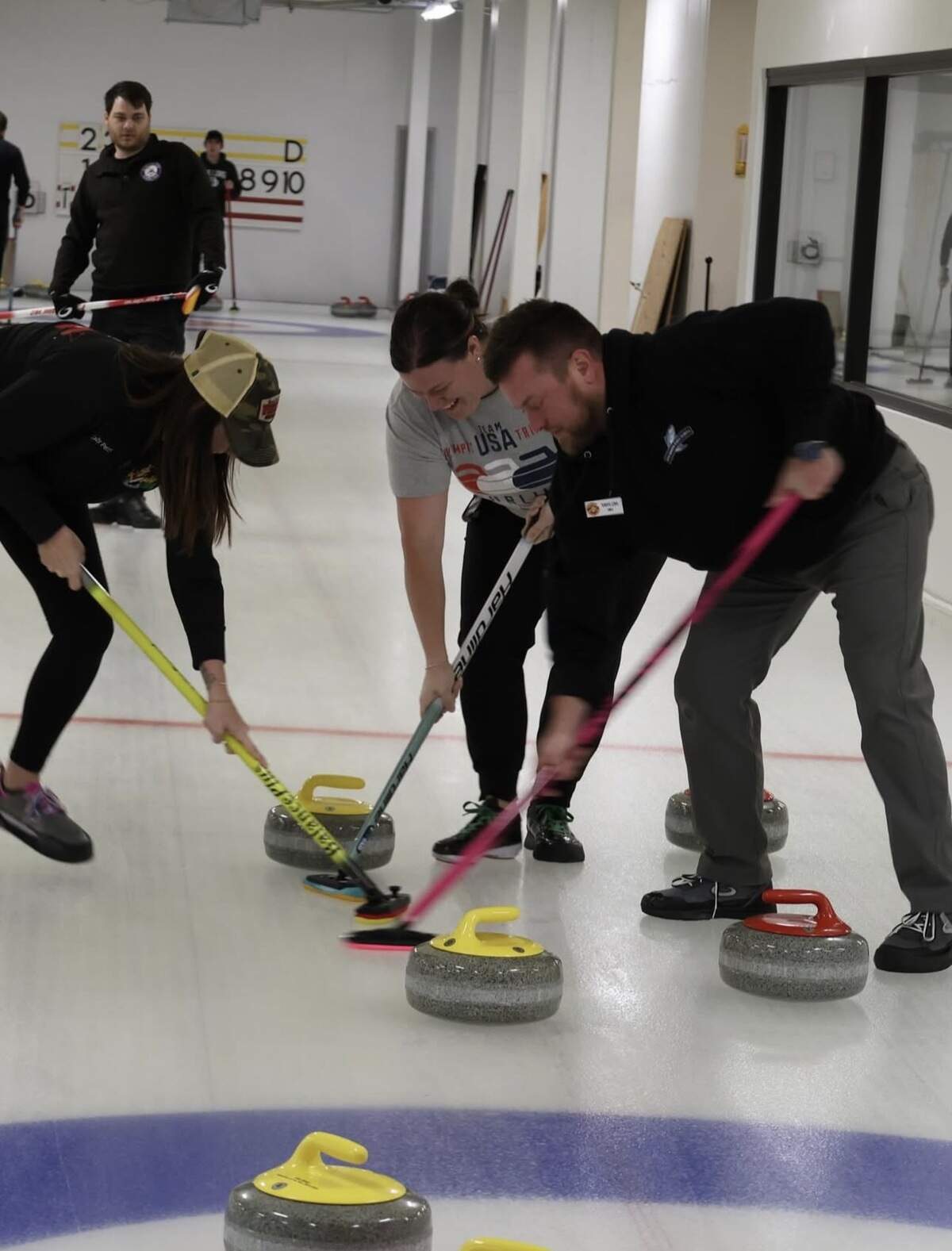
“You can pick it up pretty quick. Whether or not you become good at it already, that’s different. But you can pick up a lot of the nuances, be able to throw your stone and start to figure things out,” she said.
“The person joining doesn’t need any equipment, they just need a decent pair of tennis shoes that has some grip on them.
“We provide the equipment until you want to buy your own.”
Bad back? Bad knees? No problem. Wlodarski had both knees replaced this past year and can’t yet get down low and slide on the ice in that hallmark curling lunge.
So for now she’s using adaptive equipment — a stick sort of like a shuffleboard cue that “attaches to the handle on the curling stone and you just walk and push it,” she said. “There’s even wheelchair curling. We don’t currently have someone in a wheelchair but we did for quite a while.”
And though curling can be played by teams, “we have tons of people that come by themselves, and tons of people that join by themselves as well,” said Wlodarski. “People think, ‘Oh I need a team of four.’ Nope. You don’t need anybody.
“That’s the other thing. For us, besides curling, you cannot describe, you cannot do justice to the community that we have. There may not even be curling going on and there’ll be 20 people there just hanging out.
“People tell us all the time. They’ll come to a lesson and they’re like, ‘The people are so great.’ And that it is. It really, really is just this community.
“So when people are looking for ... you know, it’s hard to connect with people anymore. Everybody’s stuck in their computers at their houses. This really, really is that space that you can make an entire new network of people. And that’s fantastic. We really try to sell people on letting them experience that with us.”
That’s emphasized by the club honoring the curling tradition of broomstacking.
“Broomstacking is after your game is over, you sit down with your opponents and just spend time together talking,” said Wlodarski. “The winner always buys the first drink, whatever it might be. And you just sit down and you’re together.”
Newbies will find a bar, but no food, at the Kansas City Curling Club.
“When people ask if we drink my response is there are cupholders on the ice,” said madam president.
.jpg)