
New rules could mean less parking required across much of KC. Neighbors are split
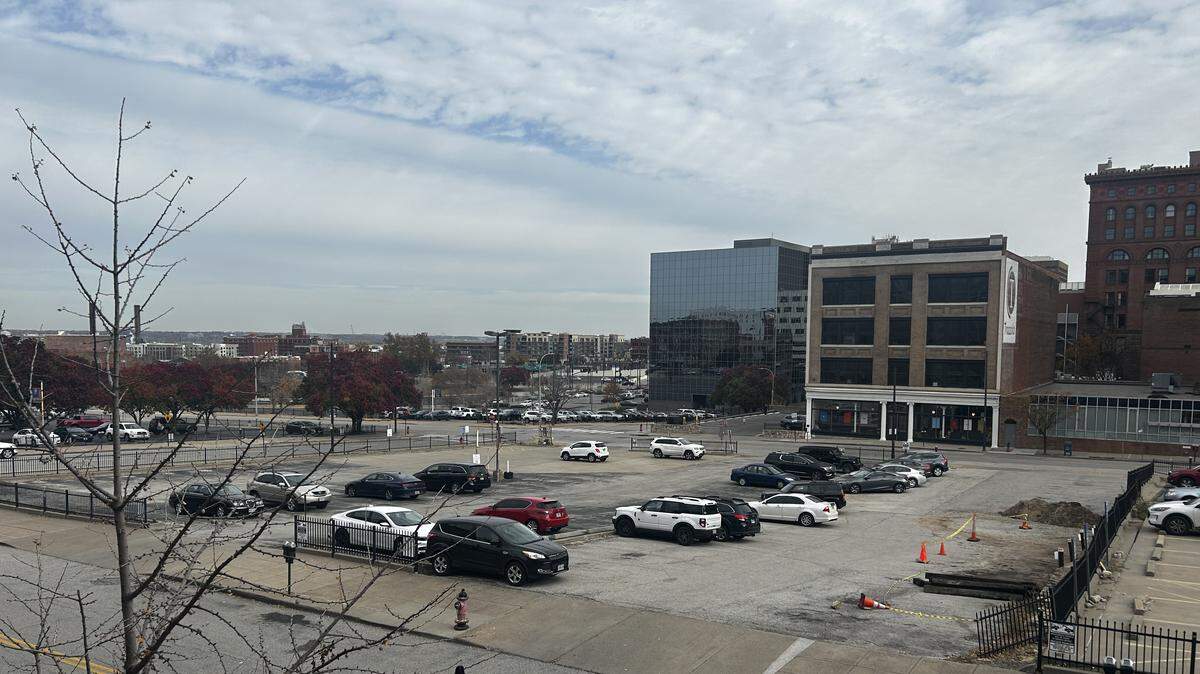
Kansas City could take its biggest and boldest shift yet away from its notorious history of car dependency with the goal to support more walkable development in its future. But the proposal to change city rules around what some see as a scarce resource — parking spots — is drawing mixed reactions from neighbors.
City Council members are due to discuss proposed rule changes that could affect how off-street parking would need to be incorporated into developed properties. Most notable is the elimination of minimum parking required with development in a sweeping area labeled as the “urban core,” or between the Missouri River, Blue River, 85th Street and State Line Road.
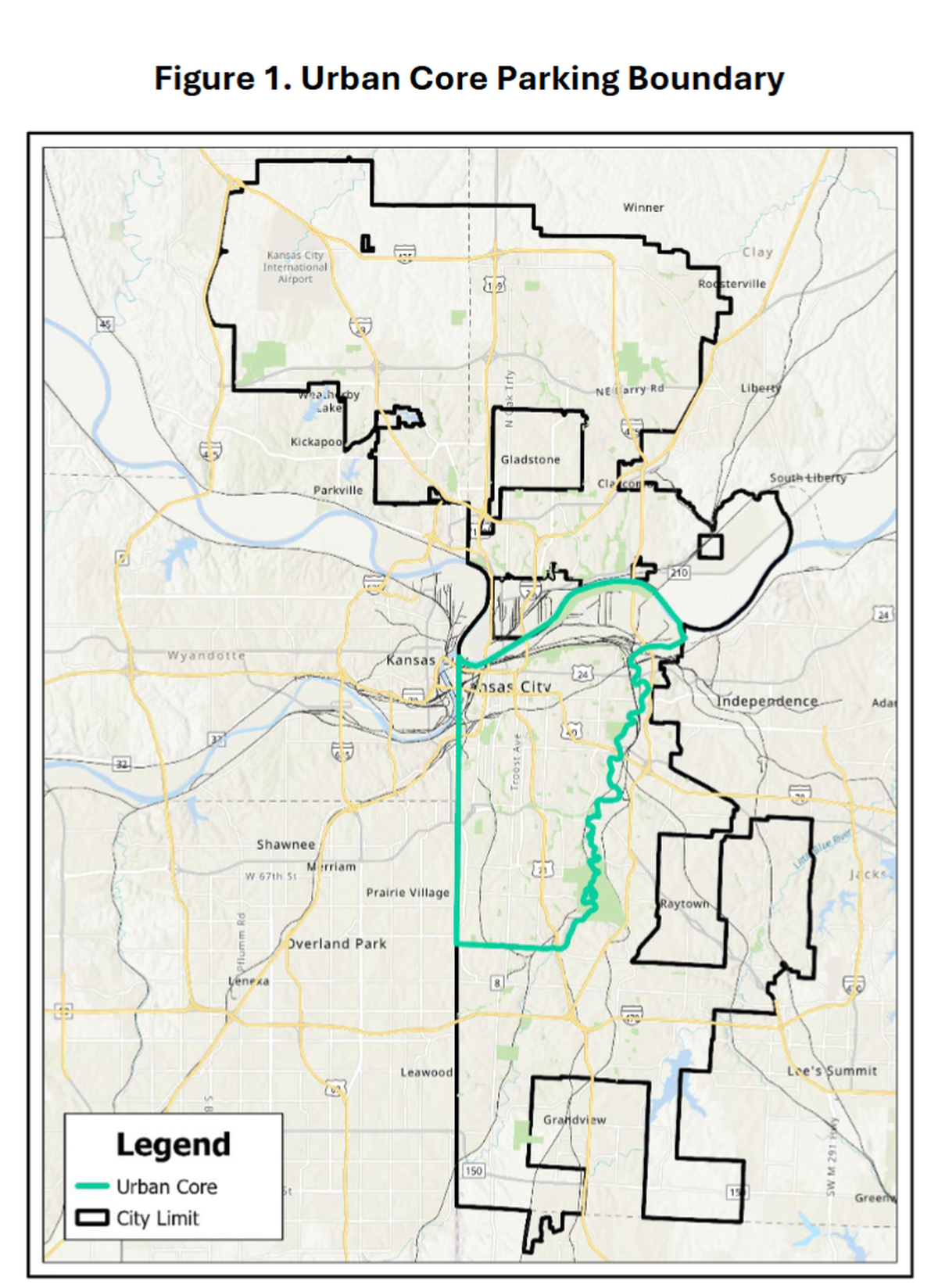
That means developers would no longer be required to include a minimum amount of parking spaces when, say, opening a new business or building new housing, in most of the city south of the river.
Property owners could still build parking if they wanted to, but they would determine how much they need. The changes would also include parking maximums across the city that would limit the number of new parking spaces allowed, depending on location and development plans.
Currently, required minimum parking for development in the city’s urban core depends on the type of property and where it is. Parking minimums are already reduced or nonexistent for infill or historic redevelopment projects, for example, but this proposal would expand that to much more of the city.
The council’s neighborhoods committee was expected to discuss the parking changes on Tuesday but delayed the presentation and vote for two weeks.
But the proposal on the table has already drawn both strong support and intense concerns from neighborhood residents and organizers in the city.
No more memes about parking in Kansas City
Tired of “becoming a meme” — in reference to social media posts that draw attention to the large swaths of city blocks devoted to parking downtown and in the Crossroads — the Downtown Neighborhood Association has thrown its support behind the changes.
“This ordinance cleans up a complicated section of zoning code, brings best practices for parking regulations to Kansas City, and makes room for more Kansas Citians while protecting our historic neighborhoods,” downtown neighborhood officials wrote in a letter.
The downtown association says that the changes alone would not result in many large developments with no off-street parking, emphasizing that most developments downtown still provide at least as much parking as the city would have required, even though minimum requirements were eliminated in the central business district years ago.
But further south, a coalition of neighborhood associations in the midtown area — Hyde Park, Plaza Westport, Volker, Valentine, Coleman Highlands, Old Hyde Park and Southmoreland —say the proposed changes should be narrowed in scope and implemented in stages to see how they play out.
The coalition calls for revisions that would make a distinction between small and large developments, such as still requiring parking minimums on large apartment developments, and target parking exemptions for smaller, neighborhood-focused businesses. They seek a balance between existing residents who have already invested in their homes, sustainable density and developers looking to make large developments even more profitable, while encouraging creative solutions like shared parking arrangements, the coalition says.
Amanda Butler, president of the Volker Neighborhood Association, said that while many pieces of the larger proposal under consideration are long overdue and would benefit the city, a complete removal of all parking minimums across property types — hospitals, event venues, hotels, offices and more — would raise significant concerns for the neighborhood.
That’s in a neighborhood, near the University of Kansas Medical Center, that already struggles with spillover parking, blocked driveways and fire hydrants, limited visibility and concerns over pedestrian safety, she says. While Butler notes in a letter that KU Med is across the state line, it provides a clear example of how high parking demand can impact surrounding neighborhoods when it’s not matched with supply.
“A more tailored approach that distinguishes between these uses and smaller scale businesses would likely lead to a very different discussion,” Butler said at the hearing.
City needs to improve public transit first, some say
And before the city changes parking minimums, some neighbors want to see more investment in improving other transportation options.
“We would like to see also that before the urban core is expanded, that there is a dedicated and consistent funding source for more frequent, improved and reliable bus service or other rapid transit,” Amelia McIntyre, representing the midtown coalition, said at the hearing on Tuesday in reference to the coalition’s proposal for how to define “urban core” in the ordinance and when to expand it.
But the South Plaza Neighborhood Association, also in midtown, supports the changes.
“We believe these changes represent an important step toward a more affordable, walkable, and vibrant Kansas City,” South Plaza officials said in a letter. “Minimum parking requirements have long constrained housing development, limited small-scale and incremental projects, and diverted valuable land toward vehicle storage rather than productive community use. Removing these mandates will allow for more flexible, context-sensitive development that better reflects the needs of Midtown neighborhoods.”
Benjamin Robinson, president of the University of Missouri-Kansas City’s design and planning student group, lives in South Plaza and said parking minimums strangle the city out of making housing more affordable.
“By removing parking minimums, we can allow for the expansion of our housing supply, which can, in turn, lower costs,” Robinson said.
Nearby, Tom Davis of the Plaza Westport Neighborhood Association, said his group opposes the changes in their current form and that what may work for downtown would not be workable for many other neighborhoods.
“Our neighborhood has significant parking constraints,” he said. “We’re parked up. We don’t really have any street parking available, because we have pressure from developers right now, even though they are complying with the existing ordinances.”
The Plaza Westport association says a one-size-fits-all approach is neither workable nor smart.
Supporters say concerns could be addressed by better curb management, such as meters and resident permits, and that bundling parking into new development to indirectly address spillover raises housing costs and drives people away from walking and other forms of transit while putting more historic buildings at risk of demolition and keeping businesses from investing.
“You’re going to hear a lot of people complaining about not enough parking, and what it really comes down to is existing residents don’t want to lose their parking to new residents,” resident Shawn Tolivar said at the hearing. “That’s not how we build a city.”
A city spokesperson did not immediately respond to a question about whether the proposed ordinance will change before it goes back before the neighborhoods committee for another hearing.
This story was originally published February 25, 2026 at 6:27 AM.