
KC-area couple thought they found their dream home. Then a huge sinkhole appeared
When Cassandra Krul first laid eyes on her century-old Independence home, it was love at first sight.
She and her husband Keenan Massey previously lived in an apartment in Mission, Kansas, and had been shopping around for a while when they came upon the bright and airy space, with plenty of room for their four cats — Pete, Miss Kitty, Alexis and Captain.
After Krul and Massey gathered their down payment and finalized the paperwork, they set up their work-from-home desks and started settling into the new space. It would take almost two years — until summer 2025 — for their beloved house to reveal its deepest secret.
“I came home from work one day and saw something odd in the yard,” Krul said. “I walked over and there was this big hole.”
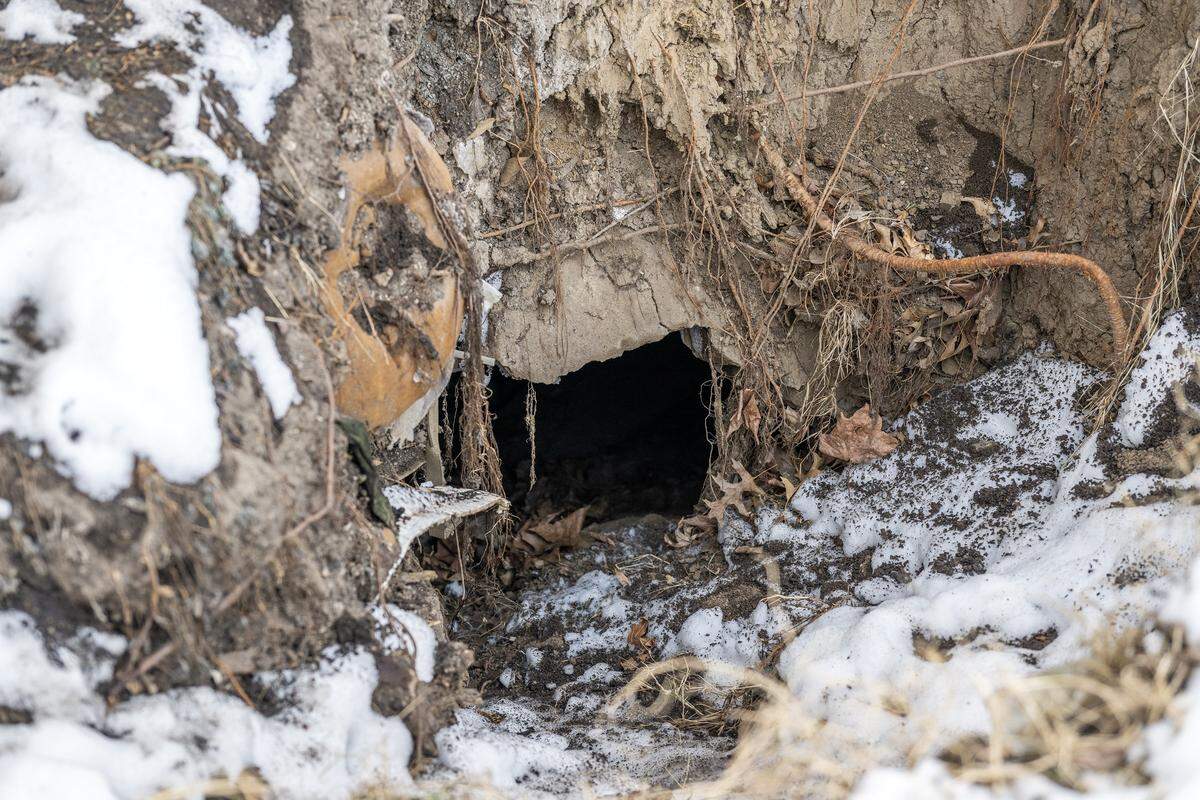
The couple cleared away debris left by the previous homeowners, and neighbors warned them of what they described as a sinkhole in the backyard. It took several more months for the true depth of the issue to announce itself, with inches of water at the bottom and a distinct bend toward the street.
Now, the couple is trying to get city officials or insurance providers to help dig them out of future structural issues — without much response from anyone.
Meanwhile, the sinkhole had grown to 7 feet across and 10 feet deep and continues to actively erode the ground around it, Krul told The Star.
“It’s been odd,” Krul said. “I just want to get this fixed somehow, and hopefully it’s not going to cost me, as a homeowner, a lot of money.”
Load-bearing trash
Krul and Massey moved into their Independence home in 2023. The couple — Massey a KC native, Krul a transplant from Pennsylvania — had hoped to enter a more affordable housing market, Krul said.
“Trying to purchase a home in Johnson County versus anywhere else, especially Jackson County, it was just more feasible to live here,” Krul said.
The couple didn’t have any big issues with their home until the hole opened, Krul said.
“We’ve put some money into it, like getting new windows and fixing up the basement,” Krul said. “But this is the first, like, ‘Holy crap’ kind of issue.”
The Independence Public Works Department directed The Star to city communications staff when asked about the sinkhole.
“From a city standpoint, we understand a homeowner’s frustration,” said Rebecca Gannon, a public information officer for the city.
Krul said that the damaged yard, and the pit within, was not listed on disclosure forms when she and Massey purchased the house.
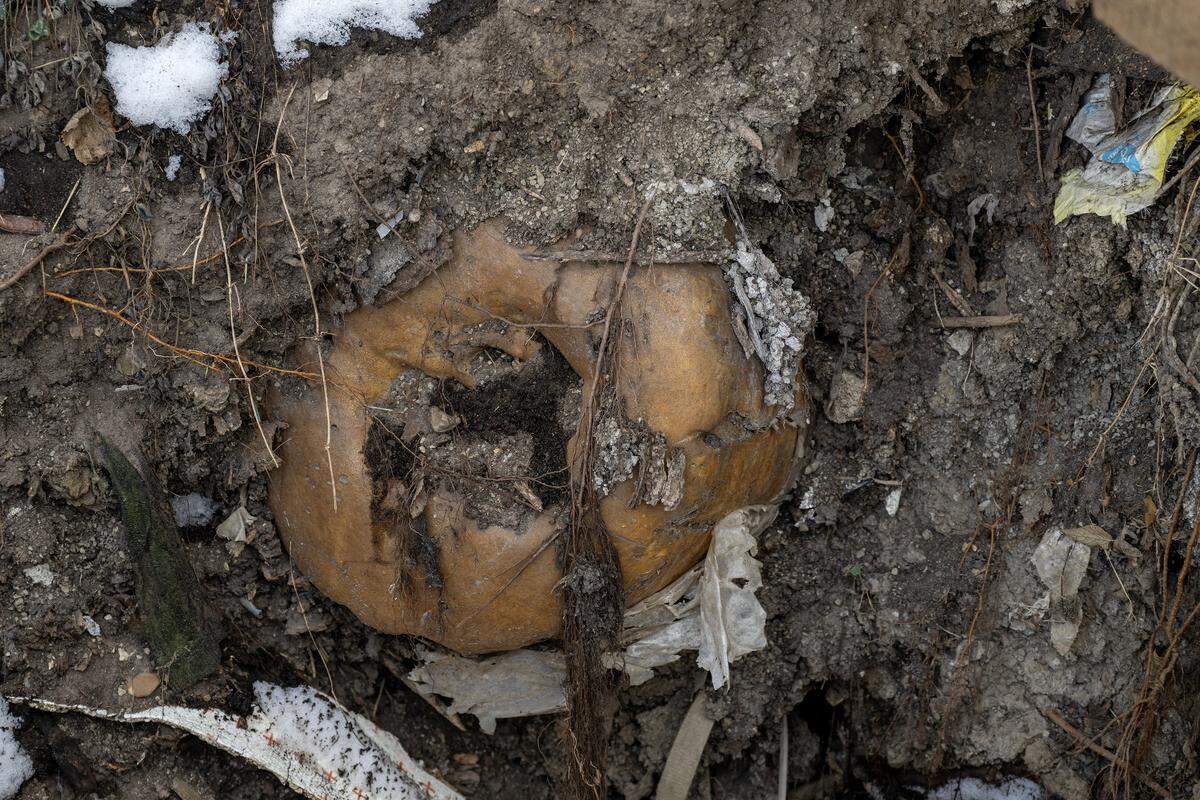
She knew there was a pile of refuse left in the back, she said, with a tire and some shingles sticking out of the ground - things she assumed would be simple to clear away.
“When we initially bought this house, it’s not like this hole was not here,” Krul said. “It only went down a couple of feet.”
Krul’s neighbors, however, had already seen the sinkhole in its full glory.
“I introduced myself to my neighbor, just to get acquainted,” Krul said. “And he said, hey, watch out for that sinkhole in your yard.”
Krul said that her neighbor informed her that the previous residents had chosen to fill the hole with trash - which became load-bearing litter over time rather than seek a permanent solution. She and Massey cleared out the hole and filled it back in with a cubic yard of new soil.
Then the rains came.
Flooding in Independence
The sinkhole made its first appearance in July 2025, during a series of heavy rainstorms in the Kansas City metro. Krul isn’t the only resident to have faced serious issues with her home after the midsummer rain.
One July 16th storm broke the daily rainfall record in Kansas City, with 2.78 inches of rain to the previous record of 1.35 inches in 1968. Some parts of the metro saw a total of 7 to 11 inches of rain that week, The Star previously reported.
Multiple Independence homeowners suffered structural damage, flooding or partial home collapses that week, including Manuel Ramirez and Michael Thomas, whose home was built in 1949. The couple saw major flood damage during the same set of storms, with a wall collapsing and the house later condemned by the city.
The couple also saw reluctance from insurance companies to get involved in rebuilding, with at least one firm denying their claim.
A year before, in July 2024, a sinkhole on a piece of private property off of Missouri Route 291 caused a crack in the roadway, which officials initially attributed to a partial mine collapse.
According to climate risk modeling firm First Street, about 5,400 properties in Independence, or about 10% of the city’s real estate, is at risk of flooding in the next 30 years.
Krul and Massey’s home is not in a FEMA-identified flood zone, or an area that the federal government has identified as a flood risk within the next 100 years. However, flood zones only account for about two-thirds of claims that the federal agency receives for water-related home damages.
Claims denied
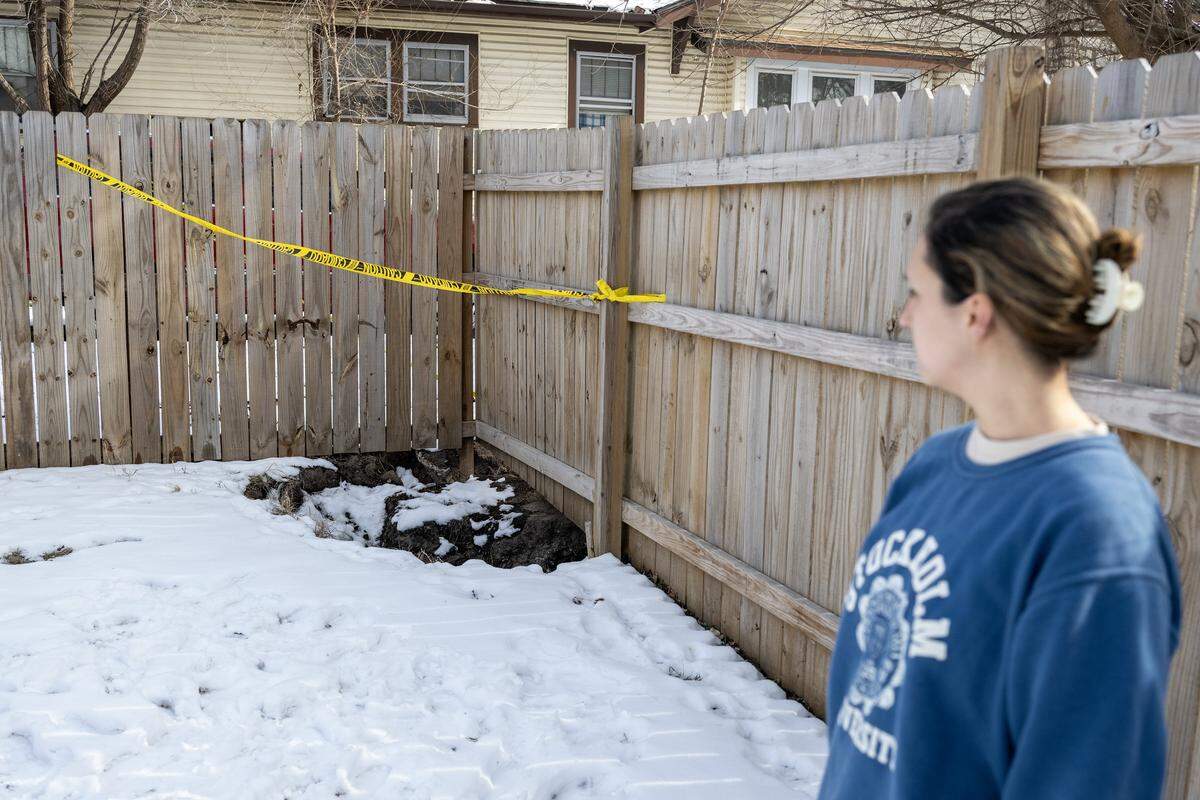
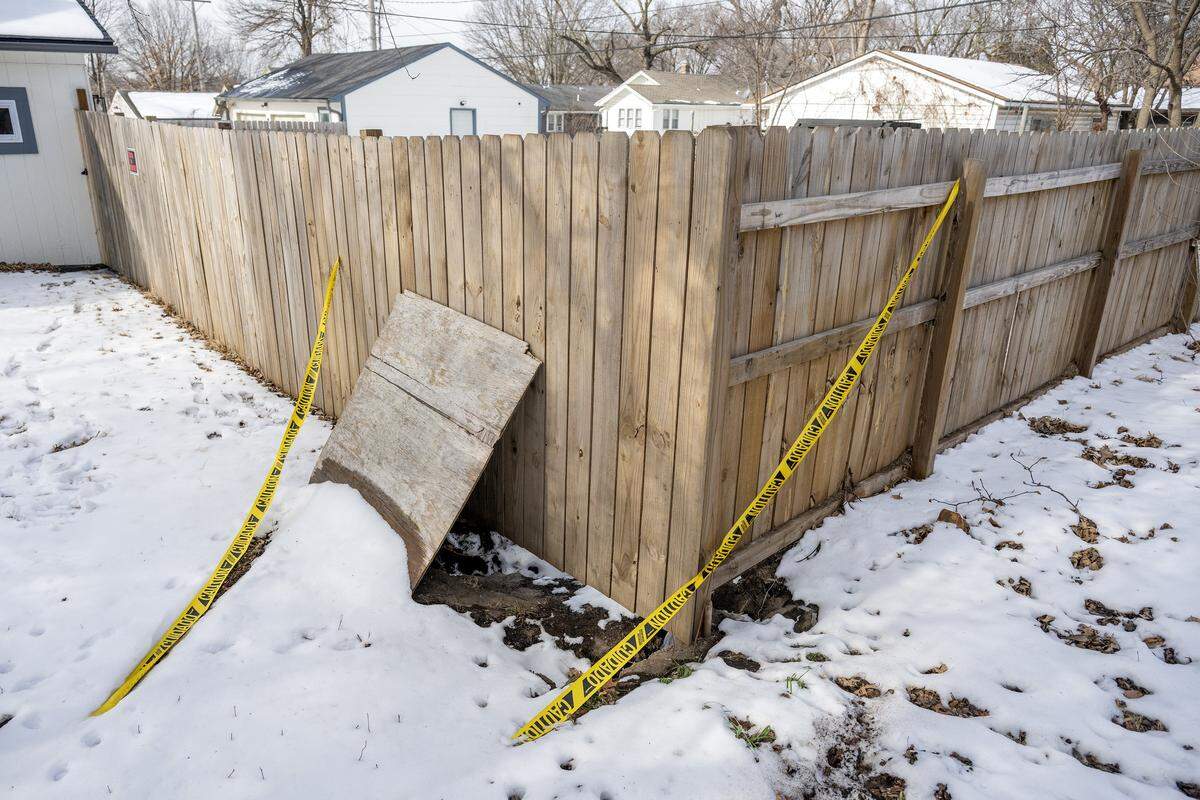
The couple blocked the sinkhole off with caution tape. Then they started looking for answers.
“There’s this random hole in our yard,” Krul said. “This is pretty big. How does this happen? But also, where does this go?”
They reached out to the Independence Public Works Department, which sent a staff member out to conduct a dye test, Krul said. A dye test involves infusing a colorful dye into sinkholes to see if they are connected to any nearby bodies of water, in which case the dye might also show up in a local river or stream.
The sinkhole didn’t appear to be connected to any public utilities, so the organization bowed out, Krul said.
“They basically said, ‘Good luck,’” Krul said.
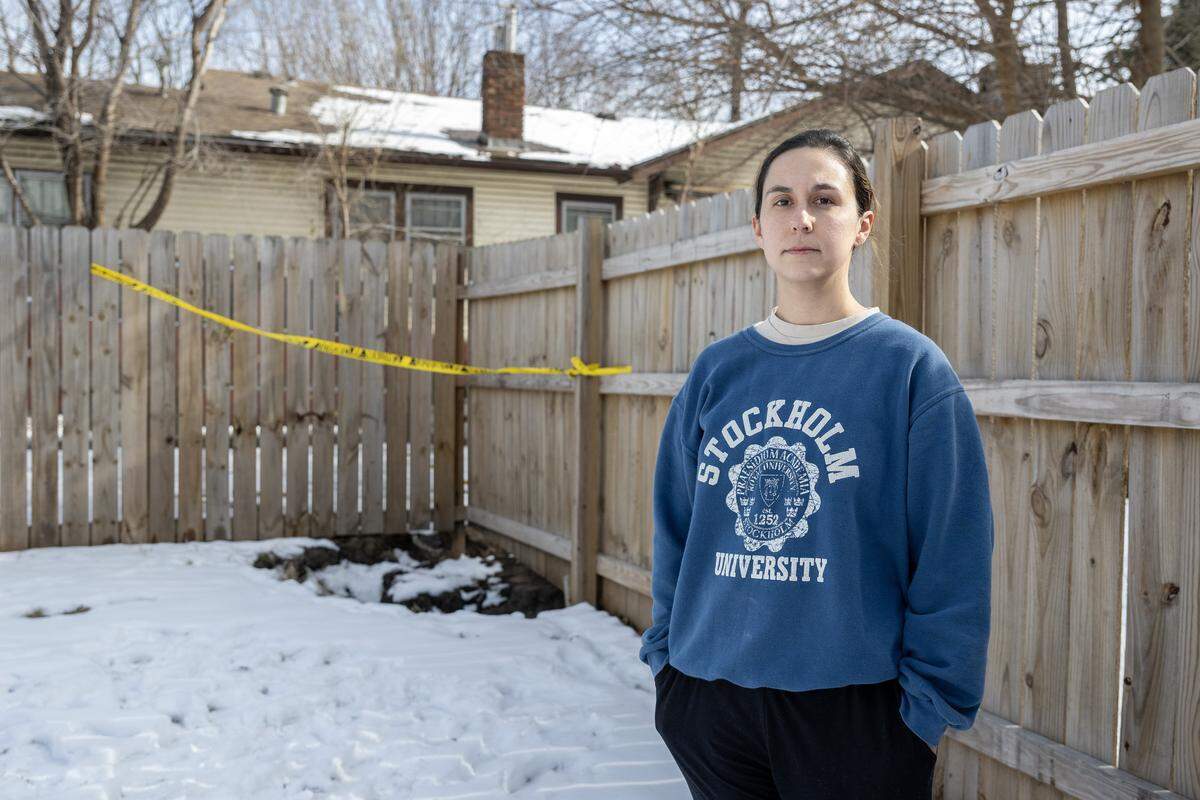
Gannon told The Star that since public works staff did not find proof that the sinkhole was caused by issues with a publicly owned utility, the city is not responsible for figuring out what caused the sinkhole, or for finding a fix.
“Our staff determined that no public assets exist on this private land,” Gannon said. “In other words, no public utilities or infrastructure could be causing this. When that happens, the onus turns to the owner.”
The couple’s insurance company declined to cover sinkhole repairs for similar reasons. The pit is near the corner of the property close to a fence and has not yet touched the house or garage, putting it out of scope for the couple’s policy, Krul said.
Multiple insurance providers and geotechnology engineers also declined to take a look at the sinkhole. Krul said she was told that even investigating the hole would cost geotech firms between $10,000 and $50,000 in their own liability insurance costs and legal fees — too much up front to take on Krul and Massey’s case at all, she said.
“We’ve also been told that while true geological sinkholes are rare in the Kansas City area, many large ground collapses are man-made (old utilities, wells, mines, etc.), which opens the door to insurance disputes and potential lawsuits.”
Other geotechnology firms referred her back to the Missouri Geological Survey, which told Krul they would have a six-month waiting period before a staffer could check out the sinkhole.
Krul and Massey also reached out to four local universities — the University of Missouri, the University of Kansas, Kansas State University and Missouri S&T University. Only Missouri S&T responded, Krul said, with a professor offering to conduct geophysical testing on the hole.
Krul was later told, however, that Independence would be too far for geology students to travel from the S&T campus in Rolla, Missouri.
“Despite taking every appropriate and responsible step, we have hit a wall at every level,” Krul told The Star.
Fighting future damages
Krul said that she and Massey intend to stay in their home as long as they can without panicking. The sinkhole is about 30 feet from the house, she said, and doesn’t appear to cross paths with any pipes or other forms of underground infrastructure.
The hole doesn’t usually hold standing water these days, unless it snows or rains, Krul said. Most of the time, she can see down to the bottom, where it curves subtly toward the road. One geotechnology engineer has recently agreed to come out and take a look in the coming weeks.
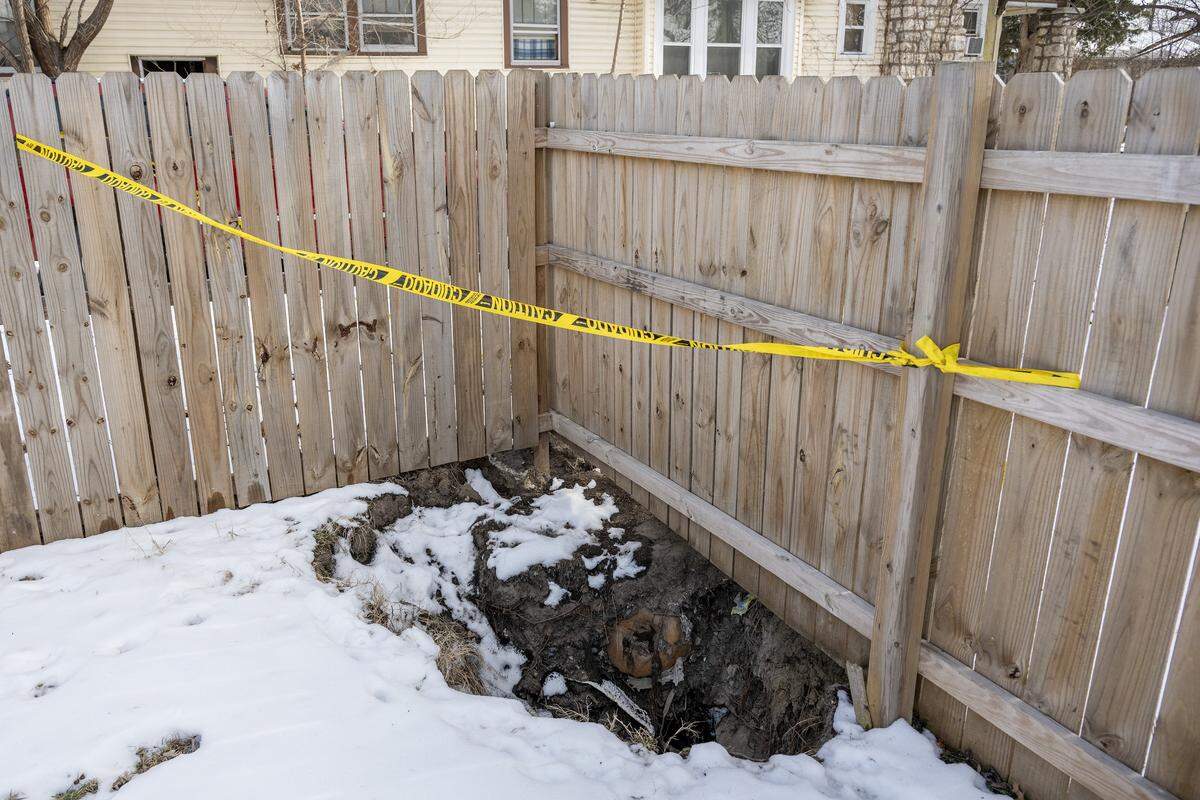
Krul and Massey are most concerned at this point about the safety of young children and pets in the neighborhood, who Krul said she worries could fall into the sinkhole. Krul and Massey’s cats live strictly indoors. But at least four young children live nearby, Krul said.
“That’s a great opportunity to sue me as a homeowner,” Krul said.
Krul is also worried about her ability to sell the home in the future. She feels as though she and Massey have inherited a major liability, she said.
“I don’t know who to blame,” Krul said. “Based on the trash that was in the yard, somebody knew it was there. My neighbor knew it was there. It wasn’t on a disclosure. It wasn’t, apparently, very obvious when we purchased the house, or we would have questioned it.
So we just don’t know which way to go.”
This story was originally published February 11, 2026 at 6:04 AM.