
CBS News changes put Walter Cronkite in headlines. His roots were deep in Missouri
AI-generated summary reviewed by our newsroom.
- Walter Cronkite's Missouri roots anchor a memorial that inspires journalism students.
- Cronkite's career at CBS and ethos of fairness remain central to newsroom teaching.
- Recent CBS anchor changes sparked conversation on Cronkite's standards and viewership.
Visitors often ask about the famous people buried at Mount Moriah Cemetery in Kansas City. There are several. Candy maker Russell Stover. Royals pitcher Dan Quisenberry. And one of the world’s legendary journalists.
Walter Cronkite’s ashes lie there next to those of his beloved wife, Betsy. They met and fell in love in Kansas City, and married here in 1940.
The final resting place of the newsman known as “the most trusted man in America” is covered by an unassuming grave marker. No conspicuous headstone for a dentist’s son born in St. Joseph, Missouri who in 1963 famously shed tears with his fellow Americans after the assassination of President John F. Kennedy.
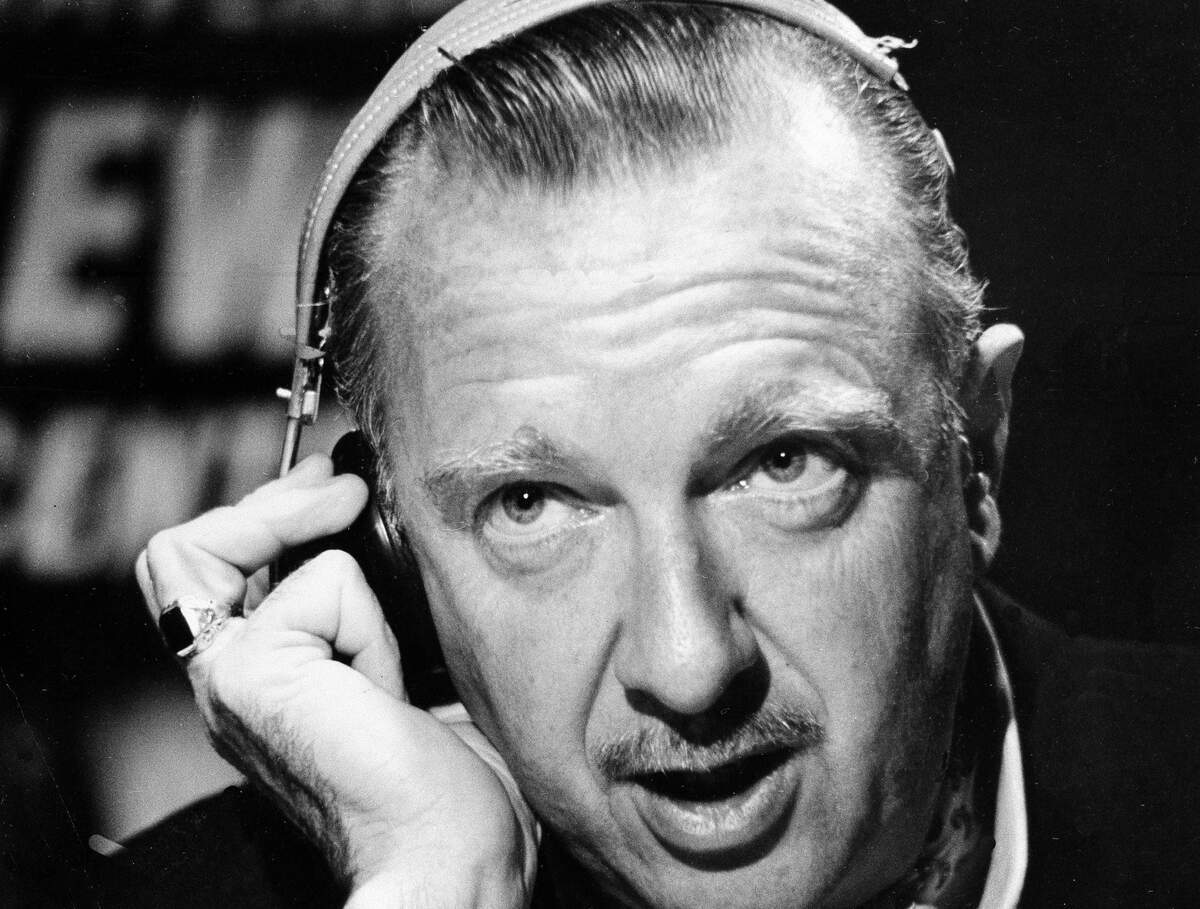
Cronkite spent much of his life and career in New York City, but his family brought him back to the Midwest after he died from complications of dementia in 2009.
This was his neck of the woods, where he worked in Kansas City early on and where his journalism legacy is permanently honored at the Walter Cronkite Memorial on the campus of Missouri Western State University in St. Joseph.
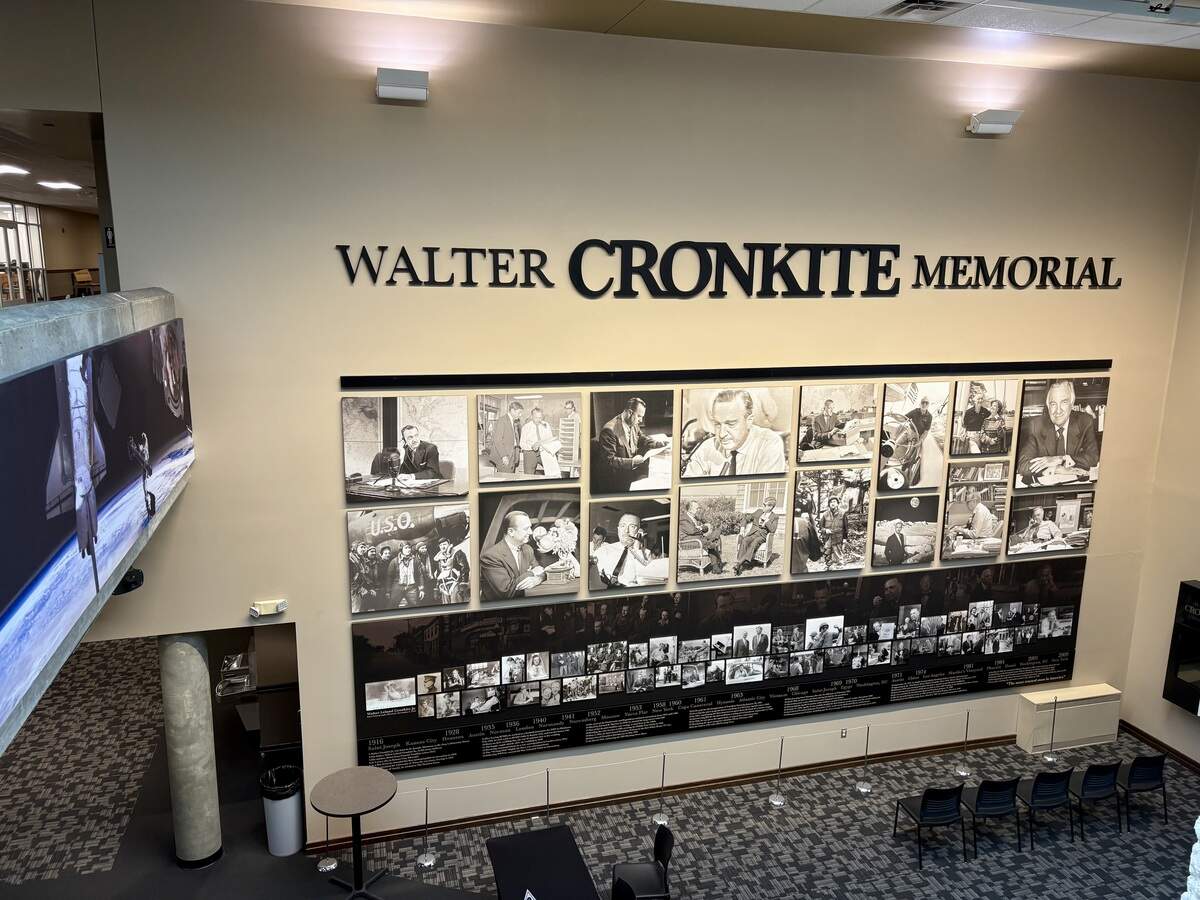
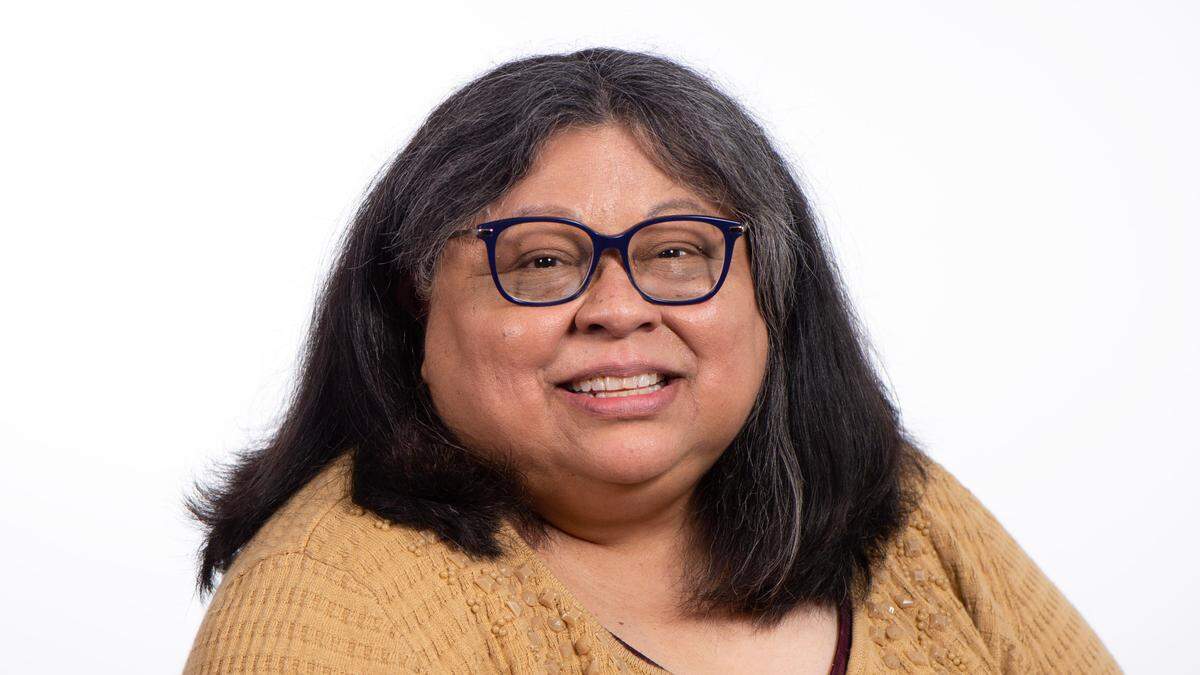
“Having the memorial on campus is incredibly special. Many people forget Cronkite’s deep ties to this area,” Luling Huang, assistant professor of communication at Missouri Western, told The Star.
“For our students, walking past the memorial is inspiring. It connects them directly to the history of excellence in our field.”
Cronkite anchored the “CBS Evening News” from April 1962 to March 1981. Shortly after he retired, President Jimmy Carter awarded him the nation’s highest civilian honor, the Presidential Medal of Freedom.
Cronkite’s name popped up in headlines right after the new year thanks to the latest host of the “CBS Evening News,” Tony Dokoupil, who has moved to the evening shift from his co-hosting gig at “CBS Mornings.”
The transition has been rocky. Revealed Tuesday, viewership in the first five days of Dokoupil’s hosting duties was down 23% from the same time frame last year.
On Sunday, Golden Globes host Nikki Glaser scored laughs from the Hollywood audience when she joked that CBS News, widely perceived by media observers to be taking a new right-leaning tilt in its coverage, is “America’s newest place to ‘see BS’ news.”
CBS aired the Golden Globes.
On New Year’s Day Dokoupil posted a video explaining his approach to the news, saying that other news organizations place too much emphasis on the “analysis of academics or elites,” something he would change.
Then he read his reviews. One commenter on Instagram wrote: “I grew up on Cronkite. Too bad CBS has lost its Tiffany shine. But good luck to you anyway.”
Dokoupil replied: “What did you love most about him? I can promise you we’ll be more accountable and more transparent than Cronkite or anyone else of his era.”
News reports and editorials characterized it as a jab at Cronkite.
“Did new CBS anchor Tony Dokoupil dunk on Walter Cronkite?” asked an editorial in the Arizona Republic in Phoenix, where the journalism school at Arizona State University is named after Cronkite.
‘And that’s the way it is’
There is no “dunking” on the broadcast news giant in Missouri, where in 1999 he was inducted into the Hall of Famous Missourians, an honor he shares with Walt Disney, Harry S. Truman, Ginger Rogers and Ewing Kauffman.
“I don’t believe it is well known that he was from St. Joseph and always considered himself a Midwesterner,” Robin VanHoozer, curator of the Cronkite memorial, told The Star.
“I haven’t had specific comments about St. Joseph being his birthplace, however visitors are interested in where he came from and his journey through life, which took him from St. Joseph to Kansas City and around the world.”
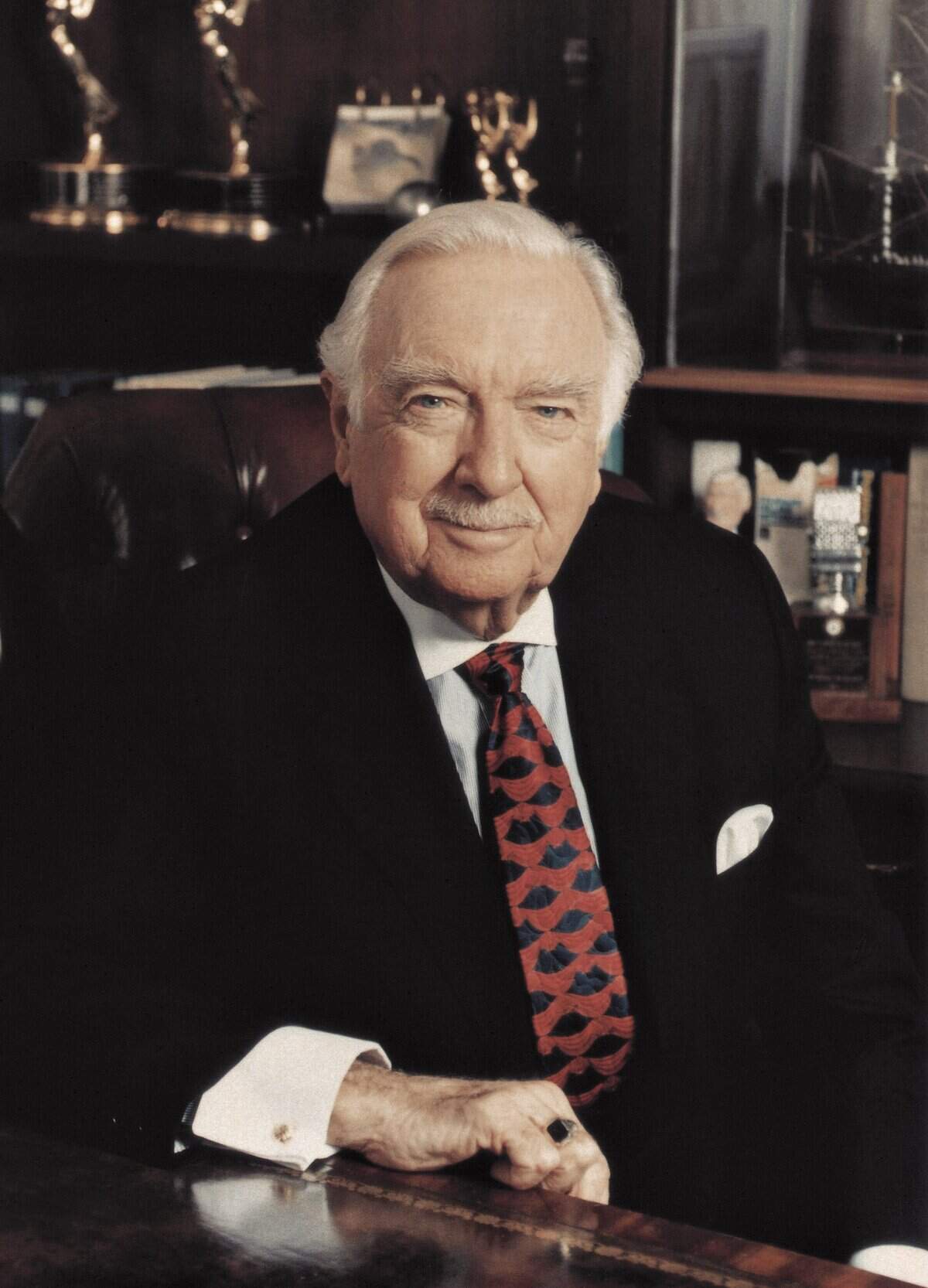
Cronkite was 1 year old when his family moved to Kansas City from St. Joseph in 1917, where one of his first jobs, at age 9, was as a paperboy for The Kansas City Star.
The family spent 10 years in Kansas City before moving to Houston, where Cronkite got his first job as a newspaper reporter. But he returned to Kansas City in 1936 to take a job at KCMO radio.
Three years later he was manning the night desk for the United Press news agency in Kansas City when he covered the invasion of Poland by Adolph Hitler, the first of many history-making stories he would go on to report.
The memorial’s website includes a greeting from Scott Pelley, who anchored the “CBS Evening News” from 2011 to 2016.
“All of us at CBS News are grateful to Missouri Western State University for creating this Walter Cronkite memorial and what a fitting thing it is that it is there in St. Joseph,” Pelley said.
“Because Walter always credited the values of the Midwest for being the linchpin of his career. He always asked us when we were writing here at CBS News: ‘Is it right and is it fair?’ Those were the things that he learned in the Midwest.
“And what a remarkable thing it is that the memorial itself is not just the story of Walter Cronkite but also his times. That’s exactly what Walter would have wanted. And what amazing times they were.
“World War II. The Korean War. The civil rights movement. The manned space program. The assassination of President Kennedy, Robert Kennedy, Dr. Martin Luther King. The Vietnam War and Watergate.
“Through all those times, some of the most tumultuous times in the history of this country, we always had Walter Cronkite writing for print, writing for radio, writing for television. And so that is why Walter would think so much of this memorial to his name, that it’s not just about him, but it’s about his life and more importantly his times.”
The memorial “was created to provide a fitting tribute to St. Joseph’s beloved native son and one of the most important and trusted journalists in our country’s history,” said VanHoozer.
Along with videos, interactive exhibits and display cases full of memorabilia — including several of Cronkite’s Emmys — the memorial houses a recreation of the 1960s-era CBS newsroom. It is a popular selfie stop for visitors.
“I would have to say one of my favorite parts of the memorial is the recreation of the CBS Studio and anchor desk from the tenure of Walter Cronkite,” said James Carviou, associate professor of journalism at Missouri Western.
“It has so many interesting interactive components like picking up the phone and hearing sounds from the newsroom. Visitors far and wide come and take photos with replica glasses and a script we have available at the desk.
“It’s truly a surreal experience to go back in time when we had three major news networks on television and CBS ruled the airwaves.”

Cronkite’s work guides students learning journalism at Missouri Western. The staff handbook of Griffon Media, the student-run media outlets at the school, quotes him on the basic tenants of journalism: “It is our duty to be sure that we do not permit our prejudices to show.”
“Cronkite shows that you can be world-famous while staying grounded and honest,” said Huang, Griffon Media’s co-adviser. “I teach my students that the audience’s trust must be earned, just like Cronkite earned it.
“We try to keep those values alive in our student media and journalism classes every day.”
The major effort today, Carviou said, “is educating folks about Cronkite’s life and legacy. The era of journalism that Cronkite was in is not the journalism of today. Yet, the importance of objectivity, telling the truth and doing it in an ethical way still remain constant pillars of the profession.
“Journalists really need to go back to the true essence of journalism and that is to report on the facts and let the people decide for themselves. Part of our fractured media came from a heavy obsession with opinion, ratings and constant breaking stories.
“However, if you look at the reporting of Cronkite, he just told it like it is, and that’s why his famous closing line of every broadcast was ‘... and that’s the way it is.’
“Some of my students have even co-opted it in our campus broadcast, which I find really endearing (because) it connects the future of journalism with the past.”
The pews at Cronkite’s funeral in 2009 in St. Bartholomew’s Church in New York were filled with a who’s who of American broadcasting journalism. Tom Brokaw. Dan Rather. Barbara Walters. Connie Chung. Diane Sawyer.
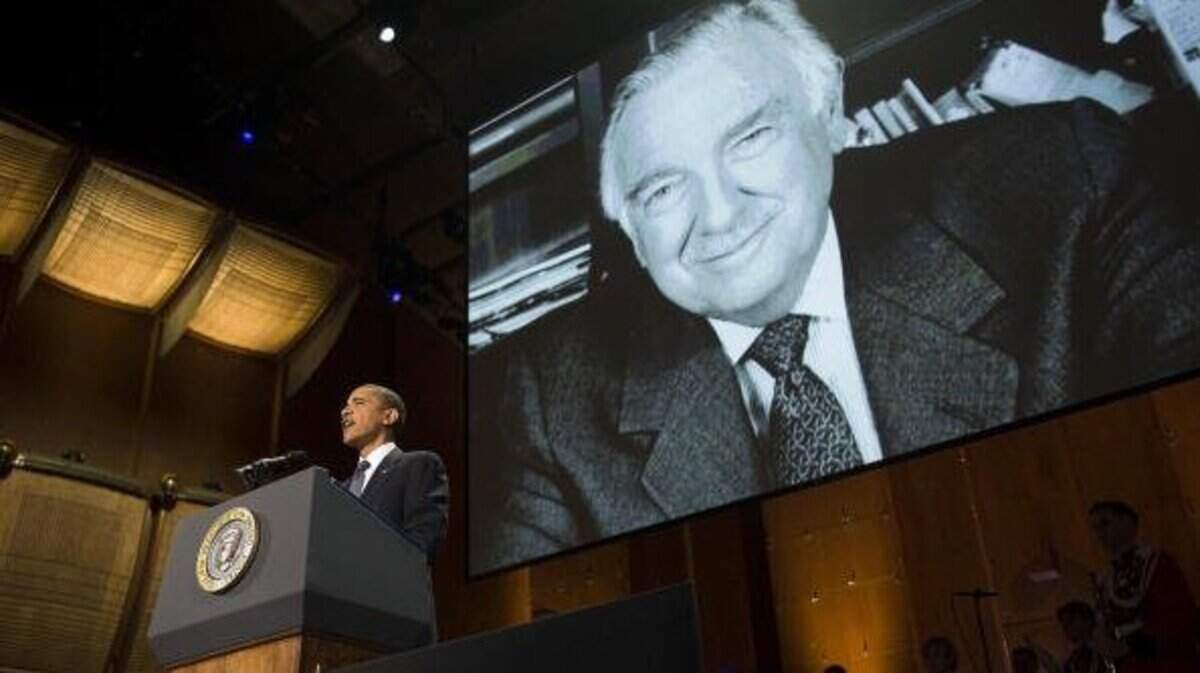
Then-president Barack Obama, former president Bill Clinton, astronaut Buzz Aldrin, Jimmy Buffett and Wynton Marsalis attended a separate glitzy tribute at Lincoln Center.
Yoko Ono Lennon sent flowers.
“When we were young my sisters and I came to Sunday school here at St. Bart’s. Four years ago we memorialized our mom here,” Cronkite’s son, Chip Cronkite, said at the funeral.
“Then we went out to Kansas City to bury her. We’ll be going back out soon to put dad’s ashes next to mom’s.”
This story was originally published January 14, 2026 at 1:35 PM.
.jpg)