Now open to all: See The Star’s historical photo archives, with the KC Library
Today, I’m excited to announce the launch of KCStarPhotos.org, a new project from the Kansas City Public Library and The Kansas City Star. It’s a free website with a database of hundreds of thousands of images from The Star’s archives of the pre-digital era of photography. It’s searchable by keyword, and has also been organized by topics such as jazz musicians, Crown Center and the BOTAR Ball.
It’s a fascinating and unique collection that has been out of the public eye for decades in The Star’s offices, where its images were used in regular news production. And how it made its way to this new website is a twisted tale involving FBI raids, cocaine and even a nefariously altered Heisman Trophy.
Really.
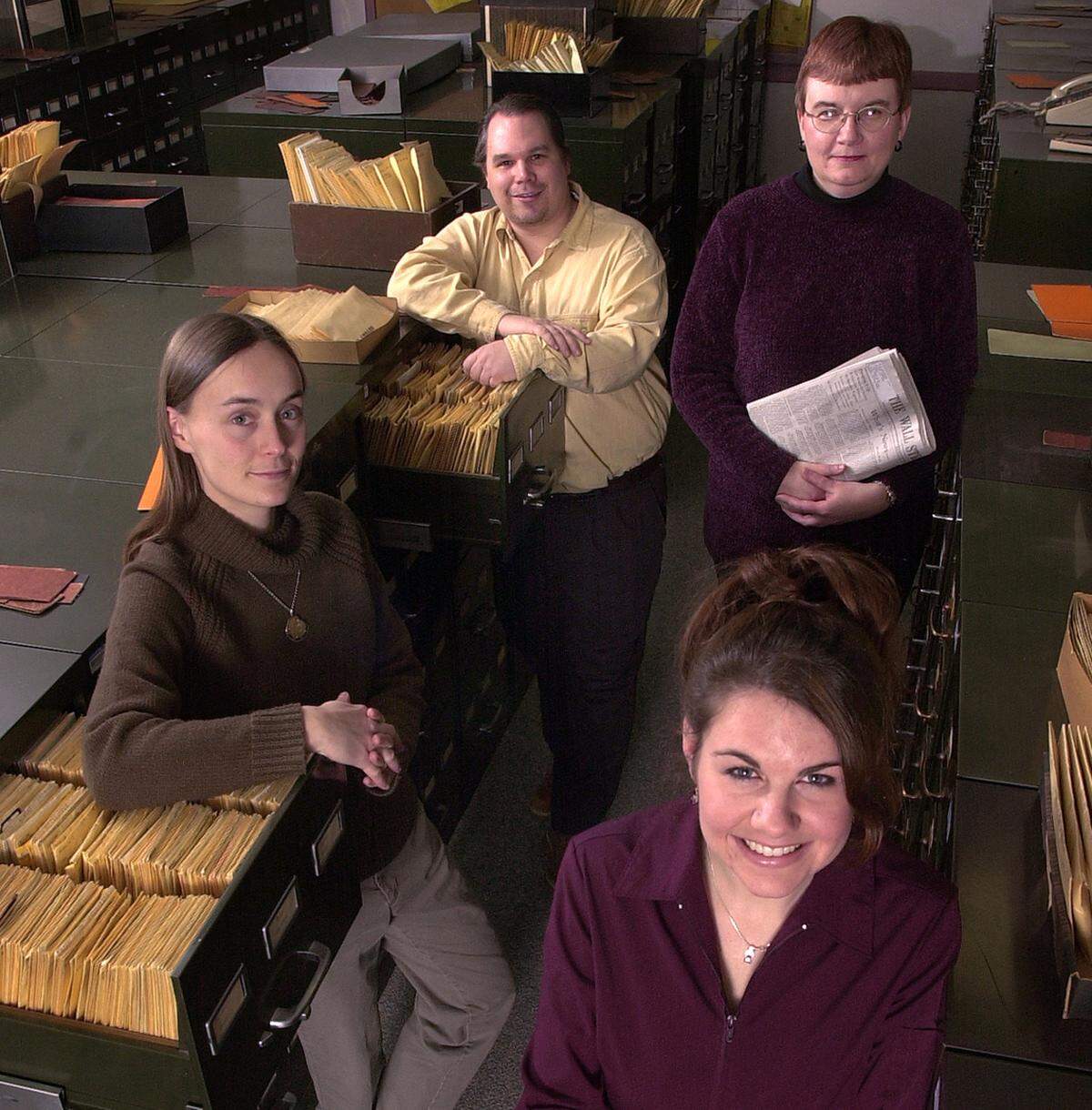
But let’s start with why these photos exist in the first place. Before coming to the Opinion department, I was The Star’s director of research and information, and that included overseeing the newsroom library (also known at some papers as the morgue). The library was a huge, L-shaped room on the top floor of The Star’s building at 1729 Grand Blvd. and it housed row after row of heavy metal filing cabinets. Near the entrance, their drawers were full of manila envelopes containing news articles, columns and editorials, individually trimmed by hand from copies of the newspaper, then date-stamped and filed away by subject matter, and also by the name of people mentioned in the coverage. These “clips” were often duplicated in multiple envelopes when they concerned more than one topic or person.
I still marvel at what a huge manual job this was every day for the library staff, which once numbered as many as 16 workers. Today, the text of The Star back to 1880 (and most of The Kansas City Times, the newspaper it bought in 1901) is now fully searchable, including advertisements, on the Newspapers.com site. The paper clippings still exist in physical form, though: The Star donated them to the LaBudde Special Collections department of the Miller Nichols Library at the University of Missouri-Kansas City in 2018, where they are accessible today. Email specialcollections@umkc.edu or call 816-235-1532 to learn more.
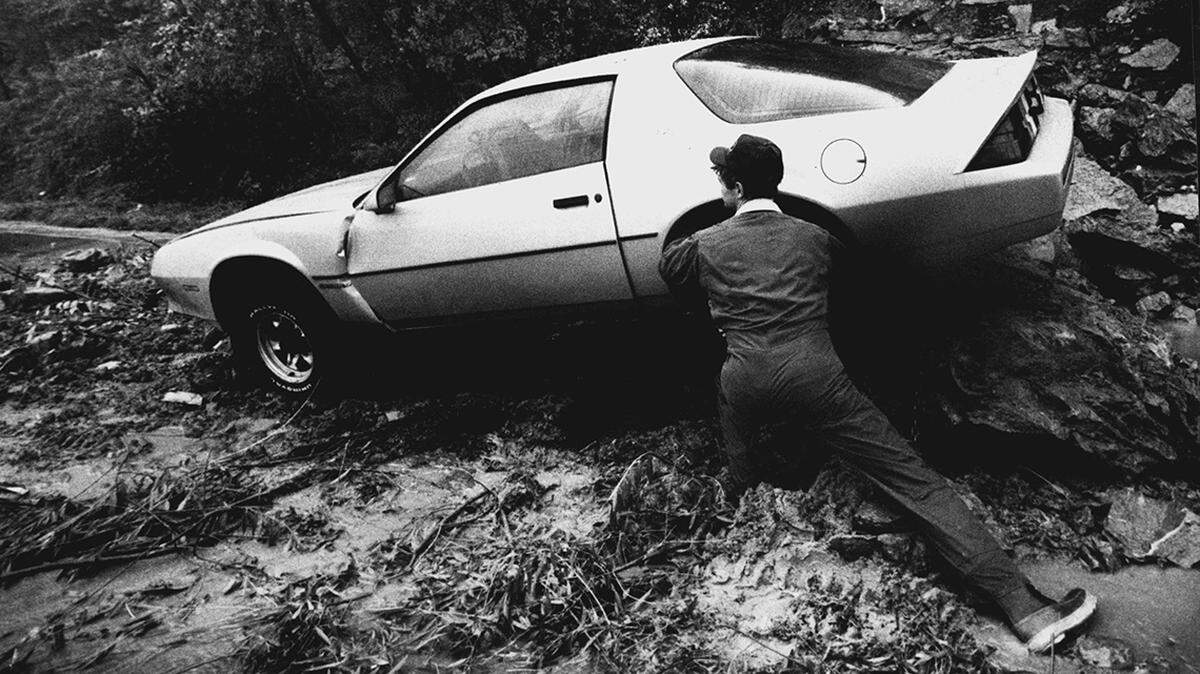
Around the corner from the clips was another set of cabinets collecting The Star’s photo and graphics archives, organized similarly. Most were in the form of photographic prints. Images that had appeared in the paper were saved, and a librarian cut out a copy of where it had appeared in the paper, date-stamped it and affixed it to the back of the photo with its caption. Some envelopes also included negatives, but outtakes — unpublished images — were almost never archived, a common industry practice.
Transition to digital production, storage
The news articles saved in The Star’s envelopes date back to the 1910s, and photos to the 1920s. But while we think of library and museum collections as precious bits of history to preserve carefully, newspapers’ archives were prosaic tools for publishing the news. Library staffers did their best to keep the clips and pictures well organized and tidy, but when a photo editor needed an image on deadline, those envelopes sometimes took a beating. Many of them did not end up pristine.
The Star began transitioning to digital production and storage of text and images in the 1990s, so the library’s paper collection quit growing. By the 2000s, the newsroom was fully electronic and the print clips and photos became less crucial to the daily news cycle. So I was happy in 2012 when The Star’s parent McClatchy entered into an agreement with Rogers Photo Archive in North Little Rock, Arkansas, to scan the hundreds of thousands of images in those cabinets in high resolution. Rogers would keep the prints and negatives to sell as collector’s items, and McClatchy’s newsrooms would get the digital versions to use online and in print.
Journalists aren’t in the historical preservation business. The newsroom would get more, not less, access to its own materials. It was a win-win.
Unfortunately, the Rogers Photo agreement was too good to be true. The company’s founder, John Rogers, had started out as a sports collector, beginning with baseball cards and eventually graduating to jerseys and other souvenirs. In the early 2000s, he branched out to photography, acquiring the archives of celebrated sports freelancer Don Wingfield, whose images appeared in The Sporting News and on Topps trading cards. From there, Rogers continued to expand the scope of his operation, purchasing many more artifacts and photos, including the archives of the Boston Herald, Chicago Sun-Times, Denver Post and other newspapers. He was believed to have the largest collection of historical photography in the country, at one point estimated at 45 million images. Rogers Photo was an active seller of high-end keepsakes on eBay.
But it was all a fraud, built on forgeries, inflated valuations and lies to investors. Rogers pleaded guilty in federal court in 2017 and was sentenced to 12 years in prison and ordered to pay more than $23 million in restitution. He posted on Facebook that he had “made hugely regretful, shameful mistakes, clouded in the daily haze of drug addiction.” Read author David Davis’ terrific account of the “Madoff of Memorabilia” on defector.com
Searchable database, ‘Surprise Me’
Lucky for The Star, though, Rogers Photo techs had already completed the scanning of our photos before the scam fell apart. However, all they delivered back to us was a hard drive of data that was not organized in any useful way. The images were not sorted into name and subject folders like their analog sources, and the file names were meaningless strings of letters and digits. You could play Whac-A-Mole to open files randomly and see what’s inside, and they carried accompanying caption information from the print when available. But there was no way to search them comprehensively, so they were essentially unusable.
Enter the Kansas City Public Library. The professionals there have resources and expertise The Star doesn’t, and making information easily obtainable is what they do. In 2022, The Star gave the library a copy of the Rogers Photo scans and programmers went to work extracting captions, which had been converted to text and paired with the relevant images. Then they created a searchable database and designers produced the KCStarPhotos.org site, which is cleverly organized and features a “Surprise Me” function that will keep you clicking.
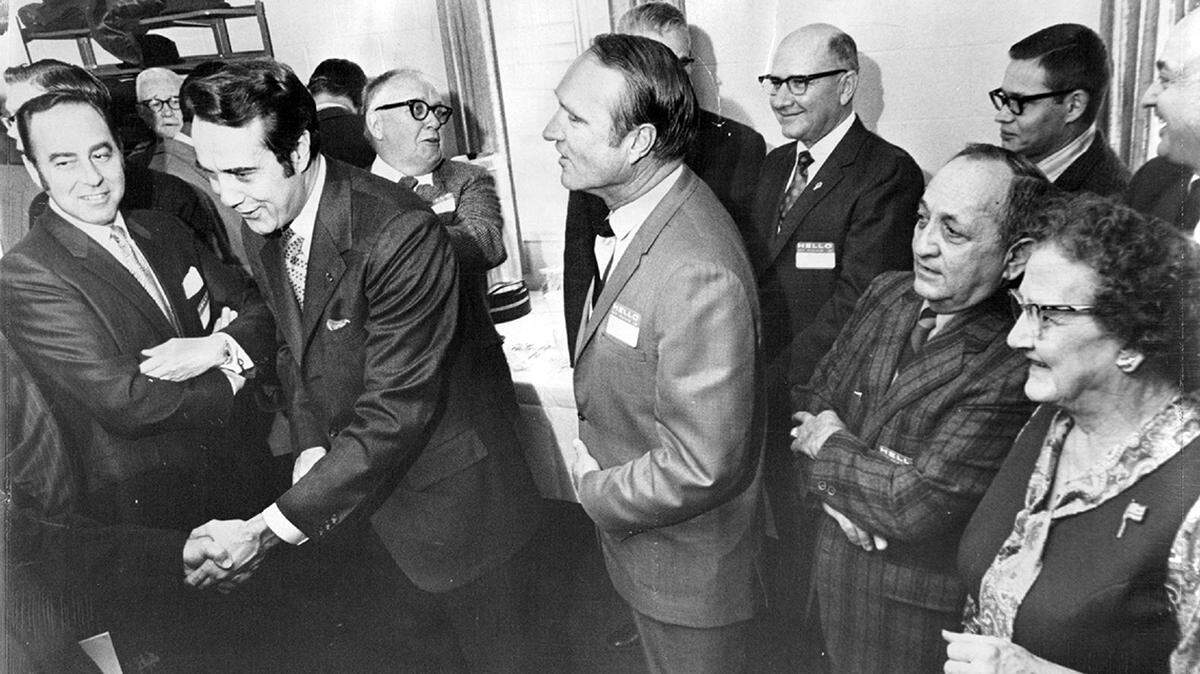
The content and quality of the images vary. Many were taken by Star staff photographers, but others are publicity photos or shots from wire services. There is no way to determine where a large number of them originated, as they had no identifying information attached in the envelopes. You’ll often be able to spot the hand-retouching required for images to reproduce clearly in the days before Photoshop.
And sadly, there are surprising holes in what types of images weren’t archived. In particular, Star librarians didn’t save as many sports images as they should have — including most of the Chiefs and Royals. But hundreds of thousands of photos did endure, and now they’re available for all to see.
The Star and the Kansas City Public Library are all about service and connection to our community. We all look forward to sharing this treasure trove of our collective history with you.
Join members of The Star and the Kansas City Public Library staff to discuss the Kansas City Star Photo Archive at the free event “All History is Local,” Feb. 12 at 6 p.m. at the Plaza Branch. RSVP at kclibrary.org/events
This story was originally published January 8, 2026 at 5:08 AM.