Brookside cell service at risk? Verizon sues over repairs at mid-century tower
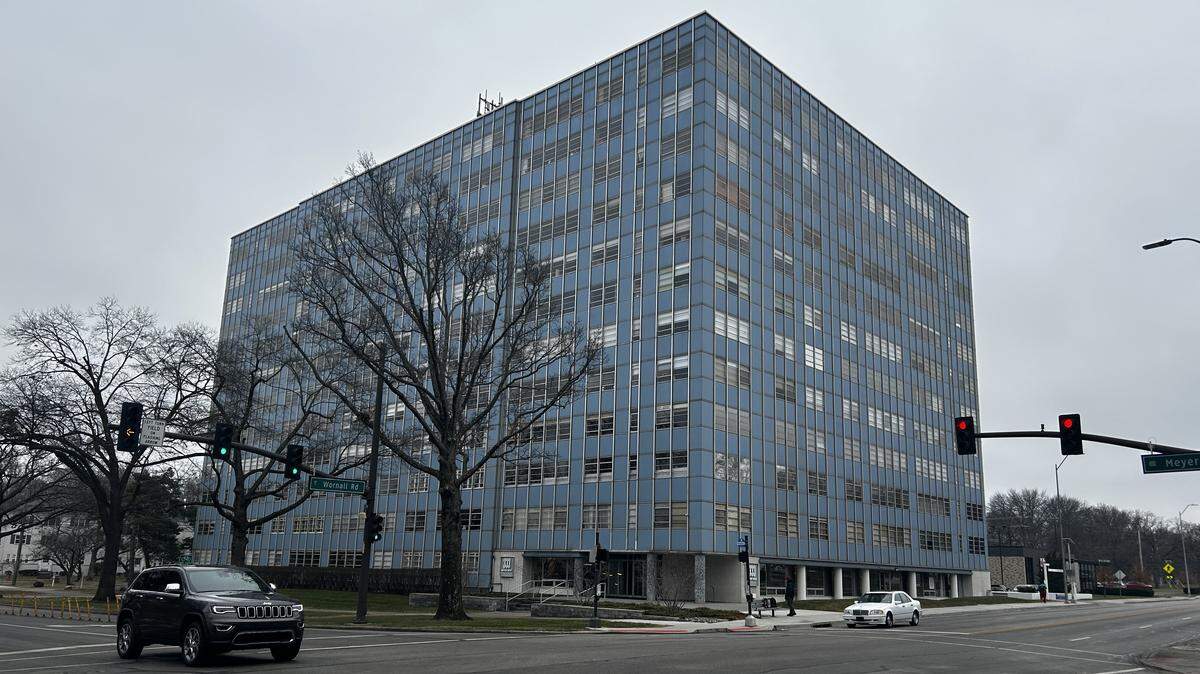
Verizon is asking a federal judge to immediately stop construction atop a Brookside condominium building, arguing that planned repairs would interfere with a long-standing rooftop cell site and disrupt wireless service for thousands of Kansas City customers.
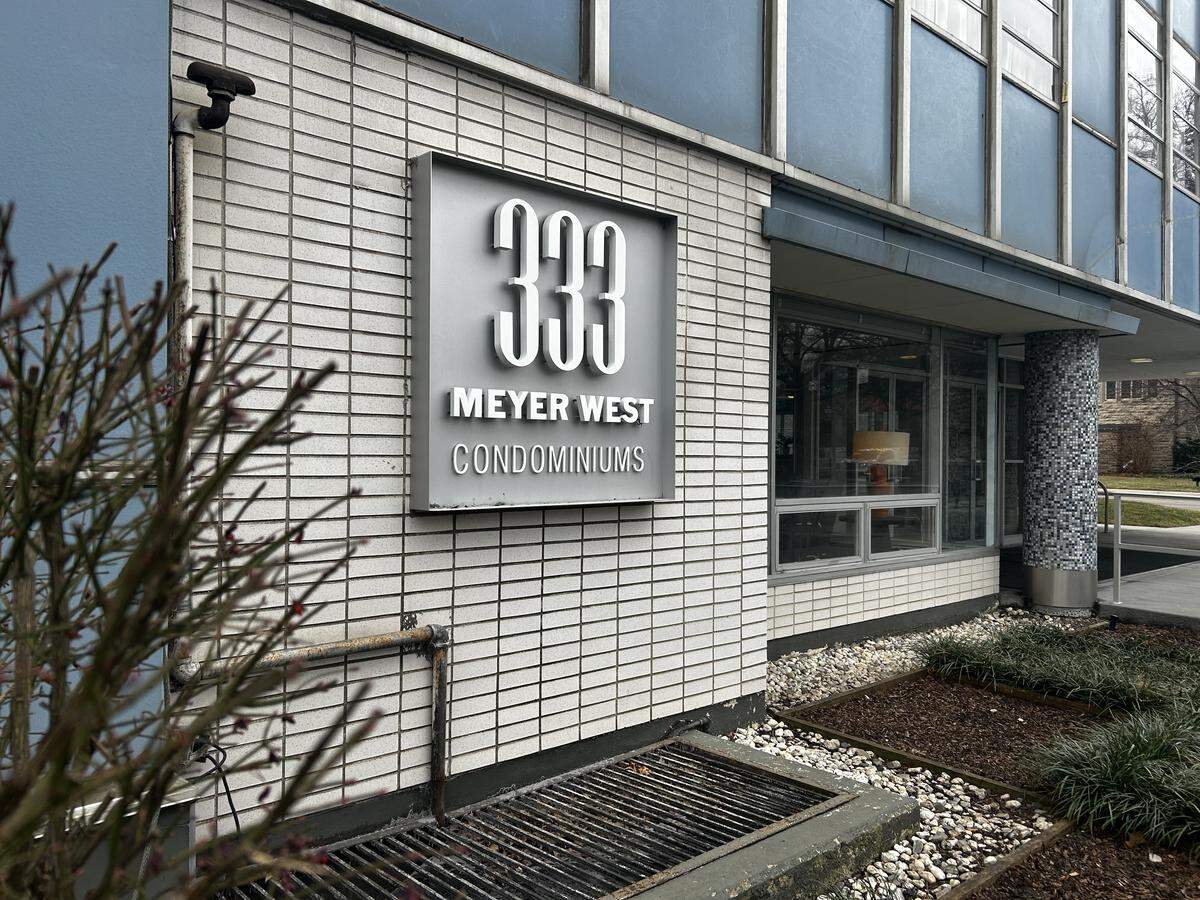
The lawsuit targets the 333 Meyer West Condominium Association, which owns a 12-story mid-century building in Brookside known to many Kansas Citians as the Blue Goose. Built in 1955, the tower has long served as a visual landmark in the neighborhood. Verizon has operated antennas on its roof since the early 1990s.
In a complaint filed Dec. 31 in U.S. District Court, Cellco Partnership — which does business as Verizon Wireless — is seeking a temporary restraining order and injunction to block the association from removing antenna equipment or moving forward with rooftop construction that would interfere with service while the dispute is litigated.
According to the lawsuit, the condo association told Verizon in August that the weight of its antennas had damaged exterior masonry walls on a rooftop penthouse. Repairs, the association said, could cost about $120,000.
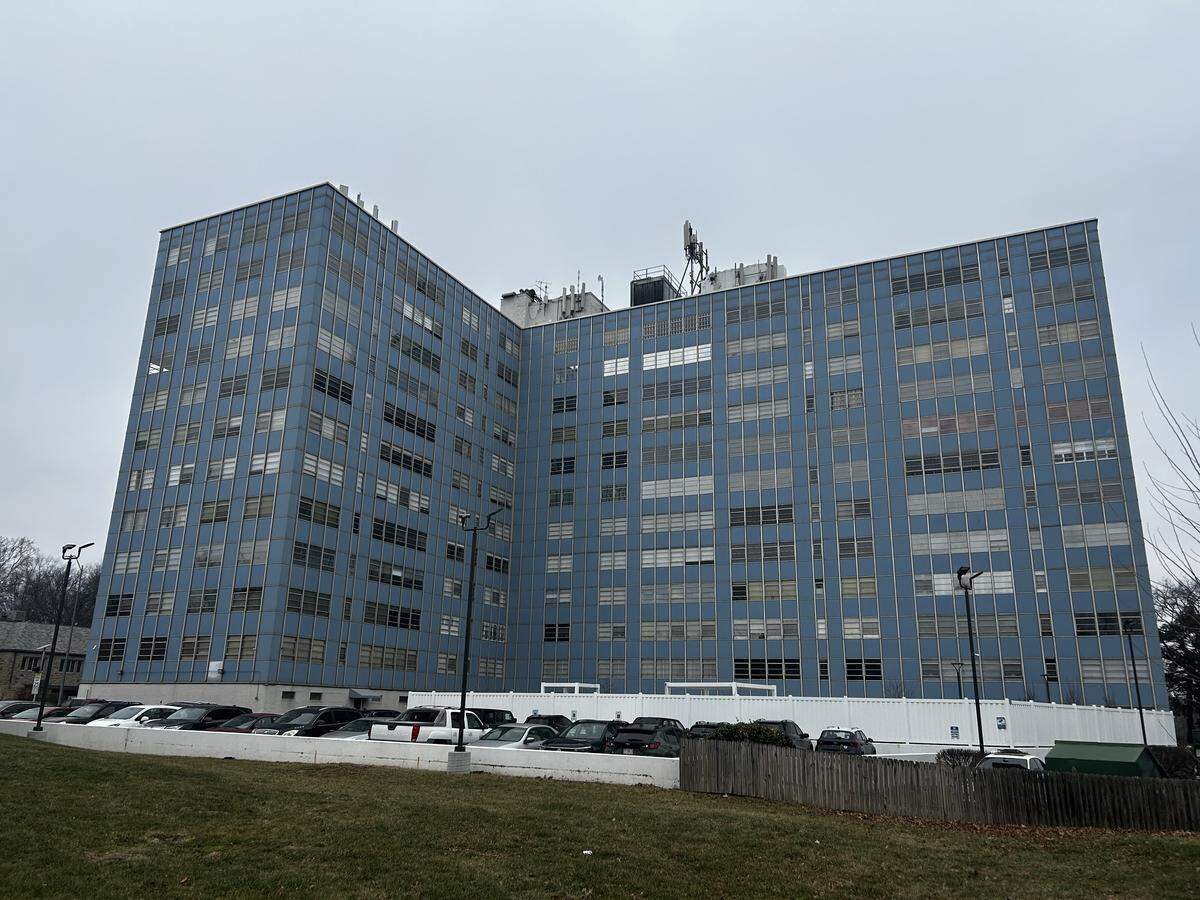
Verizon sent one of its construction engineers, Bryan Widman, to the site in November, who said in an affidavit filed with the lawsuit that he saw no structural damage to the roof attributable to Verizon’s antennas. He also observed that the association had begun to install steel framing for new HVAC and boiler equipment directly next to Verizon’s antennas. Widman says he was told by members of the association that additional HVAC rooftop construction was scheduled to begin in January.
“If (that equipment) were installed, Verizon’s antenna would not be able to operate,” Widman wrote in his affidavit. “The signal would be blocked, causing service outages for those Verizon customers that rely on the antenna equipment.”
Verizon says the rooftop site serves a roughly three-square-mile area around the building, “including residents, businesses, municipalities, schools, healthcare providers, and first responders.”
Concerned that rooftop HVAC construction scheduled for January could interrupt service — and unable to secure written assurances from the association that the status quo would be maintained — Verizon filed suit on the final day of 2025, seeking to halt the planned work.
Verizon’s attorney, Mike Kelly with Husch Blackwell, did not respond to a request for comment.
The condo association’s POV
Emails included in the lawsuit show that the association and Verizon had previously negotiated regarding relocating Verizon’s antennas to another part of the roof while repairs were made to the damaged penthouse. Verizon estimated the move would cost between $80,000 and $100,000 and said the expense would have to be covered by the condo association.
The association proposed that it would pay the $120,000 for masonry repairs if Verizon paid the $80,000 to $100,000 to relocate its equipment, warning that without an agreement it would seek court intervention to force the antennas to be moved.
“I think we can all agree we do not wish the area to collapse and cause any parties serious injury,” the association’s attorney, Christopher Lee, wrote to Verizon in August. “We think our proposal is fair under the circumstances and urge you to accept our offer immediately. Please let us know your stance within 14 business days.”
The same letter noted Verizon was separately seeking to renegotiate its lease payments, lowering its monthly rate from $3,766 to $3,000. Lee told Verizon the association was “unwilling to enter into any type of (lease) negotiations until this situation is remedied.”
The exchange did not produce an agreement. Emails show continued back-and-forth between the attorneys through the fall, and by December Verizon was asking for written confirmation that no rooftop work would proceed while talks continued. Lee responded that the condo board, made up of unpaid volunteers, was scattered for the holidays and unable to provide formal assurances.
On December 26, Lee wrote to Kelly that, “If Verizon has any other offers than for the Association to fully pay for removal of the items or if they simply wish to terminate the lease please let me know.” Verizon filed its lawsuit six days later.
In a statement to The Star, the association said it was surprised Verizon elected to file the lawsuit, “as we were working with them so we could proceed with maintenance and repairs with as little impact as possible for Verizon customers just as the Association has done with other providers.”
“Instead, Verizon thinks it is better to intentionally omit emails showing the Association’s efforts to find a solution, stop working with the Association, and file a federal lawsuit,” the statement continues. “The Association will defend itself accordingly in the courtroom on behalf of its residents, those visiting the community, and its owners.”
The case hit a procedural snag on Friday, when U.S. District Judge Beth Phillips said Verizon’s complaint did not adequately establish federal jurisdiction. Phillips ordered Verizon to file an amended complaint within 14 days before the court can consider the request for an emergency restraining order.
For residents concerned about cell service, the ruling leaves the situation largely unchanged — and unresolved. The antennas remain in place, but the court has not yet issued an order blocking construction. Until Verizon amends its complaint and the judge rules on the emergency request, there is no court directive preventing the association from moving forward with the rooftop work that Verizon says would interrupt wireless service in the area.