If KC Royals build new stadium in Overland Park, T-Mobile likely to leave campus
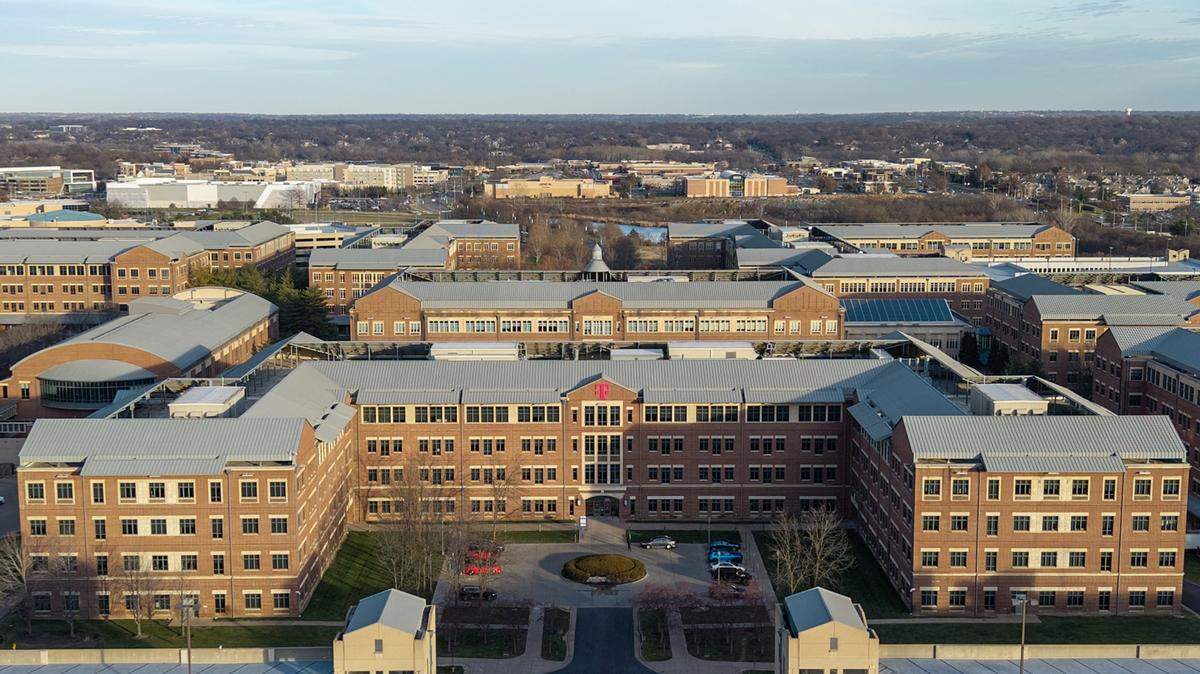
T-Mobile US Inc., which employs some 3,500 employees on the Aspiria campus at 119th Street and Nall Avenue in Overland Park, would seek to relocate should the Kansas City Royals choose to build its new stadium at the location.
“We love Kansas City and have been proud to call Overland Park home for nearly four decades,“ a company spokesperson wrote in a statement to local media. “Our campus supports over 3,500 T-Mobile employees, with growth plans, and cannot accommodate both our workforce and a stadium. (W)e’ll explore new locations, preferably within the city and state, if the Royals proceed while continuing to work with the City and community leaders on a solution.”
The news was first reported by the Johnson County Post, followed by other media.
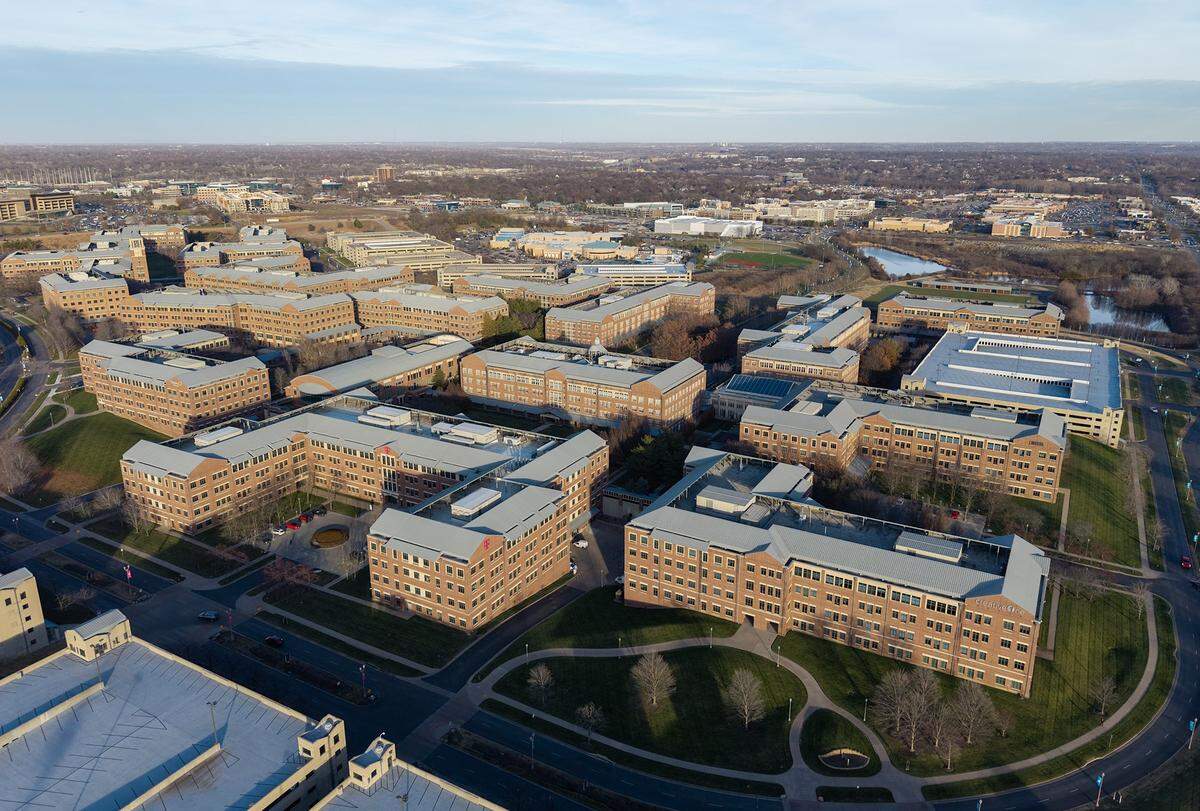
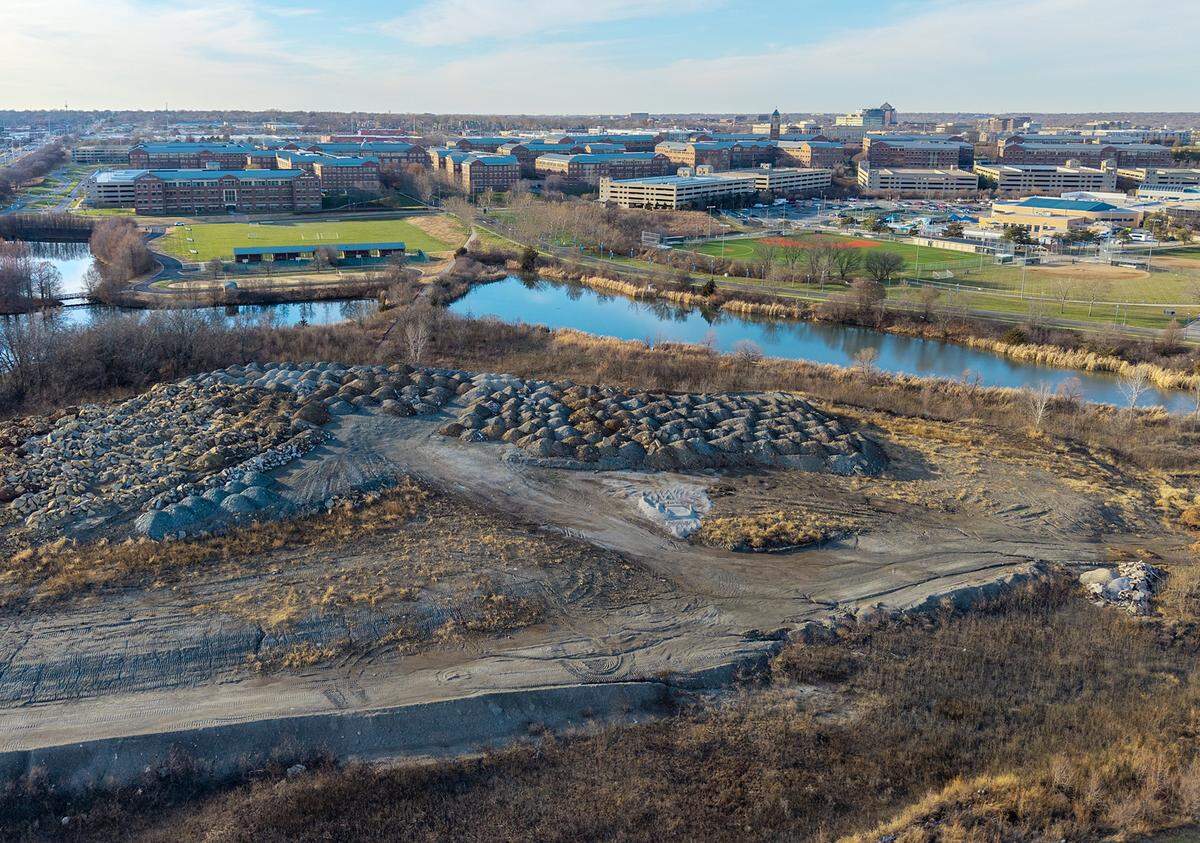
The Aspiria campus, formerly the campus for the Sprint Corp. includes 20 buildings that sits on some 200 acres in Johnson County. The site is one of three that the Kansas City Royals have been considering as a possible site on which to erect a new baseball stadium.
The team is determined to leave Kauffman Stadium, built in 1973 in eastern Jackson County.
The Royals first floated the idea of a new downtown stadium more than four years ago in September 2021. A year later, in November 2022, the organization officially announced its plan to leave Kauffman Stadium, where it currently still plays. Since that time, the question of where the Royals will go has become a long and ongoing question.
In February 2024, the Royals proposed building an estimated $2 billion-plus stadium in the Kansas City Crossroads Art District. The plan met fierce opposition when it became clear that nearby buildings and thriving businesses would be displaced.
That plan died two months later, in April 2024, when Jackson County voters overwhelmingly rejected a ballot question, 58% to 42%, that asked residents to approve a 40-year sales tax to fund construction of the stadium in the East Crossroads and to renovate Arrowhead Stadium for the Kansas City Chiefs.
Since then, where the Royals might go has remained uncertain. Two other sites under prime consideration are Washington Square Park in Kansas City, fueling the hopes of fans and city leaders desirous for downtown Major League Baseball. The other site is a largely industrial area in North Kansas City, directly across the Missouri River in Clay County, but also close to downtown.
How the new stadium would be funded, what tax incentives might be offered, what the mix of public and private money might be, still remains undetermined, being predicated on where the Royals ultimately choose to go. Both Missouri and Kansas lawmakers have created funding mechanisms that could help pay for a potential project.
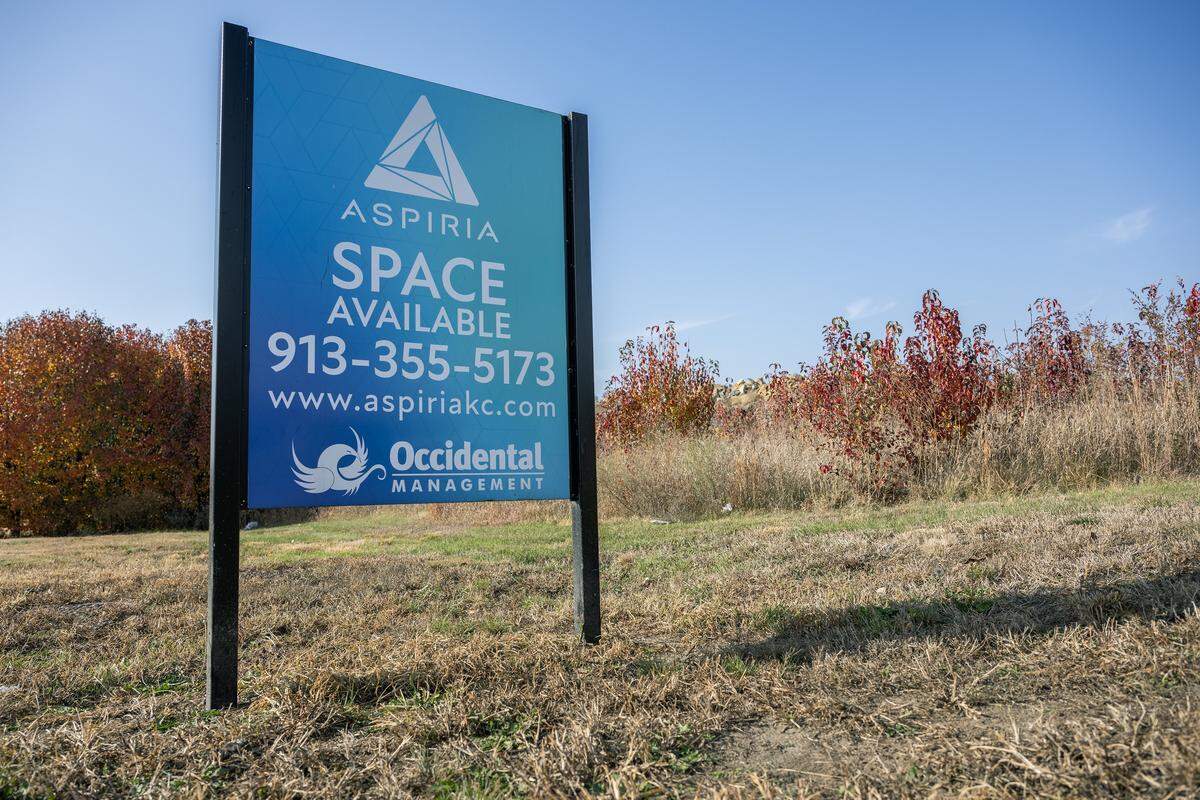
In May, the Aspiria site raised more speculation as a possible site contender after a Royals affiliate purchased the site that month, giving the team some financial leverage over the location. City planning documents show the campus’s current owner recently withdrew a previous development plan, which called for a mixed-use regional activity district on 51 acres.
In Kansas, Gov. Laura Kelly in June signed a supercharged incentive package into law offering to fund up to 70% of new stadium costs with public money — specifically sales tax and revenue, or STAR bonds.
A group of top Kansas lawmakers voted in July to extend the law authorizing the STAR bond incentive package for the Royals and Chiefs through June 2026. But as a caveat, they indicated they would not entertain a proposal brought to them after Dec. 31, 2025.
Lawmakers will have one more opportunity to review a stadium proposal between now and the end of the year at a December meeting of the Legislative Coordinating Council. That meeting has not yet been scheduled.
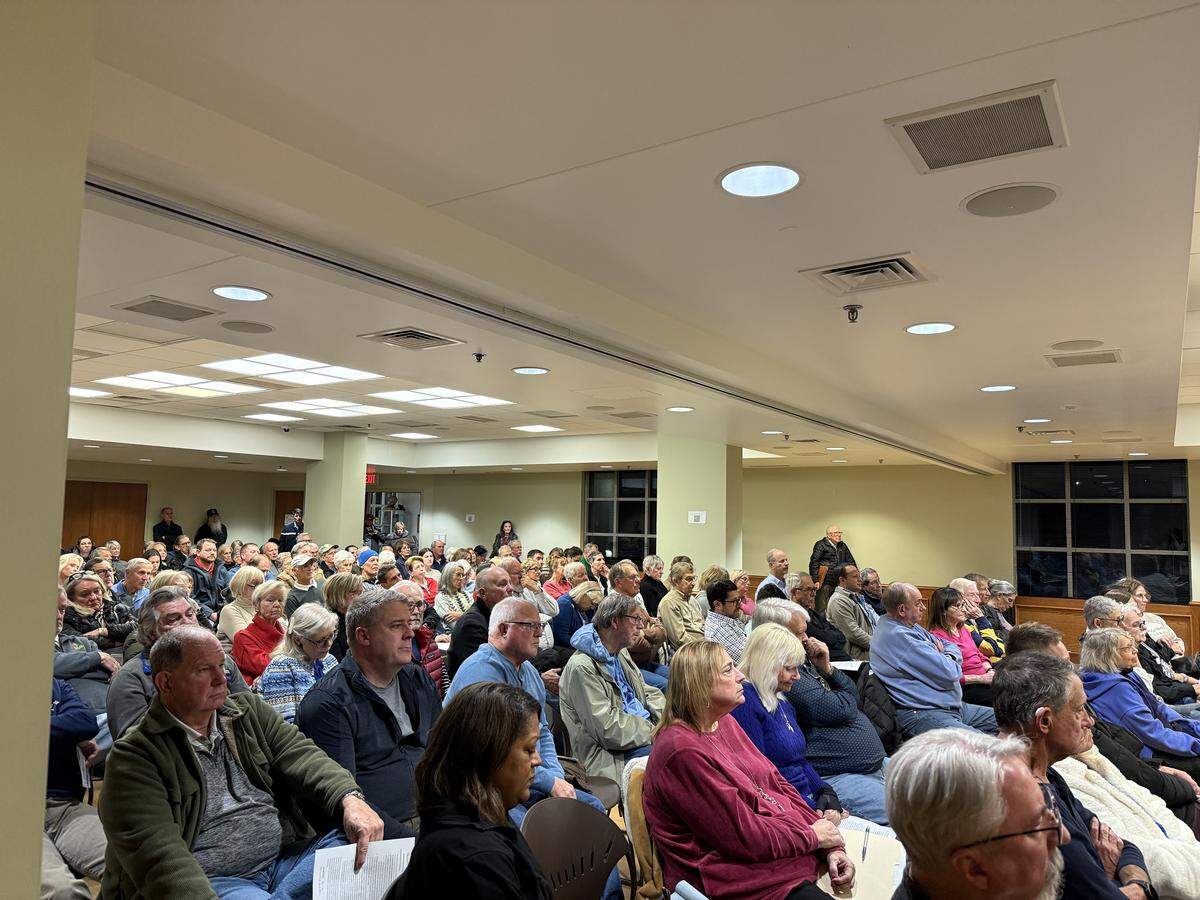
Some Kansans support the Royals moving to Kansas. But on Monday, uncertain about the future, scores of Johnson County residents to packed the Leawood Community Center largely in opposition to a new stadium as a neighbor. They voiced concerns regarding congested traffic, public safety, infrastructure and the effect on businesses in the area.
“I think it’s kind of grim and frustrating that we have probably so few options to voice our opinion,” Leawood resident Hilary McCoy said after the community meeting. “A lot of power is in a very small amount of hands.”
This story was originally published December 10, 2025 at 4:00 PM.