After 20 years, an iconic mid-century KC landmark is facing a major vacancy
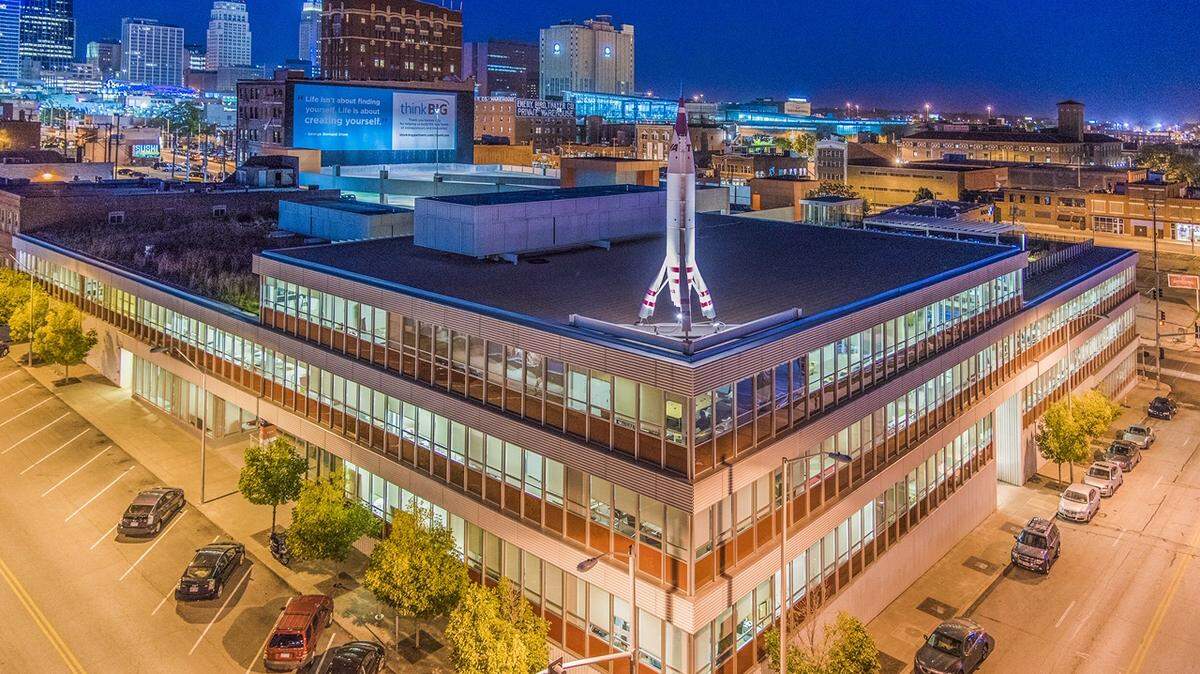
Barkley — technically BarkleyOKRP, after last year’s merger — is leaving the Crossroads.
Kansas City’s second-biggest ad agency is heading to the Country Club Plaza once its lease expires in November, taking over the space in the Board of Trade building that Populous left when it moved to the 1400KC building downtown.
So it’s not a border-war play, and it’s not a referendum on Kansas City as a business environment.
But it does mean the former TWA headquarters at 1735 Baltimore Ave. — one of the Crossroads’ most recognizable buildings — will soon be empty. And it marks the end of a 20-year partnership that helped define the Crossroads as we know it today.
I called up owner Brad Nicholson Wednesday after the news broke to get his thoughts and see if he had a new tenant lined up for his 133,00-square-foot mid-century beauty. He doesn’t yet.
“You got anybody?” Nicholson said, a wry joke.
Nicholson owns about a dozen properties in the Crossroads, including the Globe next door at 1712 Main and the Mainmark at 16th and Main. But the TWA building is his crown jewel — a labor of love that started back in 2000, when the first hints of revival were just beginning to ripple through the neighborhood.
Back then, the building was a stucco-wrapped box in a part of downtown most people had stopped looking at. Nicholson was among those who dismissed it. As he rehabbed nearby brick buildings in the 1990s, he’d pass the windowless structure assuming it was destined for demolition.
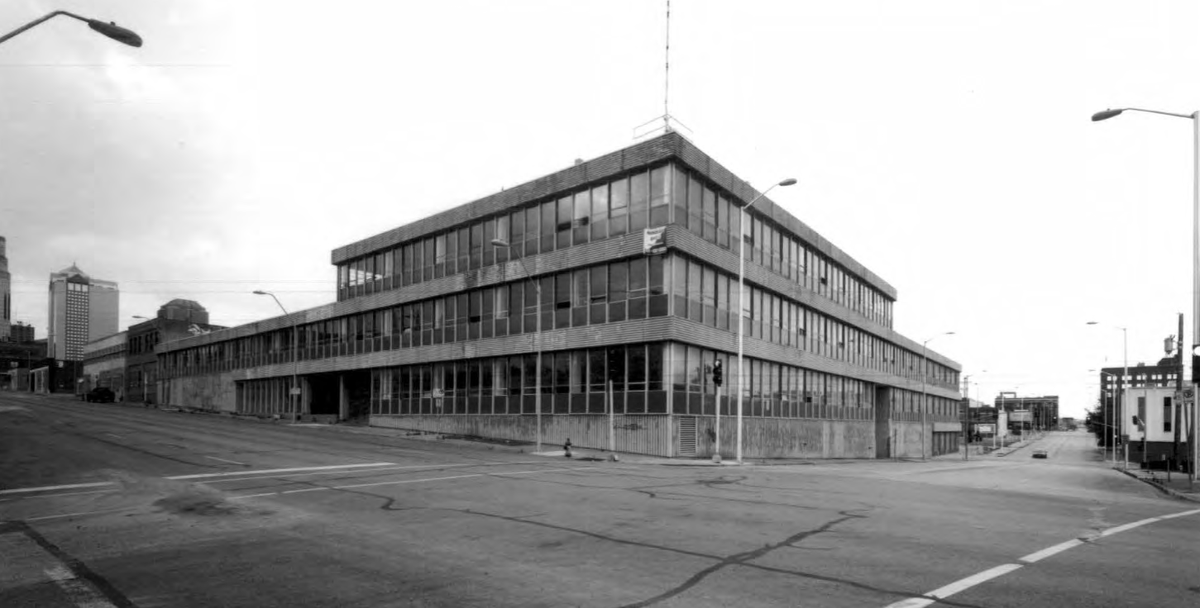
Over time, more developers, gallery owners, and other plucky entrepreneurs started planting flags in the area. The Crossroads began to take shape and gather itself. At some point, it became clear that the L-shaped building at 18th and Main sat on what would soon be prime real estate.
Hidden in plain sight
So Nicholson took a closer look. A title search showed the building dated to 1955 — an odd match for the nondescript bunker on the street. He made a visit to the archives at the University of Missouri-Kansas City to research the building.
That’s when he found a photograph of what once was: the headquarters of Trans World Airlines, the Jet Age giant, topped by a 30-foot rocket. The three-story Miesian building had once gleamed — an aluminum curtain wall and corrugated concrete dressed in TWA’s red and white, topped proudly by a 30-foot rocket.
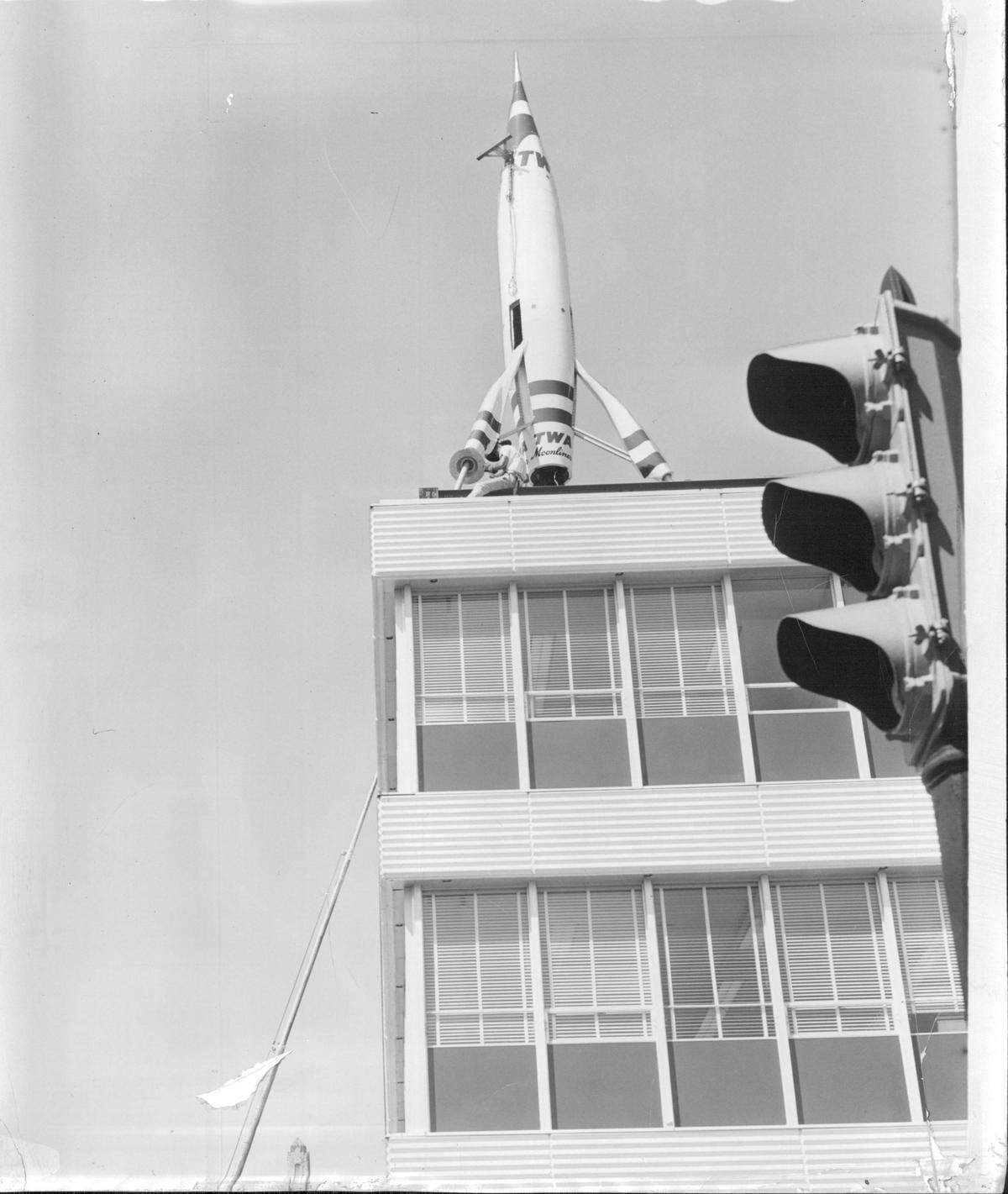
“My heart just started racing,” Nicholson recalled. “Was this modernist masterpiece lurking under this stucco tomb? It had been covered up so long that the history had pretty much been forgotten.”
What followed is a longer tale, but the gist is this: the original panels were still intact beneath the stucco, and Nicholson eventually bought the building and began a six-year restoration. He leveraged state and federal historic tax credits and worked with the El Dorado architecture firm and historian Cyd Milstein to bring the former airline HQ back to life.
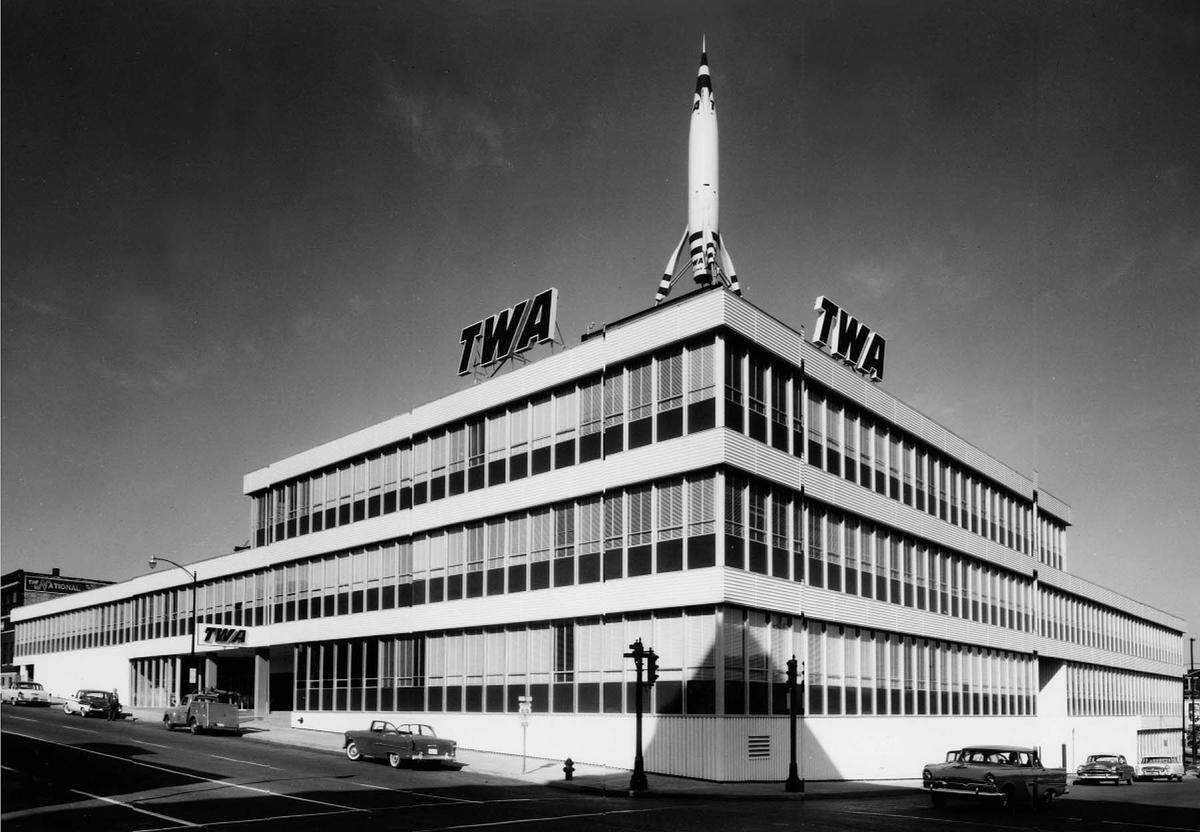
The project drew national attention. In 2008, the National Trust for Historic Preservation awarded the building its National Preservation Honor Award — a rare recognition for mid-century modernism.
“It’s unlike anything else that was around downtown at the time it was built,” said Ethan Starr, executive director of Historic Kansas City. “In the context of Kansas City in the ’60s, it was a very avant-garde edifice.”
Nicholson wooed Barkley as a tenant, sending a giant cake shaped like the TWA building to the firm’s then-office at the Fashionbilt Building, at 8th and Washington streets, in the Garment District. He later offered the advertising agency a six-figure art allowance to help them start a corporate collection. In November 2006, Barkley moved in, re-upping its lease a decade later for an additional ten years.
What Barkley walked into in 2006 wasn’t the Crossroads city leaders brag about today. It was still mostly artists and early risk-takers, but starting to tip into something broader: offices, retail, restaurants, people who didn’t necessarily own a gallery but wanted to be near the energy.
Katy Hornaday, Barkley’s CEO, remembers it well.

“When I first started here 13 years ago, we had Mildred’s to go to for lunch — that was about it,” she said. “And then suddenly I could walk to lunch and get a bouquet of flowers and a cashmere sweater on the way back. Then you had the streetcar, and the building where Corvino is. I think we’ve always been proud to have been a part of that.”
Barkley didn’t create that on its own, but having a major agency anchor the corner of 18th and Main helped signal that the district was a place where companies could plant a flag and grow.
“Having that kind of creative force in the neighborhood was really important,” said Nick Grünauer, who opened Grünauer in 2010 and now serves as president of the Crossroads Community Association. “For a neighborhood to really work, you need it to be multi-use — not just residents and restaurants and art galleries, but offices too. Barkley really helped activate the Crossroads by just having people working there.”
Future of the TWA building
So, why leave now? Rising crime? A declining advertising industry? Hornaday says neither.
“We’ve had tons of change over the past few years — good change,” Hornaday said. “We brought in a private-equity partner, acquired a few other agencies, expanded into other markets. It felt like we were entering a new era, and we thought we owed it to ourselves to consider a physical manifestation of that as well.”
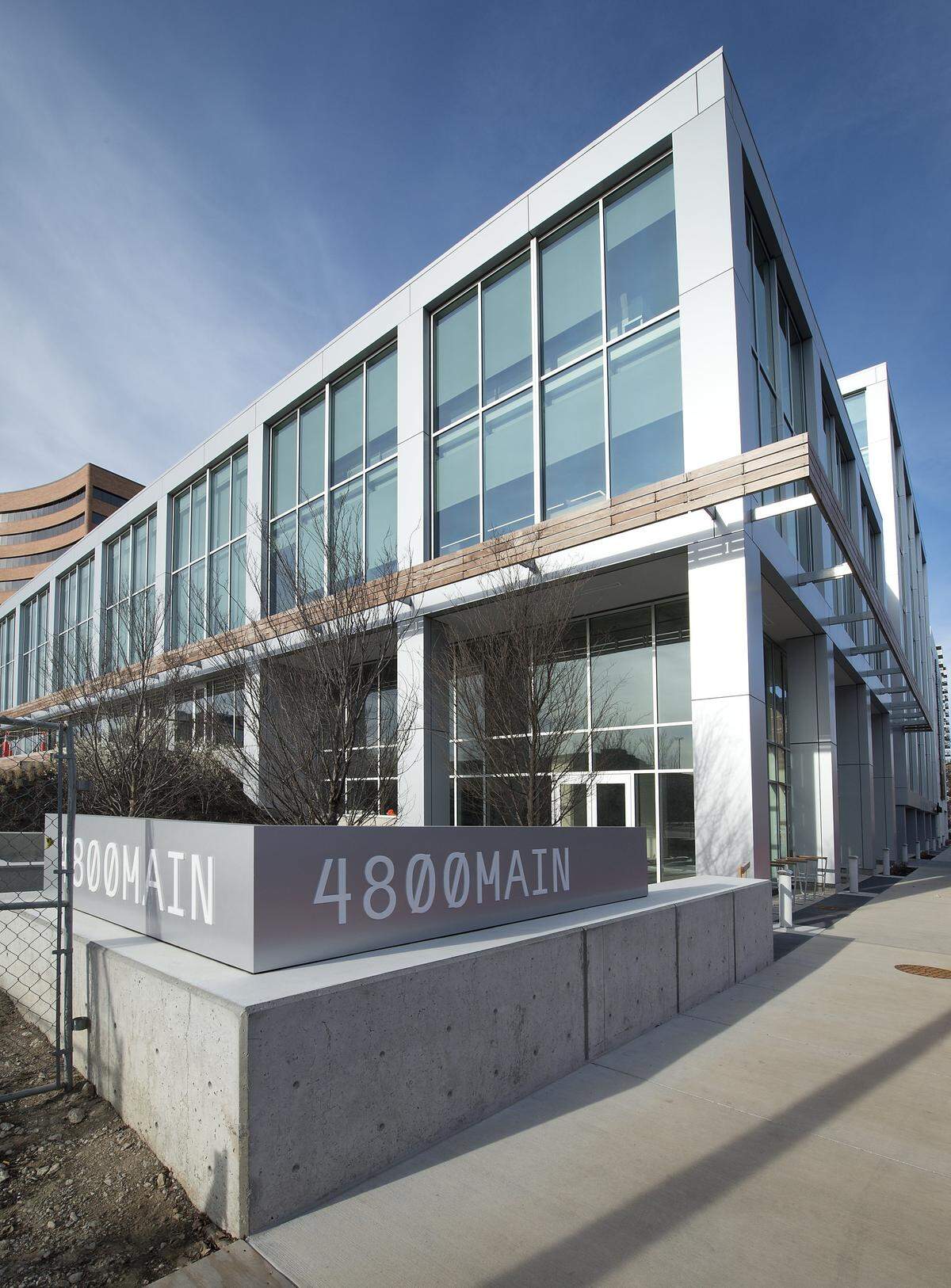
The old Populous space on the Plaza at 4800 Main checked the boxes: closer to where more of its 350 local employees live, close to the expanded streetcar line, overlooking a district slated for a billion-dollar overhaul. The timing felt right. Barkley is going to fabricate a new rocket — the image was for years the agency’s logo — and put it on display somewhere inside the Board of Trade building “so that the TWA legacy comes with us into this next chapter,” Hornaday said.
Down at 1735 Baltimore, Nicholson is preparing for a new chapter of his own. The building is zoned for almost anything — office, hotel, residential — and he’s already heard from a few curious parties. He’d prefer to keep it office. He talked up the large floor plates (40,000 square feet per floor), the interior upgrades, the native prairie garden blooming on the roof. He’s open to chopping the building into smaller spaces for multiple tenants.
And if someone wants to buy it? Maybe — but only the right someone. “It’d have to be a group that really recognizes the importance of the building,” Nicholson said, “and is willing to preserve its modernist design into the future.”
Twenty years with Barkley was a good run, he said.
“We’ll miss having them, they’re a great company,” Nicholson said. “But 18th and Main is still a very important nexus of transportation and connection and creativity in Kansas City. I think something special is going to happen again in this building soon. Buildings like this in places like this just don’t come along very much.”