Winter emergency shelter beds in KC more than doubled this year. Here’s why
As frigid weather sets in, the number of emergency cold weather beds for unhoused individuals in Kansas City has more than doubled this year, rising by nearly 500 beds, according to the city’s houseless prevention coordinator. A lot of the credit, he said, goes to the city’s work with their partner agencies and nonprofits.
“It’s incredible, and it’s just a testament to the partners and nonprofits that we work with,” Josh Henges, Kansas City’s houseless prevention coordinator, said. “They’re amazing, and they just want to do the most that they can during the worst, most dangerous part of the year.”
The city’s Zero KC Extreme Weather Plan, aimed to help people experiencing homelessness during winter months, is effective until March 1, according to Asia Jones, Public Information Officer with the city’s Housing and Community Development Department.
As of this winter, there are now a total of 931 shelter beds available across the city, including 491 city-funded low barrier beds. That’s a large jump from the 460 total beds available last winter.
As the temperatures continue to drop to dangerous levels, the beds will become available in phases to ensure people can sleep indoors, according to Jones.
Beyond the city-funded beds, the other 440 beds are from community partnerships, serving men, women, families, youth and all-gender populations, according to Jones.
The city is working with eight nonprofits this winter, including Heartland, Hope Faith, Open Doors, Unity Southeast, True Light Family Resource Center, A Turning Point, ReStart and Teresa’s Place.
Their locations vary all over Kansas City including the Crossroads, Midtown, Swope Park and the Northland.
“We want a large footprint, I mean, that is our goal to have, have it as far and wide as we can,” Henges said.
Henges said the city and its partners had been meeting weekly all year to strategize their winter approach. The consistent dialogue has helped build trust, which he said is crucial to their success.
“Building these relationships, talking to folks, building trust is probably the biggest thing for folks to even want to be a part of this,” Henges said. “It’s a big deal.”
Another improvement Henges noticed was that a lot of the homeless individuals coming to use the winter shelters are there for the first time. He believes that’s in part because of the low-barrier emphasis.
“What that means is we’re talking about folks who had ordinarily never go into shelter,” he said. “We’re doing something to where folks who may distrust the system or have had bad experiences with shelters in general over the last 10 or 15 years saying yes to this.”
Another reason, according to Henges, is the fact that this is the city’s fourth year doing the winter shelter.
“...there’s a bit of an expectation for it, which I like, that feels good that they can expect something good,” he said.
The low barrier shelter is considered the first step for the unhoused population to get out of their current situation. Both the city and partnered nonprofits have resources to connect people with additional services.
“We can use the low barrier shelter as this staging ground where if you wanted to go into treatment ... you were way more likely to still want to go into treatment in 10 days if you weren’t outside,” Henges said.
Though the number of beds have increased, the city has not spent much more out of pocket. The city spends between $50 to $85 per bed each night, depending on the size of the household.
“The city isn’t a service provider,” Henges said. “We’re really good at strategizing, organizing, and finding capacity, expanding it, and the partners that we have trust us. “
Women’s shelter beds added this year
One of the most exciting additions for Henges is the addition of shelter beds for women this year.
Sheltering women is one of the hardest hurdles, according to Henges, because of their survival defensiveness, which can result in higher rates of severe persistent mental illness and substance use disorder.
“The trauma that women experience, it bears itself out in their day-to-day life,” he said. “Imagine always being on edge like you’re going to be attacked in some way. It is really hard to form relationships, it’s really hard to let your guard down.”
Getting women out of homeless encampments has been their goal this last year, Henges said. Having partners like ReStart and Unity Southeast Church have been instrumental in increasing the cold weather beds for women from 80 last year to 114 this year.
“I think just being able to serve more women, get them off the street has been my favorite thing,” he said.
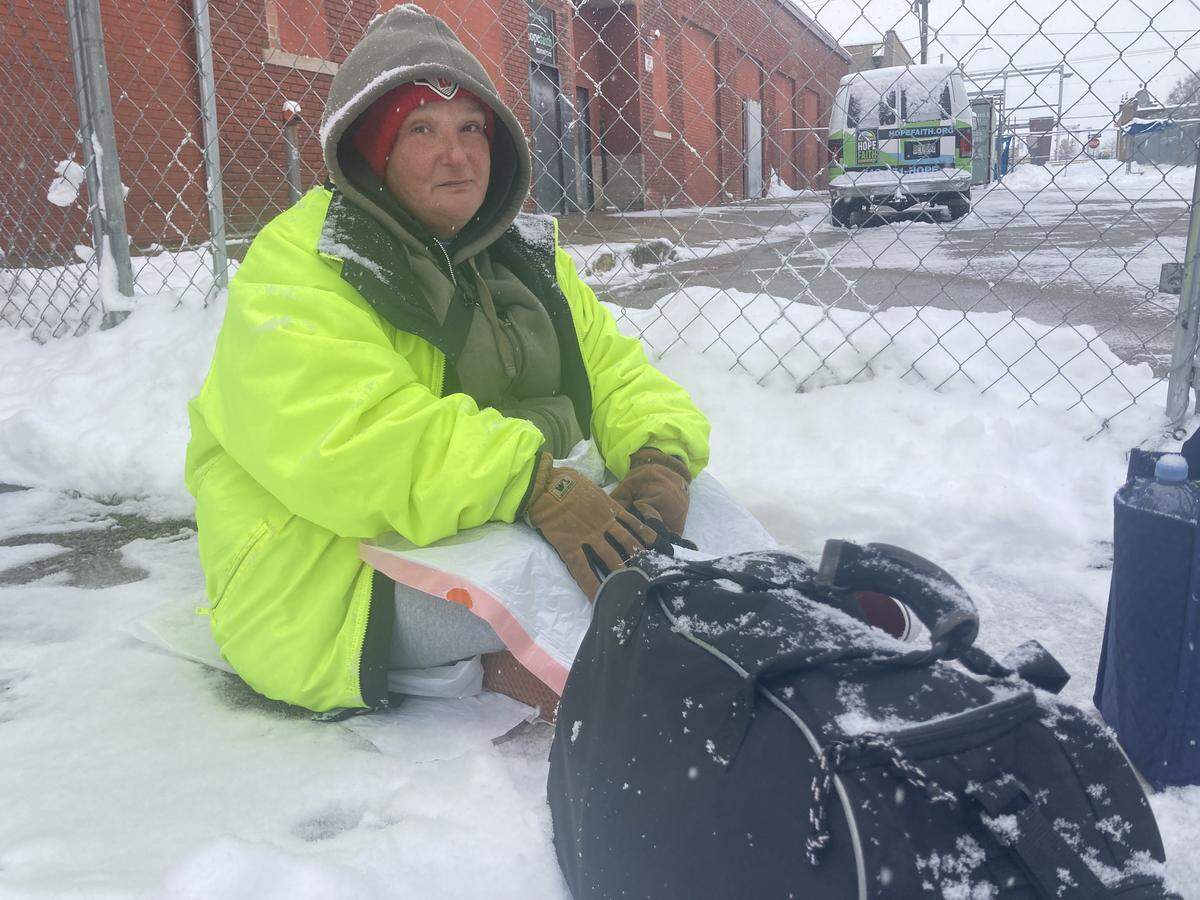
Hope Faith Homeless Assistance Campus, another city partner located at 705 Virginia Avenue, opened their overnight shelter to women for the first time Tuesday, according to The Star’s previous reporting. The shelter has 30 beds for women and 75 for men.
Next steps for the city
Though they have made progress on the number of beds available and building trust with partners, their next goal is to continue engaging with faith-based nonprofits. Faith-based groups, Henges said, have been very enthusiastic to provide aid to the homeless, but often don’t know what’s needed or where to start.
To fill that knowledge gap, Henges and others created a faith community toolkit for religious groups to be able to deploy resources and create a volunteer network. They plan to expand on that and provide resources similar to case management support, and are hoping to have volunteers through the faith communities.
“It’s expensive, having a way to either train or recruit volunteers to be consistent,” he said. “We believe we can do that if we continue to work with the faith community.”
Those seeking shelter are encouraged to call the hotline 816-513-3699 and contact shelters near them directly for the status on the number of beds available.
Previous reporting from the Star’s Eric Adler contributed to this article.
This story was originally published December 3, 2025 at 3:24 PM.