Lee’s Summit voters to decide on new tax that would help city prepare for storms
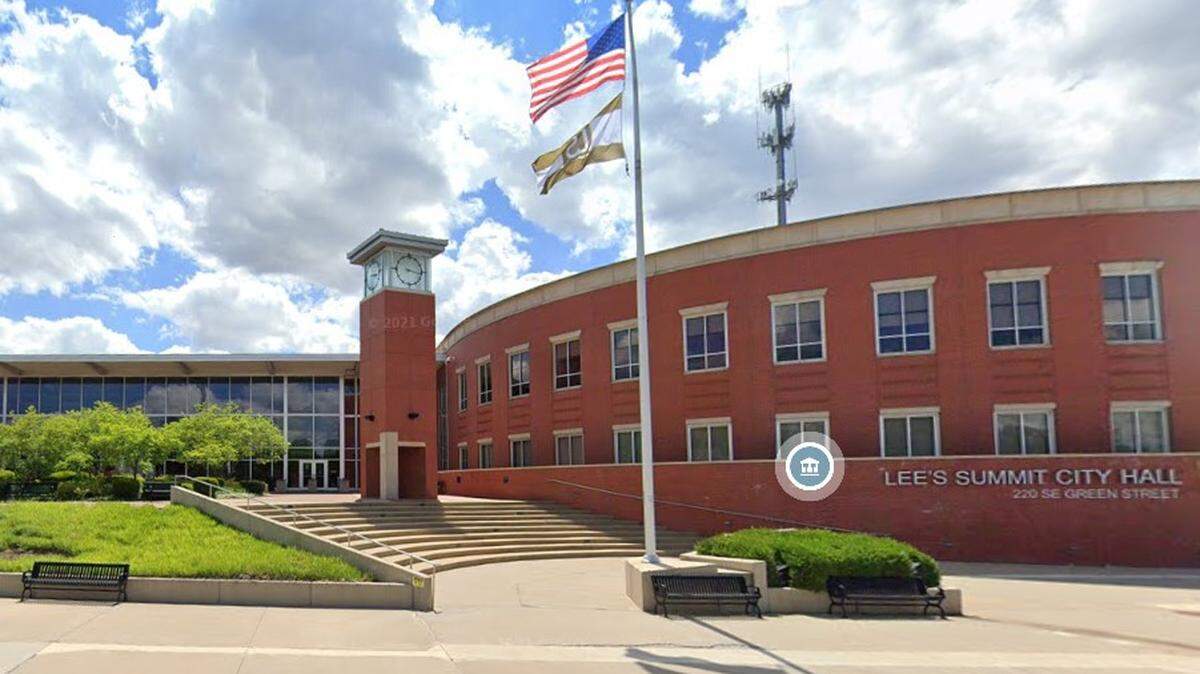
Next year’s slate of ballot initiatives in Lee’s Summit is starting to take shape, with a proposed new sales tax to help pay for stormwater improvements.
The Lee’s Summit City Council voted unanimously this week to put a new stormwater management and flood mitigation tax on the ballot in August 2026. Residents will vote to approve or reject the proposed sales tax at the rate of one quarter of one percent.
If passed, the new tax would be tacked onto the city’s existing use tax, increasing it by a quarter of a percent. Lee’s Summit residents currently pay a similar quarter percent tax within the use tax for parks services.
The city estimates the new tax would cost the average household between $105 and $125 annually, with about 40% of its revenue coming from out-of-town visitors.
Stormwater management was identified as a priority goal for the city during the 2022 budget cycle, according to a presentation to the Lee’s Summit City Council last year. The new tax for stormwater solutions was first proposed in November 2025, to unanimous council approval.
Left unchecked, stagnant water collecting throughout the city after storms can quickly erode buildings and other infrastructure, or can create sinkholes.
The city does not currently have any full-time municipal programs dedicated to cleaning up, or getting ahead of, standing water during thunderstorms, city officials said last year. The Lee’s Summit City Council has revisited the idea of a stormwater plan several times since 1995 but did not get far enough to propose a funding mechanism.
Multiple cities in eastern Jackson County suffered significant flooding damage this year, particularly during a series of disruptive, record-breaking summer storms. Some across the metro, including in nearby Independence, were displaced by flash flood damage to their homes.
The current response to flooding in Lee’s Summit was described to the city council last year as “close the road, and wait.” Its current stormwater management staff, according to the 2025 presentation, is known internally as a “Band-Aid crew,” focusing on patches and quick fixes to water damage.
Along with new staff positions and construction equipment, the proposed tax would fund the maintenance and creation of systems designed to safely trap, drain or store stormwater, including sewers, basins, channels and ditches, according to the city.
The proposed stormwater tax will be one of the first questions posed to voters under potential new city leadership. In April 2026, residents will vote to elect or re-elect a mayor and three school board members.