What are tiny bugs on my window screens? A Missouri scientist investigates
As predictable as cool fall nights and Chiefs sweatshirts around Kansas City, I know my window screens will be covered with tiny bugs.
These black specks show up each autumn, congregating on my screens and windowsill, and complicating my desire to open the window on a pleasant day. I sometimes watch them crawling, or see their tiny wings flutter around.
I wanted to know what these insects are, and why they find homes in my window screens, so I emailed the Missouri Department of Conservation.
The scientists were not able to identify the bugs through my blurry phone photos, so I coaxed some insects into a takeout container and brought them to the Anita B. Gorman Conservation Discovery Center in Kansas City, off of Troost and Emanuel Cleaver II Boulevard.
Columbia-based pollinator ecologist Alex Morphew put my samples under her microscope and gave an answer.
“My best guest for their ID is the hackberry gall psyllid,” Morphew wrote in an email.
For other people looking to identify insects in their home, they can use the MDC’s field guide as a starting point.
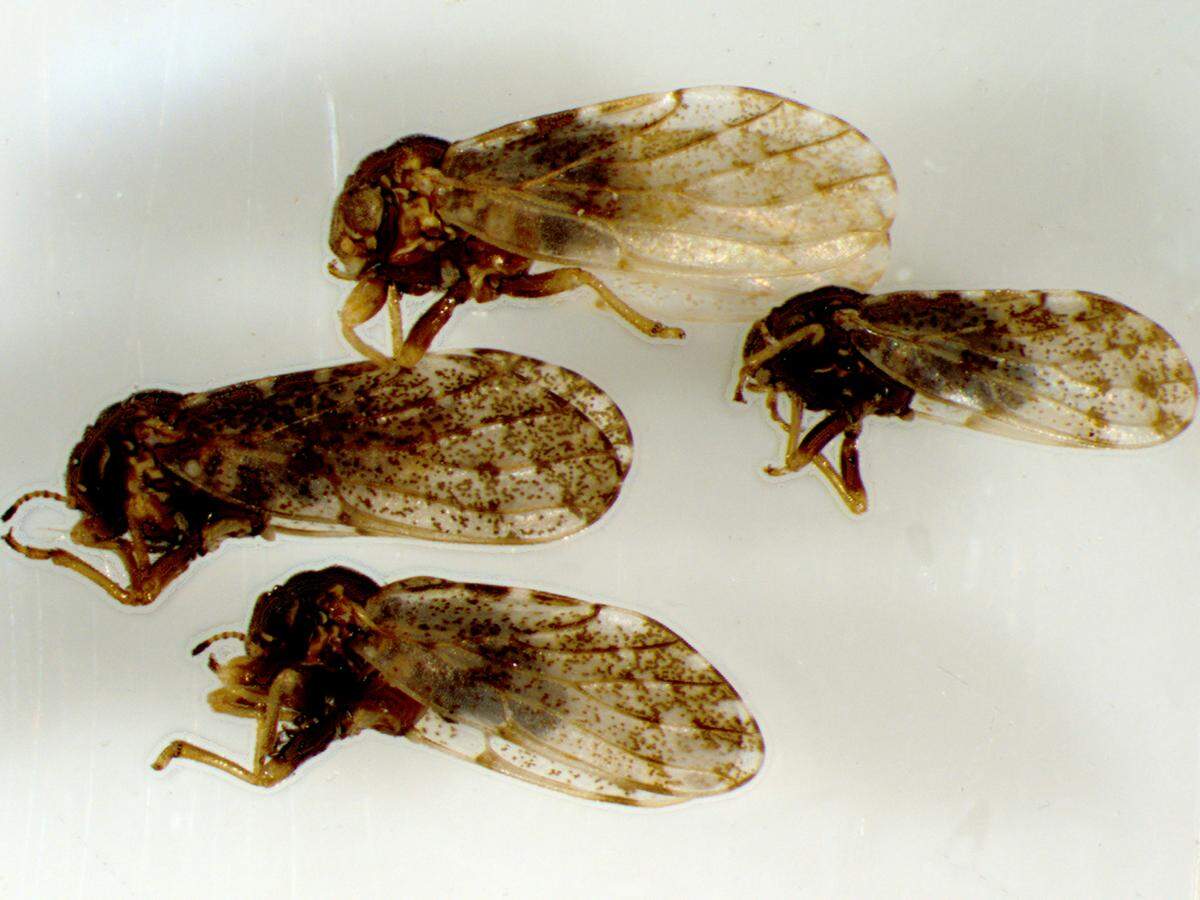
These tiny insects live wherever there are hackberry trees and suck on their juices. Smaller than a quarter of an inch, these insects look like tiny versions of their relatives, cicadas.
You can identify a hackberry tree by its berry-like fruits and the harmless nipple-like lumps on the underside of its leaves, made by the psyllids.
Scientists estimate there are seven to 13 species of hackberry psyllids, but they don’t know an exact number. They are hard to identify because the creatures look identical but create different types of lumps.
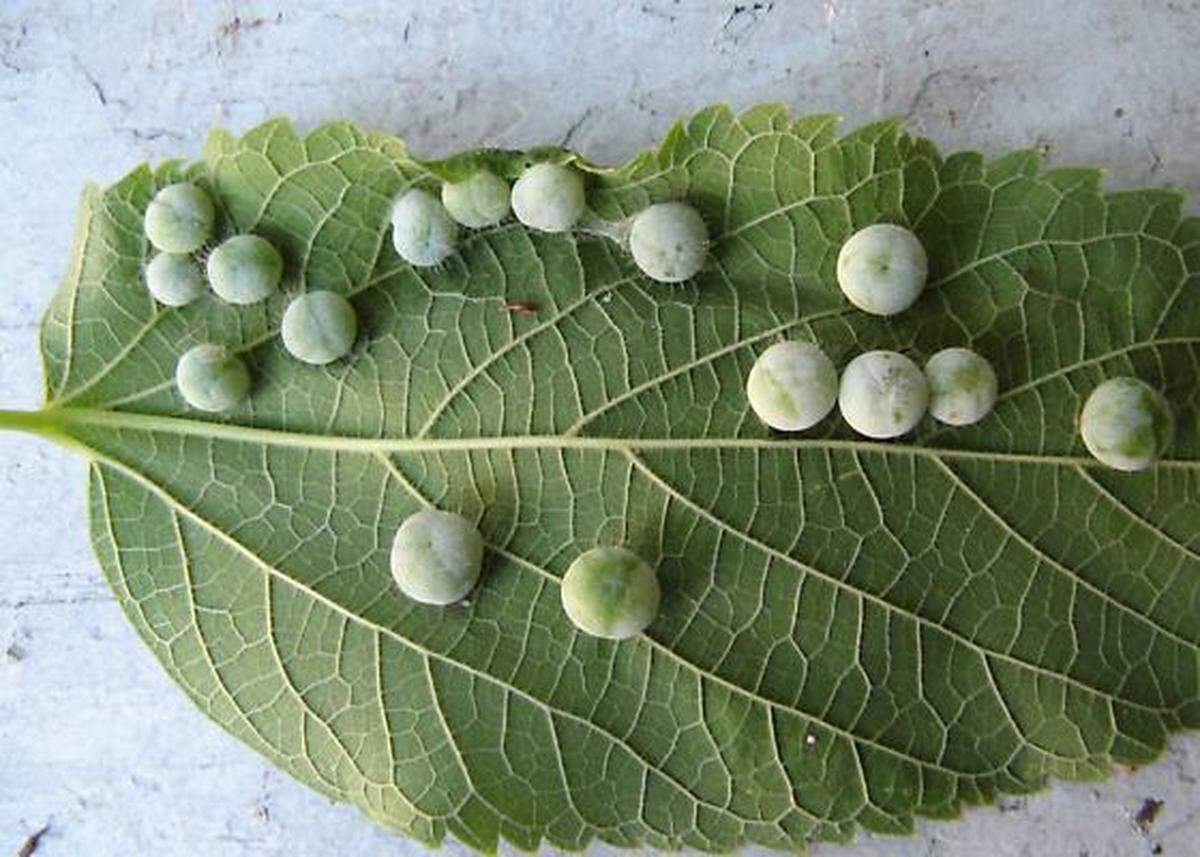
You can find the hackberry gall psyllid in Kansas City and all over the Midwest, since the hackberry is a native tree commonly used in landscaping.
“Sometimes the adult psyllids can be very numerous in window screens in late summer or fall. It might be annoying, but these insects are completely harmless to people,” according to the MDC website. They tend to congregate on sunny south or west-facing windows.
When the temperature drops, the tiny insects try to find a place to hibernate during the winter. As their name suggests, they love to stay in the bark of hackberry trees. But a warm home, like the one past my screen and window, is also attractive.
I already knew my home was cozy, and I’m glad to know the hackberry gall psyllids agree.
This story was originally published November 4, 2025 at 5:00 AM.