Wife of KC Black Panthers’ founder returns to metro inspiring the next generation
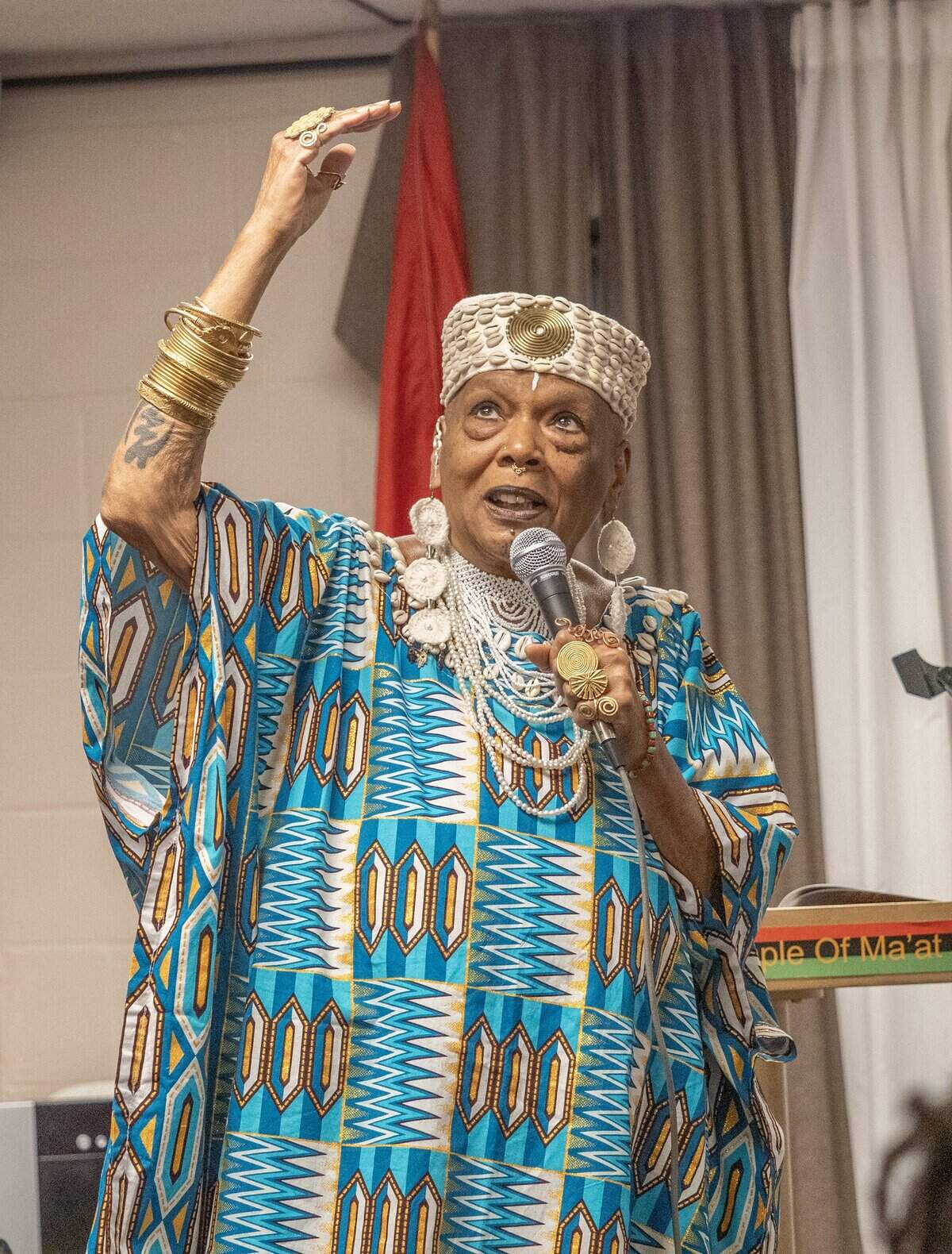
At the National Black United Front building at 7714 Prospect Ave., the sound of African drums echoed through the hall as a crowd of community members, elders, activists and youth gathered to welcome a former Kansas City Black Panther leader, Charlotte O’Neal.
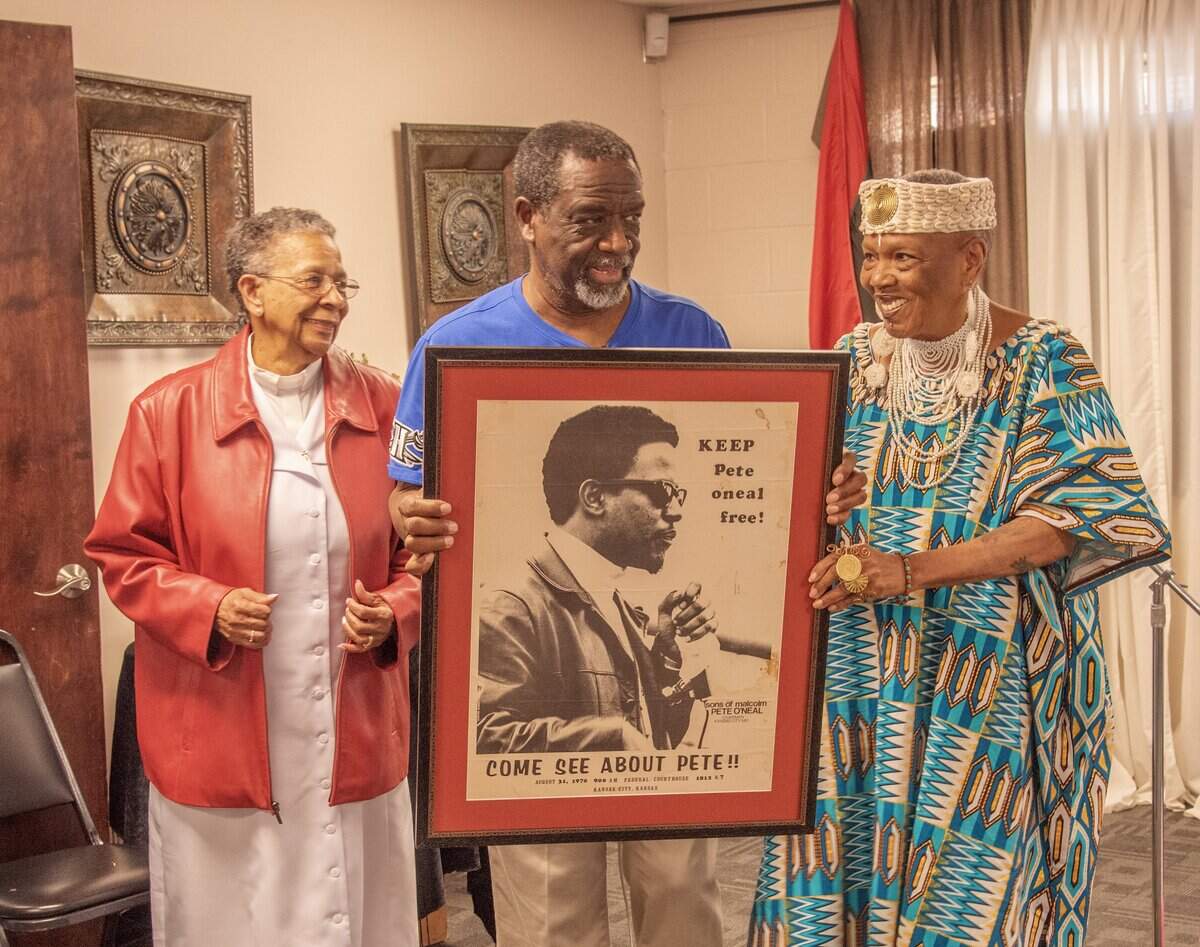
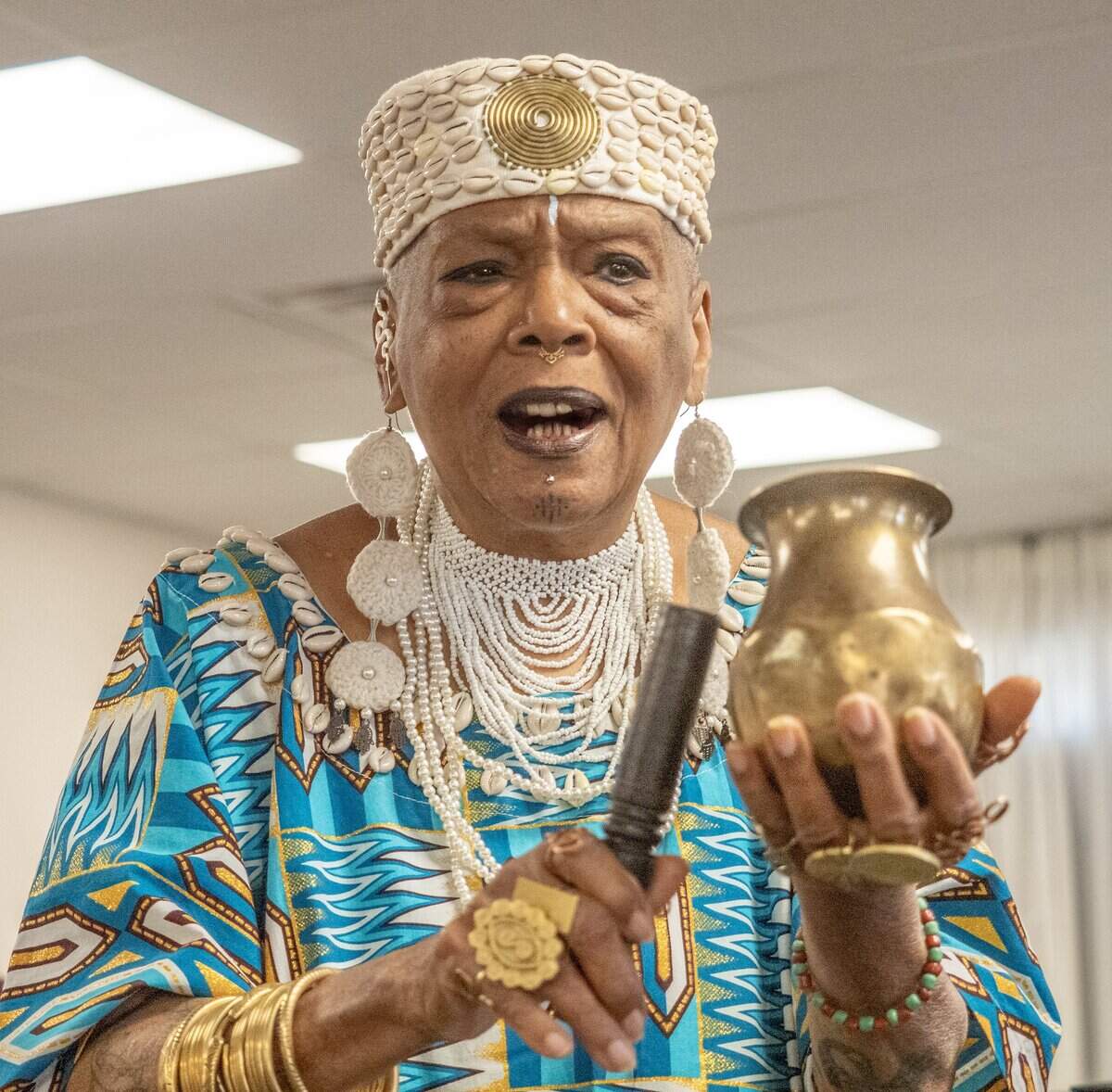
Dressed in a blue dashiki and seashell-adorned hat, O’Neal who is also a poet and community builder, greeted the audience with a warm smile.
She played the agogo bell, alongside the drummers in attendance from Art in Motion studio, performing a bit before she shared her story of struggle and revolution.
O’Neal, affectionately known as “Mama C,” had returned to her hometown as part of her Heal the Community Tour, a cross-country effort to raise support for the United African Alliance Community Center, which she and her husband, Pete O’Neal, — who led KC’s Black Panther Party during the 1970’s — founded in Tanzania.
But this night was more than a fundraiser, her presence also served as a bridge between two generations of Panthers: the old guard who sparked a revolution and a new wave determined to continue it.
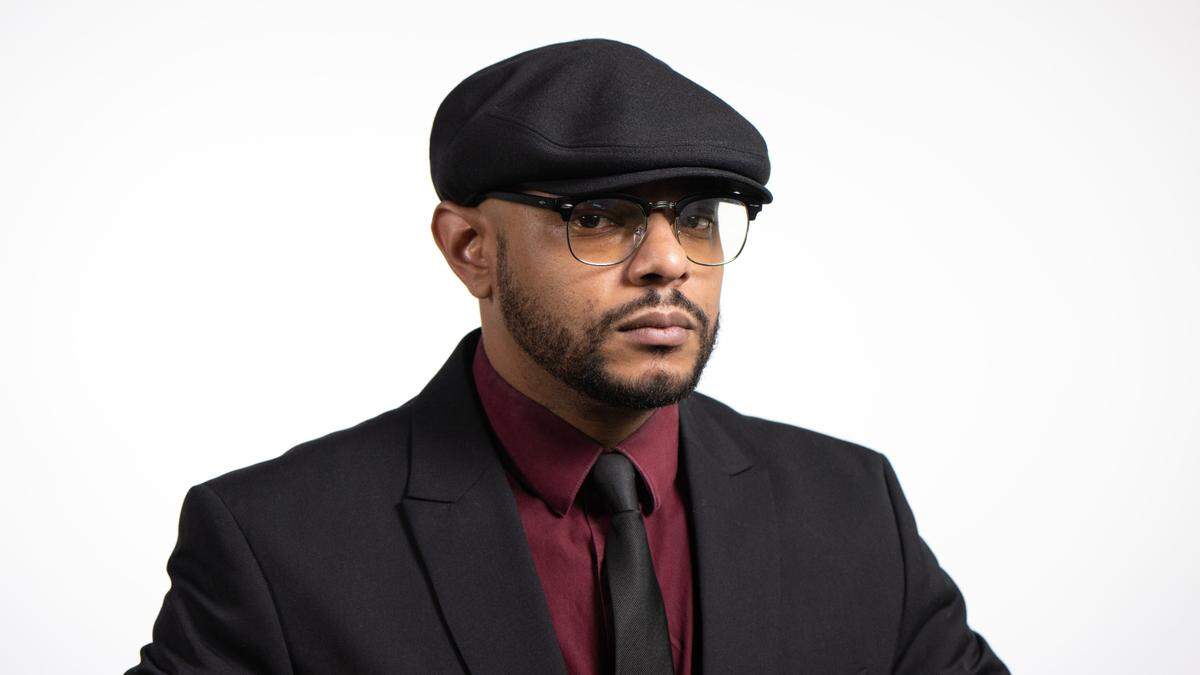
“I’ve never seen a picture of Brother Pete and Mama C, or a garden or statue for them,” said General Indigenous Xi, the commander of the Kansas City Revolutionary Black Panther Party. “When I mention their names, most people don’t know who they are. Even when I say ‘Black Panther,’ people ask, ‘Y’all still around?’”
The original organization went inactive in Kansas City through the 1980s, its members scattered by imprisonment or exile. A new chapter emerged several years ago and has been working in Kansas City ever since.
For Xi and other members, having elders like O’Neal share their stories is vital. Hearing how the first generation of Panthers organized for liberation gives context and strength to the group’s ongoing work.
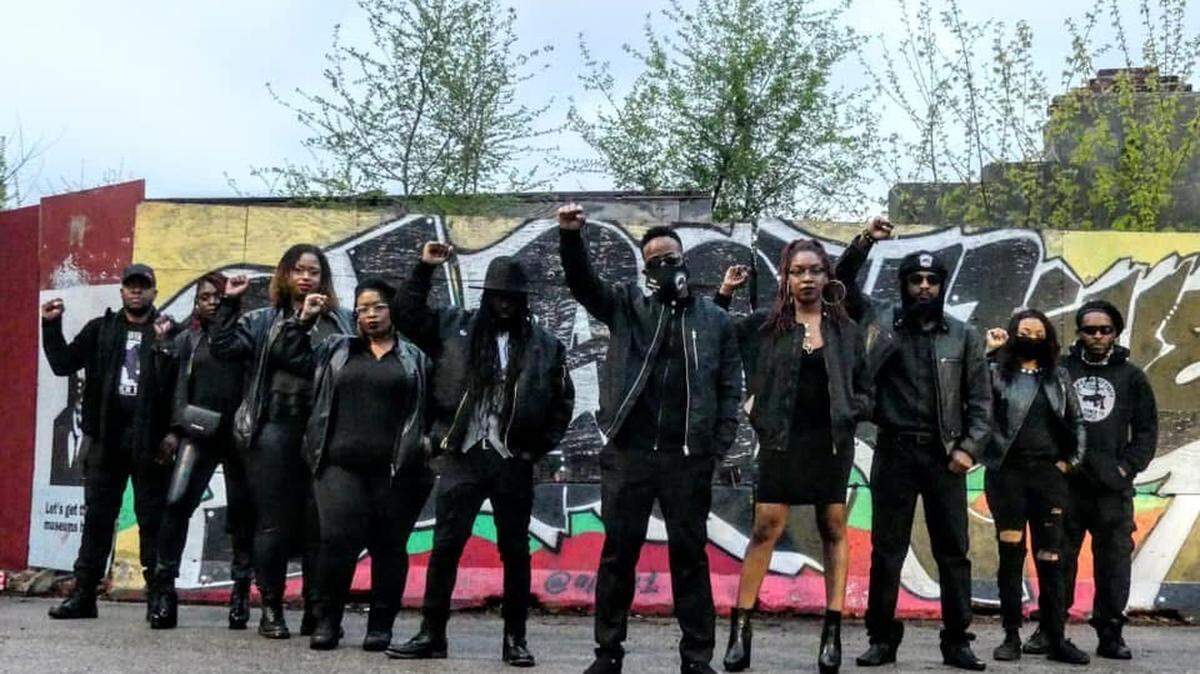
Xi, 44, joined the National Revolutionary Black Panther Party in 2014, after a St. Louis police officer shot and killed 18-year-old Mike Brown in Ferguson, Missouri. The Kansas City chapter was re-chartered in 2017 and now has more than 30 active members around the metro area. Their ranks include both men and women ranging in age from their early 20s to late 60s.
Before reestablishing the Panthers in Kansas City after years of inactivity, Xi reached out to Pete O’Neal and national Panther co-founder Bobby Seale. While he did not receive a response from O’Neal, he did talk with Seale, now 89.
“The chairman (Seale) had questions about how it was going to tie back to the original party. The pledge and promise I made him was that we were going to fully restore the vanguard movement,” Xi said.
Kansas City’s chapter continues to operate under the Panthers’ Ten-Point Program drafted in 1966, focusing on organizing demonstrations, attending police and school board meetings, running a gun club and feeding children and elders.
They resurrected the Panthers’ free breakfast program and expanded it into an initiative to feed all members of the community in need, regularly holding cookouts during the warmer months on grills donated through Home Depot at local churches like Unity Southwest of Kansas City.
“Brother Pete and Mama C fed over 700 kids a day,” said Xi. “We’ve reinstituted those programs, feeding kids, feeding elders, partnering with Happy Foods to fill the refrigerators of struggling families, like single mothers.”
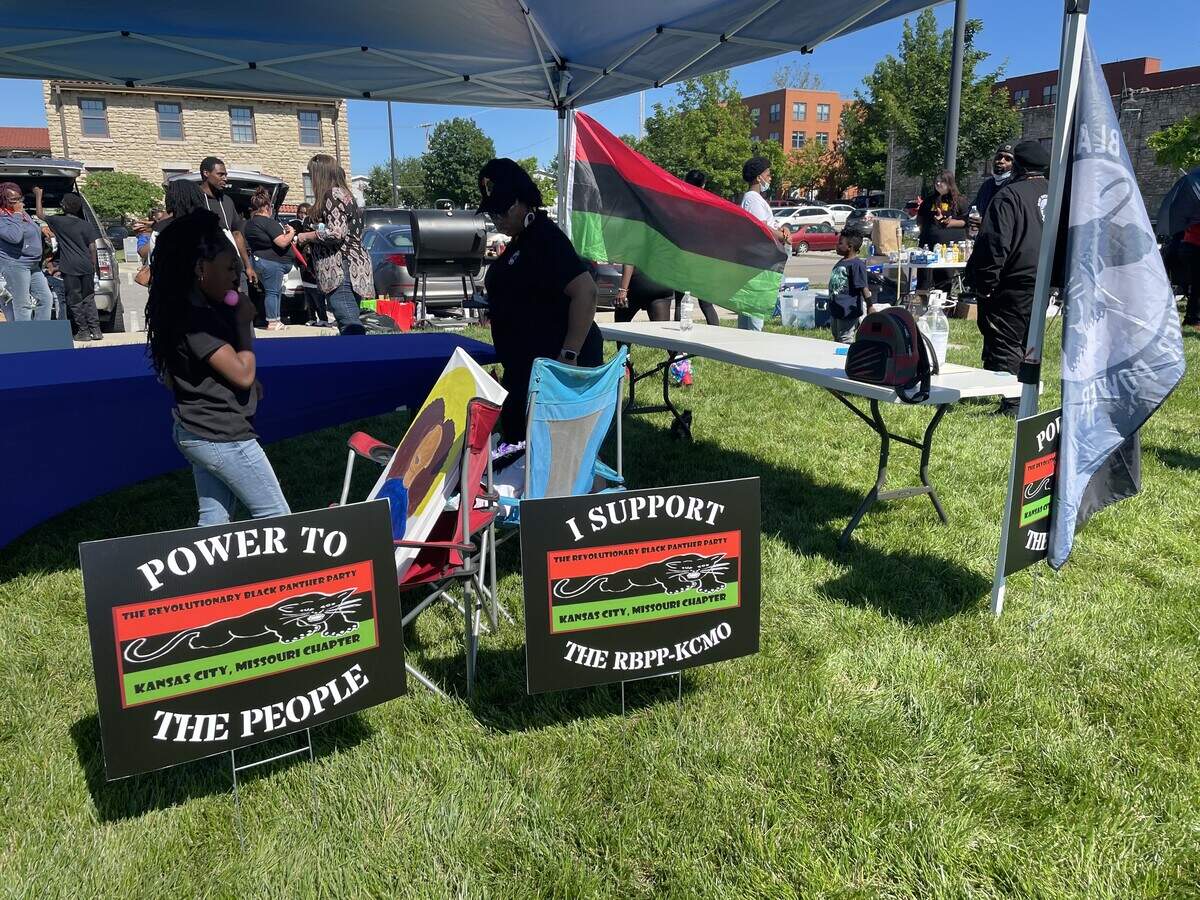
The Black Panthers have seen a reemergence since the rise of the Black Lives Matter movement, with chapters springing up nationwide. In Kansas City, their visibility has grown through local rallies and demonstrations, often documented and shared across social media. But for Xi, public recognition comes with its own risks.
He says that, unlike the original Panthers, the new generation operates in an era where surveillance and online narratives can help and harm their cause.
“We see they (the youth) are very visible on social media, TikTok, Facebook, Instagram, so we engage through both social media and community work,” he said.
The Kansas City chapter has launched the Junior Panther Cub, a youth mentoring initiative teaching Black history, culture, responsibility and leadership. They have also partnered with local organizations like the KC Defender, the Huey P. Newton Gun Club and the National Black United Front to promote unity and collective action within the community.
Still, the group faces the lasting shadow of how the Panthers were once portrayed.
Xi says the negative image of the Panthers as “anti-white radicals,” pushed by media and law enforcement, has had lasting consequences. He said he believes the stigma deters people from getting involved.
Since his involvement, Xi, who worked in social work, says he has personally faced retaliation. “I was homeless for two years after joining the Party, blackballed from social work and case management jobs,” he said.
He believes the current generation of Panthers lacks the community support that once sustained the movement. Where the original Panthers were able to raise legal funds, house members and find employment through community networks, today’s members are largely self-funded.
He hopes that Kansas City will one day honor the O’Neals’ contributions alongside local leaders such as Alvin Brooks and Emanuel Cleaver.
For more than five decades, Charlotte and Pete O’Neal have dedicated their lives to community transformation, first in Kansas City and now in Tanzania. Their United African Alliance Community Center provides education, art and technology programs to youth and families in their community near Arusha.
“We’ve been together, married, comrades and friends for 56 blessed years,” O’Neal said. “One of the things that keeps us together is our community service.”
By the late 1960s, Kansas City had become a hub of social change as young Black activists organized to challenge injustice. O’Neal followed the movement closely and soon met Pete O’Neal, who had returned from Oakland, the birthplace of the Black Panther Party, to establish the Kansas City chapter.
Under Pete’s leadership, the local Panthers emphasized community-based programs over confrontation. They established free breakfast sites at local churches feeding hundreds of children daily, created the Bobby Hutton Medical Clinic for first aid and sickle-cell testing, and held clothing drives and home repair efforts for struggling families.
Their foundation was built on discipline and education.
“New members had to read various books, learn about our programs, exercise and even learn how to clean and assemble a weapon,” O’Neal told the gathering at the Black United Front.. “But the main thing was getting the job done and making community projects effective.”
Like many Panther chapters nationwide, Kansas City’s group faced intense scrutiny from police and political leaders. In 1970, Pete O’Neal was charged with weapons violations. His wife and others believed the charges were politically motivated. Facing imprisonment, the couple fled the United States. After two years in Algeria working with the international wing of the Party, they eventually settled in Tanzania, where the couple has lived for more than fifty years.
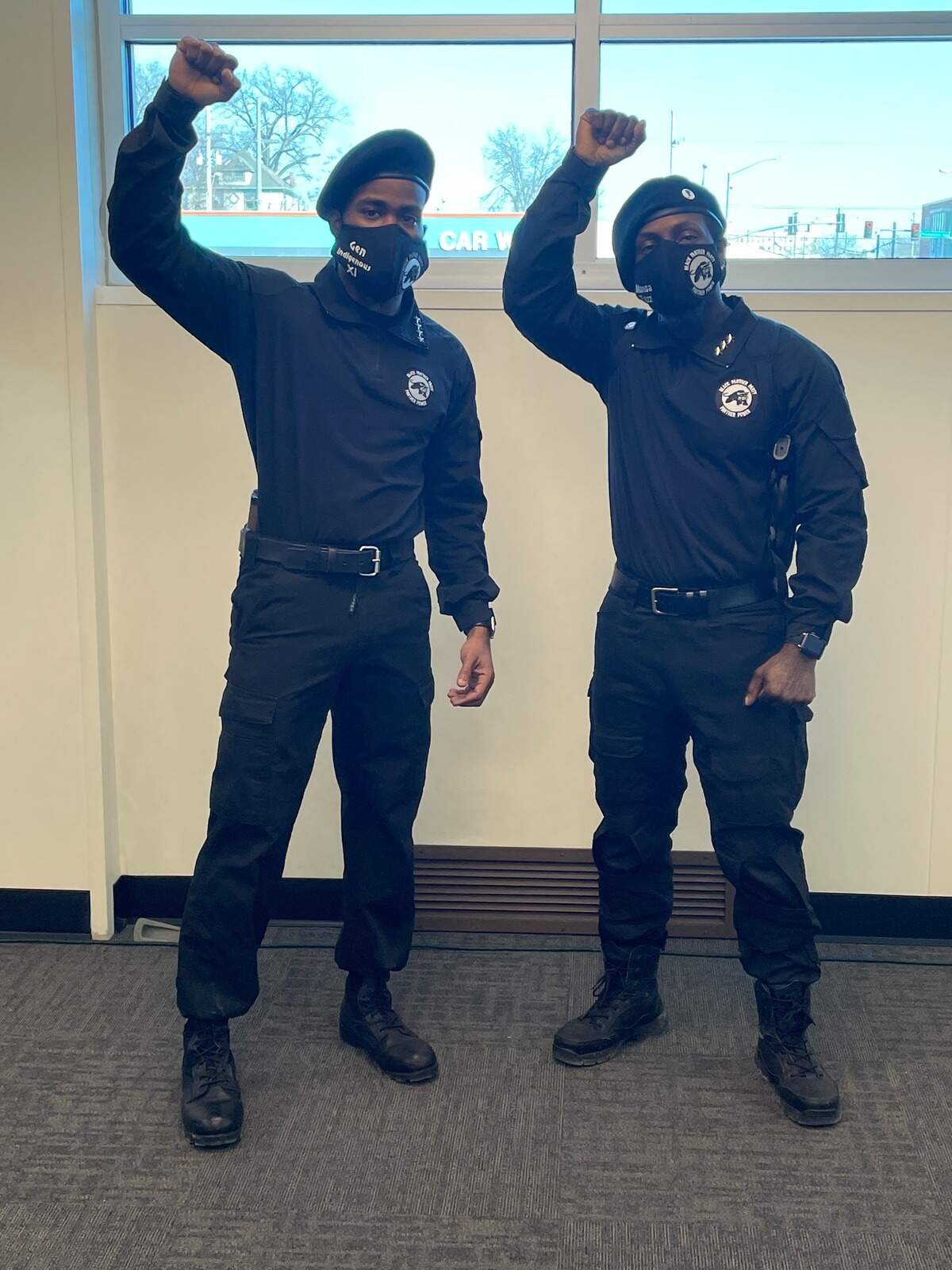
For the new generation of Panthers in Kansas City like Xi, that rhythm is a reminder that revolution is not history, it’s inheritance. Despite the hardships, General Indigenous Xi and his comrades believe that by following the principles of service, discipline and love of community, they can continue what the O’Neals began more than half a century ago.
O’Neal continues to believe that with visibility and dedication, the organization can rebuild trust in the Black community. As the evening closed, Mama C reminded the crowd that being a Panther was more than protests and demonstrations, it was actions that promotes change in the community.
“It all boils down to community service,” she said. “You can be marching all day, but it comes down to what you share with the community.”