
Her yard of native plants was destroyed. KC made it easier to cultivate them
Winter is approaching, but Kansas Citians planning their gardens and landscaping for next year will have an easier time if they want to go beyond the typical grass lawn and consider native plants.
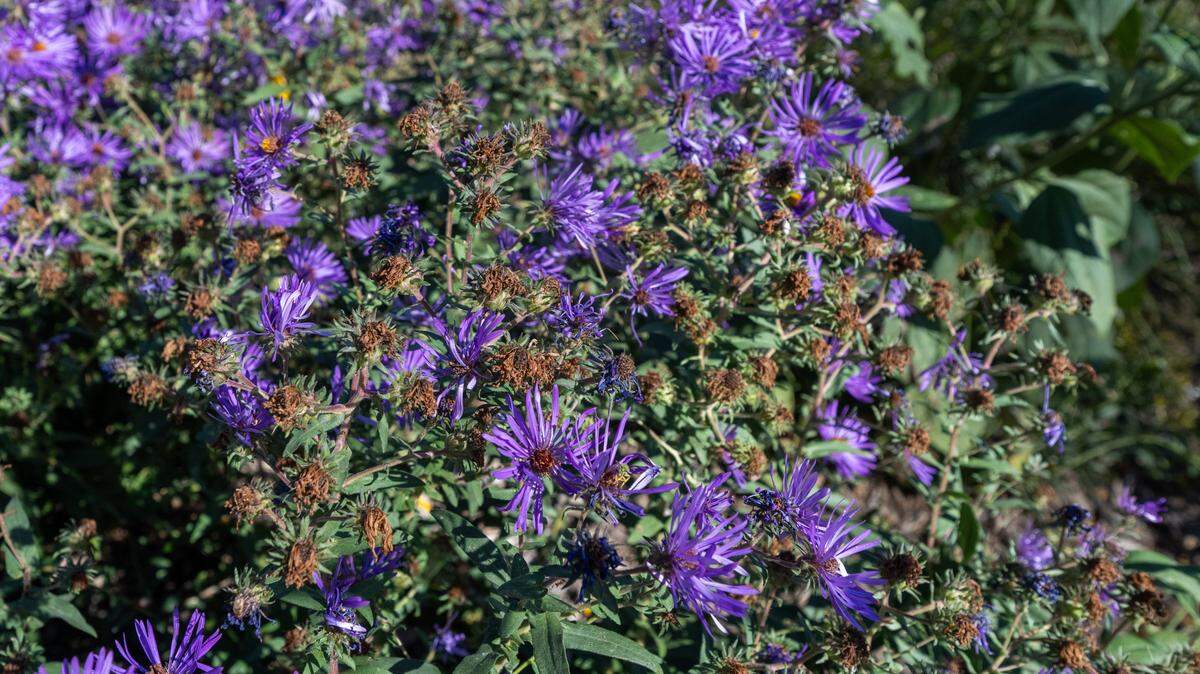
The Kansas City Council approved rule changes earlier this year that offer clearer guidance and consistency for residents who want to cultivate native plants in their yards, like blue wild indigo, orange coneflowers and prairie grasses, while staying in line with city code.
The changes put more separation between managed native landscaping, meant to benefit the environment, and the enforcement of excessive growth of weeds and other harmful plants, which the city considers a nuisance. There are requirements for maintenance of native plants and the types of plants allowed in a natural landscape.
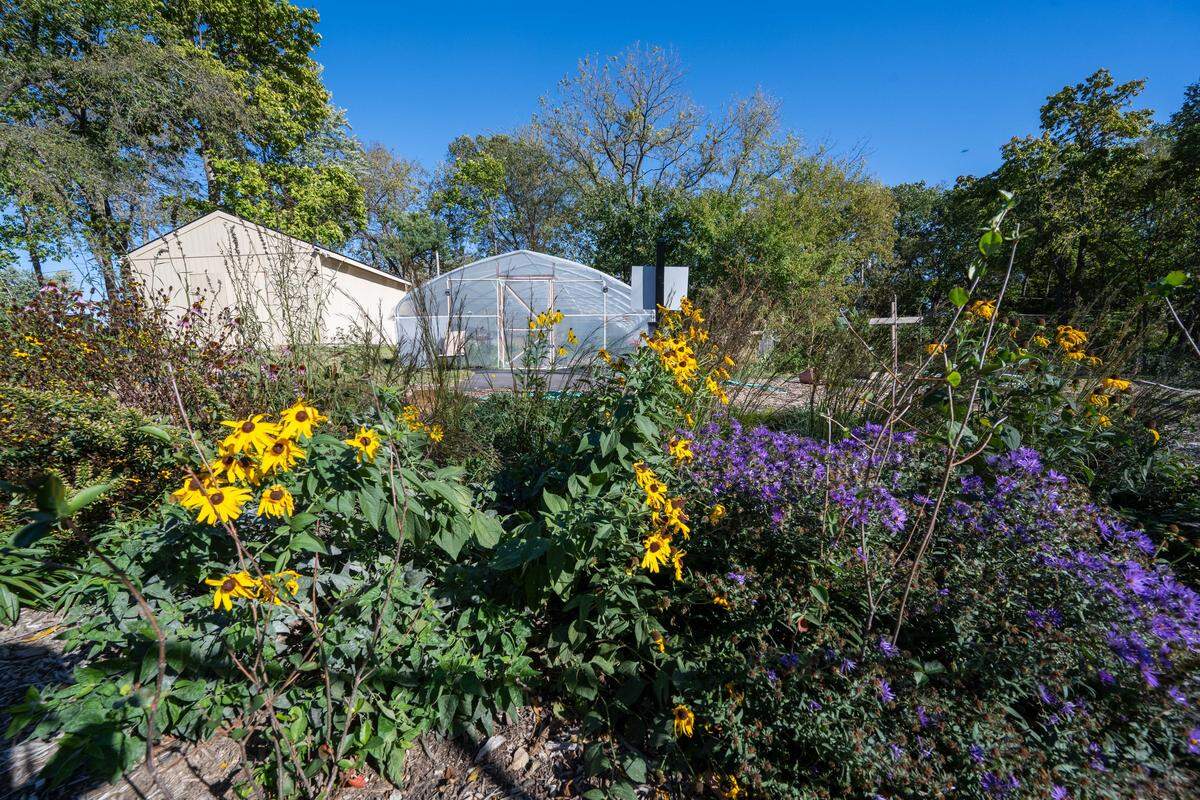
They reflect the city’s commitment to sustainability, biodiversity and community beautification, according to a release.
The code changes attracted wide support from people and groups who encourage native plant cultivation, including Roberta Vogel-Leutung, who worked for the Environmental Protection Agency and has been cultivating native plants for more than 20 years.
Her landscaping was featured in The Star in 2003. The yard featured wild geranium, hydrangea and columbines with a stone border along the sidewalk. Neighborhood kids used the garden as a playground.
“Vogel enjoys her yard’s beauty, how it attracts lots of bird and insects and how it significantly cools the climate around her house,” The Star reported then. “Other bonuses: her yard doesn’t need herbicides, pesticides or fertilizer. It requires little water and allows mositure from rain to soak into the land rather than run off into the storm sewers.”
Vogel-Leutung says she got into native landscaping as a hobby and a way to reduce erosion, in a city where many homes are built on hills, and fell in love. She also has served on the environmental management commission and has worked with various groups and officials on conservation and environmental issues.
“It was well-designed, and in no way wildly overgrown, or inconsiderate of community culture. It was beautiful, and brought smiles to many people, every single day,” Vogel-Leutung wrote in a letter of support to the city this year. “Insects and birds delighted in the small sanctuary, reminding us of one of the many whys of native landscaping — bringing nature back to the concrete landscapes of cities.”
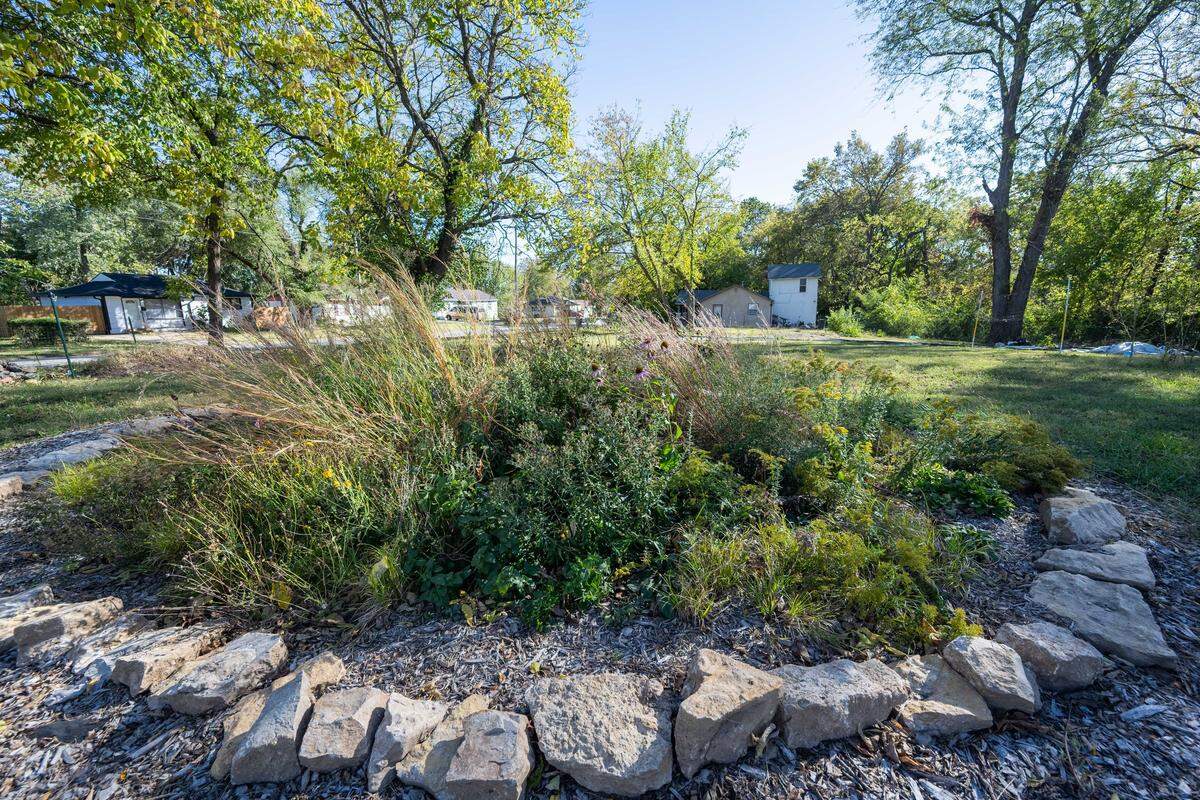
But, in the midst of a move, she returned to the home one day to find it completely butchered with weed whackers. It appeared the yard was cut down by the city, Vogel-Leutung wrote, following a weed complaint notice that she did not receive because it was sent to a California-based mortgage company.
The loss? $20,000.
Officials worked at the time to retrain code enforcement officers to recognize the difference between native landscapes and weeds, but there have since been erroneous complaints, inconsistencies and city citations of natural landscaping that would be considered beneficial under the ordinance that has since been approved, Vogel-Leutung wrote.
“Nothing is more disheartening than an abandoned, weedy street front or vacant lot, and the last thing we need is code citations for those working to bring more beauty and ecology to our neighborhoods,” she wrote.
In retirement, she continues working to bring native plants and landscapes to sites around the city and has helped people facing citations.
Benefits of native plants include stormwater retention, reduced water usage, supporting the wildlife habitat, controlling erosion and creating landscapes that are more resilient to climate change, the city says.
According to a news release, the city has received a $49,000 grant from the Missouri Department of Conservation that will complement the changes.
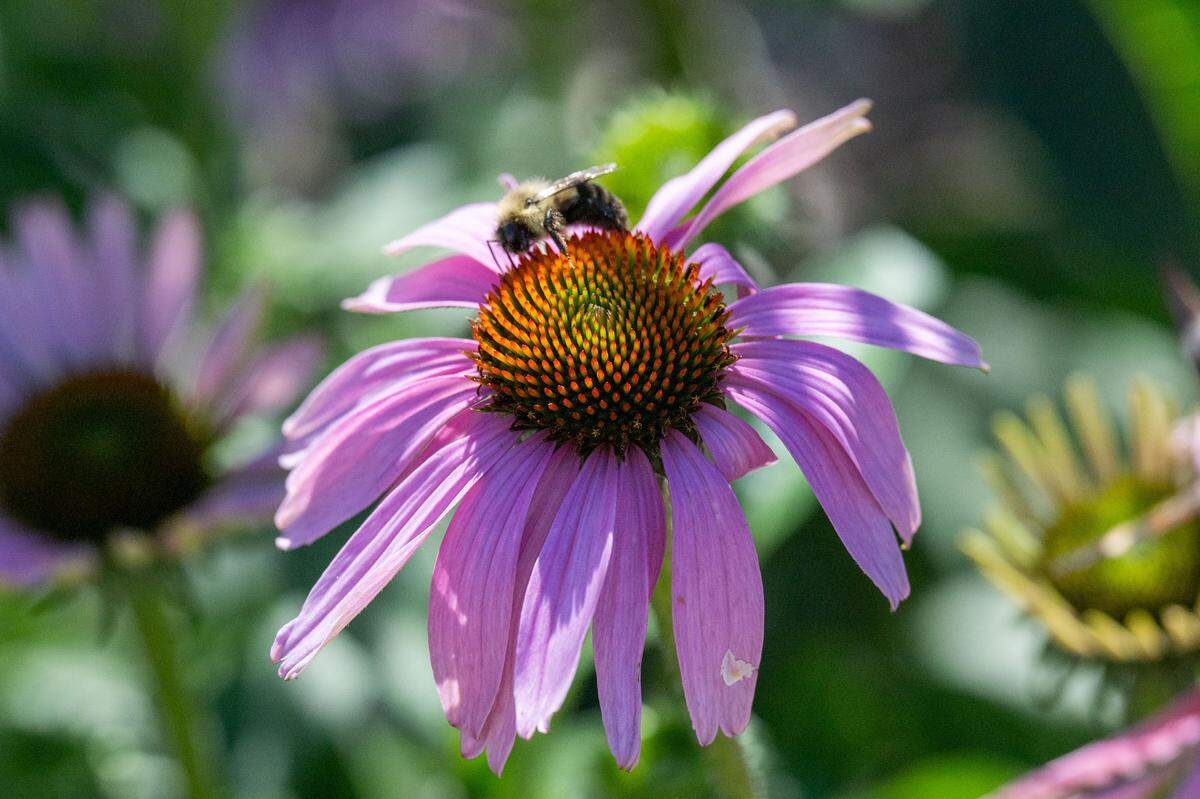
The funding supports two trainings for neighborhood services officers, education sessions for the community, 1,500 native plant vouchers redeemable at local nurseries and 300 personalized consultations to help residents design and sustain native plant landscapes.
The community sessions will begin in the spring, with details to be announced.
That’s all good news for advocates like Vogel-Leutung.
“We can honor our tradition of being able to actually still see the house, and also have beautiful landscapes, and also provide food for creatures,” she told The Star.