Why this KC mom helps kids with jailed parents: an impact on the whole family
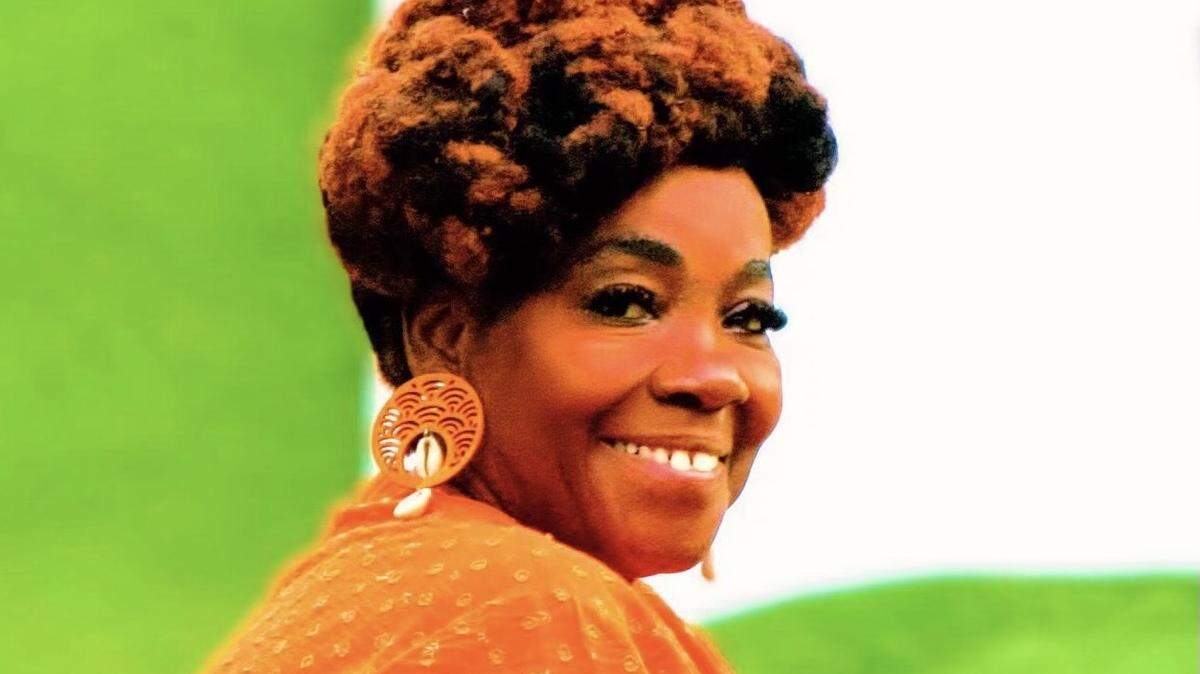
Barbara Courtney, a Kansas City native, has worked for years counseling and mentoring women and children who have experienced incarceration. She knows firsthand the pain and disruption incarceration brings to families, not just for those serving time, but especially for the children left behind.
As a mother of three, Courtney served time in prison during her children’s early years, an experience that left lasting emotional wounds on her family. She witnessed the confusion, sadness and longing her absence caused, and the lack of resources available to help children process that trauma.
Seeing the long-term effects not only in her own household but in the lives of others inspired her to take action.
In 2022, she founded Children of Incarcerated Parents, a nonprofit dedicated to supporting young people whose parents are behind bars. Through counseling, peer support groups, life skills education and direct outreach, the organization aims to provide stability, healing, and a sense of visibility to children often overlooked by social systems.
By sharing her own journey and working to break generational cycles, Courtney is helping remove the stigma that comes with being the child of an incarcerated parent and proving that these children are not defined by their parents’ past, but empowered by the right support and community.
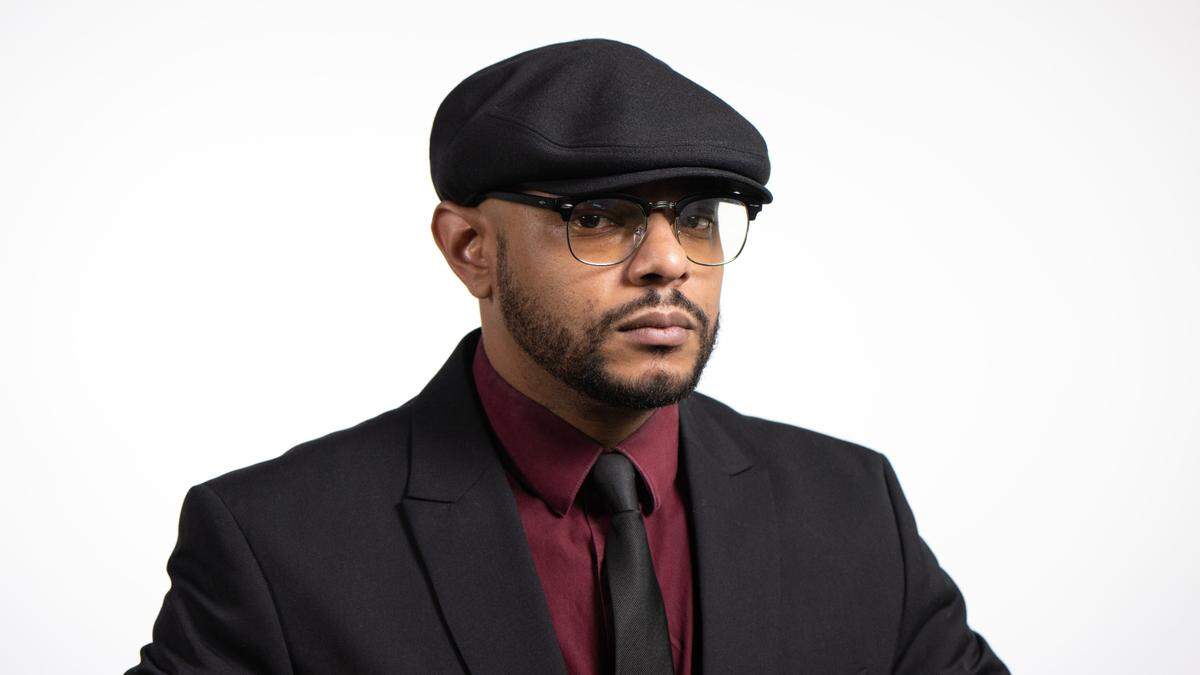
Recently Courtney sat down with The Star’s culture and identity reporter, J.M. Banks, to talk about how unresolved trauma led her down a negative path, being torn away from her children after imprisonment, and finding a passion for helping other children who are currently dealing with parents in prison.
Banks: Starting off, what inspired you to create Children of Incarcerated Parents and was there a specific moment or experience that made you realize this work was necessary?
Courtney: I didn’t see a program like this when my children were going through the same thing. I ended up going to prison and my sister raised my kids. She did not have any type of resource or counseling for the children or for herself and that concerned me.
I just believe that my children felt the loss of not having a mother. And I could identify with that. The only difference was their mother was still living.
I had lost my mother at 10 and it was a big loss for me. I felt that nobody was going to love me like my mother. That was the beginning of my trauma. The same trauma I experienced, losing my mother, my own children experienced trauma and that’s why it’s a passion for me, because it became personal.
I worked with Reconciliation Services (faith based community service group) as a case manager for years and I have always had this background in social work and intervention. I worked part-time with The Lighthouse, which serviced young mothers ages 12 to 21, who were pregnant and either decided to keep their babies or put them up for adoption. So all those experiences kind of lead me to start Children of Incarcerated Parents.
Growing up in Kansas City, did you grow up alongside any peers who were experiencing their parents being incarcerated?
Early on I had never seen anybody going through that when we were being raised. Our family was considered middle class. We had a mother and a father. But when my mother got sick, it disrupted the whole family.
So we didn’t see anybody going to jail or anything like that. But when we had to move from the house we were in, we moved down to the projects for seven years. That’s when I began to see people go to jail. I began to see people using drugs and drinking.
Because I was so broken as a little girl, it didn’t faze me. When I went down to the projects, I realized I had to grow up. I guess the first time I went to juvenile detention, it was strange. I had never been locked up before.
At the same time, I was curious. I don’t remember feeling any fear, if that makes sense.
If you don’t mind me asking, what was your incarceration for and how long did you spend away?
The first time I went to prison, it was for writing bad checks and stealing. The second time, I did two years and then the third time, I got three years. That was for shoplifting and possession of a controlled substance. My kids, the oldest ones were about 10 and 11 and the youngest was about five.
How did that experience of having those years without a mother impact them growing up?
It was devastating for them. At the end of the day, no matter what a parent does, even if they’re wrong, their kids still want them. And my kids, they wanted their mother.
The thing is, yes, my sister took care of them, but at the same time, they were missing their mother. They wanted their mother to be with them, to see them off to school, to make sure they took their baths, to fix them breakfast, or just to listen to them talk. A child still yearns for their mother and father.
While you were locked up, did they understand where you were and why you weren’t with them?
The oldest ones understood. And I purposely did not want them to come and see me. I would talk to them on the phone. The reason I didn’t want them to come is because when visiting hours are over, it’s hard for your child to let go. They want you to leave with them. They don’t understand that you have to stay in that place and serve your time. So it’s trauma upon trauma. That’s why I purposely didn’t want my sister to bring them to visit me.
Were there a lot of women with children in the prison you were incarcerated in?
The majority of the women there had kids. I’m going to say there were about 1,500 women, and maybe 150 of them didn’t have children. The majority had kids. And not only that, but there were also some mothers and daughters incarcerated together. That really concerned me, seeing a mother and daughter walking together in the yard. I always promised myself I would never be walking that yard with my own daughter. It’s a sad sight to see, a mother and daughter both incarcerated. I saw it several times.
At what point, during your last incarceration, did you decide that would be the final time and that you would turn your life around?
I had been going in and out of jail, juvenile detention and jail, ever since my mother got sick. The first time I went to juvenile was at 11 years old. So from then until my late 20s, I was in and out. I was exhausted. I missed my children. Before I got incarcerated, I would visit them and they would cry and ask me, “When? When are you going to come get us?” That weighed heavily on me. And I had to start making a decision that, even though I was broken and hurting, I couldn’t keep putting pain on them. I wasn’t perfect, but it was time. It was time to give my kids what they deserved.
Can you tell me about the work started when you first launched the organization and how that work has grown or changed?
In 2012 we started out by giving out coats, hats, and food. I’d get people to donate during Christmas and Thanksgiving, things like that. I also had a partnership with the library to do video conferencing. At that time, we sat down with the Department of Corrections to set up video visits so the parents and children wouldn’t have to pay to see each other. The service was supposed to be free. But unfortunately, it fell through.
When we officially became a nonprofit in 2022, we began serving children from ages 5 to 18 with individual and group counseling. We also partnered with the Kauffman Foundation to create a peer-to-peer group for children impacted by incarceration.
One of the biggest things we do now, based on my personal experience with my sister and my kids, what they didn’t have, is something we created out of necessity. It’s a curriculum called That’s Us. We developed it because even though we were targeting the children, trying to be part of their healing through individual counseling and support, we realized something important: how can children heal if they go back to an environment where the caregivers themselves haven’t healed?
Some caregivers, though not intentionally, can be angry or hurt and talk negatively about the parents in front of the children. That causes resentment. So, with That’s Us, we address not only the children’s issues, like life skills, communication, trust, and avoiding drugs and alcohol, but also the caregivers’ healing. Because you can’t help one person heal and leave the other broken.
That’s one of the most exciting parts of what we’re doing, creating that life skills curriculum. We tried to roll it out this year, but I decided we needed to do it in a way that would really make an impact on the entire family.
When I went to do a group at Kauffman, normally the girls outnumber the boys. But this time, I had 10 boys and only one girl. Every one of those boys had an incarcerated father. Most of them were looking for a mentor. That weighed heavy on my heart. These were powerful young men, some were getting into trouble in school but I saw something in them.
So we decided to look at how we could build into our curriculum the presence of positive, healthy adult males who can minister to these young men, who are trying to grow up in environments that, honestly, feel like a jungle. They have nowhere to go. But there’s hope. They don’t have to follow in their father’s or mother’s footsteps, not because they want to, but because they often think it’s the only way.
So I took it upon myself to make sure this curriculum would help them heal. I know we can’t save everybody, but if we can save somebody, that still makes a difference in our community.
What do you think were the biggest challenges you had getting the nonprofit off the ground?
My biggest challenge was finances. But I don’t let that stop me. When it comes to certain grants, yes, we have to show data, we have to show outcomes, and that’s true.
But another challenge is public perception. People talk about children with cancer, children with leukemia, children with disabilities and they should. But when you mention children impacted by incarceration, some of the feedback I get is, “Oh… I feel sorry for you,” or, “Oh, that must be tough.” And I tell them, “No, it’s not. These kids are no different than any other.”
The truth is, most of us have experienced trauma—whether in childhood or in adulthood. Losing someone, going through a breakup, anything that deeply hurts your mind or heart is trauma. These children just have a specific label on them.
I call them the invisible children, because no one wants to talk about them, and no one wants to help. That’s my biggest challenge, finances and the stigma. But hey, we’re still making it. And we’re making a difference.
What do you think are the most common misconceptions about children with incarcerated parents?
The biggest misconception is that when people hear a child’s mother or father is in prison, they assume the kids must be bad too. They label them.
But most children, if they get around the right people, don’t follow in their parents’ footsteps. A good example is my nephew. He and his brother were raised in the same house. One chose the streets. The other said, “I’m not going to sell drugs. I’m not doing this.” He went to school, graduated, and started his own business.
His brother went to federal prison and ended up getting killed. But they were raised in the same house. That’s why it’s wrong to label kids based on their parents. It’s not fair.
And what changes would you like to see in community institutions like schools, social services, or any institution that could better support these children?
Like Kauffman (Ewing Marion Kauffman School)did. One of the things Kauffman reached out to me about, and I really liked it, was their community violence prevention work. They had established a student committee focused on conflict resolution.
At the time I was invited when one of their students had just been murdered in a drive-by shooting. She was only 13. They planted a tree at the school in her honor. While I was there, I saw they had a food pantry, a clothing department, and social workers available to support parents’ needs.
I know there are some schools that do help families who are homeless, but I’m saying it should be something every school has. For example, one of the social workers had a family where someone had a traffic ticket and couldn’t afford to pay the fine. I was able to connect them with a group of women I know who help people make bail or pay fines.
That’s what I mean, there should be all kinds of services available right there in the school. Just like with Operation Breakthrough. They have Children’s Mercy High School inside the facility, they have therapists, and all the services kids need right there in the daycare.
I think it would be amazing if every school had that kind of setup. Some schools do have a washer and dryer, but every school should have that. Every school needs wraparound services within the school building.
What are your organization’s goals for growth and expansion?
Our biggest goal is to help keep young people from going to prison. Right now, I’m working on getting some youth who’ve been impacted by incarceration to go out into the community and help their peers, encouraging them to do better in school.
As we grow, we hope to eventually establish a hotline for them, somewhere they can call when they just need to talk. A place where they don’t have to go to a therapist or talk to a teacher, but where they can just vent to someone they trust.
One of the things I’m really praying for is to build a foundation. A foundation that helps stabilize these families with housing, helping them become homeowners, helping them find better jobs, or even become entrepreneurs. To empower them to not be part of the problem, but part of the solution. As time passes each year, they can rise from the dust of a violent community and overcome it.
Even if their mother or father went to prison, or was murdered, they can bounce back and become productive citizens. But that only happens if someone pours into them and shows them the right path.
A lot of people don’t realize that many of our children are carrying a lot. Even at school, teachers might not understand that these kids have experienced someone getting murdered in their household. And yet, they still come to school, because school is their escape.
There’s a lot of overlap that people don’t realize. Most of the time, when you learn that a child has an incarcerated parent, you’ll also find that they’ve lost a sibling. Or maybe their father or mother was murdered or their father died in prison and never came home.
All of that trauma, people don’t really recognize how heavy it is. So for these kids to rise, to graduate from school, to go on to college, maybe even get a doctorate, that’s powerful. That’s something we have to support and nurture.
For more stories about culture and identity, sign up for our free On The Vine newsletter at http://KansasCity.com/newsletters.