Kansas City building from 1888 to be demolished within weeks. See the future plans
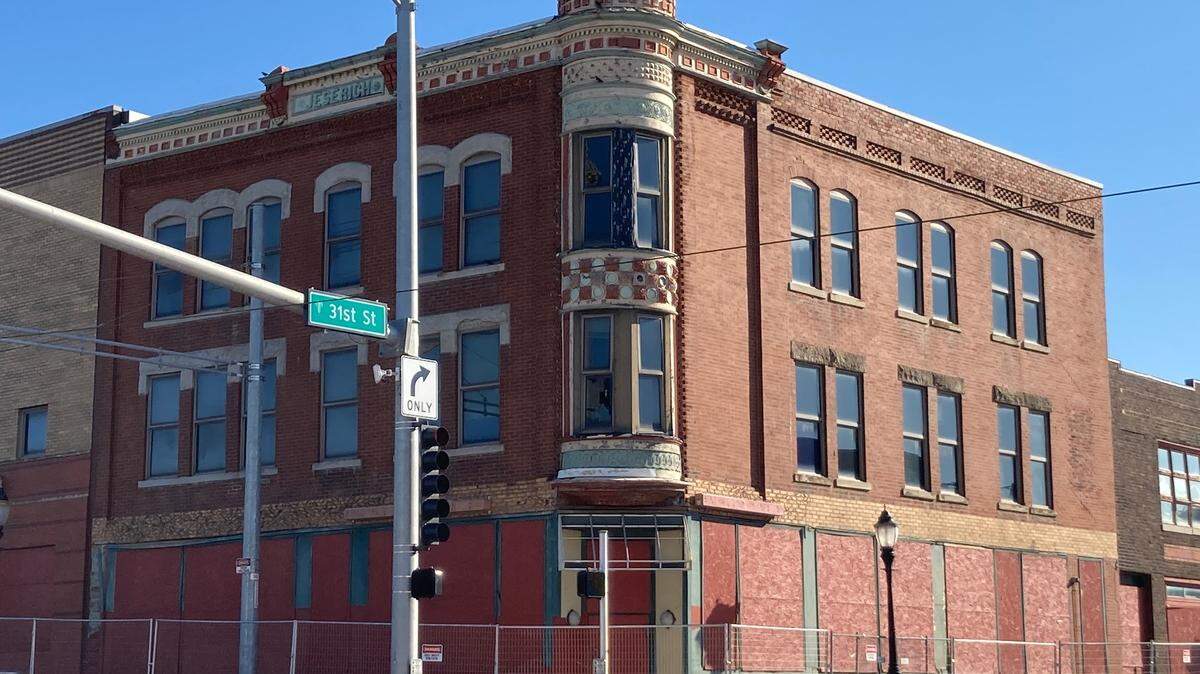
It has stood on the corner of 31st and Main streets for 137 years.
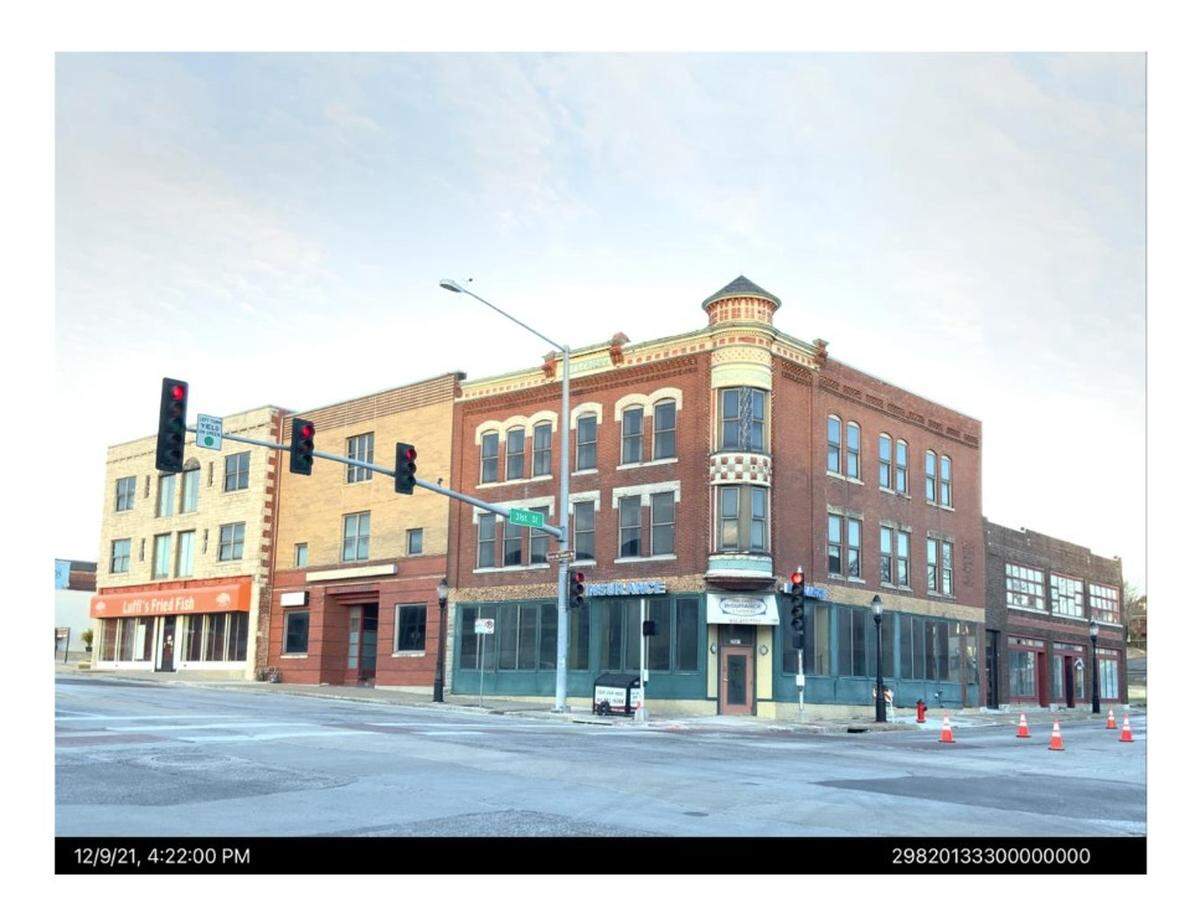
Now the Jeserich Building, also known as the Tower building — a distinctive piece of 1888 Kansas City architecture, with its southwest Queen Ann turret rooms and bow windows — will be coming down, its owners confirmed Tuesday.
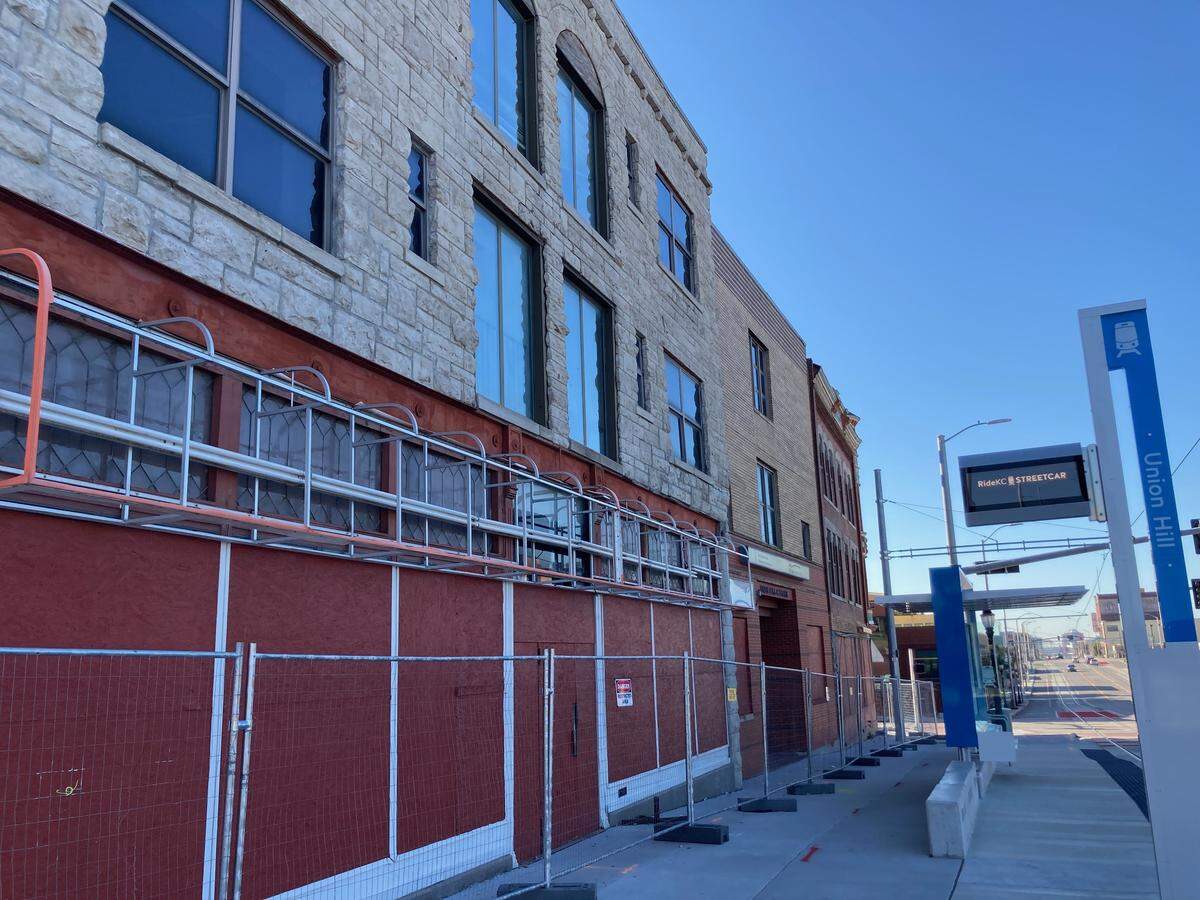
The plan of the building’s new owners, Thirty-First and Main LLC, is to demolish it along with three attached buildings, likely before Friday, Oct 24, when the city streetcar extension opens to the public.
Once the buildings are demolished, they said, they plan to draw up an RFP, or request for proposals, for a future development on the site, whether that is for apartments, commercial office space, retail, or a combination.
Whatever kind of development eventually fills the space, the owners said, it will be required to include, as part of their RFP, room for a new and larger veterinary clinic to replace the current Union Hill Animal Hospital located directly to the north, at 3025 Main St.
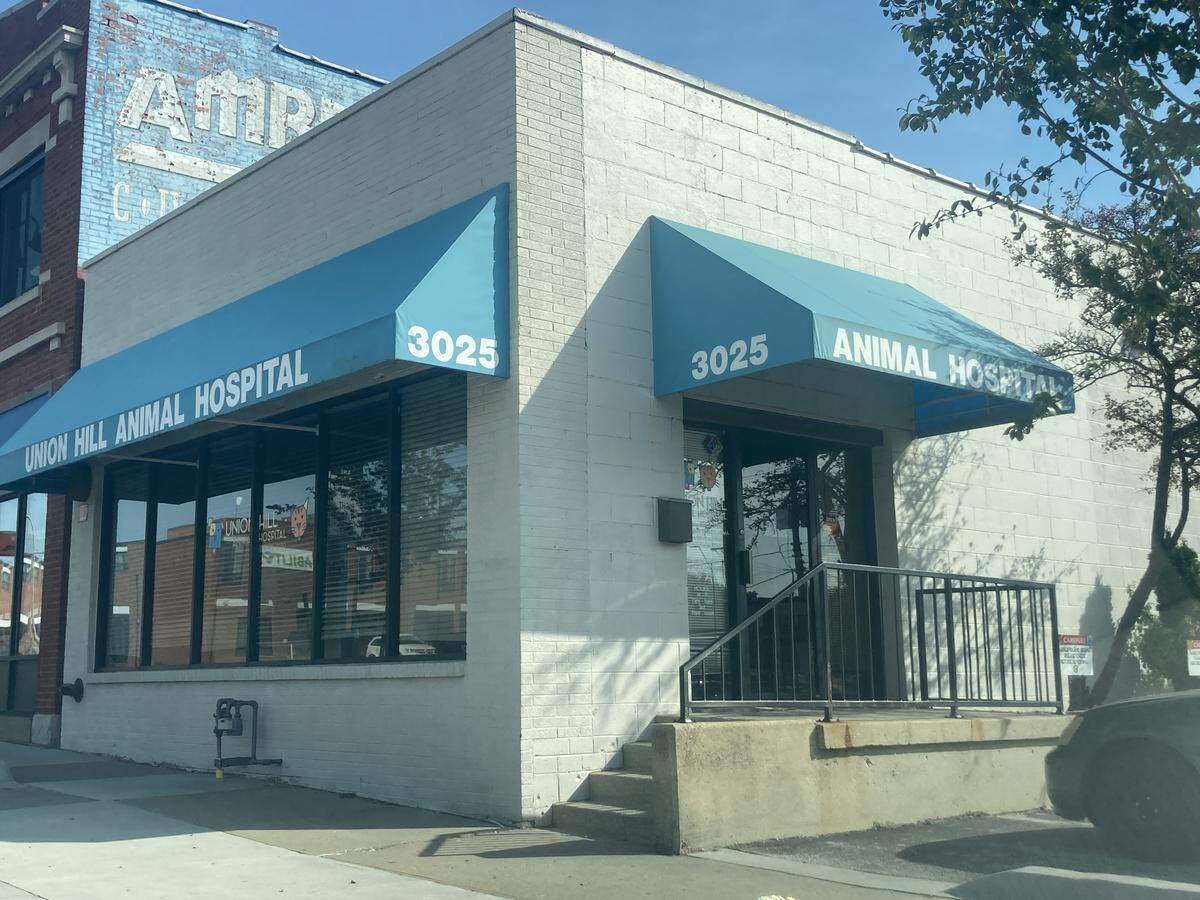
In a press statement Tuesday, the company said, “The primary purpose of the September 2024 property acquisition was to enable Union Hill Animal Hospital to continue to operate on the property and to expand its operations to accommodate its extraordinary growth and to meet the underserved needs of Midtown and downtown residents.”
Thomas Feyerabend Jr., a partner in Thirty-First and Main Properties LLC, is also a current owner of the Union Hill Animal Hospital. His LinkedIn page also lists him as president and chief executive officer of Managex Consulting LLC.
“We are going to try to set the standard for development all along Main Street,” Feyerabend told The Star in a recent interview. “We’re really excited about our vision. We’re going to try to make everybody happy as best as that can be done.”
Historic status won’t protect it
Neighborhood and preservationist groups have, for years, attempted to save the Jeserich Building and other buildings on that corner, including the limestone Ward building, built in 1905, from demolition by developers.
The corner containing the Jeserich building is a four-building complex, all of which are attached and include an array of addresses: 3031 Main St., 3027 Main St., 3029 Main St, 3041 Main St, 4 E. 31st St., 6, E. 31st St. and 8 E. 31st St.
In October 2022, the Kansas City Council, urged on by neighbors and the local preservationist group, Historic Kansas City, took the unusual step of going against the wishes of the then owners, an LLC connected to the PriceMgmt Co., and voted to place the Jeserich and other buildings on that corner on the Kansas City Register of Historic Places.
Preservationists had been critical of the previous owner, also known as Price Development Group. The company in February 2016 had torn down the three historic Green Gables apartments, built in 1927 by architect Nelle Peters, after the buildings, west of the Country Club Plaza, had fallen into disrepair. The apartments, which were denied historic status by the city, were deemed too far gone to save.
.JPG "IMG_NELLEPETERS_ME_02151_2_1_67784TC7_L196692129 (1).JPG")
Placing the Jeserich and the other buildings on the local historical register provided them protection from demolition. Property owners must apply for a special permit, called a certificate of appropriateness, to demolish a building on the local historic register. If the permit is denied, demolition work cannot be done for three years.
But it becomes easier under city code to pursue demolition of a historic building if the city places it on the dangerous buildings list, meaning it poses a threat to the public’s safety.
‘They’re not savable’
The new owners took possession of the buildings in September 2024, after having them examined by structural engineers and restoration contractors. They submitted their findings to the city. In August, the Jeserich building, along with the Ward and other buildings, was placed on the city’s dangerous buildings list, a designation that supercedes its historic protections.
Once a building is placed on the dangerous buildings list, its owners, by ordinance, are supposed to “vacate, close and secure” the building and must “repair or demolish” the structure within 30 days. Despite the ordinance, about 150 dangerous building cases, dating from two to eight years ago, remain on the city’s roster.
“You know as well as I do, as anybody does, how sensitive an issue this is,” Feyerabend said. “It is a very, very sensitive issue in some people’s minds. . . In the course of multiple engineers inspecting it, and contractors who are in the business of restoration, the conclusion is they’re not savable.”
Feyerabend said that his reports show that the structures’ walls would need extensive restoration to salvage them.
“And that’s not financially feasible,” Feyerabend said. “Repairs are not feasible. We had a masonry restoration company. The president of the company came out, and, based on the engineering reports and on his personal inspection of the walls, he said he would not put his crews on them. They were too unsafe. They wouldn’t touch them.”
A roofing contractor, Feyerabend said, reported the same. And a city inspection report in the dangerous buildings case listed the following, among other issues: Its roof has partially collapsed. Stone, brick and window work has deteriorated. Stone elements on windows could collapse. Its interior has holes in the sheetrock, water damage, broken glass and graffiti. The basement is full of mold.
“He issued a letter to us saying he would never put his crews up there,” Feyerabend said. “He said there’s too much uncertainty about the stability of the walls to put a new roof on those buildings. They were very explicit in their letters, very explicit. They are a danger to the public and they’re not interested in trying to do anything with them.. . .
“The City has inspected them and agrees they’re a clear and present danger to the public. They’ve given us permission to demolish them as the single, solitary best solution the problem
“The demolition company is working to get that demolition permit and get started on the demolition.”
‘Demolition by neglect’
Neighbor and advocates with Historic Kansas City sensed that the buildings’ days may be numbered.
The new owners last week filed for and received a permit to disconnect the city’s main water line, often a precursor to demolition. Records from Missouri 811, which logs excavation for underground utility work, also approved Kansas City-based Industrial Wrecking & Salvage to do “demolition” at the site.
They view what’s happening to the Jeserich and Ward buildings as what’s commonly known as “demolition by neglect,” a situation in which a property owner allows a protected historic building to fall into such dilapidated disrepair that restoration or preservation is no longer possible or economically feasible.
As a result, the building is razed.
Historic Kansas City, in a statement last week, highlighted the Jeserich and Ward buildings’ significance.
“These historic commercial buildings,” the statements read, “the last remaining from turn-of-the-century development along the corridor, create a unique sense of place by telling the important story of Main Street’s early development.”
They noted that being listed on the Kansas City Register of Historic Places might also make them eligible for listing on the National Register of Historic Places and, as such, could help developers unlock state and federal monies for historic preservation or redevelopment.
The Union Hill Neighborhood Association’s board last week continued to hold out hope that the old buildings, either in whole or part, could be saved.
“(M)any area residents hoped to eventually see the structures preserved by the new owners in some form as part of future development which retained the Victorian character of the existing neighborhood,” the statement read.
It added: “With the location framed by a brand new Union Hill streetcar stop, this area is of utmost importance to the neighborhood.”
The neighborhood association said it has been frustrated by little progress and communication over the past three years, but that it hopes to be involved with discussions with the owners about redevelopment going forward.
The neighborhood is also seeing other changes.
One block west of the Jeserich building, on the site of the former Trinity Lutheran Hospital, a new $130 million apartment complex, ArriveKC, is rising. The complex, led by NorthPoint Development, will bring 371 luxury apartments to Union Hill.
The project is expected to be finished in early 2027.
This story was originally published September 30, 2025 at 3:53 PM.