This KC mom has fostered 140 kids. Now she wants to change foster care forever
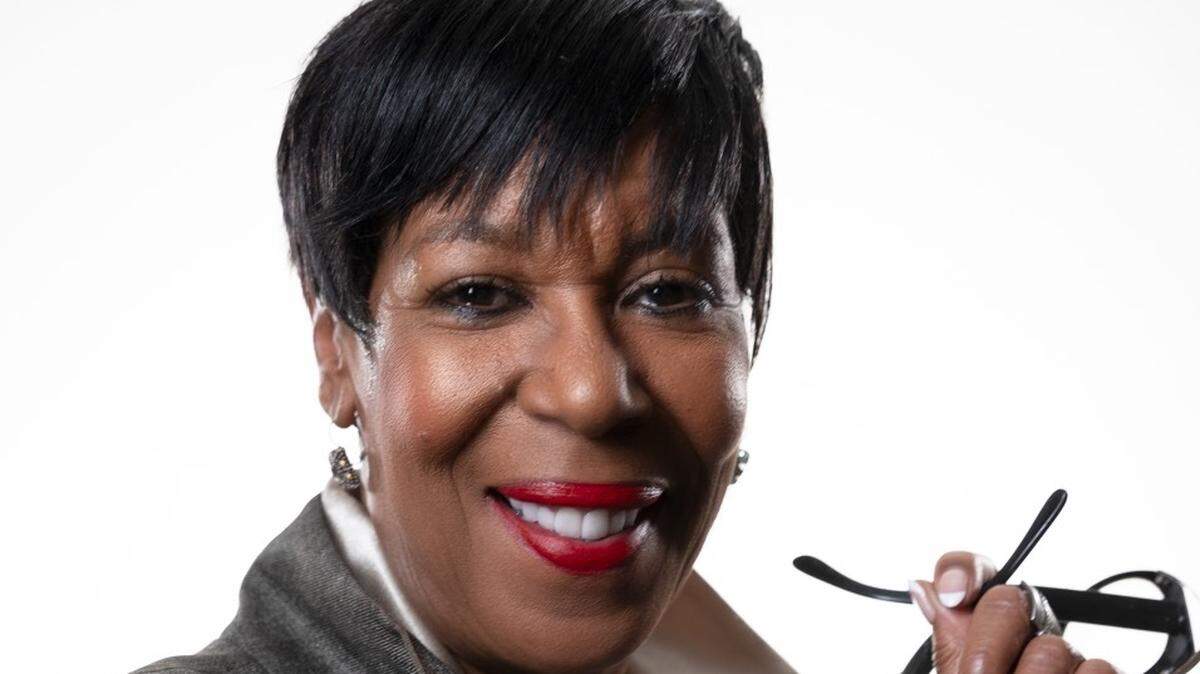
Growing up in a multigenerational home with great-grand parents, aunts and siblings on Kansas City’s east side, Shelly Foster witnessed the power of one woman’s influence to change lives.
Her mother, a beloved teacher who worked in the city’s public housing communities and juvenile detention system, often went beyond the classroom, visiting students’ homes, helping with homework and serving as a lifeline for kids, who society had overlooked.
Long after her students became adults, many of them credited Foster’s mother with saving their lives. That legacy left a lasting impression on Foster. She committed herself to a similar mission; becoming a foster parent.
Over the last 17 years, she has opened her home to more than 140 children, many of them teenage girls who experienced trauma and instability.
Determined to address gaps in the foster care system, Foster founded Infinity Housing Group, a nonprofit focused on creating emergency placement services for children due to a lack of foster homes. In a social media post by the Heartland Black Chamber of Commerce, Foster sums up what she does this way, “When they call, I show up.”
Alongside her business partners, she’s working to open a shelter that can serve as a safe, short-term haven for displaced youth. In addition, she launched the YES (Youth Empowerment Solutions) Program, aimed at teaching girls ages 5 to 16 essential life skills, from etiquette and time management to conflict resolution and even cursive writing.
Despite bureaucratic roadblocks and limited funding, Foster remains undeterred, driven by the same calling that shaped her childhood: to make a difference, one child at a time.
Recently Foster sat down with The Star’s culture and identity reporter J.M. Banks to talk about being inspired to open her home, the challenges of fostering, and starting a nonprofit to aid children in “the system.”
Banks: Can you begin by telling me about your early life and upbringing and how those experiences impacted your current work? Foster: I grew up on 41st and Montgall (in Kansas City, Missouri) and went to Manual High School (Manual Career and Technical Center.) I grew up in a blended family. My mom and dad divorced when I was about three, and we lived with my great-aunt, my grandmother’s sister, who also raised my mom. So it was my great-grandmother, her sister, and my cousins. My mother’s sister’s kids lived with us as well.
There were 11 of us in the household. One male, my brother. He’s the youngest of our generation and the first boy in five generations of girls. So, just one bathroom for all of us.
In high school, I was a majorette, played on the basketball team, I was very active. I loved high school. My mother was a teacher. She taught at W.W. Yates in the projects and then ran a program at the juvenile detention center on 27th Street. One of her former students once told me that my mom made all the difference in his life. He said that when he couldn’t make it to school, she came to his house to help him with homework and more.
Keep in mind, her students are now in their 70s. When she passed away in 2021, 350 of them showed up to her funeral. That’s why I do what I do. I told myself I wanted to make a difference in kids’ lives like my mom did.
Hearing one of her former students say that his life wouldn’t have been the same without her, that made me want to give back in the same way.
What were those early years like as a new foster parent? Great. I started with younger kids. But once the caseworkers saw I could handle it, they started bringing me teenagers, more challenging cases.
I’ve even had girls from probation and parole. They turned my house upside down. But I take the harder girls. I’m not scared of them. I take girls that look like me because Black girls walk a different path in this world, and I want to help them navigate that.
What are the biggest challenges you face as a foster parent? The red tape. Dealing with different caseworkers. And the kids, they push boundaries. You can’t discipline them like you used to. You can’t make them do anything. But somehow, I usually manage to get them to follow through, even though they cuss, they fight, and raise hell.
The biggest challenge is helping them get past their trauma. These girls have been deeply hurt, and that makes it hard to reach them.
For those unfamiliar, what’s the process to become a foster parent? You take a 40-hour class. Then you fill out paperwork, go through background checks, and get a licensing worker who visits your home to make sure it’s suitable. I have an 8-bedroom house. I used to give each girl her own room, but now it’s two per room so I can take more.
How has being a foster parent shaped your understanding of what kids in the system need? I’ve always known. I grew up near kids in foster care. But fostering has opened my eyes even more to the trauma they carry and how much they need healing and structure.
At what point did you decide to start Infinity Housing Group and what was the initial vision? I was getting calls at 2 and 3 a.m. asking if I have room, otherwise the child has to sleep in an office. When that happens repeatedly, you know something’s broken.
I established it last year. I now have two business partners, and we’re working to open an emergency shelter for kids in foster care. So many kids are displaced that they’re having to sleep in caseworkers’ offices because there are no foster placements.
We applied for a city-funded Zero Grant, (designed to help address homelessness) but the city hasn’t released any funds, so we’ve had to put that on hold.
I also launched the YES Program, Youth Empowerment Solutions, for girls ages 5 to 16. We offer life skills, etiquette, time management, conflict resolution, even cursive writing, because so many kids don’t know how to sign their names anymore. But we’re struggling to get enough participants. We’re revamping the program now and trying to work with the school district, but they don’t return calls. It’s been challenging just getting the word out.
What’s the process of getting kids into the emergency shelter? Once the shelter is finalized, the state will have to come out and inspect it. We found a building, but the state said certain things weren’t up to code. We were told we also need approval from the fire department which has even stricter requirements than the state. So we’ve been going back and forth, trying everything we can, but we’re still stuck. Nothing has gone through yet.
How do you think your work impacts the community? All my neighbors are foster parents too. We stay busy, so I don’t get out into the community as much anymore. But back when we (her and her foster kids) lived in Parade Park, everyone knew who my girls were. I used to take them to my old block, let them meet people, even the fellas. I’d say, “These are my girls. If you see them, you come through for them.” And they did.
Are there any misconceptions people have about foster kids? Yes. People assume they’re all bad. They’re not. Many are amazing kids who’ve just been through terrible things and had no control over any of it.
How can the Kansas City community support foster parents like you? Get your kids involved in the YES Program. We’re teaching life skills, cooking, sewing, things these girls will need. And if anyone wants to volunteer, contact me directly. We ask volunteers to cover their own background checks, that’s their contribution, since we don’t have funding to cover that.
What’s next for Infinity Housing Group? Growth. With my business partners, Rita Barrett and Cynthia Wade, we’re focused on launching the emergency shelter and expanding the YES Program. But we need help, getting the word out, especially. If Jackson County or Kansas City would just release those Zero Grant funds, that would help a lot.
What would you like to see happen in Kansas City for foster parents like yourself? I would love to see more people become foster parents. We need more adults with skills who are willing to step up. But I get it, most people are scared. I’ve had cars and jewelry stolen. The average person doesn’t want that kind of stress in their life.
I would love for all the school districts, Hickman Mills, Center, Kansas City, to get involved. If we could get them behind the YES Program, we could really reach a lot of girls. And we desperately need volunteers.
For more stories about culture and identity, sign up for our free On The Vine newsletter at http://KansasCity.com/newsletters.