How cultural foods deliciously connect communities and build bonds in the KC metro
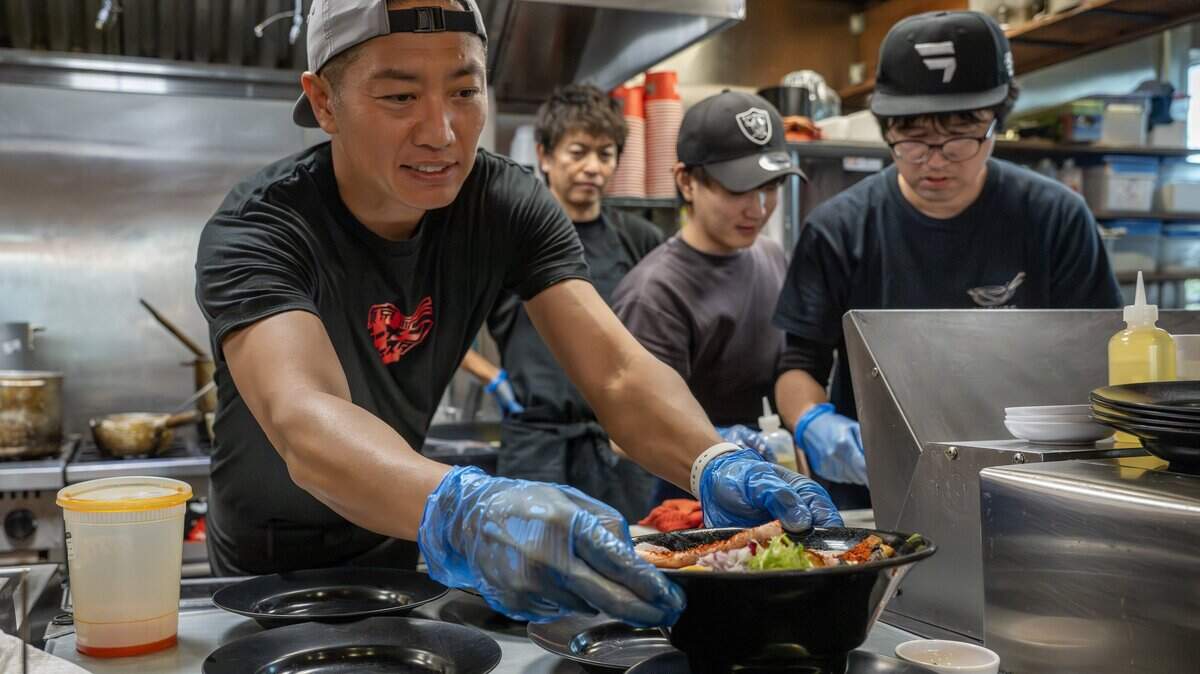
Japanese chef, Menja Sugure, carefully lifted bowl after bowl of steaming ramen swimming in a spicy broth, into the serving window at KC Craft Ramen, a local Kansas restaurant packed with diners from different backgrounds, eager to experience the authentic flavors being shared by ramen masters at a recent pop-up designed as a community connector.
For most cultures around the world, food is more than something to feed your appetite. It builds connections, preserves heritage, and creates spaces for belonging. Here in Kansas City, some cultural cuisines are doing exactly that, building stronger bonds through the universal language of flavor.
Whether it’s Japanese ramen, Jamaican jerk chicken, Indian fusion curry toast, or Mexican tamales, these dishes tell stories of how cultural food businesses are vital threads weaving communities closer together.
For Gigi Reyes, tamale making is more than a recipe; it’s a tradition passed down through generations. Born in Ciudad Juárez, Mexico, Reyes has lived in Kansas City for 30 years. She learned tamale making from her grandmother and mother in Mexico who gathered at their home every Christmas to prepare them.
“Tamales bring the whole family together,” said Reyes. “Everyone helps. People talk about their lives, their families. It becomes a time to reconnect.”
That tradition inspired her work at The Tamale Kitchen, where she has cooked and sold tamales for nearly 10 years. What started as a church project to help women without legal documents earn money quickly, grew into a small business.
The business was founded by Becky Gripp, who worked in the nonprofit sector, after she connected with a Catholic priest who wanted to support women in his parish. Gripp found an unlikely mission empowering Hispanic women, many of whom spoke little or no English, to find opportunity through their cultural skills.
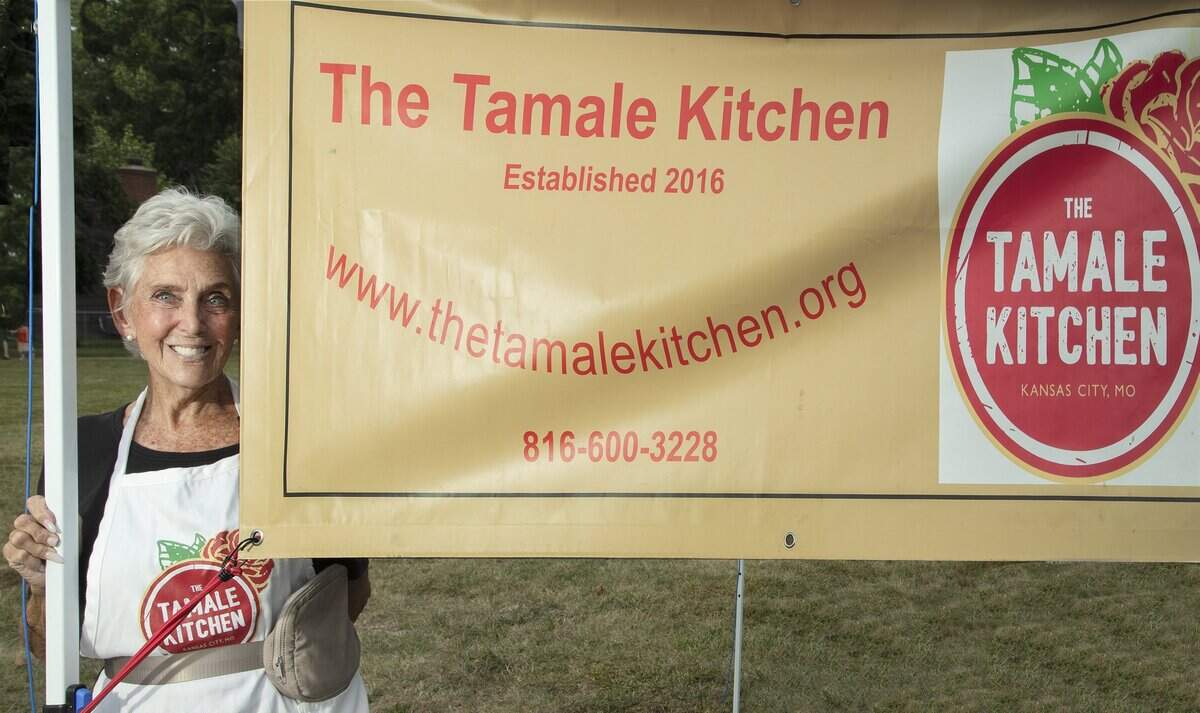
It didn’t take long for Gripp to learn that if not all the women, certainly most of them, knew how to cook tamales. The dish, a traditional cornerstone of Mexican cuisine that dates back over a thousand years, is a corn wrapping, called masa, filled with meats, vegetables and cheese, rolled then steamed or boiled in a corn husk. The tamale is usually made by the dozens during holiday celebrations in Hispanic communities.
“I believe everyone deserves an opportunity,” said Gripp. “Mind you, I’m not Hispanic. I don’t speak Spanish and I’m not Catholic but I had to build trust within the community.”
Gripp became immersed in the time-intensive world of tamale making. With all of the women having previous experience making their own style of tamale, the group had to come together and create their single signature recipe from scratch.
For example, there’s Reyes, the woman from Ciudad Juárez, and her coworker Lupita Quijano, who comes from a different part of Mexico. Reyes was used to sweeter tamales, and her co-worker was raised on spicier ones. The two brought their regional tastes together blending red and green salsas, pork and chicken to contribute to the single recipe for the tamales sold at the kitchen.
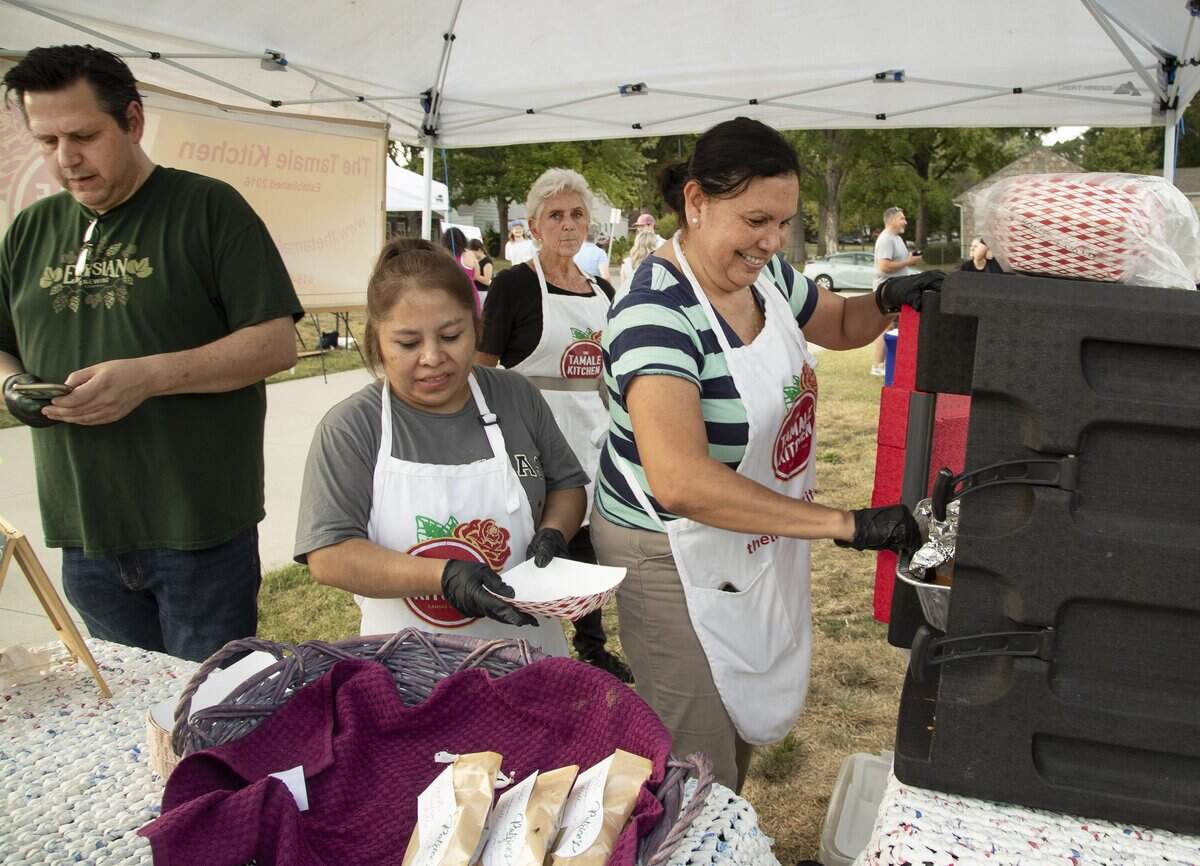
That connection is exactly what Reyes hoped for.
“I want people to taste real, homemade tamales,” said Reyes. “You can taste the difference, and they don’t taste like anything you will buy in the store.”
Cooking in quantity was another challenge. Getting the exact measurements on ingredients for a mass amount of dinners is a lot different than doing the same for a family gathering.
Ingredients came from small markets like Gringo Loco, locally-owned international grocery store and meat markets, not big-box distributors. So the businesses, the women, the church, and all, grew together.
For three years, the tamale chefs cooked nights at the Kansas City Community Kitchen (now Nourish KC), until demand moved them to a production kitchen at Trinity United Methodist Church, 620 E Armour Blvd.
These days in the Hispanic community, people call Gripp “The Tamale Lady.”
Tasting tamales made at the Tamale Kitchen by the hands of Hispanic women from varying regions unites a diverse community of Hispanic and non-Hispanic residents living across the Kansas City metro, connecting a community.
Kansas City residents from other cultures are making similar food and community connections.
Japanese soul food
Consider Kenichi Ota. When Ota opened KC Craft Ramen in Kansas City, Kansas, he brought more than just steaming bowls of rich broth and handmade noodles, he brought a piece of Japan with him.
Born in Nagano, Japan, and having spent nearly two decades in Los Angeles before relocating to the Midwest, Ota has spent over 21 years in the United States perfecting his craft: making ramen But his mission goes far beyond creating this authentically Japanese noodle.
“Ramen is not just food, it’s a soul food in Japan,” Ota said. “It’s also a way to bring people together and that’s why I do this, not just to serve dishes, but to share something meaningful.”
At KC Craft Ramen, the focus is on authenticity and quality. Every component, from the noodles to the soup base to the oils and toppings, are made from scratch. There are no shortcuts.
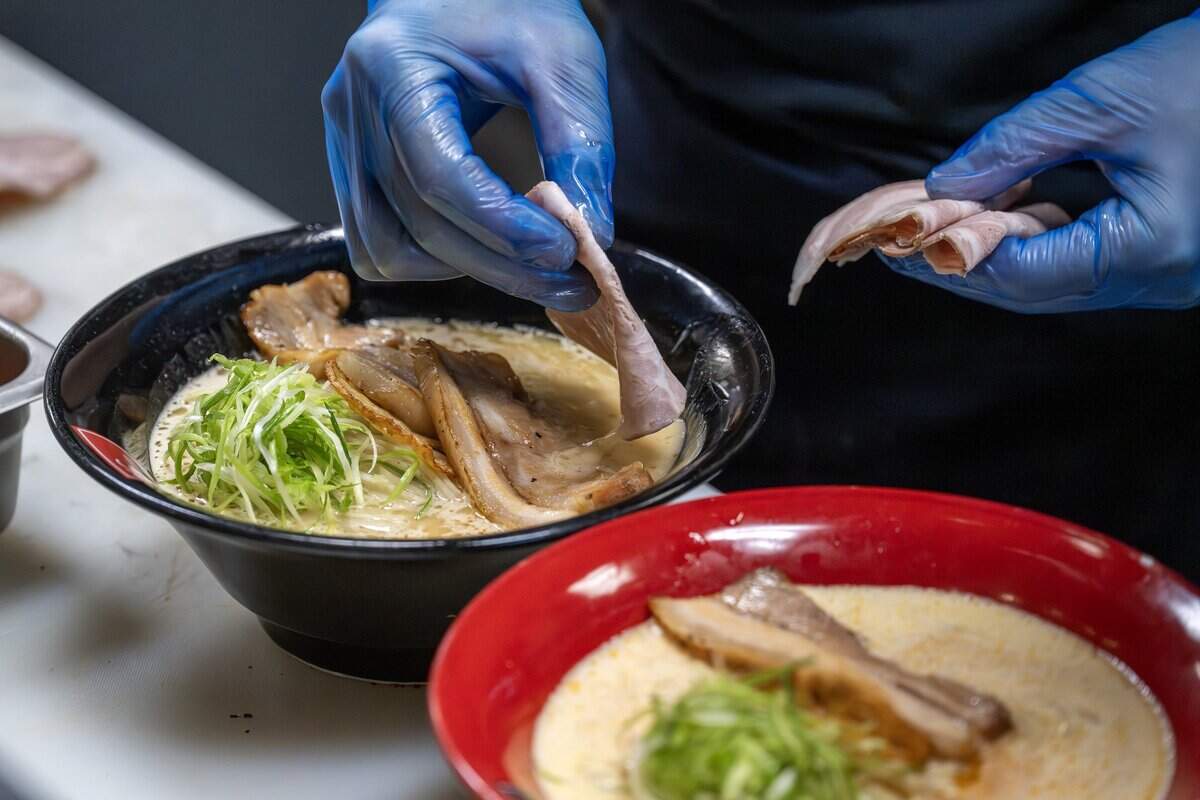
This commitment isn’t just about culinary excellence. Ota views his restaurant as a cultural gateway.
“We try to make it feel like a short trip to Japan. Maybe they’ve never been, but through the food, through the atmosphere, they can experience a little bit of it right here in Kansas.”
Ota’s commitment to community connection is not bound by his restaurant’s walls. Through regular pop-up events, KC Craft Ramen hosts visiting ramen chefs from Japan, offering Kansas Citians the chance to taste exclusive regional styles rarely found outside of Asia.
Each event is a celebration of culinary diversity and cross-cultural exchange, featuring unique flavors such as 100% chicken-based broth or smoky chashu, which is made with braised pork belly.
Ota, who is also a ramen instructor and consultant, flies around the world assisting other ramen establishments in their training, cooking, and operations. He came up with the idea of the pop-up event after meeting so many incredible chefs. He wanted to share their culinary perfections with Kansas City. So, he invites them here several times a year and tries to make each event feel like a small festival.
These pop-ups have become a fixture in the metro, drawing repeat customers and creating a sense of excitement around not just the food, but the experience.
“People meet the chefs, they talk, they ask questions. It’s not just eating, it’s sharing,” Ota said.
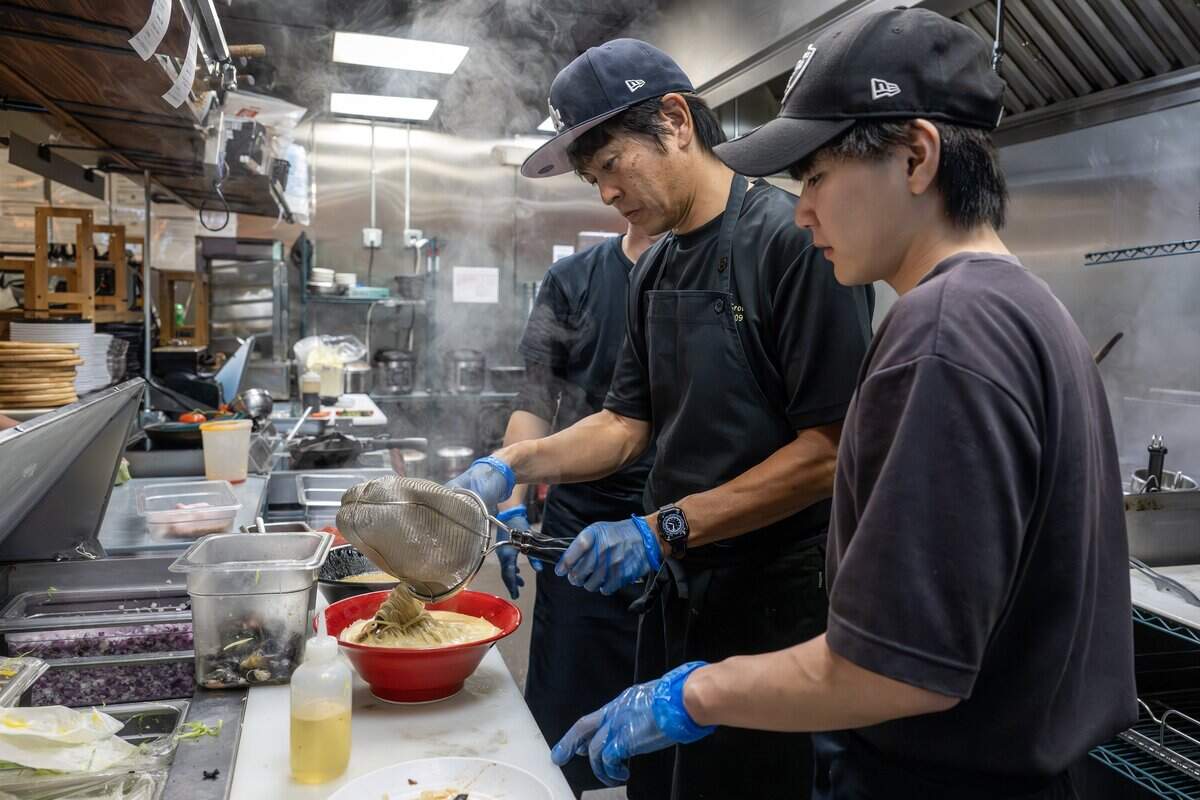
That sharing spirit is reflected in Ota’s broader community involvement. Through collaborations with local organizations like Yukari KC, a Japanese cultural nonprofit led by Madoka Koguchi, an employee and collaborator, KC Craft Ramen participates in cultural events, fundraisers, and initiatives aimed at building stronger bonds within Kansas City’s growing Japanese population and beyond.
Ota’s vision for KC Craft Ramen is long-term. He doesn’t see his restaurant as a trend or a short-lived business. Rather, he wants it to become a Kansas City institution, much like local barbecue legends that have become must-visit landmarks.
From Grandma’s kitchen
At Of Course KC, food is a love language. Behind this unique Indian fusion restaurant is Swetha Newcomb, a classically trained chef who blends her Indian heritage with American culinary creativity to create dishes that are both deeply personal and widely accessible.
Born in Hyderabad, India, Newcomb moved to the U.S. as an infant when her father accepted a job in computer science. Though she grew up in Kansas City, the flavors and traditions of her South Indian roots were ever-present at home.
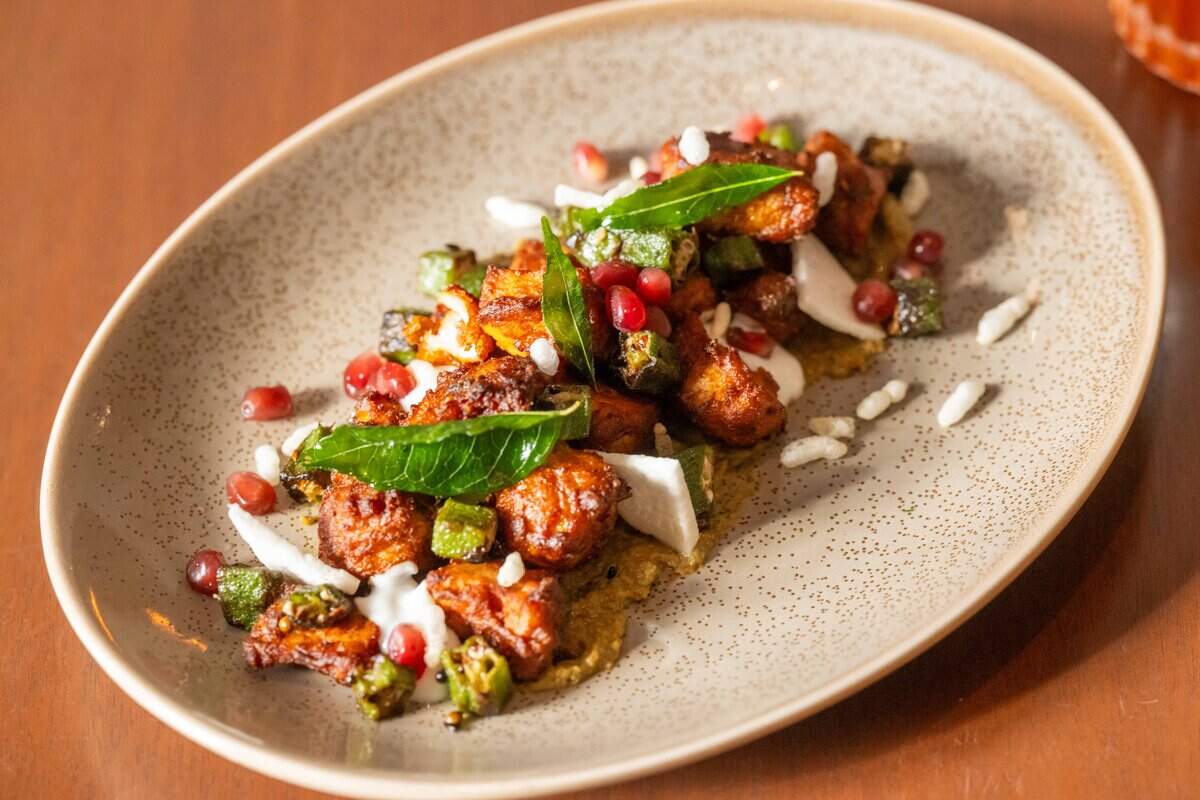
“Every dinner was cooked from scratch,” said Newcomb. “When we visited India, I was always cooking with my grandmother. Watching the women in my family cook all day had a big impact on me.”
That early exposure to food as a form of care and cultural identity became the foundation for her career. After earning a degree from KU, Newcomb attended culinary school in 2016 and began working as a private chef, being hired to cook for special events and occasions.
But it wasn’t until she opened her own restaurant that she truly found her culinary voice. Originally she intended Of Course KC to be an upscale breakfast spot, but Newcomb pivoted to Indian fusion after she realized she wanted to connect more deeply with her cultural heritage and help others do the same.
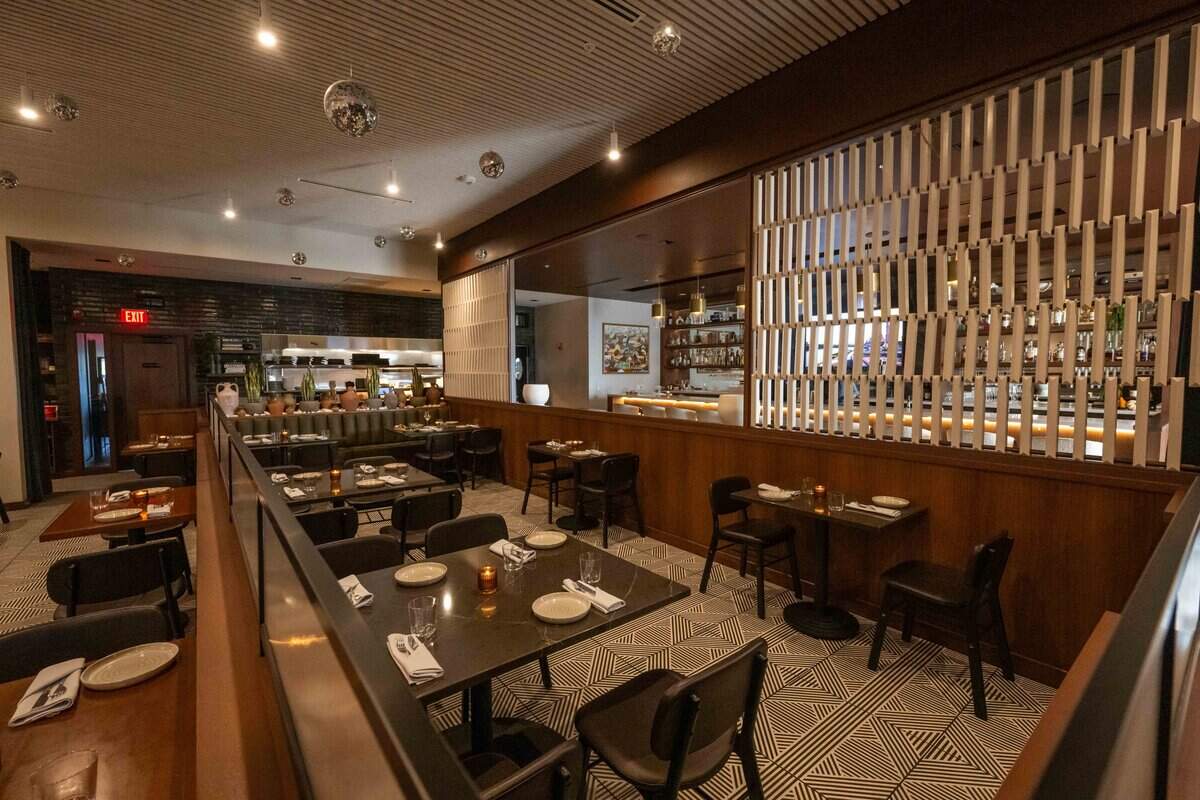
“I really wanted people to see the side of Indian food that I grew up with,” she said. “A lot of what’s out there is meat in a gravy sauce, but Indian food, especially from the south, is so much more diverse. I try to take the food I grew up eating and give it a twist that feels approachable to everyone.”
One standout item is her egg curry toast, an Americanized take on her favorite childhood dish. Newcomb vividly remembers eating her mom’s egg curry for breakfast, lunch, and dinner. Putting it on toast was her way of making it more familiar to the Western palate while still holding onto its roots.
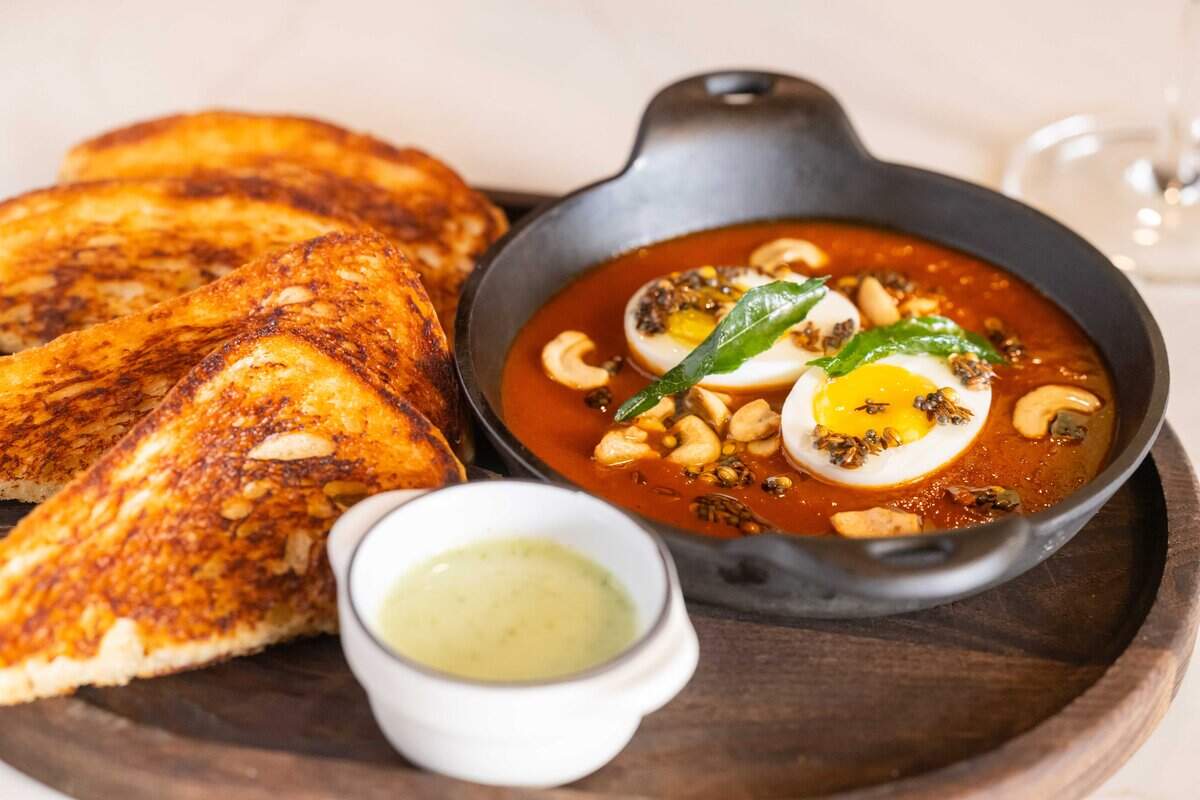
That thoughtful fusion is what makes Of Course KC such a bridge-builder. Diners often arrive expecting typical Indian fare or simply following the buzz about the restaurant’s burger, widely praised as one of the best in Kansas City, only to be surprised and delighted by a menu that challenges assumptions.
“I love when people say, ‘I didn’t like Indian food before this,” said Newcomb. “Or when they say they came for the burger and ended up trying something new.”
For Newcomb, community building through food is intentional. Located in Overland Park, Kansas, a suburb of Kansas City, she wanted to bring a downtown-level dining experience to an area where options are limited.
Even as she juggles caring for her toddler, running her own household, and her restaurant, Newcomb remains focused on creating deeper connections through food. She’s currently expanding her private dining offerings, bringing the upscale Indian fusion experience into people’s homes, something she started doing during the pandemic.
At Of Course KC a patron can enjoy the tastes of biryani, curry and spice but also of toast, burgers and other familiar items that help to ease the transition into something new.
A Caribbean connection
Osezua Stephenson shares authentic Jamaican food and culture at local events throughout Kansas City. He and his wife Neptis Stephenson run Neptis Reggae catering service.
Originally from central Jamaica, Stephenson says food and music are inseparable in his culture. Stephenson, in addition to being a cook and business owner, is a reggae artist who believes that the music of Jamaica is infused into the foods.
“Food and music go hand in hand, it enters the body and raises your frequency, your energy,” said Stephenson. “Jamaican food is like a polyrhythm, each ingredient adds a different note.”
His grandmother taught him early to be self-sufficient, to always know how to feed himself. That foundation helped him embrace cooking as an expression of culture and care. Here in the metro, he uses his food to keep in touch with his cultural heritage and share it with new people.
From rice and peas to jerk chicken and ital stew ( a vegetarian dish), Jamaican food is rich with history and pride.
“It expresses resilience, sovereignty, persistence. That’s who we are as a people. It’s in the flavor,” Stephenson said.
Stephenson also pushes back on common misconceptions people may have about Jamaican food. He often hears that people have put off the experience due to a fear of it being ‘too spicy,’ but says that is a stereotype. For him, Jamaican dishes span a wide range of flavors that add to the experience.
He says he and his wife attend dozens of events, festivals and gatherings throughout the metro each year and are often the only Jamaican food providers at most they attend. He feels they are more than just cooks making Jamaican food, they feel a responsibility as cultural ambassadors. Their presence throughout the metro offers more than a taste of Jamaican food, but also an opportunity to better understand the culture.
“We go out and try to make it to as many places to sell our food as possible,” said Stephenson, “I love being able to tell people about the history behind a dish and how they are tied to our rich culture.”
Neptis Reggae will be attending the Fall Harvest event at KC Urban Farm Co-op Sept. 21 and Midwest Soul VegFest Oct. 4.
As these food traditions, brought over from Mexico, Japan, Jamaica and India make their way onto the plates of new patrons the spirit of family and community remain strong in these dishes. These cooks are not just using cultural food to build businesses, they are using it as way to build community, one meal at a time.
“Cooking is a way we share our stories and memories,” said Reyes. “A lot of people from other cultures do the same with their foods and use cooking to come together and feeding people as a way of sharing those stories and history.”
This story was originally published September 19, 2025 at 1:00 PM.