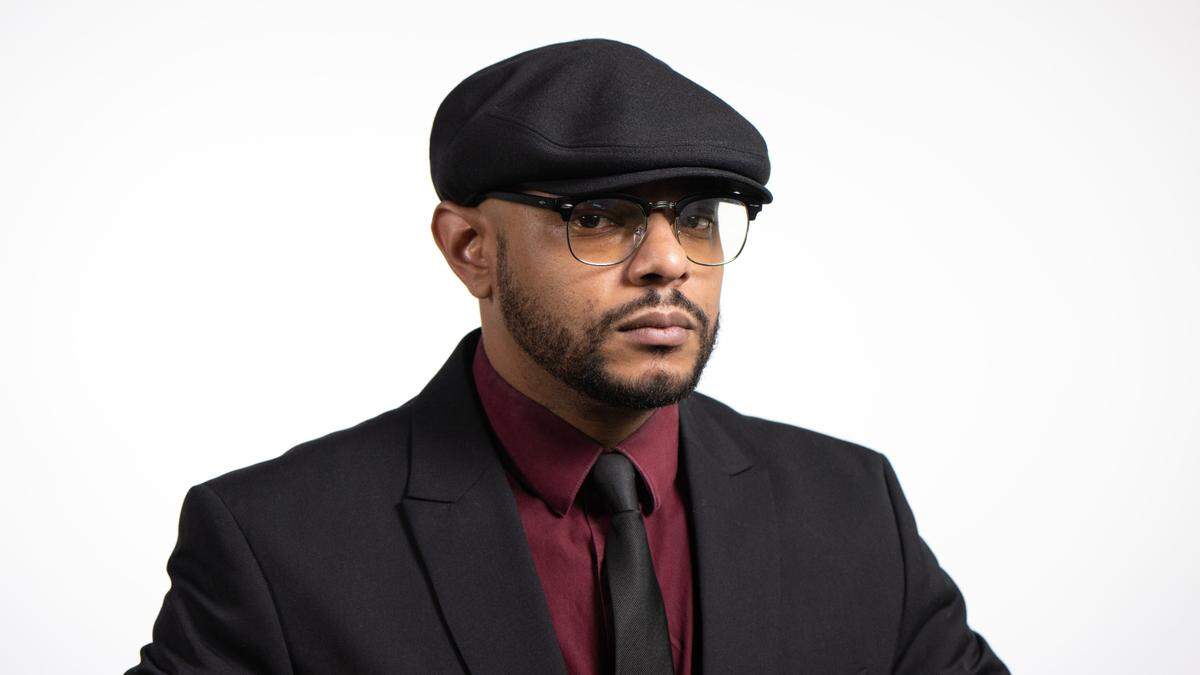
Popular hip-hop DJ draws new local artists to KC Reggae Fest this weekend
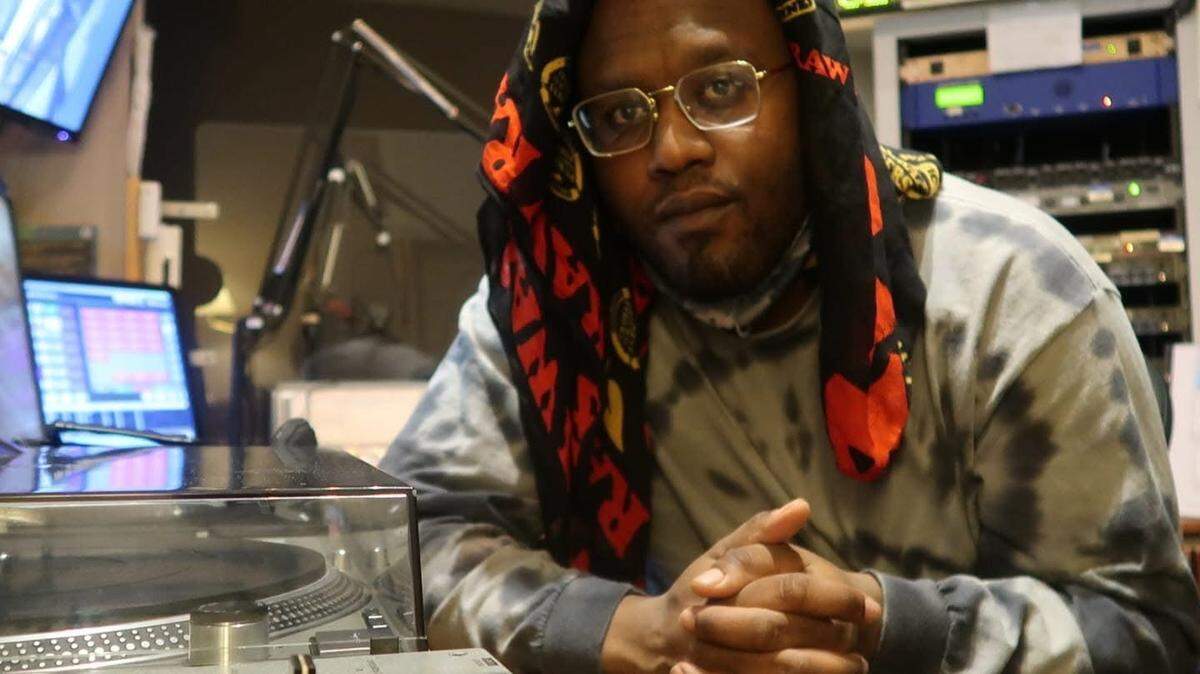
Since 2012, Edward Bohannon, known behind the turntables as DJ E, has used his platform to uplift local artists and highlight underrepresented voices.
Bohannon, radio host and a figure in Kansas City’s hip-hop scene, was surprised when organizers of KC Reggae Fest approached him to help curate talent for this weekend’s reggae music and jerk festival, a three-day event that draws thousands who come for the world music and Caribbean cuisine. It began on Friday at Berkley Riverfront Park in Kansas City.
Bohannon, who hosts 90.1 FM’s Energy and Jam Show, is now in his second year organizing acts, and plays a major role in bringing fresh energy and new voices to the festival which is celebrating its 34th year.
The 35-year-old Bohannon hopes to draw in audiences and artists who, like himself, may not come from a reggae background but are open to exploring new musical styles. While established names from the local reggae scene headline the main stage, Bohannon continues to build space for emerging talent and bridging generational and cultural gaps across Kansas City’s evolving creative landscape.
Recently Bohannon sat down with the Star’s culture and identity reporter, J.M. Banks to talk about supporting local music, curating the Green Stage at KC Reggae Fest and stepping out of his musical comfort zone to reach new audiences.
Banks: Can you start by telling me about your early life and your upbringing? Were there any specific experiences that led you into DJing or hosting?
Bohannon: Well, my mom lived in Lenexa, so I went to Shawnee Mission West out there.
I’ve been into music for a long time. My brother, who passed away three years ago, really put me into music. He was one of the first audio engineers I saw in our scene. I think I was in 10th grade when I first got a look into the music industry.
That experience made me want to get more into music. In high school, my senior year, I also went to a technical school and they had a studio. My brother taught me how to engineer, how to do everything. He was recording our friends and other people in high school.
Then I went into radio at K-State in the winter of 2008. At first, I went for sports broadcasting. But once I found out you could go to all the hip-hop concerts for free and do interviews, I was like, that’s what I want to do.
What styles or types of music do you generally like to play?
I’m definitely a hip-hop DJ, but I play everything — new school to old school. My show is a mix of what I call “morning music,” stuff that gets you going. Some rage tracks, drill, and new stuff too. I’ll even play jungle music, whatever gets the juices flowing.
Were there any challenges in your career coming up in the city as a new DJ?
Yeah, just finding spaces where I could build. And in the radio industry, it took time. I did my show at K-State, then came back to KC, but didn’t really have opportunities with commercial stations. KKFI, the community radio station, gave me my shot. Even now, though I could probably go elsewhere, I still really value what they do. Community radio is a powerful platform.
How did that collaboration with KC Reggae Fest come about?
I got involved through my radio show. Before my slot at 8 p.m. on Saturdays, there’s Rootswise Reggae, and Dave (one of the organizers for KC Reggae Fest) does that show. I saw them, for years, every Saturday. They saw me running in and out of the studio like a madman, always on time, sometimes going through things but always consistent.
They got to know who I was, how I moved and what I was about with the community. Eventually, they asked me to be part of the Reggae Fest team.
I run the Green Stage. There’s the main stage and then the Green Stage, which is all about bringing in new life to the festival. It’s been going on for 30 years and a lot of the original team is getting older. They brought me on to inject some new energy and style.
They don’t tell me exactly what to do. I book the stage how I see fit, with the understanding of what the event represents. I’m still learning about reggae and its culture, but I deeply respect it and I’m trying to keep the legacy going.
What is the thought process behind the acts you’re booking on the Green Stage?
First off, I look for strong performers, people who can bring a crowd. We want people excited to come see them. Then I look for a sound, an island or reggae vibe. Something that long-time Reggae Fest goers can connect with, even if it’s not exactly traditional reggae.
Who have you booked for this year’s Green Stage?
We’ve got Sweets Music, Black Impala, TJ Samaya, DJ Padman, Yasa Safari, Nikki Brooks, Nicolette Paige and Brody Allen.
Are there any acts you’re particularly excited about?
Yeah, Yasa Safari is big. But personally, I’m really excited about Brody Allen. He’s a younger artist, part of a band called As One. I’ve had him on my First Fridays stages and others, but I’ve never seen him lead a band live. This time, he’s performing solo with a house band I helped put together.
As a DJ with a mostly hip-hop background, was there any hesitation stepping into this role for a reggae festival?
I mean, I’m always looking to expand my knowledge. But overall, not really. Hip-hop is my core, but I’m an open-format DJ. I can spin anything. If they ask for hip-hop, that’s what I’ll do, but I’m flexible.
Have you noticed any differences between organizing reggae shows and hip-hop/R&B shows?
Absolutely. There’s a wider range of communities that come together around reggae. It’s a tight-knit, but very diverse, group. Also, reggae events are way more chill. There’s great food, a family-friendly vibe. It’s just a different kind of energy. Positive and peaceful.
Why is it important for events like KC Reggae Fest to include diverse voices across the musical landscape in KC?
Because we want this to continue for another 30 years. OGs like Dave and others built the foundation, but to grow, we need to include new voices and fresh energy.
How do you work to respect and celebrate reggae culture while adding your own style?
It’s a learning experience. Last year, I had more hip-hop acts, just trying things out. I liked it, but this year, I focused more on honoring reggae and island culture, not going too far outside of it. It’s about respecting what came before me.
What kind of impact do you think Reggae Fest has on the local community, especially young Black creatives?
It brings a lot of people together, Black folks, but also people from all backgrounds, celebrating music and culture. In 30 years, there’s never been an incident. That says something. It’s always a good time. Plus, reggae and hip-hop have more in common than we realize — the messages, the struggle, even the ties to cannabis culture and Rastafari (An Abrahamic religion that developed in Jamaica during the 1930s.)
As someone somewhat outside of reggae culture, how can events like this be used to educate and unite communities?
That’s what it’s all about. This year, there will be educational elements too, people teaching about Rastafari, cannabis as medicine, and more. Anytime you bring different walks of life together under the banner of music, you create a space to learn.
Why do you think island music has grown in pop culture recently?
Because a lot of music today lacks substance. Reggae fills that gap. It’s positive. It feels good. It’s soulful. People are drawn to that now more than ever.
When doing events like that, what are you trying to convey with your sets?
I always tell people I want “everywhere music.” Music you can play at a BBQ, a birthday party, a wedding, it works anywhere. That’s the kind of vibe I want.
What does KC need to do better to support up-and-coming artists?
Collaboration is key. We need to use the platforms we already have. There are amazing people doing work here, but sometimes folks aren’t aware, or they don’t reach out. And we need to value integrity. I see too many people choosing money over morals, and that’s not how we build.
What advice would you give to young artists wanting to get involved in festivals and expand culturally?
Do your research. Reach out to organizers or past artists. Sometimes just volunteering can get you more connections than anything else.
What are your hopes for Reggae Fest going forward?
That it continues for another 30 plus years and grows back to where it started. I believe the very first one had around 30,000 people. I’d love to see it get back to that scale.
For more stories about culture and identity, sign up for our free On The Vine newsletter at http://KansasCity.com/newsletters.