KC author’s story of childhood trauma and healing inspires others to speak out
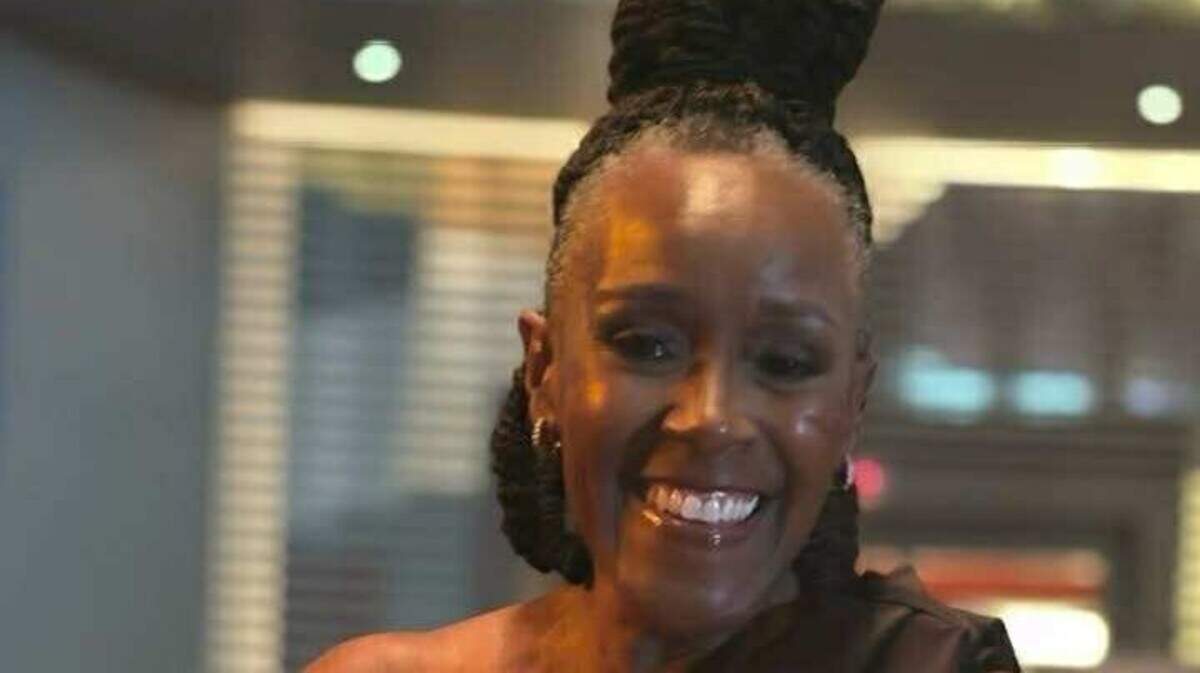
Royce Martin grew up thinking she would never be able to speak about the dark traumas of her past with anyone. However, she found the courage to tell her story, and now, as a writer, podcaster, motivational speaker, and mentor, she has chronicled her journey of healing from a tragic childhood.
In her book entitled “From Whence I Came, Better Not Bitter” Martin shares the deeply personal and painful experiences that shaped her early life, from abuse and abandonment to the silence she endured in a time when support systems often failed children like her.
The book, a decade in the making, is a raw and courageous reflection on survival, resilience, and ultimately, transformation.
Her work has not gone unnoticed. Following the release of her memoir, she was nominated for a Kansas City People’s Choice Award, a testament to the impact her voice is having in the community. With the support of mentors and her commitment to authenticity, Martin now uses her platform to inspire others facing similar struggles.
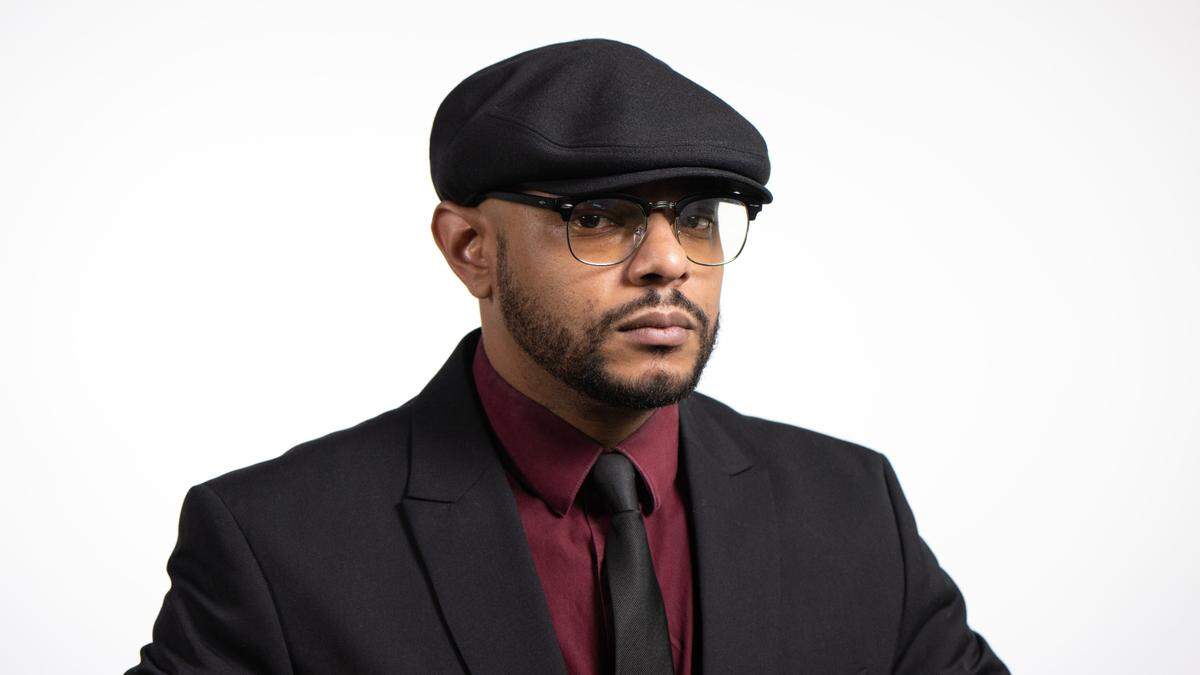
Recently Martin sat down with the Star’s culture and identity reporter J.M. Banks about finding the strength to tell her story, the process of getting publishing and helping people through sharing and mentoring.
Banks: Can you begin by telling me a little bit about your background and upbringing and how your early experiences led to you becoming an author?
Royce Martin: Absolutely. I was born and raised in Topeka. So, first of all, I grew up in a very tumultuous household. My mother was abused. My father was a rolling stone, so to speak, and military as well. Myself and my three siblings were raised very strictly. There wasn’t a lot of social interaction in our upbringing. Children were to be seen and not heard.
It allowed me to develop a very skeptical way of thinking. We were devout church children. We did things like clean the yard, set up microphones,. I resented the church because of its contradictory morals. Fast forward through the abuse we faced as children. At the age of 12, I was severely attacked and rendered childless, so I’m unable to have kids.
I didn’t turn to drugs. I didn’t turn to alcohol. I immersed myself in my books. I wanted to be a scholar, and that was my outlet.
Also, we were required to participate in sports, and I consider myself a pretty amazing athlete. When I left Topeka, Kansas, I ended up at Saint Louis University, where I earned my bachelor’s degree in management and information systems.
I received a walk-on scholarship for both softball and volleyball. I made my way through college by umpiring, and I’m now a 38-year veteran of the umpire game for softball, basketball and volleyball.
From Saint Louis University, I wanted to go to law school to right the wrongs of the world. It was very challenging to get in financially because, at least in 1991, your first year of law school they didn’t want you to work.
So I immediately got on my grind. I went to the American Institute of Paralegal Studies, an accredited institution at the time (It closed in 2013). I was a 4.0 student. While trying to figure out my career path, I became a teacher of legal research for two years after that.
From there, I was drawn back to the Midwest because my mentor, my godmother, her son had passed. My degree led me into the exhibition industry, so trade shows and that kind of thing. I did that for several years. But my love for HR just kept calling.
I am currently the Director of People and Operations at Metropolitan Energy Center (A Kansas City non-profit.).
What made you decide to write your book?
It started as an unraveling of all the things that happened to me as a child that led up to it. I discovered a lot. I was very childlike, very much in need of love, because I didn’t really get that from my parents. God rest both their souls. The irony is that my mother passed on October 24. She had been stricken with dementia in November 2020.
I talk about this when I speak motivationally, about understanding the assignment. Her asking me to look out for her when she couldn’t take care of me became a huge catalyst to keep writing my book.
Not understanding her plight, her abuse, her past, her family relationships, it all unraveled the essence of why I was the way I was.
I had a mentor named Dr. Beryl (Beryl New Ph.D.) knew me as a child and helped me navigate the essence of putting it all down on paper and bringing it to life. By operating in the space of forgiveness, I was able to pull all those pieces together.
It took a lot of tears, a lot of pain, a lot of yelling, and a lot of “Why God, why me?”
What was the most challenging aspect of writing and getting the book published?
First of all, the writing itself, the recall. Having to dredge up memories of some extremely horrific things, starting with child abuse and a violation at the age of 5.
Having to write about the people who didn’t protect me, people I called mom and dad, was the most challenging part. The lack of protection, the spirit of abandonment. I confided in teachers who wanted to help me, but I grew up in the 1970s, and nobody wanted to touch my issues with a 10-foot pole.
My father was extremely mean and threatening. That was the first challenge, the recall. However, being able to finally get through those chapters, with encouragement from my mentor Dr. Beryl New, (Ph.D.) who reminded me to be my authentic self, that’s how I persevered.
If you look at the size of the book and understand it took 10 years, that tells you something. I’m 55 now, almost 56, and those were the most egregious times in my life.
Having to talk about it and be OK in the space I’m in today, that’s understanding that it happened, but it doesn’t define who I am.
Did you ever doubt whether you should be so vulnerable in your writing, and how did you push through that?
Once I understood that people would continue to judge me, I realized that what I had to share was more important than the sum of the abandonment. Once I realized that, I knew if I told my story, no one could tell it better than me.
Since you released the book, what’s some of the feedback you’ve received from it?
Feedback has been inspiring, enlightening and empowering. The essence of being vulnerable has helped others out of their situations. People have shared that by me speaking it out loud, those who were holding on to trauma are now slowly and surely releasing it.
In my first 500 sales all of them were to people I knew. I’m at 2,100 sales now and they have all been organic, on my own, through a variety of different efforts. Through my marketing, I’ve now reached 47 states and I’m actually in another country now.
So yes, it has given me a platform to speak about things that people are afraid to speak about.
What do you think resilience means to you today, as opposed to when you first started writing the book?
It taught me how to live with purpose. I have a platform called Living Life On and With P.U.R.P.O.S.E. What it taught me is that when you do things on purpose, even if you hurt people, when it’s intentional and with purpose, it changes the narrative.
I also have a podcast with that name and another one called “Walking Through It,” which is a collaboration with someone else. We talk about our daily struggles, where we’ve been, and where we’re going. That is 100% the catalyst, understanding what my purpose is and being comfortable living in that and through that each and every day.
Why do you think it’s important that people deal with those areas of past trauma they’ve experienced?
It’s extremely freeing. African American women are at the bottom of every socioeconomic totem pole. It’s historic, it’s documented, it’s out there in all the statistics. We were designed to carry all of that trauma and still be expected to raise children, handle the household, go to church, be the light for everyone and we were never taught how to take care of ourselves.
The freedom is in realizing you’re not alone. People who’ve been hiding their secrets for years now feel seen. Some relate to a lot of parts of my book, some can’t relate at all. However, abuse of a child is universally relatable, especially with what’s going on in our world today, trafficking, abuse in the church, sweeping things under the rug.
Understanding that your parents help shape the way you think, the way you feel about life and people. But once you reach a certain age, you have to take control of what life means for you. You change the narrative. You change the paradigm.
I can’t have children, but I believe my story is a legacy. It’s tough to stand in the fire and risk getting burned when you’re advocating for others, especially children and victims out here being violated.
Can you tell me about your work as a motivational speaking and mentoring?
My “Living Life On and With PURPOSE,” platform covers everything, corporations, relationships, spirit-filled arenas. I talk about how if you allow people to treat you any kind of way, they will.
I had to be real with myself. Everything isn’t rainbows and unicorns, it’s tough sometimes. This work also includes having honest conversations with your employer. Being real about being stuck in the same position for years, whether due to race, or because you didn’t go back to school, you have to take accountability.
As African American people we have to be persistent. It’s not easy for us., we go into overdrive, getting at it every day. Living life on and with purpose; that applies in all arenas, from customer service to church to corporate leaders. That’s my platform.
Do you have any upcoming projects or future books you hope to release?
Yes, book two. The goal is to release it next summer. I also have several book events coming up. As I mentioned, I have a podcast every Monday night at 7 p.m. with my co-host. We talk about our accomplishments, and we also talk about the trials and tribulations of what’s going on in the world.
What do you think is the most fulfilling aspect of the work you do with your writing, speaking, and mentorship?
The unsolicited comments. The “wow, your book saved my life.”
That’s the most fulfilling thing, knowing I’m leaving a legacy. A legacy that challenges the idea that we have to suffer in silence. That we can speak up. We can have our needs met by simply raising our hand and asking for help. That keeps me grounded as I continue to be blessed.
For more stories about culture and identity, sign up for our free On The Vine newsletter at http://KansasCity.com/newsletters.
This story was originally published August 12, 2025 at 10:04 AM.